
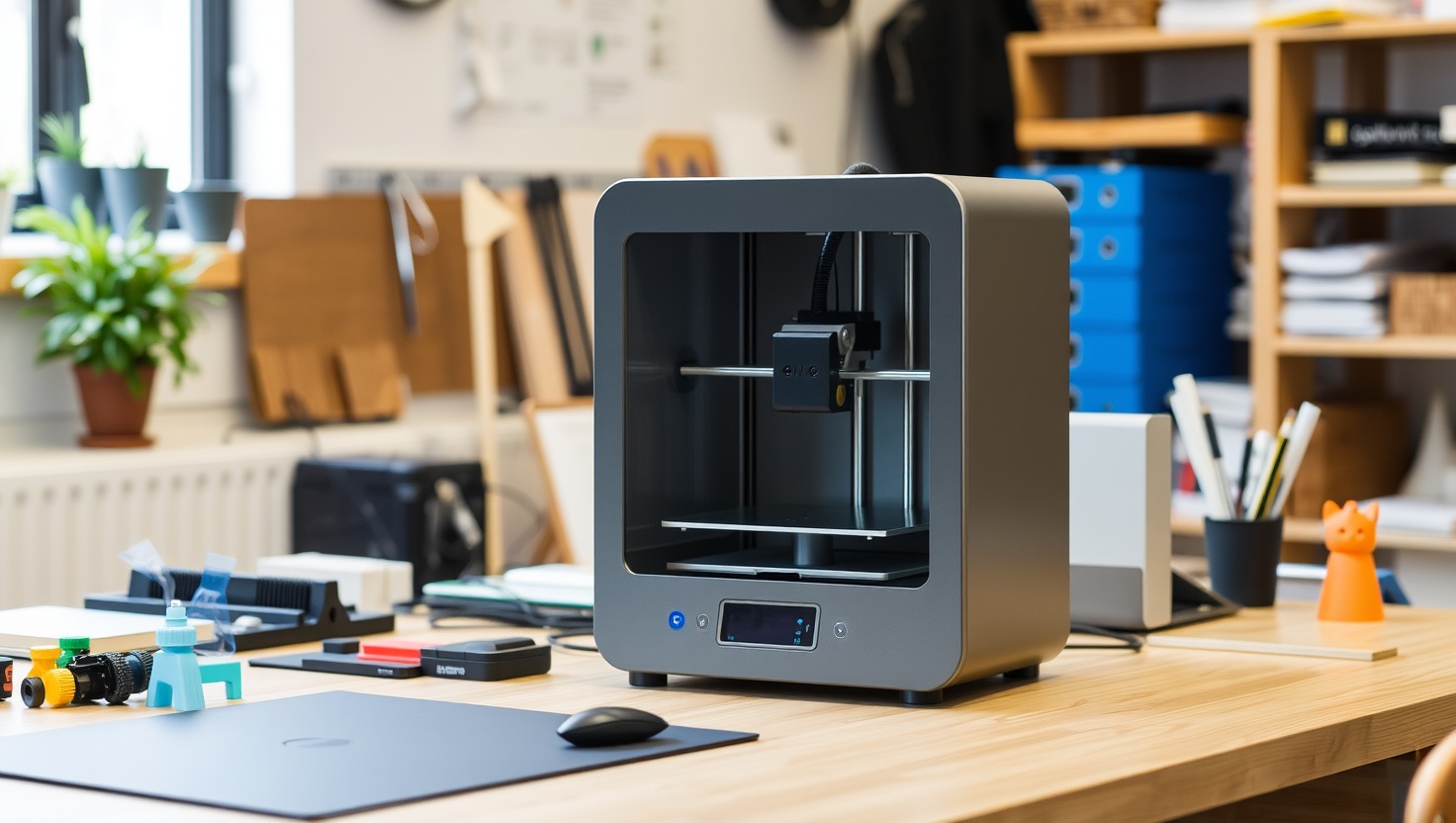
You want miniatures so sharp you can count the chainmail links. In 2026, the right resin printer finally makes that easy at home.
Elegoo Saturn — Top Pick
With a high-resolution mono LCD for razor-sharp detail, a large plate that batches whole squads of miniatures at once, and the freedom to run any 405nm resin, the Elegoo Saturn is the best all-around resin 3D printer for 2026.
In a hurry? That's our pick. Want the reasoning and the full comparison? Keep reading.
Resin printing is where fine detail lives. While filament printers lay down visible layers, an MSLA resin machine flashes a whole layer of liquid resin solid at once using a high-resolution LCD, which is why tabletop miniatures, jewelry masters, and detailed models look injection-molded coming off the plate. Two brands dominate this space for hobbyists: Anycubic and Elegoo. Both make excellent, affordable machines, and choosing between them comes down to a handful of things that actually matter.
The spec sheets throw a lot of numbers at you, so we cut through it. Below you get a plain-English breakdown of the five things that decide your print quality, screen resolution, build volume, print speed, ease of use, and the wash-and-cure ecosystem around each machine, plus the four printers worth your money right now. And because resin is not filament, we walk you through the safety gear you genuinely need before you pour your first bottle. Get that part right and this hobby is a joy, not a hazard.
Key Takeaways
- Resin detail comes from the LCD screen: a higher-resolution mono screen (more pixels, smaller XY size) means sharper miniatures.
- For the best all-round resin printer in 2026, the Elegoo Saturn is our top pick: large build volume, crisp detail, and strong value.
- Want the easiest onboarding and a polished ecosystem of wash-and-cure gear? The Anycubic Photon is the friendliest place to start.
- Chasing maximum detail as an enthusiast? The Phrozen Sonic pushes resolution and speed further.
- Need repeatable, professional-grade parts? The Formlabs Form is a true SLA workstation, at a professional price.
- Resin is messy and needs respect: nitrile gloves, good ventilation, and IPA washing are non-negotiable, not optional extras.
How to Read a Resin Printer Spec Sheet (Without Getting Fooled)
Start with the screen, because on an MSLA printer the LCD is the print engine. It masks the UV light so only the shape of your layer gets flashed solid, which means the resolution of that screen directly sets how much fine detail you capture. Look at two numbers together: the panel's pixel count (say 8K or higher) and its physical XY size. What actually matters is the resulting pixel size in microns, smaller pixels carve finer edges, cleaner text, and crisper miniature faces. A modern monochrome LCD also cures far faster and lasts far longer than the old RGB screens, so 'mono' is the word to look for. If sharp detail is your whole reason for going resin, this is the spec to obsess over.
Next comes build volume, and here resin plays by different rules than filament. You are rarely printing one giant object; you are usually filling the plate with a small army of miniatures or a batch of parts. So a larger build area is less about height and more about how many pieces you can cure in a single run. That is exactly why the Elegoo Saturn line earned its reputation: a genuinely large plate lets you print a whole squad at once instead of babysitting print after print. If you produce in batches, build volume saves you real hours.
Then print speed and resin compatibility. Speed on a resin machine depends on layer exposure time and how fast the plate lifts and peels between layers; faster tilt-and-lift systems and speed-tuned resins can dramatically cut your total time. Compatibility matters too: the big Anycubic and Elegoo machines happily run standard 405nm UV resins from almost any brand, so you are never locked into one supplier. Some professional systems use proprietary resin cartridges, which buys consistency but costs flexibility. Know which trade-off you are signing up for before you buy.
Resin Safety, Washing, Curing, and the Ecosystem Reviews Skip
Let us be direct, because this is the part that keeps the hobby safe and fun. Liquid resin is an irritant and you should never let it touch your skin. Wear nitrile gloves every single time you handle resin, the plate, or a fresh print, keep the printer in a well-ventilated space or an enclosure that vents outside, and wear eye protection when you pour. Uncured resin also should not go down the drain, so plan your disposal. None of this is scary once it is routine, it is just the seatbelt of resin printing: you buckle up automatically and then forget about it.
After a print comes the two-step finish that gives resin its clean look: wash, then cure. You rinse the sticky uncured resin off the model in isopropyl alcohol (IPA), usually 90 percent or higher, then blast it with UV light to fully harden it. You can do this by hand with tubs and a cheap UV lamp, but a dedicated wash-and-cure station makes it tidy and repeatable, which is where ecosystem matters. Anycubic and Elegoo both sell matched wash-and-cure machines sized to their printers, so your whole workflow snaps together. When you compare printers, look past the machine itself to the resins, screens, FEP films, and finishing gear the brand supports, because a printer with a healthy ecosystem stays easy to live with for years, not just launch week.
Quick Comparison
| Product | Best For | Detail | Build Volume | Ease of Use |
|---|---|---|---|---|
| Elegoo Saturn | Overall pick | Sharp, high-res mono LCD | Large | Very good |
| Anycubic Photon | Ease + ecosystem | Crisp mono LCD | Medium | Excellent |
| Phrozen Sonic | High-detail enthusiast | Ultra-fine resolution | Medium | Good |
| Formlabs Form | Professional SLA | Laser-precise SLA | Medium | Turnkey pro |
1. Elegoo Saturn — Best Overall
Elegoo Saturn
The Elegoo Saturn is the resin printer we hand to almost anyone who asks. It threads the needle better than anything else in 2026: a high-resolution monochrome LCD that captures the fine detail resin fans crave, and a genuinely large build plate that lets you print a whole squad of miniatures or a full batch of parts in one run. That combination of sharpness and size is exactly why the Saturn became the default recommendation across the tabletop and modeling communities. It looks the part on your desk and it prints the part every time you press go.
It also runs standard 405nm resins from nearly any brand, so you are never locked into one supplier and you can chase the perfect resin for your minis. Setup is beginner-friendly, leveling is quick, and Elegoo's matched wash-and-cure station slots straight into your workflow. If you want one printer that delivers crisp detail, real batch capacity, and excellent value without asking you to become an expert first, this is it. Just gear up with gloves and ventilation and you are ready.
Pros
- Large build plate prints whole batches of miniatures in one run
- High-resolution mono LCD captures razor-sharp fine detail
- Runs standard 405nm resins from almost any brand, no lock-in
- Beginner-friendly setup and quick, forgiving bed leveling
- Outstanding value for the detail and volume you get
Cons
- Large footprint needs dedicated, well-ventilated bench space
- Resin printing still demands gloves, IPA, and careful cleanup
- Consumable FEP film and the LCD will need replacing over time
2. Anycubic Photon — Best for Ease and Ecosystem
Anycubic Photon
If this is your first resin printer, the Anycubic Photon is the friendliest place to start. Anycubic built its reputation on making resin approachable: intuitive setup, a well-known slicer, and clear guidance that gets you from box to first clean print with the least head-scratching. The mono LCD delivers crisp, detailed results that will make your early miniatures look far better than the effort suggests, and the medium build volume fits neatly on a desk without dominating the room.
The real ace is the ecosystem. Anycubic sells a deep, matched lineup of resins, wash-and-cure stations, spare screens, and FEP films sized specifically for the Photon, so every part of your workflow clicks together instead of turning into a scavenger hunt. For a newcomer, that end-to-end support is worth a lot: fewer unknowns, faster troubleshooting, and a clear upgrade path. If you value a smooth on-ramp and a brand that holds your hand, the Photon is the runner-up for good reason.
Pros
- Exceptionally beginner-friendly setup and clear guidance
- Crisp monochrome LCD delivers detailed prints out of the box
- Deep ecosystem of matched wash-and-cure gear and resins
- Desk-friendly footprint that suits smaller spaces
- Strong community and documentation for easy troubleshooting
Cons
- Smaller build volume than the Saturn for big batches
- Still requires the full resin safety routine of any MSLA printer
- Ecosystem convenience can nudge you toward first-party accessories
3. Phrozen Sonic — Best for High Detail
Phrozen Sonic
When squeezing out the absolute finest detail is your obsession, the Phrozen Sonic makes the case. Phrozen chases resolution hard, packing in a very high pixel density that shrinks the pixel size and lets you capture the kind of micro-detail that shows up in high-end miniatures, jewelry masters, and intricate scale models. If you have ever wanted to see individual scales, filigree, or the finest texture come through clean, this is the line built around that goal, and it also prints quickly thanks to speed-tuned engineering.
You trade a little of the beginner hand-holding for that edge. The Sonic rewards someone who already understands exposure tuning and supports, and its ecosystem is a touch more enthusiast-oriented than Anycubic's. It still runs standard 405nm resins, so you keep your resin freedom. For the detail-hungry hobbyist who wants the sharpest possible output and does not mind dialing in settings, the Phrozen Sonic delivers a level of fineness the mainstream machines have to reach for.
Pros
- Ultra-high resolution captures the finest micro-detail
- Small pixel size sharpens intricate miniatures and jewelry masters
- Fast, speed-tuned printing for quicker turnaround
- Runs standard 405nm resins, keeping you brand-flexible
- A favorite of detail-obsessed enthusiasts and pros
Cons
- Less hand-holding than beginner-focused rivals
- Rewards users comfortable tuning exposure and supports
- Enthusiast ecosystem is narrower than Anycubic's or Elegoo's
4. Formlabs Form — Best Professional SLA
Formlabs Form
The Formlabs Form is a different animal, and for the right buyer that is exactly the point. Instead of an LCD, it uses laser-based SLA to trace each layer with pinpoint accuracy, which delivers the kind of repeatable, dimensionally reliable parts that studios, dental labs, product designers, and engineers depend on. This is a professional workstation, not a hobby machine: it is engineered for consistent results run after run, with automated resin handling and a validated library of engineering, castable, and specialty resins.
That reliability comes at a professional price and, often, a proprietary cartridge system that trades resin freedom for guaranteed consistency. For a hobbyist chasing tabletop minis, that is more machine and more money than you need, the Elegoo Saturn or Phrozen Sonic will serve you better. But if you run a business where a failed batch costs real money and repeatability is everything, the Form earns its keep by simply working, every single time, with support to match.
Pros
- Laser-based SLA delivers precise, repeatable professional parts
- Validated library of engineering and specialty resins
- Turnkey, automated workflow built for reliability
- Excellent support and a polished professional ecosystem
- Dimensional consistency studios and labs can trust
Cons
- Professional price far above hobbyist MSLA printers
- Proprietary resin cartridges limit your material freedom
- Overkill for tabletop miniatures and casual hobby use
Which Should You Choose?
Pick the Elegoo Saturn if you want one printer for everything
If you print miniatures, models, or parts and you want sharp detail plus the freedom to batch a whole plate at once, the Elegoo Saturn is the clearest choice. Its high-resolution mono LCD captures crisp detail, its large plate saves you hours on big runs, and it runs any standard 405nm resin so you are never locked in. Add its beginner-friendly setup and strong value and it is the best all-round resin printer on this list for 2026.
Pick the Anycubic Photon or Phrozen Sonic based on your priority
New to resin and want the smoothest possible start? The Anycubic Photon gives you the friendliest setup and the deepest ecosystem of matched wash-and-cure gear, so nothing trips you up. Already detail-obsessed and happy to tune settings? The Phrozen Sonic pushes resolution and speed further for the finest micro-detail. Both are excellent, so let ease of use versus outright sharpness point you to the right one.
Pick the Formlabs Form if you need professional repeatability
Some buyers need parts that come out identical, run after run, because a failed batch costs real money. The Formlabs Form answers that with laser SLA precision, automated resin handling, and a validated resin library built for studios and labs. You pay a professional price and accept proprietary cartridges, but if repeatable, dependable output is your job, not your hobby, the Form is worth it.
Ready to Print Miniatures That Look Molded?
The Elegoo Saturn gives you sharp, high-resolution detail and a large plate that prints a whole batch at once, all at a price that makes sense. Gear up with gloves and ventilation, check current pricing, and see why it tops our 2026 resin printer list.
Explore Brainstamped's Free ToolsFrequently Asked Questions
For most people, the Elegoo Saturn is the better all-round resin printer in 2026, thanks to its large batch-friendly build plate, sharp high-resolution mono LCD, and strong value. Anycubic's Photon is the top alternative and arguably the easier first printer, with the friendliest setup and the deepest ecosystem of matched wash-and-cure gear. Choose Elegoo for volume and value, Anycubic for the smoothest start.
Always wear nitrile gloves when handling liquid resin, the build plate, or fresh prints, and never let resin touch your skin. Work in a well-ventilated space or a vented enclosure, and wear eye protection when you pour. You will also wash prints in isopropyl alcohol, so keep it away from flames, and never pour uncured resin down the drain. Once it is routine, it takes seconds and keeps the hobby safe.
It is a two-step finish. First rinse the sticky uncured resin off your model in isopropyl alcohol (IPA), ideally 90 percent or higher, to remove the residue. Then place the clean print under UV light to fully harden it. You can do this with tubs and a cheap UV lamp, but a dedicated wash-and-cure station, like the ones Anycubic and Elegoo sell to match their printers, makes it tidy and repeatable.
For sharp miniatures with excellent value and batch capacity, the Elegoo Saturn is our pick. If you want the absolute finest micro-detail and are comfortable tuning settings, the Phrozen Sonic pushes resolution and pixel size even further. Detail on any MSLA printer comes down to the LCD: more pixels packed into a smaller area means smaller pixel size and crisper edges on your models.
The Anycubic Photon, Elegoo Saturn, and Phrozen Sonic all run standard 405nm UV resins, so you can mix and match brands freely and chase the perfect resin for your prints. Professional systems like the Formlabs Form often use proprietary cartridges, which guarantees consistency but limits your material choice. For hobbyists, the freedom to use any 405nm resin is a real advantage of the mainstream MSLA machines.