
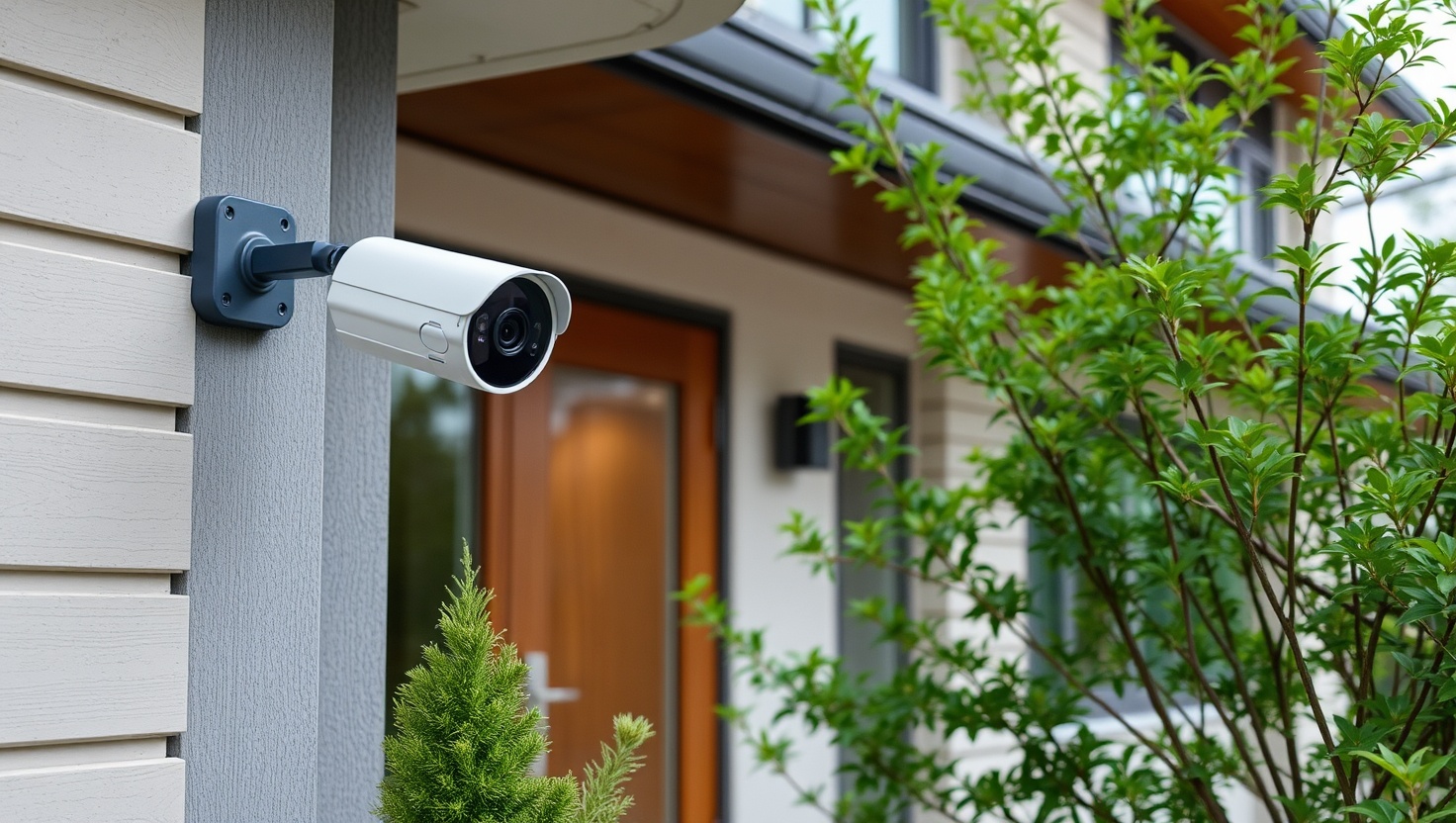
You want footage that looks smooth and cinematic even when you are getting thrown around. In 2026, a great action camera finally makes that easy.
GoPro Action Camera — Top Pick
Rugged, waterproof, and armed with sharp 5.3K video, excellent stabilization, a vlogging front screen, and the biggest mount ecosystem around, the GoPro is the best all-around action camera for capturing every adventure in 2026.
In a hurry? That's our pick. Want the reasoning and the full comparison? Keep reading.
Action cameras have quietly become the most versatile tool in a creator's bag. They mount anywhere, survive drops and dunks, shoot in stunning resolution, and turn shaky chaos into buttery-smooth footage. Whether you are dropping into a wave, ripping down a trail, or just vlogging your day, the right one hides on your chest and captures everything without you thinking about it. The gap between phone footage and action-cam footage is bigger than ever.
But the marketing gets loud, and the specs get confusing fast. One camera brags about 5.3K, another about its stabilization, a third about being the cheapest. What actually matters is how the electronic stabilization holds up in real motion, how rugged and waterproof it really is, and whether the slow-motion and low-light performance live up to the box. Below you get the four action cameras worth your money right now, plus a plain-English breakdown of stabilization, ruggedness, resolution, and battery so you buy the right one the first time.
Key Takeaways
- Electronic image stabilization (EIS) is the single biggest reason modern action footage looks smooth, and it varies a lot between brands.
- For most people, the GoPro Action Camera is our top pick: rugged, sharp 5.3K, a front screen for vlogging, and a massive mount ecosystem.
- Want the smoothest, most gimbal-like footage? The DJI Osmo Action leads on stabilization and low-light performance.
- Chasing creative angles and 360 flexibility? The Insta360 Action Camera gives you the most versatile shooting options.
- On a budget but still want 4K and waterproofing? The Akaso Action Camera delivers the best value per dollar.
How to Read an Action Camera Spec Sheet (Without Getting Fooled)
Start with stabilization, because it does more for your footage than resolution ever will. Modern action cameras use electronic image stabilization (EIS), which crops the sensor slightly and shifts the image frame by frame to cancel out bumps, shakes, and jolts. Good EIS turns a rough mountain-bike run into footage that looks like it was shot on a gimbal. This is the number-one thing that separates a great action camera from a mediocre one, and the difference between brands is real. If you do anything genuinely bumpy, prioritize the camera with the best stabilization reputation.
Next comes resolution and frame rate. In 2026 you want at least 4K, and the flagships push to 5.3K or higher, which gives you extra detail and room to crop and reframe in editing. Just as important is high frame rate for slow motion: shooting at 120fps or faster lets you slow a moment down to a smooth, dramatic crawl. Then check the field of view. Action cameras shoot wide, and a super-wide FOV is what makes footage feel immersive and puts you inside the moment. Most let you switch between wide and narrower views depending on the shot.
Finally, think about vlogging features and ruggedness. A front-facing screen is a genuine game-changer if you talk to camera, because you can actually see yourself framed instead of guessing. On the tough side, look at waterproof depth (most flagships handle several meters without a case) plus drop and dust resistance, since the whole point is bringing the camera where a phone would die. A camera rated waterproof out of the box and built to survive knocks is one you will actually use in the field.
Battery, Overheating, Low Light, and Mounts: The Stuff Reviews Skip
Let's be honest about battery and heat, because the marketing never is. Action cameras are tiny, so batteries are small, and shooting high resolution at high frame rates drains them fast and generates heat. Long 4K or 5.3K sessions can trigger thermal shutdowns on any brand if there is no airflow, especially on a hot day or mounted somewhere still. The fix is simple once you know: carry spare batteries, drop to a lower resolution for marathon takes, and give the camera some airflow. Plan for this and it is a non-issue. Get surprised by it and you miss the shot.
Then there is low light and the mount ecosystem. The small sensors that make these cameras so pocketable are also their biggest limit: in dim conditions, footage gets grainy and soft compared to a phone or a proper camera. Action cameras are built for bright, active daylight, and that is where they shine. Where they truly win is the accessory world. The mount ecosystem, especially GoPro's, is enormous, so you can strap the camera to a helmet, chest, handlebar, surfboard, or dog harness with a cheap clip. Before you buy, make sure your camera plays nicely with the mounts you already own or can find easily, because that ecosystem is half the value.
Quick Comparison
| Product | Best For | Resolution | Strength | Ruggedness |
|---|---|---|---|---|
| GoPro Action Camera | Overall pick | Up to 5.3K | All-round + mounts | Excellent |
| DJI Osmo Action | Stabilization | Up to 4K high fps | Smoothest footage | Excellent |
| Insta360 Action Camera | Versatility | Up to 5.7K | Creative angles | Very good |
| Akaso Action Camera | Best value | Up to 4K | Frames per dollar | Good |
1. GoPro — Best Overall
GoPro Action Camera
The GoPro is the action camera we hand to almost anyone who asks. It nails the fundamentals better than anything else in 2026: sharp 5.3K video, excellent electronic stabilization that smooths out serious motion, a front screen so you can frame yourself while vlogging, and a body that shrugs off water, dust, and drops right out of the box. It is the safe, do-everything pick, and it earns that status.
What really seals it is the ecosystem. GoPro's mount system is the biggest in the world, so you can clip this camera onto a helmet, chest harness, handlebar, or surfboard with cheap, easy-to-find accessories. Pair that reach with a super-wide immersive field of view and reliable slow motion, and you have a camera that goes everywhere and captures everything. If you want one action camera that just works, this is it.
Pros
- Excellent electronic stabilization that smooths rough motion
- Sharp 5.3K video with high frame rate slow-motion options
- Front-facing screen makes vlogging and self-framing easy
- Waterproof and rugged straight out of the box, no case needed
- The largest mount ecosystem, so it fits almost any setup
Cons
- Battery drains quickly at high resolution, like all action cameras
- Small sensor struggles in low light compared to a phone
- Long high-res sessions can run warm without airflow
2. Osmo Action — Best Stabilization
DJI Osmo Action
If the smoothest possible footage is your goal, the DJI Osmo Action makes the strongest case. DJI built its name on gimbals, and that expertise shows in its electronic stabilization, which is about as close to gimbal-smooth as an action camera gets. Bombing down a trail or running with the camera in hand, the shake just melts away. It also tends to hold up better than most in dimmer conditions, thanks to a capable sensor and smart processing.
You get the rest of the package too: a rugged, waterproof body you can take underwater without a case, a bright front screen for vlogging, and strong high-frame-rate slow motion. If you shoot in fast, unpredictable motion and you want the footage to look effortless every time, the Osmo Action is the one to beat. It is a true rival to the GoPro and the pick for stabilization purists.
Pros
- Class-leading electronic stabilization for gimbal-smooth footage
- Handles low light better than most action cameras
- Waterproof and rugged without needing an extra case
- Front screen makes vlogging and framing simple
- Reliable high frame rate slow motion
Cons
- Tops out at 4K, so less crop room than 5.3K rivals
- Smaller mount ecosystem than GoPro's
- Battery and heat limits apply on long high-res takes
3. Insta360 — Best Versatility
Insta360 Action Camera
The Insta360 is for creators who want to break out of the standard front-facing shot. Its whole appeal is flexibility: high-resolution capture up to 5.7K, strong stabilization, and shooting modes that let you grab creative angles and reframe your footage after the fact. Instead of locking in your composition while you are mid-action, you can capture wide and decide the exact framing later at your desk, which opens up shots that are impossible on a traditional camera.
That versatility makes it a favorite for anyone who edits creatively, from invisible-selfie-stick fly-around shots to dramatic reframes. It is still rugged and waterproof for the rough stuff, so you are not sacrificing durability for creativity. If you love experimenting in the edit and want a camera that gives you the most options to play with, the Insta360 is the most flexible tool on this list.
Pros
- Most creative shooting options and post-capture reframing
- High-resolution capture up to 5.7K for crisp detail
- Strong stabilization that keeps creative shots smooth
- Rugged, waterproof build for demanding conditions
- Great for editors who want angles a normal camera can't get
Cons
- The extra modes add a learning curve for beginners
- Creative workflows mean more editing time at your desk
- Small sensor still limits low-light performance
4. Akaso — Best Budget
Akaso Action Camera
The Akaso is the smart-money pick for anyone dipping into action footage without spending flagship money. It delivers genuine 4K capture, a waterproof housing, and basic stabilization for a fraction of the price of the big names. If you are not sure how much you will use an action camera, or you are buying for a first-timer or a kid, it lets you get real POV footage without the sting of a premium price tag.
You give up some polish for that value. The stabilization is not as smooth as the GoPro or DJI, low-light footage gets noisier, and it often relies on a waterproof case rather than being dunk-ready on its own. But it usually ships with a generous bundle of mounts and accessories, so you can start filming everything from bike rides to pool days right away. For a budget-conscious first camera, it stretches every dollar the furthest.
Pros
- Outstanding price for genuine 4K action footage
- Waterproof housing lets you shoot underwater on a budget
- Usually bundles plenty of mounts and accessories
- Great low-risk entry point for first-time users
- Compatible with common standard action-cam mounts
Cons
- Stabilization is noticeably less smooth than the flagships
- Low-light footage gets grainy quickly
- Often needs a case for serious waterproofing
Which Should You Choose?
Pick the GoPro if you want one camera for everything
If you want a single action camera that handles POV, vlogging, underwater, and trail footage without fuss, the GoPro Action Camera is the clearest choice. Sharp 5.3K, strong stabilization, a front screen, and the biggest mount ecosystem in the world make it the easy recommendation for most people. It is the best all-round balance of quality, ruggedness, and flexibility on this list.
Pick the DJI Osmo Action or Insta360 if a specific strength rules everything
Obsessed with the smoothest, most gimbal-like footage and shooting in trickier light? The DJI Osmo Action leads on stabilization and low-light performance. Love experimenting with creative angles and reframing your shots in the edit? The Insta360 Action Camera gives you the most versatile modes to play with. Both are excellent when one particular strength matters most to how you shoot.
Pick the Akaso if you want to start on a budget
Some buyers just want real 4K footage without spending flagship money, or they are buying a first camera to test the waters. The Akaso Action Camera answers that with genuine 4K capture, a waterproof housing, and a bundle of mounts at a low price. You trade some stabilization polish and low-light quality, but it is a smart trade if you are new to action cameras or watching your spend.
Ready to Capture Every Adventure?
The GoPro Action Camera turns your roughest, wettest, wildest moments into smooth, cinematic footage you can mount almost anywhere. Check current pricing and see why it tops our 2026 list.
Explore Brainstamped's Free ToolsFrequently Asked Questions
For most people, the GoPro Action Camera is the best action camera in 2026. It combines sharp 5.3K video, excellent stabilization, a front screen for vlogging, and rugged waterproof build with the largest mount ecosystem available. If your top priority is the smoothest possible footage, the DJI Osmo Action is the strongest alternative.
EIS crops the sensor slightly and shifts the image frame by frame to cancel out bumps and shakes, turning rough motion into smooth, gimbal-like footage. It is the single biggest reason modern action-cam video looks so good, and quality varies between brands. DJI and GoPro lead here, which is why they top our list for smooth footage.
Most flagship action cameras, including the GoPro and DJI Osmo Action, are waterproof to several meters right out of the box, no case required. That is enough for surfing, snorkeling, and pool use. Budget models like the Akaso often rely on a separate waterproof housing, and you'll want that case for deeper dives on any camera.
The tiny bodies pack small batteries, and shooting high resolution at high frame rates drains them quickly and generates heat, which can trigger thermal shutdowns without airflow. It affects every brand. Carry spare batteries, drop to a lower resolution for long takes, and give the camera some airflow, and it becomes a non-issue.
Not really, and that is the honest trade-off for their small size. The tiny sensors that make action cameras so pocketable struggle in dim conditions, producing grainy, soft footage compared to a phone or a dedicated camera. They are built to shine in bright, active daylight. The DJI Osmo Action handles low light a bit better than most, but none replace a proper low-light camera.