
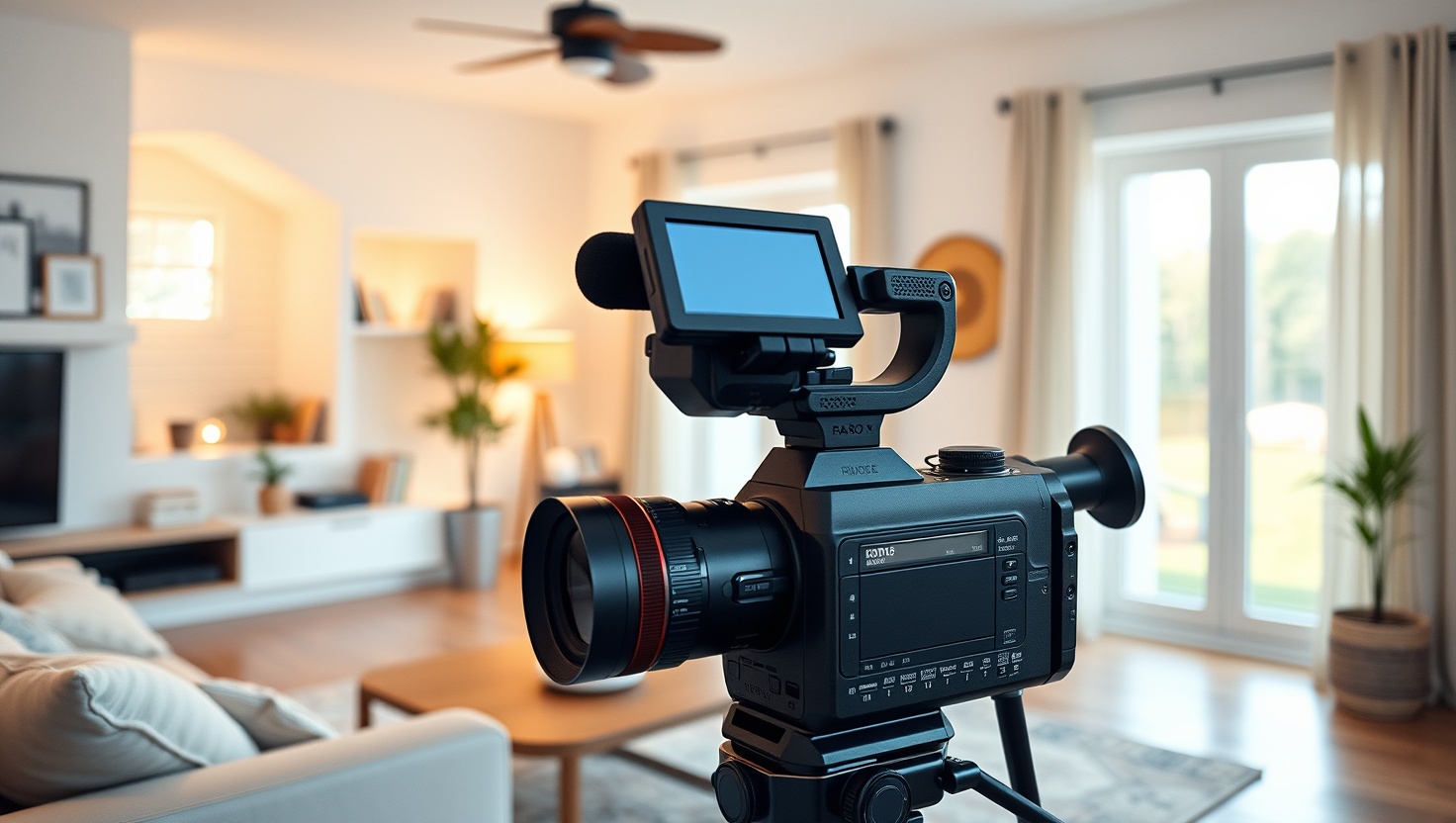
Your phone quits filming right when it matters, zoomed-in and blurry with a dead battery. A dedicated camcorder never leaves you stranded.
Panasonic Camcorder — Top Pick
With sharp 4K video, a long optical zoom, all-day battery, and handling simple enough to film one-handed, the Panasonic Camcorder is the best all-around camera for capturing events and family life in 2026.
In a hurry? That's our pick. Want the reasoning and the full comparison? Keep reading.
There is a moment every parent, coach, and creator knows too well. The recital hits its big finish, the winning goal flies in, the band walks on stage, and you lift your phone only to watch a grainy digital zoom fall apart, the storage warning pop up, or the battery die mid-clip. Phones are miracles, but they were never built to film a two-hour event from the back of a hall. A dedicated camcorder was.
In 2026 the humble camcorder still does things no phone or mirrorless camera can touch: a long optical zoom that reaches the far side of a stadium, a battery that films all day, record times measured in hours instead of minutes, and a comfortable grip you can actually hold steady. Below you get the four camcorders worth your money right now, plus a plain-English breakdown of optical zoom, stabilization, sensor size, mic input, and 4K versus 1080p so you buy the right one the first time.
Key Takeaways
- A camcorder's real superpower is long optical zoom, which reaches far without the mushy quality of a phone's digital zoom.
- For most people filming events and family life, the Panasonic Camcorder is our top pick: sharp 4K, easy handling, and reliable all-day recording.
- Need to reach the back of a huge venue? The Canon Vixia Camcorder's long optical zoom is the one to beat.
- Filming handheld and on the move? The Sony Handycam's optical image stabilization keeps your footage smooth.
- Recording concerts or your own music? The Zoom Q Video Recorder pairs great video with genuinely great audio.
Why a Camcorder Still Beats Your Phone for Real Events
Start with zoom, because it is the single biggest reason to own a camcorder. Your phone uses digital zoom, which just crops and enlarges the picture, so the further you push it the softer and blockier your footage gets. A camcorder uses optical zoom, real glass that moves to magnify the subject with no loss in quality. That means you can sit in row twenty and fill the frame with your kid on stage, or track a runner down the far touchline, and still get sharp, usable video. Nothing in a phone or a typical mirrorless kit lens comes close to the reach a camcorder gives you.
Then there is the boring stuff that quietly wins the day: battery and record time. A camcorder is built to film, not to also handle calls, texts, and a dozen background apps, so its battery lasts through an entire recital, game, or ceremony, and you can carry a spare that swaps in seconds. Record times run for hours, not the short clips phones cap out at, and you are not fighting a storage-full warning halfway through. Add a comfortable grip and a flip-out screen you can angle for high or low shots, and you get a tool designed from the ground up to capture long events without letting you down.
Finally, think about sound and control. Most camcorders include an external microphone input, so you can clip on a shotgun or lav mic and capture clear speech and music instead of the muddy, echoey audio phones grab from across a room. The physical zoom rocker, dedicated record button, and easy one-handed handling mean you stay focused on the moment instead of tapping at a slippery glass screen. For events, sports, family life, and even livestreaming, that purpose-built simplicity is exactly why the camcorder refuses to die.
How to Read a Camcorder Spec Sheet (Without Getting Fooled)
First, separate optical zoom from digital zoom on the box. Marketing loves to shout a huge digital-zoom number, but only the optical figure matters for quality. A camcorder advertising a long optical zoom will genuinely reach far while staying sharp, whereas anything past the optical limit is just cropping. Look for the optical number, ignore the inflated digital one, and match the reach to how you film. Big venues and sports need more; a living room and small stages need less.
Next, weigh resolution against low light. 4K captures four times the detail of 1080p, so it looks crisper on big screens and lets you crop in later without falling apart. That said, a camcorder's sensor is usually smaller than a mirrorless camera's, which limits how it performs in dim rooms, so a dark auditorium can look noisier than you expect. If you mostly film well-lit events and daytime activities, 4K is a clear win. If most of your filming happens in low light, prioritize a model known for cleaner dim-room footage over chasing the highest resolution.
Last, check stabilization and mic input, the two features that most affect how watchable your footage feels. Optical image stabilization physically counteracts your hand shake, which is far more effective than software wobble-fixing, especially when you are zoomed in and every tremor gets magnified. If you film handheld and on the move, treat strong optical stabilization as essential. An external mic input matters just as much for anything with sound that counts, from speeches to concerts, because clean audio is what separates a keepsake from an unwatchable clip.
Quick Comparison
| Product | Best For | Zoom | Strength | Audio |
|---|---|---|---|---|
| Panasonic Camcorder | Overall pick | Long optical zoom | 4K + easy handling | Mic input |
| Canon Vixia Camcorder | Reaching far | Extra-long optical zoom | Zoom + clean detail | Mic input |
| Sony Handycam | Handheld filming | Long optical zoom | Optical stabilization | Mic input |
| Zoom Q Video Recorder | Musicians | Fixed wide lens | Studio-grade audio | Built-in pro mics |
1. Panasonic — Best Overall
Panasonic Camcorder
The Panasonic Camcorder is the one we hand to almost anyone who asks. It nails the balance most people actually need: sharp 4K video that looks great on a big TV, a long optical zoom that reaches across a hall or field, and handling so simple you can film a whole event one-handed without thinking about settings. Point it, hit record, and it just works, which is exactly what you want when the moment only happens once.
The details are what make it a keeper. A comfortable grip and a flip-out screen let you shoot from high, low, or waist level without straining, all-day battery life carries you through recitals and games, and the external mic input means you can add clear audio when it counts. It films long stretches without a storage panic and holds up trip after trip. If you want one camcorder that quietly handles everything from birthdays to school plays, this is it.
Pros
- Sharp 4K video that looks great on large screens
- Long optical zoom that reaches far without losing detail
- Simple one-handed handling with a helpful flip-out screen
- All-day battery and long record times for full events
- External mic input for clearer speech and music
Cons
- Smaller sensor limits low-light performance in dark rooms
- 4K files take up more storage than 1080p
- Not as pocketable as filming with your phone
2. Canon Vixia — Best Zoom
Canon Vixia Camcorder
When the action is far away, the Canon Vixia Camcorder is hard to beat. Its standout is reach: an extra-long optical zoom that pulls a distant stage, field, or pulpit right into the frame while keeping the image clean, no mushy digital cropping. If you regularly film from the back of a large auditorium, a stadium, or across a wide sports pitch, this is the camcorder that closes the distance for you.
It backs that reach up with the fundamentals you need to use it well. A smooth zoom rocker lets you glide in and out without jerky jumps, the grip keeps you steady as you push toward the long end, and an external mic input captures cleaner sound from afar. Canon's Vixia line has long been a trusted name for family and event filming, and this model earns that reputation by making faraway moments feel close.
Pros
- Extra-long optical zoom that reaches across huge venues
- Clean detail even at the far end of the zoom range
- Smooth zoom rocker for gliding, professional-looking pushes
- Comfortable grip that keeps distant shots steady
- External mic input for clearer audio at a distance
Cons
- Long zoom magnifies hand shake, so a tripod helps
- Smaller sensor struggles more in dim lighting
- Larger reach means a slightly bulkier body
3. Sony Handycam — Best Stabilization
Sony Handycam
If you film handheld and rarely stand still, the Sony Handycam makes the case. Its optical image stabilization physically counteracts your movement, so footage stays smooth even when you are walking alongside the action, following kids around the yard, or shooting one-handed at a busy event. That matters most when you zoom in, because every small tremor gets magnified, and this is where the Handycam's stabilization really shows its worth.
The rest of the package supports that run-and-gun style. A long optical zoom brings the subject close, the grip and flip screen make one-handed shooting comfortable, and an external mic input keeps your audio clean. Sony's Handycam name is practically shorthand for home video for good reason, and this model carries it forward for anyone who wants steady, watchable footage without lugging a tripod everywhere.
Pros
- Excellent optical image stabilization for smooth handheld video
- Keeps footage steady even when zoomed in
- Long optical zoom for reaching distant subjects
- Comfortable one-handed handling with a flip screen
- External mic input for clearer sound
Cons
- Smaller sensor limits performance in low light
- Stabilization helps but cannot fully replace a tripod
- Bigger and less pocketable than a phone
4. Zoom Q — Best for Musicians
Zoom Q Video Recorder
For musicians and anyone who films performances, the Zoom Q Video Recorder solves the problem every other camera ignores: sound. Zoom built its name on audio recorders, and this device pairs solid video with genuinely studio-grade built-in microphones that capture loud, dynamic music cleanly, without the distortion and mush that wrecks concert clips on phones and standard camcorders. Record a rehearsal, a live set, or your own playing, and the audio actually sounds like the room.
It plays to a different strength than the others here. Instead of a long zoom, it uses a wide fixed lens ideal for capturing a whole performance up close, and it doubles as a serious audio recorder for your projects. If your priority is music, whether you are filming gigs, posting covers, or documenting the band, the Zoom Q gives you the one thing a great performance video cannot fake: great sound.
Pros
- Studio-grade built-in mics that handle loud music cleanly
- Captures concert and performance audio far better than phones
- Wide fixed lens ideal for filming full performances up close
- Doubles as a standalone high-quality audio recorder
- Compact and easy to set up for gigs and covers
Cons
- No long optical zoom for reaching distant subjects
- More specialized than an all-purpose event camcorder
- Smaller sensor limits low-light video quality
Which Should You Choose?
Pick the Panasonic if you want one camcorder for everything
If you film a mix of events, family life, and everyday moments and you want a camera that just works, the Panasonic Camcorder is the clearest choice. Its sharp 4K, long optical zoom, and dead-simple handling cover recitals, games, birthdays, and holidays without fuss, and the all-day battery and mic input mean you are ready whenever the moment arrives. It is the best all-around balance of reach, quality, and ease on this list.
Pick the Canon Vixia or Sony Handycam if reach or steadiness rules
Filming from the back of a huge venue or across a big field? The Canon Vixia Camcorder's extra-long optical zoom pulls faraway action right into the frame while keeping it sharp. Shooting handheld and always on the move? The Sony Handycam's optical image stabilization keeps your footage smooth even when you zoom in. Both are excellent when one specific need drives your buying decision.
Pick the Zoom Q if music and sound come first
Some creators care more about audio than about zoom, and for them the Zoom Q Video Recorder is the answer. Its studio-grade built-in mics capture loud, dynamic performances cleanly, so concerts, rehearsals, and covers actually sound good. It trades the long zoom of the others for a wide lens and pro audio, and that is the right trade if filming music is your main goal.
Ready to Capture Every Moment That Matters?
The Panasonic Camcorder gives you real optical zoom, all-day battery, and sharp 4K video in a camera built to film long events without letting you down. Check current pricing and see why it tops our 2026 list.
Explore Brainstamped's Free ToolsFrequently Asked Questions
For most people, the Panasonic Camcorder is the best camcorder in 2026. It combines sharp 4K video, a long optical zoom, all-day battery, and dead-simple one-handed handling, which makes it excellent for events, sports, and family life. If you need to reach farther in big venues, the Canon Vixia Camcorder is the top alternative.
A camcorder gives you a long optical zoom that stays sharp, a battery that films all day, record times measured in hours, and a comfortable grip you can hold steady. It also usually includes a mic input for clearer audio. Phones rely on quality-killing digital zoom, run their battery down fast, and cut long clips short, which is exactly what fails you at events.
4K captures four times the detail of 1080p, so it looks crisper on big screens and lets you crop in later without falling apart. For well-lit events and daytime filming, 4K is a clear win. Just remember that camcorder sensors are smaller than mirrorless ones, so in very dim rooms a model known for clean low-light footage can matter more than raw resolution.
It is very important if you film handheld. Optical image stabilization physically counteracts your hand shake, which is far more effective than software fixes, especially when you zoom in and every tremor gets magnified. The Sony Handycam leads here, but even then a tripod still helps for long, static shots like a full recital or ceremony.
Yes. Many camcorders connect for livestreaming and handle long record times well, which suits streaming events. For concerts, audio is the challenge, and a mic input or built-in pro mics make the difference. The Zoom Q Video Recorder is purpose-built for music with studio-grade mics, while the others pair well with an external microphone for clean sound.