
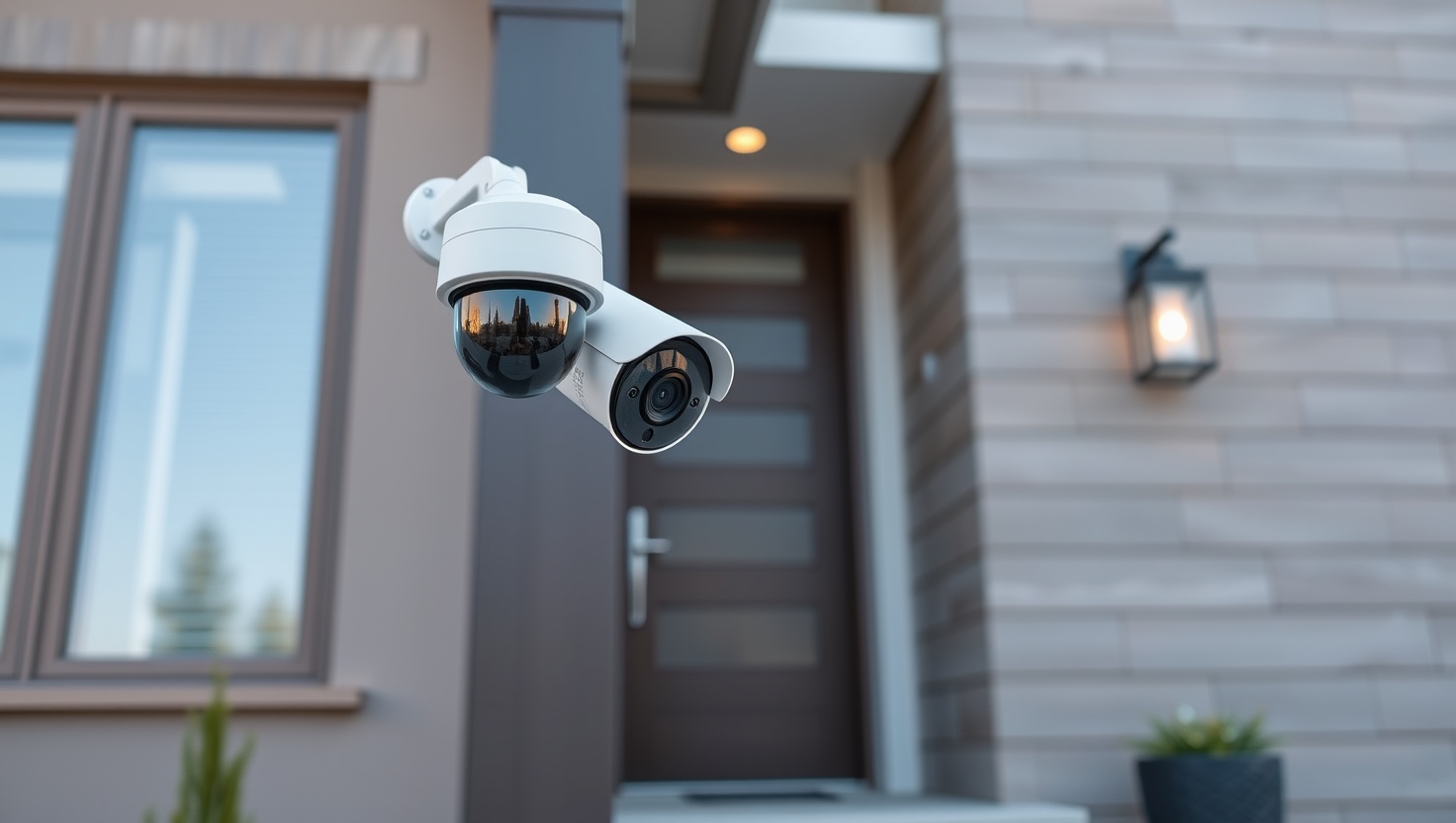
You want footage that stays smooth when your life gets bumpy. In 2026, two action cameras fight for that job, and only one fits you best.
GoPro — Top Pick
With class-leading stabilization, the deepest mounting ecosystem in the business, and rugged all-round versatility, the GoPro is the best action camera for capturing nearly any adventure smoothly in 2026.
In a hurry? That's our pick. Want the reasoning and the full comparison? Keep reading.
For years the choice was simple: you bought a GoPro and that was that. Now DJI's Osmo Action lineup has grown up fast, and it genuinely challenges GoPro on stabilization, low-light, battery life, and price. The gap has narrowed to the point where the honest answer to 'which one' actually depends on how and where you shoot, not just which brand shouts loudest.
The tricky part is that spec sheets blur together. Both cameras shoot crisp high-frame-rate video, both stabilize like a gimbal, both survive water and dust. So the real decision hides in the details: how each one handles a dark room, how long the battery lasts on a cold morning, how easy it is to swap between a helmet, a chest strap, and a selfie stick. Below you get the four action cameras worth your money right now, plus a plain-English breakdown of stabilization, resolution, low-light, front screen, battery, waterproofing, and mounts so you buy the right one the first time.
Key Takeaways
- An action camera's real value comes from stabilization plus the mounting ecosystem around it, not just its top resolution number.
- For the best all-round mix of stabilization, mounts, and versatility, the GoPro is our top pick and overall winner.
- Want stronger low-light footage and longer battery life for the money? The DJI Osmo Action is the runner-up to beat.
- Shooting 360 or building a modular rig? The Insta360 Action gives you angles the others can't touch.
- On a tight budget but still want solid footage? The AKASO Action delivers the most camera for the least money.
How to Read an Action Camera Spec Sheet (Without Getting Fooled)
Start with stabilization, because it does the most to make your footage watchable. Both GoPro and DJI Osmo Action use in-body electronic stabilization that smooths out shakes so well the result looks like it came off a gimbal. On paper they trade blows, but in practice the difference shows up at the edges: how each handles a hard landing, a running stride, or a shaky handlebar. A camera that stabilizes beautifully in daylight but wobbles in dim light will let you down exactly when you need it. So do not just read that a camera 'has stabilization', read how it holds up in the conditions you actually shoot.
Next comes resolution and frame rate. Both flagships shoot up to 4K at high frame rates, with 5.3K available for extra crop room and 120fps or faster for buttery slow motion. The number that matters most for you is not the highest mode, it is the mode you will actually use every day. If you post to phones, 4K at 60fps covers almost everything and gives you crisp, smooth motion with room to reframe. Chasing 5.3K sounds impressive, but it eats storage and battery, so weigh it against how often you truly need that extra detail.
Then look at low-light and the front screen. Action cameras have tiny sensors, so dim scenes are where they struggle most, and this is where DJI has built a real edge with a larger sensor that pulls in more light for cleaner night and indoor footage. The front-facing screen matters too if you vlog or shoot yourself: a bright, usable front display lets you frame your shot without guesswork. Both brands offer one, but the size and clarity differ, so if you talk to camera a lot, that screen is not a gimmick, it is your viewfinder.
Battery, Waterproofing, and Mounts: The Stuff Reviews Skip
Battery life decides whether you catch the moment or watch it die on a spinning icon. Action cameras run hard, and small batteries drain fast, especially in the cold or at high resolutions. DJI Osmo Action has earned a strong reputation here, often outlasting its GoPro rival on a single charge, which matters on a long day out when swapping batteries with cold fingers is the last thing you want. Whichever you pick, carry spares and judge real-world runtime, not just the headline minutes, because high frame rates and low temperatures cut those numbers quickly.
Waterproofing and mounts are where 'goes anywhere' gets real. Both cameras dive several meters deep without a case, so pool, surf, and rain shots are fair game straight out of the box. The bigger long-term difference is the mounting ecosystem. GoPro's mount standard has been the industry benchmark for years, so the world of helmet mounts, chest harnesses, clamps, and selfie sticks is vast and easy to find, and DJI cleverly made its cameras compatible with much of it. If you already own mounts or want the widest choice of accessories, that ecosystem is a quiet but real advantage. Finally, think about your whole kit: a camera that snaps quickly between a helmet, a bike, and a handheld pole is one you will actually use, not one that stays in the bag.
Quick Comparison
| Product | Best For | Stabilization | Strength | Battery |
|---|---|---|---|---|
| GoPro | Overall pick | Class-leading, gimbal-smooth | Mounts + versatility | Good |
| DJI Osmo Action | Low-light + value | Excellent, gimbal-smooth | Low-light + battery | Excellent |
| Insta360 Action | 360 + modular | Strong, reframe-friendly | 360 capture + angles | Good |
| AKASO Action | Best value | Decent for the price | Footage per dollar | Fair |
1. GoPro — Best Overall
GoPro
The GoPro is the action camera we hand to almost anyone who asks. It threads the needle better than anything else in 2026: class-leading stabilization that makes even chaotic footage look gimbal-smooth, sharp video up to 5.3K with room to reframe, and the deepest mounting ecosystem in the business. Whatever you strap it to, a helmet, a chest, a handlebar, a selfie stick, there is a mount for it, and that versatility is exactly what makes it the safe, smart default.
That mount standard is a quiet superpower. Years of being the industry benchmark mean accessories are everywhere and cheap to find, so your camera adapts to whatever you shoot next without hunting for oddball parts. Pair that with rugged waterproofing, a usable front screen for framing yourself, and reliable stabilization across conditions, and you have one camera that does nearly everything well. If you want the do-it-all action cam that fits every adventure, this is it.
Pros
- Class-leading stabilization that looks gimbal-smooth in almost any conditions
- Sharp video up to 5.3K with plenty of room to crop and reframe
- The widest, most affordable mounting ecosystem you can buy
- Waterproof out of the box for pool, surf, and rain
- Excellent all-rounder for the widest range of adventures
Cons
- Low-light footage trails DJI's larger-sensor rival
- Battery life is good but not the best in this matchup
- Premium build and ecosystem come at a premium price
2. Osmo Action — Best Low-Light & Value
DJI Osmo Action
The DJI Osmo Action makes its case the moment the sun goes down. A larger sensor pulls in more light, so night rides, dim interiors, and moody sunset shots come out cleaner and less noisy than its GoPro rival manages. Stabilization is right there in the same class, gimbal-smooth and dependable, and a dual front-and-rear screen makes framing yourself effortless whether you vlog or shoot to camera on the move.
The other headline is endurance. DJI's batteries have earned a reputation for lasting longer on a charge, which means fewer swaps on a long day and more footage captured before you scramble for a spare. It also tends to cost less than the GoPro flagship while cleverly staying compatible with much of GoPro's mount world, so you get strong value without giving up accessories. If your shooting leans into low light and long days, the Osmo Action is the smart pick.
Pros
- Larger sensor delivers cleaner, less noisy low-light footage
- Excellent, gimbal-smooth stabilization on par with the best
- Strong battery life that outlasts many rivals on a charge
- Dual front-and-rear screens make framing yourself easy
- Great value that undercuts the flagship while staying mount-compatible
Cons
- Mounting ecosystem is smaller than GoPro's, though compatible with much of it
- Top resolution ceiling trails GoPro's highest mode
- Software and app polish can feel a step behind GoPro's
3. Insta360 — Best for 360 & Modular
Insta360 Action
Want angles the others simply cannot capture? The Insta360 Action was built for you. Its 360 and modular approach lets you film everything around you at once, then reframe the shot afterward in the app, so you never miss the action by pointing the camera the wrong way. That 'shoot first, frame later' workflow unlocks creative moves, invisible-selfie-stick orbits, dramatic follow shots, that a fixed-lens camera just can't do.
Beyond the 360 tricks, the modular design and strong reframe-friendly stabilization make it a genuinely flexible tool for creators who like to experiment. The editing takes a little more effort since you shape the final frame in software, but the payoff is footage that stands out in a feed full of standard action clips. If your priority is creativity and unique perspectives rather than the simplest point-and-shoot, the Insta360 Action is the one that opens doors.
Pros
- 360 capture lets you reframe any shot after you film it
- Modular design adapts to creative rigs and mounts
- Strong stabilization that holds up when you reframe
- Unique perspectives that make footage stand out
- Invisible-selfie-stick effect for dramatic follow shots
Cons
- 360 editing takes more time and effort in software
- Less of a simple grab-and-go than a fixed-lens action cam
- Reframed resolution can trail a dedicated 4K flat shot
4. AKASO — Best Value
AKASO Action
The AKASO Action is the smart-money pick. It captures sharp 4K video and decent stabilization for far less than the flagships, which makes it the easy recommendation when you want real action footage without a big spend. For a first action camera, a backup, or a knockaround cam you won't panic about scratching, it delivers a lot of the experience at a fraction of the cost.
You give up some polish. The stabilization is not quite as glassy as GoPro or DJI, low-light footage is softer, and the app and ecosystem are more basic. But you keep the part that matters most: usable, shareable footage from a waterproof, mountable camera. If your budget is tight and you would rather put your money toward the adventure than the gear, the AKASO Action stretches every dollar further than the big names.
Pros
- Outstanding price-to-performance for a 4K action camera
- Captures sharp, shareable footage that punches above its price
- Waterproof and mountable for pool, trail, and rain
- A low-risk first or backup camera you won't fear scratching
- Bundles often include mounts and spare batteries for great value
Cons
- Stabilization is not as glassy as GoPro or DJI
- Low-light footage is softer and noisier than the flagships
- App and accessory ecosystem are more basic
Which Should You Choose?
Pick the GoPro if you want one camera for everything
If you shoot a bit of everything and want the safest, most versatile choice, the GoPro is the clearest pick. Its class-leading stabilization keeps footage smooth across conditions, and its unmatched mounting ecosystem means it adapts to whatever you strap it to next. For most people who want a do-it-all action camera that just works, this is the best balance of performance, versatility, and accessories on this list.
Pick the DJI Osmo Action if low-light and battery rule
Shooting a lot in dim light, at night, or across long days? The DJI Osmo Action gives you a larger sensor for cleaner low-light footage and a battery that outlasts many rivals on a charge. It stabilizes right up there with the best, usually costs less than the GoPro flagship, and still works with much of GoPro's mount world. If low-light quality and endurance are your priorities, that is a smart trade.
Pick Insta360 or AKASO if you want angles or value
Want creative perspectives and the freedom to reframe after you shoot? The Insta360 Action's 360 and modular design captures angles a fixed lens can't touch. Watching your budget but still want solid footage? The AKASO Action delivers the most camera for the least money. Both step outside the GoPro-versus-DJI fight, and either is a genuinely smart way to match your camera to how you actually create.
Ready to Capture Your Adventures Smoothly?
The GoPro gives you gimbal-smooth stabilization, sharp high-resolution video, and a mounting ecosystem that fits everything you own. Check current pricing and see why it wins our GoPro vs DJI Osmo Action matchup for 2026.
Explore Brainstamped's Free ToolsFrequently Asked Questions
For most people, the GoPro is the better all-round action camera in 2026. It pairs class-leading stabilization with the widest mounting ecosystem, so it adapts to almost any adventure. That said, the DJI Osmo Action is the top alternative and often the smarter buy if you shoot in low light or need longer battery life, thanks to its larger sensor and strong endurance.
The DJI Osmo Action generally has the edge in low light. Its larger sensor pulls in more light, so night rides, dim interiors, and sunset shots come out cleaner and less noisy than a GoPro manages. Action cameras all have small sensors, so none are perfect after dark, but if low-light quality matters most to you, the Osmo Action is the one to lean toward.
In many cases, yes. GoPro's mount standard is the industry benchmark, and DJI cleverly designed the Osmo Action to work with much of that ecosystem, often via an included or affordable adapter. That means you can share helmet mounts, chest harnesses, clamps, and selfie sticks between the two, which makes switching or building a kit far easier than it used to be.
The DJI Osmo Action has earned a strong reputation for battery life, frequently outlasting its GoPro rival on a single charge. Real-world runtime still drops with high frame rates and cold weather, so carry spares whichever camera you choose. If long days without swapping batteries matter to you, the Osmo Action is the safer bet for endurance.
For the right buyer, absolutely. The AKASO Action captures sharp 4K video and decent stabilization for far less than the flagships, making it a great first camera, backup, or knockaround cam. You give up some stabilization polish, low-light quality, and app refinement, but you keep usable, shareable footage from a waterproof, mountable camera, and the savings are large.