
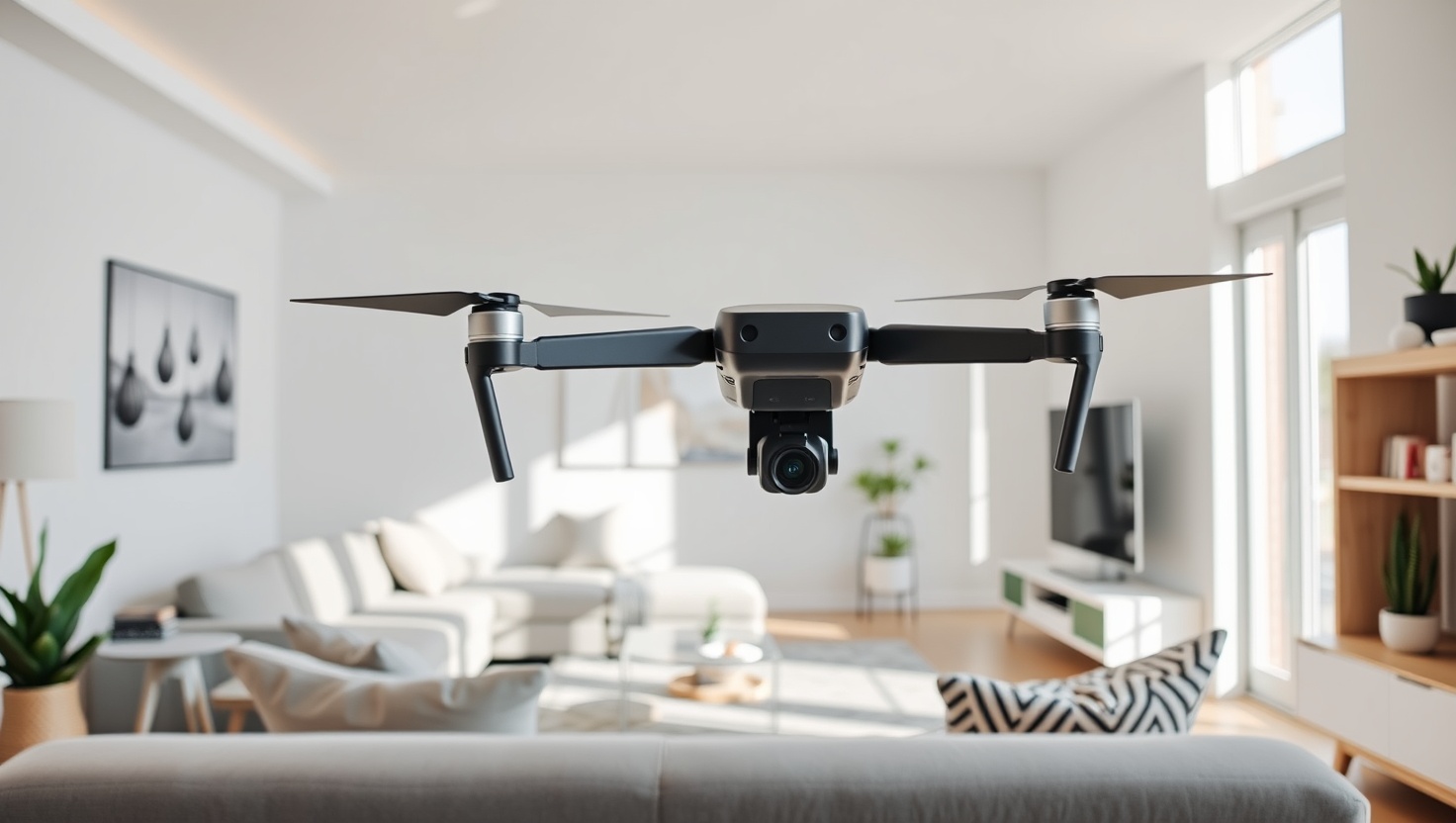
You want those swooping, dive-through-a-doorway FPV shots without spending months learning to solder and tune a custom rig. The DJI Avata is built for exactly that.
DJI Avata — Top Pick
With built-in prop guards, a stable HD goggle feed, and an intuitive motion controller, the DJI Avata makes cinematic FPV flying genuinely accessible. It is the best pick for creators who want the immersive look without building a rig from scratch.
In a hurry? That's our pick. Want the reasoning and the full comparison? Keep reading.
FPV flying used to be a gatekept hobby. To get the cinematic through-shots that fill your feed, you had to build a drone from parts, tune it, learn a twitchy controller, and accept that you would crash a lot before you got anything usable. The DJI Avata rewrote that story. It is a ready-to-fly cinewhoop with built-in prop guards, a crisp HD feed to the goggles, and a motion controller so intuitive that first-timers pull off buttery shots on day one.
But no drone is perfect, and a good review says so. The Avata's flight time is short, the goggles and controller add real cost on top of the drone itself, and like every drone in its class it comes with rules: you may need to register with the FAA and you are expected to keep it within your line of sight. Below we break down what the Avata nails, where it falls short, and three alternatives worth considering if speed, freestyle, or a gentle learning curve matters more to you.
Key Takeaways
- The DJI Avata is our top pick: prop guards, a stable HD feed, and a beginner-friendly motion controller make cinematic FPV genuinely accessible.
- Its biggest weaknesses are short flight time and the added cost of goggles and a controller, which are essential to fly it.
- Want raw speed and a more traditional FPV feel? The DJI FPV drone flies faster and covers more ground.
- Chasing acrobatic freestyle and full manual control? A custom rig like the iFlight Nazgul gives you room to grow.
- New to the hobby and worried about crashes? A tiny BetaFPV drone lets you learn cheaply indoors before you commit.
What the Avata Nails: Agility, Prop Guards & Cinematics
The Avata is a cinewhoop, and that design choice is the whole point. Built-in prop guards wrap the propellers so you can fly close to walls, dive through doorways, and skim past people without a bare blade turning a bump into a disaster. That confidence changes how you shoot. You stop treating every obstacle as a threat and start using them as part of the shot, threading gaps and pulling off proximity flying that a naked freestyle drone would punish. Indoors, that guarded frame is the difference between a usable clip and a hole in the wall.
Agility is the second win. The Avata is small, light, and quick to react, so it carves smooth arcs and tight turns that read as cinematic rather than frantic. The HD video transmission to the goggles is stable and low-latency, which means what you see is what the drone sees, in real time, with almost no lag. That immersive feed is why FPV footage feels so different from a standard camera drone: you are not watching from above, you are inside the flight. Paired with the motion controller, you steer by tilting your hand, and the drone banks with you. Beginners get shots on their first battery that would take weeks to learn on a manual FPV stick controller.
The onboard camera stabilizes footage well enough for social-ready clips straight off the card, and DJI's software smooths out the rest. Add solid build quality that shrugs off the light knocks that come with learning, and you have a drone that lowers the barrier to a style of flying that used to demand real technical commitment. For a creator who wants the look without the workshop, the Avata delivers.
The Downsides + How the Alternatives Compare
Now the honest part. Flight time is short. You get roughly a battery's worth of real flying before you swap, which in practice means buying spare batteries and planning your shots so you are not landing mid-move. It is the single biggest day-to-day frustration, and no amount of clever flying gets around physics. Budget for extra batteries from the start and the sting fades, but know it going in.
Cost is the second catch. The drone alone is only part of the price. You need the goggles to see the feed and a controller to fly, and those add up fast. The Avata is best bought as a full kit rather than piecing it together, and that kit price is higher than the drone's headline number suggests. It is fair value for what you get, but do not be surprised when the full setup costs more than a comparable camera drone.
There are rules, too, and they apply to every drone here. Depending on where you live you may need to register your drone with the FAA, and you are generally expected to keep it within your visual line of sight while flying. The immersive goggles make that easy to forget, so many pilots fly with a spotter beside them. None of this is a dealbreaker, but responsible flying keeps the hobby open for everyone.
As for the field: the DJI FPV drone is the pick if you crave speed and range, flying faster and farther than the Avata with a more traditional FPV feel. A custom rig like the iFlight Nazgul opens the door to acrobatic freestyle and full manual control, at the price of a steep learning curve and real tuning work. And a tiny BetaFPV drone is the smart, low-cost way to learn the sticks indoors before you invest in a flagship. The Avata still wins for most creators because it makes great footage easy, but the right alternative depends on what you actually want to fly.
Quick Comparison
| Product | Best For | Control | Strength | Learning Curve |
|---|---|---|---|---|
| DJI Avata | Reviewed flagship | Motion controller | Prop guards + easy cinematics | Gentle |
| DJI FPV | Speed | FPV or motion controller | Fast, long range | Moderate |
| iFlight Nazgul | Freestyle | Full manual FPV | Acrobatic power | Steep |
| BetaFPV Drone | Beginners | FPV controller | Cheap, safe indoors | Easy to start |
1. DJI Avata — The Reviewed Flagship
DJI Avata
The Avata is the FPV drone we recommend to almost anyone who wants the immersive, dive-through-the-scene look without building a rig from scratch. Its built-in prop guards let you fly close to walls, people, and obstacles with confidence, so you can shoot the proximity moves that make FPV footage feel alive. Add a stable HD feed to the goggles and an intuitive motion controller, and beginners land usable, cinematic clips on their very first flights.
It is not flawless. Flight time is short, so plan on spare batteries, and the goggles and controller push the full-kit price above the drone's sticker. You should also register with the FAA where required and keep the drone in your line of sight. But if your goal is great FPV footage with the least friction, nothing here matches the Avata's blend of agility, safety, and ease. It is the flagship for a reason.
Pros
- Built-in prop guards make proximity and indoor flying far safer
- Motion controller lets beginners get cinematic shots on day one
- Stable, low-latency HD feed to the goggles for true immersion
- Agile cinewhoop design carves smooth, film-ready arcs
- Solid build quality that survives the knocks of learning
Cons
- Short flight time means you will buy and swap spare batteries
- Goggles and controller add real cost on top of the drone
- Requires FAA registration where applicable and line-of-sight flying
2. DJI FPV — Best for Speed Alternative
DJI FPV
If the Avata's gentle cinewhoop character leaves you wanting more speed, the DJI FPV is the answer. It flies faster and covers more ground, with a more traditional FPV feel that rewards you as your skills grow. You still get DJI's polished HD goggle feed and the option of the beginner-friendly motion controller, so the on-ramp stays reasonable even though the ceiling is much higher.
The trade-offs are size and forgiveness. The FPV drone is larger and does not carry the Avata's built-in prop guards, so tight indoor proximity flying is riskier. But for open-air sweeps, fast chase shots, and covering distance, it simply has more in the tank. Pick it when velocity and range matter more than squeezing through a doorway.
Pros
- Noticeably faster with longer effective range than the Avata
- More traditional FPV feel that scales with your skill
- Sharp, low-latency HD feed through DJI goggles
- Motion controller option keeps beginners in the game
- Great for open-air sweeps and fast chase footage
Cons
- Larger and less suited to tight indoor proximity flying
- No built-in prop guards, so crashes hit harder
- Same FAA registration and line-of-sight rules apply
3. iFlight Nazgul — Best Freestyle Alternative
iFlight Nazgul
For pilots who want to flip, roll, and dive with total control, the iFlight Nazgul is built for freestyle. It hands you full manual flight, serious power, and the ability to tune and customize the way seasoned FPV pilots do. Nothing about it is on rails, which is exactly the appeal: every move is yours, and the ceiling on what you can pull off is genuinely high.
That freedom costs you a steep learning curve. You fly on manual sticks, you will crash while you learn, and you should expect to tinker with settings and parts to get it dialed in. It is not a grab-and-go cinematic tool like the Avata. But if you want to grow into a real FPV pilot and own every input, the Nazgul is the drone that rewards the effort.
Pros
- Full manual control unlocks true acrobatic freestyle
- Strong power delivery for aggressive dives and flips
- Highly tunable and customizable as your skills grow
- A real FPV pilot's tool with a high skill ceiling
- Room to upgrade parts rather than replace the whole drone
Cons
- Steep learning curve that demands practice and patience
- Expect crashes and hands-on tuning to get it flying well
- No beginner motion controller or built-in guards
4. BetaFPV — Best Beginner Alternative
BetaFPV Drone
Before you spend flagship money, a tiny BetaFPV drone lets you learn the hobby the smart way. These small, light whoops are cheap, safe to fly indoors, and perfect for building the muscle memory that FPV flying demands. Bounce off a wall and you shrug it off rather than mourning a broken flagship. It is the low-stakes classroom for the skills you will use on bigger drones.
You are not buying this for cinematic footage. The camera and range are modest, and it is meant for practice and fun, not finished clips. But as a first step into FPV, it is hard to beat. Learn the sticks on a BetaFPV, then step up to an Avata or a freestyle rig once flying feels natural and you know the hobby is for you.
Pros
- Very affordable entry point into FPV flying
- Small and safe enough to practice indoors
- Builds real stick skills that transfer to bigger drones
- Light enough that crashes rarely cause damage
- Low-risk way to test whether the hobby is for you
Cons
- Modest camera and range, not for finished footage
- Short flight time on its small batteries
- You will outgrow it once your skills develop
Which Should You Choose?
Buy the Avata if you want cinematic FPV with the least hassle
If your goal is those immersive, dive-through-the-scene clips and you would rather fly than build and tune, the DJI Avata is the clear pick. The prop guards let you fly close with confidence, the motion controller gets you usable shots fast, and the HD goggle feed makes every flight feel like you are inside it. Budget for spare batteries and the full kit, register with the FAA where required, and you have the easiest path to great FPV footage.
Go DJI FPV for speed if velocity and range come first
Crave the rush of fast, aggressive flight and want to cover more ground? The DJI FPV drone flies faster and farther than the Avata with a more traditional FPV feel, while still offering the beginner-friendly motion controller. You give up the Avata's built-in guards and compact size, so it is less at home threading tight indoor gaps, but for open-air sweeps and chase shots it has the edge.
Go custom freestyle if you want full manual control
If you dream of flipping and diving with total command and you are willing to learn the hard way, a freestyle rig like the iFlight Nazgul is your drone. It gives you full manual sticks, raw power, and endless tunability, all with a steep learning curve and plenty of crashes along the way. For pilots who want to master FPV rather than shortcut it, that trade is well worth making.
Ready to Fly Inside Your Own Footage?
The DJI Avata gives you cinematic, immersive FPV flight with built-in prop guards and a controller anyone can pick up. Check current pricing and see why it tops our 2026 FPV list.
Explore Brainstamped's Free ToolsFrequently Asked Questions
For most creators, yes. The DJI Avata is worth it if you want cinematic FPV footage without building and tuning your own drone. Its built-in prop guards, stable HD goggle feed, and intuitive motion controller let beginners land great shots quickly. Just plan for short flight time, spare batteries, and the added cost of the goggles and controller.
Flight time is modest, so you get roughly a battery's worth of real flying before you swap. That is the Avata's biggest day-to-day limitation. The fix is simple but not free: buy a couple of spare batteries and plan your shots so you are not forced to land in the middle of a move.
In many places, yes. Depending on where you live and the drone's weight, you may need to register with the FAA before flying. You are also generally expected to keep the drone within your visual line of sight. Because the immersive goggles make that easy to forget, many pilots fly with a spotter standing beside them.
It is one of the most beginner-friendly FPV drones you can buy. The motion controller lets you steer by tilting your hand instead of mastering twitchy manual sticks, and the built-in prop guards mean a bump into a wall is rarely a disaster. Many first-timers get smooth, cinematic clips on their very first flights.
The Avata is a compact cinewhoop with built-in prop guards, tuned for safe, cinematic proximity flying and easy indoor shots. The DJI FPV drone is larger and faster, built for speed and range with a more traditional FPV feel. Choose the Avata for tight, guarded cinematic work and the DJI FPV when velocity and distance matter most.