
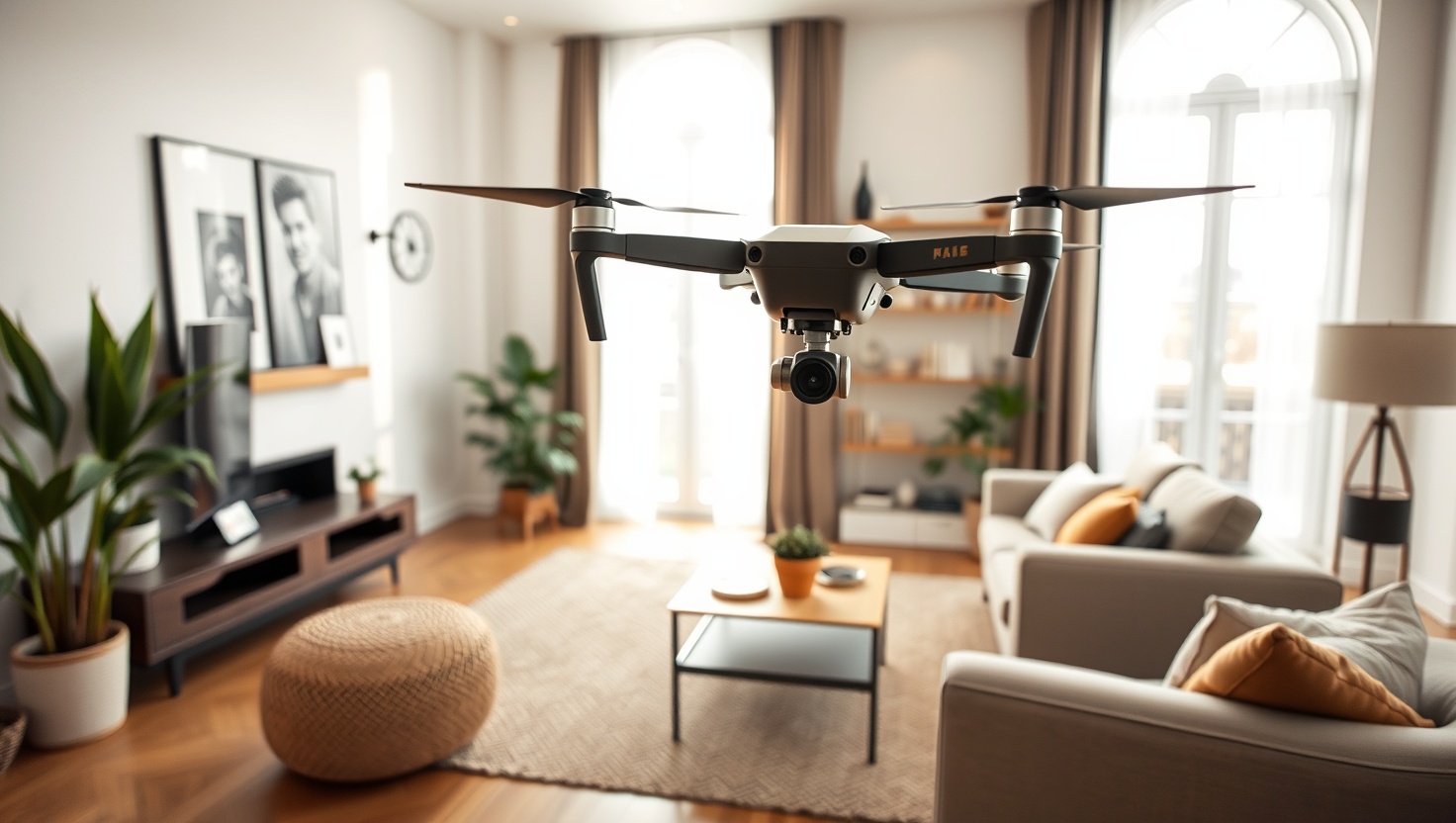
A camera drone films the world from above. An FPV drone drops you into the cockpit, so you feel every dive, roll, and rip. In 2026, that thrill is finally beginner-friendly.
DJI Avata FPV Drone — Top Pick
With prop guards, an intuitive motion controller, and a stabilized HD goggle feed, the DJI Avata delivers the full immersive FPV rush and cinematic footage while surviving your learning curve, making it the best all-around FPV drone for 2026.
In a hurry? That's our pick. Want the reasoning and the full comparison? Keep reading.
Standard camera drones hover, frame a shot, and let you tap the screen. FPV is a different sport entirely. You strap on goggles, the drone's live HD feed fills your vision, and suddenly you are flying, not filming from a distance. You bank through a tree line, punch out over a ridge, and your stomach reacts like you are really there. That immersion is the whole point, and it produces cinematic footage no camera drone can touch.
The catch is that FPV has always carried a steep learning curve and a habit of eating your money in crashes. That gap has narrowed fast. Modern digital video transmission gives you crisp, low-latency goggle feeds, prop guards and tough builds survive rookie mistakes, and free simulators let you crash a thousand times for zero cost before you ever fly for real. Below are the four FPV drones worth your money in 2026, plus a plain-English breakdown of goggles, durability, flight style, and the practice that actually gets you airborne.
Key Takeaways
- FPV means you fly through immersive goggles that show the drone's live HD feed, so you feel like you're in the cockpit, not watching from the ground.
- For most people, the DJI Avata is our top pick: prop guards, easy motion control, and cinematic footage with a gentle learning curve.
- Want raw speed and long-range punch-outs? The DJI FPV drone is the one to beat.
- Chasing acrobatic freestyle and the freedom to repair your own build? The iFlight Nazgul is made for it.
- Brand new and want to learn cheaply? A BetaFPV drone lets you practice indoors and crash without wrecking your wallet.
How FPV Drones Actually Work (And Why Goggles Change Everything)
The heart of FPV is the goggle feed. Instead of looking at a phone screen, you wear goggles that show a live video signal beamed straight from the drone's onboard camera. That first-person view is what makes flying feel like being inside the aircraft, and it is why FPV footage looks so alive: the camera goes exactly where your instincts take it. In 2026 you want digital HD transmission, not the old analog static. Digital systems deliver a sharp, clean picture with low latency, so what you see matches what the drone does in near real time. That low latency is not a luxury. When you are diving through a gap at speed, even a fraction of a second of lag is the difference between a clean line and a crash.
Next, understand flight styles, because they decide which drone fits you. A cinewhoop is a compact, prop-guarded drone built for smooth, close-proximity cinematic shots; it flies indoors, hugs subjects, and shrugs off bumps. A freestyle drone is the acrobat: light, powerful, and unguarded, built to flip, roll, and rip through tight lines with total agility. Freestyle rewards skill and punishes mistakes, so it suits pilots who want full control and don't mind rebuilding after a hard hit. Between those poles sit fast long-range rigs that trade acrobatics for speed and distance. Match the style to how you actually want to fly, and the right drone almost picks itself.
Durability, Flight Time, the Learning Curve, and the Rules
FPV drones crash. That is not a flaw, it is the sport, and the smart move is to plan for it. Prop guards on drones like the Avata protect both the props and whatever you clip, which is why guarded cinewhoops are so forgiving for new pilots. Freestyle builds skip the guards for pure performance, but they are designed to be repaired: swap a broken arm, replace a motor, solder a new part, and fly again. That self-repair ability is a genuine advantage, because a freestyle drone you can fix is a drone that keeps flying for years instead of dying on its first bad landing. Flight time is short across the category, usually well under 20 minutes per battery, so budget for several packs and treat spare batteries as essential, not optional. Note too that goggles and the controller are sometimes sold separately from the drone itself, so check exactly what is in the box before you buy.
The learning curve is real, and the answer is a simulator. Free and low-cost FPV simulators let you fly a virtual drone with a real controller and crash endlessly at zero cost. Put in the practice hours there first and you will save yourself broken props, lost drones, and a lot of frustration. Finally, fly legally. In the United States, drones above a small weight threshold must be registered with the FAA, and recreational flyers should know the basic rules: keep your drone within visual line of sight, avoid restricted airspace, and don't fly over people or near airports. Because goggles block your own view of the sky, most jurisdictions require a visual observer standing beside you to watch the drone directly. Learn your local rules before that first flight; it keeps you, and everyone around you, safe.
Quick Comparison
| Product | Best For | Flight Style | Strength | Learning Curve |
|---|---|---|---|---|
| DJI Avata FPV Drone | Overall pick | Cinewhoop, protected | Easy + cinematic | Gentle |
| DJI FPV Drone | Speed + range | Fast, long-range | High-speed punch | Moderate |
| iFlight Nazgul FPV Drone | Freestyle | Acrobatic freestyle | Agile + repairable | Steep |
| BetaFPV Drone | Beginners | Indoor + tiny whoop | Cheap to learn on | Beginner-friendly |
1. DJI Avata — Best Overall
DJI Avata FPV Drone
The DJI Avata is the FPV drone we hand to almost anyone who asks how to start. It solves the two things that scare people off the hobby: the crashes and the complexity. Built-in prop guards let it bounce off obstacles and keep flying, and DJI's motion controller lets you steer with tilts of your hand instead of wrestling twin sticks on day one. Strap on the goggles and you get that full immersive, first-person rush with a fraction of the usual risk. It is the rare FPV drone that a total beginner can enjoy on the first afternoon.
None of that comes at the cost of results. The Avata's stabilized HD feed and camera produce genuinely cinematic footage, smooth flowing shots that glide through doorways, under branches, and around subjects in ways a normal camera drone simply cannot. When you outgrow the training wheels, you can switch to full manual and unlock proper acrobatics. If you want one FPV drone that gets you flying fast, survives your learning phase, and still delivers footage you're proud of, this is it.
Pros
- Prop guards make it forgiving for beginners and safe in tight spaces
- Motion controller lets you fly intuitively from day one
- Immersive HD digital goggle feed with low latency
- Cinematic, stabilized footage that camera drones can't replicate
- Grows with you thanks to a full manual mode
Cons
- Goggles and controller are often sold separately, adding to the cost
- Short flight time per battery, so plan for spare packs
- Guarded cinewhoop design isn't built for hardcore freestyle
2. DJI FPV — Best for Speed
DJI FPV Drone
When you want to feel wind, the DJI FPV drone delivers. This is the rocket of the DJI lineup, built to accelerate hard, hit serious top speeds, and punch out over open terrain with a clean, long-range HD feed filling your goggles. The sensation of a full-speed dive down a hillside, everything rushing past your eyes, is exactly why people fall in love with this hobby, and few ready-to-fly drones deliver it this readily.
It still keeps a safety net. A normal mode with obstacle awareness lets you fly gently while you learn, then a sport and full manual mode open the throttle when you're ready. It is faster and less forgiving than the Avata, so it rewards a bit of simulator practice first. But if raw speed, distance, and that adrenaline punch-out are what you're chasing, the DJI FPV is the one to grab.
Pros
- Blistering top speed and hard acceleration for real thrills
- Strong long-range performance with a clean HD goggle feed
- Multiple flight modes ease you from beginner to full manual
- Immersive, low-latency first-person view
- Ready-to-fly speed machine straight out of the box
Cons
- Faster and less forgiving, so crashes hurt more
- Larger and less nimble than a dedicated freestyle drone
- Short flight time means carrying several batteries
3. iFlight Nazgul — Best Freestyle
iFlight Nazgul FPV Drone
The iFlight Nazgul is where FPV becomes an art form. This is a true freestyle drone, light, powerful, and endlessly agile, built to flip, roll, power-loop, and thread lines that a guarded cinewhoop would never attempt. In skilled hands it feels like an extension of your body, snapping through gaps and diving off structures with total precision. If you have watched a jaw-dropping freestyle reel and thought "I want to fly like that," this is the class of drone that does it.
The other half of its appeal is ownership. The Nazgul is designed to be repaired and tuned by you. Break an arm, fry a motor, or crack a frame, and you swap the part and fly again, often for the price of a coffee. That self-repair freedom is why freestyle pilots stay loyal to builds like this: your drone becomes a project you understand and improve, not a sealed gadget you replace. It demands real skill and simulator time, but it repays that effort with performance and freedom nothing else here matches.
Pros
- Exceptional agility for flips, rolls, and technical freestyle
- High power-to-weight ratio for explosive, precise control
- Fully repairable and tunable, so it lasts for years
- Cheap, standard replacement parts keep it flying
- The choice of serious freestyle and acrobatic pilots
Cons
- Steep learning curve that demands simulator practice first
- No prop guards, so early crashes are unforgiving
- Setup and tuning expect some hands-on technical willingness
4. BetaFPV — Best for Beginners
BetaFPV Drone
The BetaFPV drone is how a lot of pilots earn their wings. These tiny whoop-style quads are light, ducted, and tough, small enough to fly around your living room and durable enough to bounce off walls and furniture without drama. That makes them the ideal, low-cost way to practice real FPV control before you risk a pricier drone outdoors. You get genuine first-person flying and the stick skills that carry over to every drone above it on this list.
Because it is small and inexpensive, you can fly year-round, indoors, in bad weather, whenever, and crash without wincing at the cost. Pair it with a free simulator and a tiny whoop, and you build the reflexes that separate confident pilots from nervous ones. It won't punch out over a canyon or land you a cinematic masterpiece, but as an on-ramp to the hobby, nothing beats it for the money. Learn here, then move up with confidence.
Pros
- Very affordable, low-risk way to start flying FPV
- Small and durable enough to practice indoors year-round
- Ducted whoop design shrugs off crashes into walls
- Builds real stick skills that transfer to bigger drones
- Ideal companion to free simulator practice
Cons
- Limited range and power, not for outdoor speed or distance
- Camera and footage quality trail the premium picks
- You'll likely outgrow it as your skills advance
Which Should You Choose?
Pick the DJI Avata if you want immersive FPV without the pain
If you want that in-the-cockpit thrill and cinematic footage but you'd rather not spend months crashing to get there, the DJI Avata is the clearest choice. Prop guards protect it through your learning phase, the motion controller makes flying intuitive on day one, and the stabilized HD feed delivers shots a camera drone can't. It is the best balance of immersion, ease, and results on this list.
Pick the DJI FPV or iFlight Nazgul if performance is the point
Craving raw speed and long-range punch-outs over open terrain? The DJI FPV drone gives you the acceleration and top-end that make your stomach drop. Want acrobatic freestyle and a drone you can repair and tune forever? The iFlight Nazgul flips, rolls, and rips like nothing else here. Both demand simulator practice, and that is a fair trade when peak performance is your goal.
Pick the BetaFPV drone if you're brand new and want to learn cheaply
Some pilots want to master the sticks before spending real money, and that is the smart path. A BetaFPV drone lets you fly indoors, crash into the couch, and build reflexes for a fraction of the cost of the premium picks. Pair it with a free simulator and you'll graduate to a bigger drone with real confidence instead of expensive regret.
Ready to Fly Like You're Inside It?
The DJI Avata drops you into the cockpit with an immersive HD goggle feed and cinematic footage, while prop guards and easy motion control keep you flying through every rookie mistake. Check current pricing and see why it tops our 2026 FPV list.
Explore Brainstamped's Free ToolsFrequently Asked Questions
For most people, the DJI Avata is the best FPV drone in 2026. Its prop guards, intuitive motion controller, and stabilized HD goggle feed make immersive first-person flying easy to learn while still delivering cinematic footage. If you want raw speed and long range instead, the DJI FPV drone is the top alternative.
A camera drone films from a distance while you watch a phone screen and it hovers on its own. An FPV drone puts you inside the aircraft through goggles showing its live HD feed, so you actively fly it in first person. That immersion produces dynamic, cinematic footage that camera drones simply can't capture.
Yes, practically speaking. FPV flying, especially in manual mode, has a steep learning curve, and a free or low-cost simulator lets you crash a virtual drone endlessly with a real controller at zero cost. Putting in simulator hours first saves you broken props, lost drones, and a lot of frustration on your first real flights.
Not always. Some FPV drones sell the aircraft, goggles, and controller separately or in different bundle tiers, so always check exactly what's in the box before you buy. Budget for goggles and a controller if they aren't included, since you can't fly first-person without them.
In the United States, drones above a small weight threshold must be registered with the FAA, and recreational flyers should keep the drone within visual line of sight, avoid restricted airspace, and stay clear of people and airports. Because goggles block your view of the sky, many places require a visual observer beside you. Always check your local rules first.