
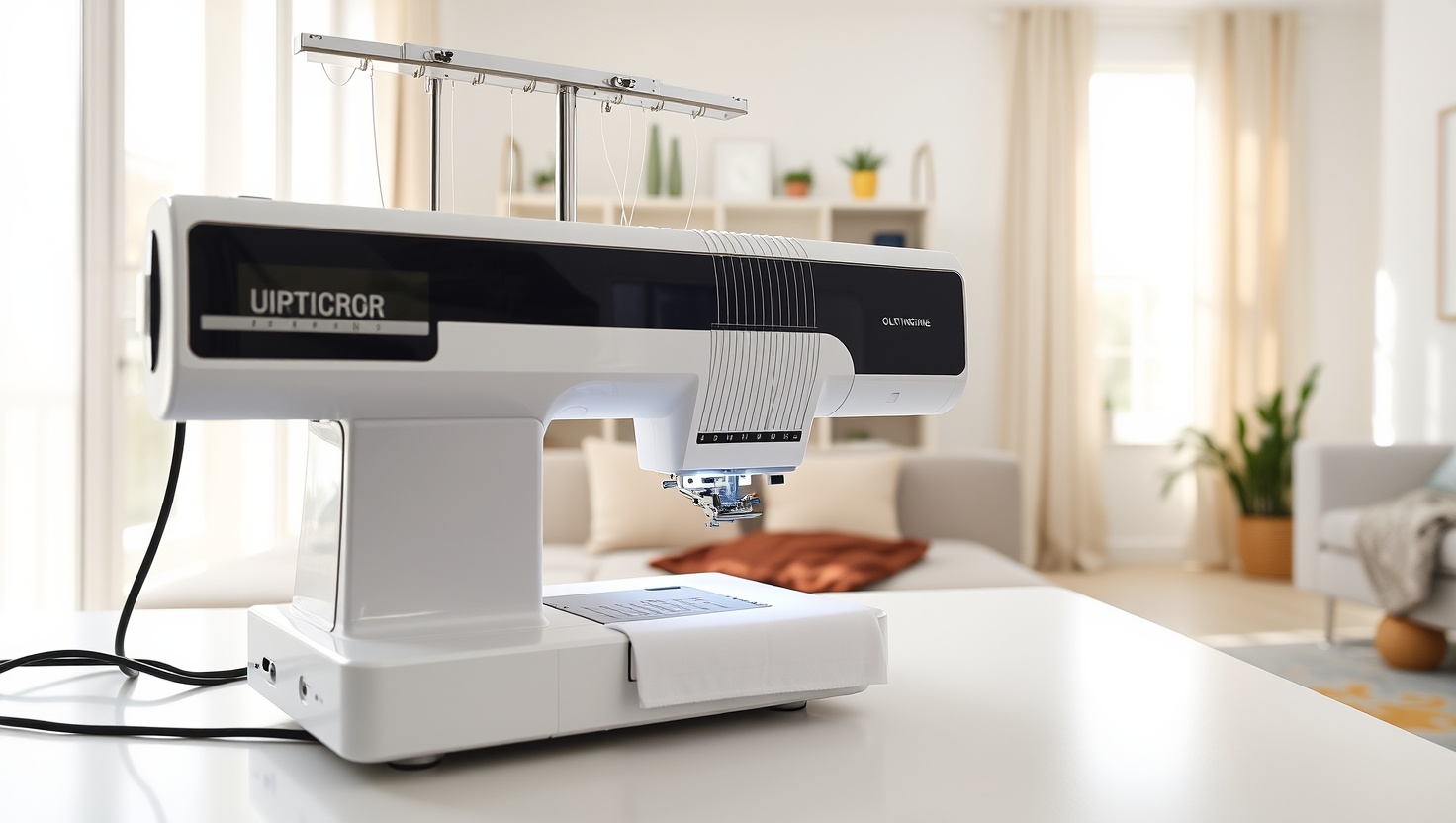
You have a design in your head and a blank shirt in your hands. In 2026, the right embroidery machine turns that idea into a finished, professional stitch-out.
Brother PE900 — Top Pick
With a generous 5 by 7 inch field, a huge built-in design library, and effortless wireless design import, the Brother PE900 is the best all-around embroidery machine for home crafters and side hustles in 2026.
In a hurry? That's our pick. Want the reasoning and the full comparison? Keep reading.
Buying your first real embroidery machine feels overwhelming because the marketing hides what actually matters. One machine boasts hundreds of built-in designs, another shouts about stitch speed, a third promises it sews and embroiders in one box. Cut through the noise and only a few things decide whether you love your machine or fight it every session: the size of the embroidery field, how easy it is to load your own designs, and whether the hardware fits the work you actually plan to do.
There is also a real fork in the road here. A single-needle machine is perfect for hobbyists and side hustles, but the moment you want to run color changes automatically and produce shirts or caps at volume, a multi-needle machine changes everything. Below you get the four machines worth your money in 2026, plus a plain-English breakdown of hoop size, built-in fonts and designs, USB and wireless import, touchscreen editing, and the hooping learning curve so you buy the right one the first time.
Key Takeaways
- The embroidery field (hoop size) is the single most important spec: it sets the largest design you can stitch in one hooping.
- For most home crafters and side hustles, the Brother PE900 is our top pick: generous field, huge built-in library, and easy wireless design import.
- Want one machine that both sews garments and embroiders? The Brother SE1900 is the best combo you can buy.
- Ready to run a real embroidery business with automatic color changes? The Janome MB-4S multi-needle is built for volume.
- Chasing the most refined build, editing, and stitch quality regardless of price? A Bernina embroidery machine is the premium answer.
How to Read an Embroidery Machine Spec Sheet (Without Getting Fooled)
Start with the embroidery field, because it decides more than any other number. The field is the largest area the machine can stitch in a single hooping, and it is set by the hoops the machine accepts. A larger field, say around 5 by 7 inches, lets you stitch bold designs on the back of a jacket or a full name across a bag without splitting the design. A smaller field forces you to re-hoop and stitch in sections, which is slower and much harder to line up. If you plan to do left-chest logos and small monograms, a modest field is fine. If you dream bigger, buy the bigger field now, because you cannot add it later.
Next, look at how you get designs onto the machine. Every machine here ships with built-in designs and fonts, which is great for monograms and quick projects. But the real power comes from importing your own artwork. Some machines take a USB stick, others connect over wireless so you can send a design straight from your computer or app. Wireless import feels like a small thing until you are ten designs deep on a busy afternoon, and then it is the feature you would never give up. Pair that with a color touchscreen for editing, so you can resize, rotate, reposition, and preview a design before a single stitch lands.
Then think about type: single-needle versus multi-needle. A single-needle machine stitches one thread color, then pauses and asks you to swap the spool by hand before the next color. That is completely fine for hobbies and light selling. A multi-needle machine loads several thread colors at once and changes between them automatically, so a busy design runs start to finish without you babysitting it. Multi-needle is the leap you make when embroidery becomes a business and your time is money.
Stitch Speed, Hooping, and the Stuff Reviews Skip
Stitch speed sounds like the headline number, but it matters less than beginners expect. A faster machine finishes big designs sooner, which is real once you are filling orders, yet a rock-steady machine that never skips or shreds thread beats a fast one that jams. When you shop, weigh reliability and clean, consistent stitching alongside the top speed. A machine that stitches a little slower but flawlessly will out-produce a twitchy speed demon, because every thread break and every re-do eats the time you thought you saved.
The part almost nobody warns you about is hooping. Getting your fabric mounted flat, tight, and square in the hoop is the skill that makes or breaks your results, and it takes practice on every machine. Just as important is the stabilizer underneath, the backing that keeps stretchy or thin fabric from puckering while the needle works. Match the stabilizer to the fabric, cut-away for knits and tear-away for stable wovens, and your designs go from wobbly to crisp. Expect a learning curve of a few projects before hooping feels natural. Choose a machine with clear on-screen guidance and good hoop options, give yourself permission to practice on scrap, and you will be turning out professional work faster than you think.
Quick Comparison
| Product | Best For | Type | Strength | Ease of Use |
|---|---|---|---|---|
| Brother PE900 | Overall pick | Single-needle | Big library + wireless import | Excellent |
| Brother SE1900 | Sew + embroider | Combo single-needle | Two machines in one | Very good |
| Janome MB-4S | Small business | Multi-needle | Automatic color changes | Good |
| Bernina Embroidery Machine | Premium build | Single-needle | Stitch quality + editing | Very good |
1. PE900 — Best Overall
Brother PE900
The Brother PE900 is the machine we hand to almost anyone starting out or leveling up. It hits the sweet spot: a generous 5 by 7 inch embroidery field, a large built-in library of designs and fonts, and a bright color touchscreen that lets you resize, rotate, and preview a design before you commit. Best of all, it connects wirelessly, so you can send your own artwork straight to the machine instead of shuttling a USB stick back and forth. For a single-needle machine, it removes almost every point of friction a beginner hits.
That combination is why it lands on top. The big field means most home and small-shop projects fit in one hooping, the built-in designs get you stitching on day one, and the wireless workflow keeps you moving when you get busy. You still swap thread colors by hand, which is expected at this level, but the on-screen prompts make it painless. If you want one machine that grows with you from hobby to side income without a steep price, this is it.
Pros
- Generous 5" x 7" embroidery field fits most home and small-shop designs
- Huge library of built-in designs and fonts to start immediately
- Wireless design import makes loading your own artwork effortless
- Clear color touchscreen for editing, resizing, and previewing
- Beginner-friendly workflow that still grows with your skills
Cons
- Single-needle means you swap thread colors by hand
- Not built for high-volume, hands-off production runs
- Hooping still takes practice like every embroidery machine
2. SE1900 — Best Combo (Sew+Embroider)
Brother SE1900
The Brother SE1900 answers a very common wish: one machine that both sews garments and embroiders them. It carries a 5 by 7 inch embroidery field like our top pick, plus a full sewing machine underneath with a wide range of built-in stitches. That means you can construct a project and then decorate it without owning and storing two separate machines, which is a real win for tight craft rooms and tighter budgets.
For makers who quilt, hem, and stitch as much as they embroider, the SE1900 is the smart buy. The embroidery side gives you the same built-in designs, fonts, and color touchscreen editing you want, while the sewing side handles everyday garment and quilting work. You give up a little of the pure-embroidery simplicity of a dedicated machine, and the sewing mode is a separate mindset to learn, but the flexibility of two machines in one box is hard to argue with.
Pros
- True two-in-one: full sewing machine plus embroidery
- Same generous 5" x 7" embroidery field for larger designs
- Wide range of built-in sewing stitches for garments and quilting
- Built-in embroidery designs, fonts, and touchscreen editing
- Saves money and space versus buying two separate machines
Cons
- Doing everything means it masters neither like a dedicated machine
- Learning both sewing and embroidery modes takes more time
- Still single-needle, so color changes are manual
3. Janome MB-4S — Best Multi-Needle
Janome MB-4S
When embroidery turns into a business, the Janome MB-4S is the machine that keeps up. It loads four thread colors at once and changes between them automatically, so a multi-color logo runs from start to finish without you standing there swapping spools. That hands-off flow is the whole point: while it stitches one shirt, you can hoop the next, and your output climbs far past what any single-needle machine can manage in a day.
The four-needle design also opens up work that single-needle machines struggle with, including caps and structured items, thanks to specialized hoops. There is a steeper learning curve here, from threading four needles to managing production files, and it asks for a bigger investment of both money and space. But if you are selling steadily and your time is the bottleneck, the MB-4S pays you back in throughput. It is the clearest step from hobby to real small-business production.
Pros
- Four needles with automatic color changes for hands-off runs
- Dramatically higher output for busy order queues
- Handles caps and structured items with specialized hoops
- Frees you to hoop the next piece while it stitches
- Built for the durability a small business demands
Cons
- Steeper learning curve than any single-needle machine
- Larger footprint that needs dedicated space
- A more serious investment aimed at sellers, not casual hobbyists
4. Bernina — Best Premium
Bernina Embroidery Machine
If you want the most refined embroidery experience regardless of price, a Bernina embroidery machine is the answer. Bernina has a long reputation for precision engineering, and it shows in the stitch quality: clean, consistent, and beautiful even on demanding designs and delicate fabrics. The on-screen editing tools are among the most capable you will find, giving you fine control to resize, combine, and position designs exactly the way you picture them.
This is the machine for the serious hobbyist or professional who treats embroidery as a craft to master, not just a task to finish. You pay a real premium, and it remains a single-needle machine, so it is about quality and control rather than raw production volume. But if flawless stitches, a premium build that lasts, and deep design flexibility matter more to you than saving money, the Bernina rewards every dollar with an experience the others cannot match.
Pros
- Exceptional, consistent stitch quality even on delicate fabrics
- Advanced on-screen design and editing tools
- Precision build engineered to last for years
- Refined, polished experience from setup to stitch-out
- Deep design flexibility for ambitious, detailed projects
Cons
- Among the most expensive options here by a wide margin
- Single-needle, so not aimed at high-volume production
- Its depth of features is more than casual beginners need
Which Should You Choose?
Pick the Brother PE900 if you want the best all-around machine
If you are starting out or turning a hobby into a side hustle, the Brother PE900 is the clearest choice. The 5 by 7 inch field fits most projects in one hooping, the huge built-in library gets you stitching immediately, and wireless design import keeps you fast once orders pile up. It is the best balance of field size, ease, and price on this list, and it grows with you as your skills climb.
Pick the Brother SE1900 if you sew as well as embroider
Do you construct your own garments, quilt, or hem, and also want to decorate them? The Brother SE1900 gives you a full sewing machine and an embroidery machine in one box, with the same generous embroidery field as our top pick. It saves money and space versus two separate machines, and it is the smart buy for makers who want their whole workflow, from stitch to logo, under one hood.
Pick the Janome MB-4S or Bernina if you are ready to go pro
Selling steadily and want hands-off volume? The Janome MB-4S loads four colors and changes them automatically, so multi-color designs run without babysitting and your output soars. Chasing the finest stitch quality and deepest editing regardless of price? A Bernina embroidery machine delivers premium build and control. Both ask for a bigger investment, and both are worth it when embroidery is serious business or serious craft.
Ready to Stitch Your Ideas Into Reality?
The Brother PE900 gives you a generous embroidery field, hundreds of built-in designs, and wireless import that keeps you moving as your projects grow. Check current pricing and see why it tops our 2026 list.
Explore Brainstamped's Free ToolsFrequently Asked Questions
For most people, the Brother PE900 is the best embroidery machine in 2026. It combines a generous 5 by 7 inch embroidery field with a huge library of built-in designs and easy wireless design import, making it excellent for home crafters and growing side hustles alike. If you want to sew as well as embroider, the Brother SE1900 is the top combo alternative.
A single-needle machine stitches one color, then pauses so you can swap the thread by hand for the next color, which is fine for hobbies and light selling. A multi-needle machine like the Janome MB-4S loads several colors at once and changes between them automatically, so busy designs run start to finish without you standing there. Multi-needle is the upgrade you make when embroidery becomes a business.
The embroidery field sets the largest design you can stitch in a single hooping, so buy for the work you want to do. A field around 5 by 7 inches, like the Brother PE900 offers, handles most home and small-shop projects without splitting the design. Smaller fields force you to re-hoop and stitch in sections, which is slower and harder to align, so size up now if you can.
No. A dedicated embroidery machine like the Brother PE900 stitches designs on its own without any sewing skill, so you can start decorating right away. If you also want to construct or repair garments, the Brother SE1900 combines a full sewing machine with embroidery in one unit, letting you learn both at your own pace under a single roof.
Hooping is mounting your fabric flat, tight, and square in the embroidery hoop so the design stitches cleanly, and it is the skill that most affects your results. It takes a few projects to feel natural, and pairing the right stabilizer with your fabric, cut-away for knits and tear-away for stable wovens, is just as important. Practice on scrap, follow the on-screen guidance, and it clicks faster than you expect.