
You do not need a wall of towers to fill a room with sound. A good pair of bookshelf speakers, placed right, can out-punch a soundbar three times the price and make your favorite album feel alive again.
 ★ Our #1 Pick for 2026
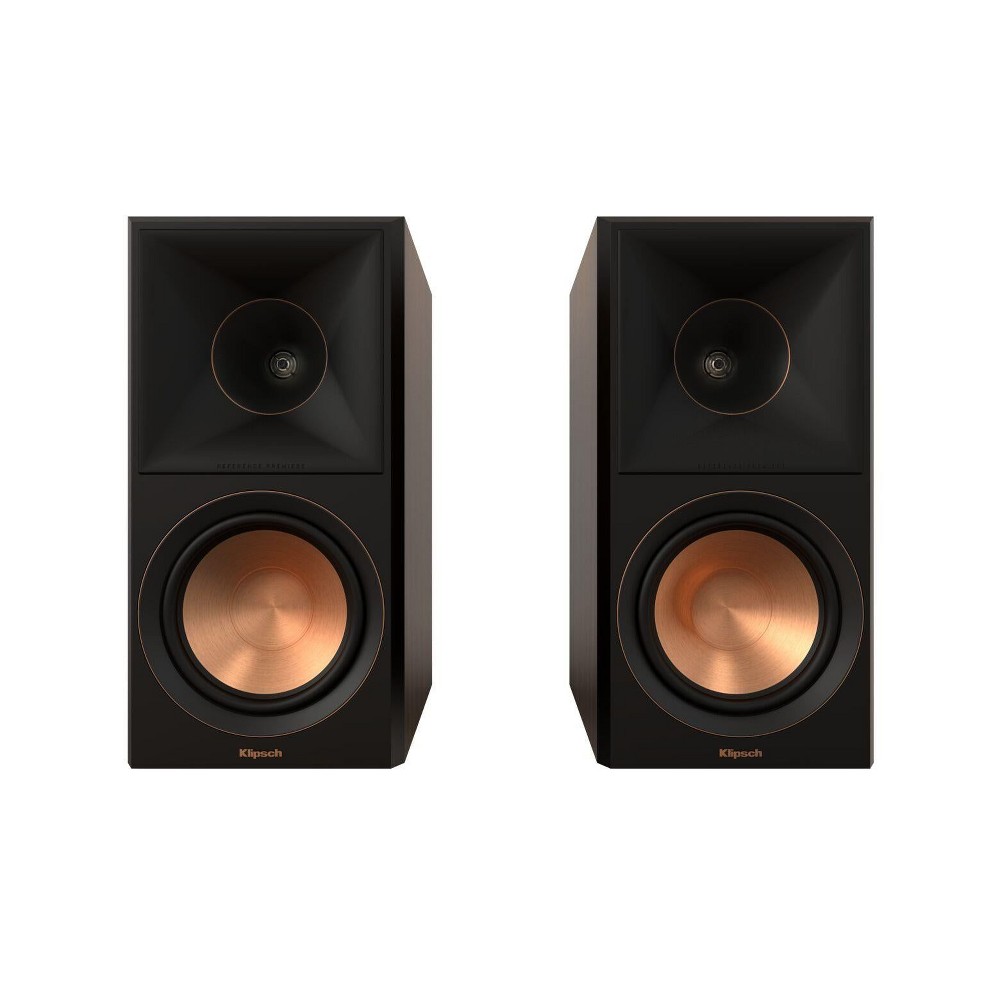
Klipsch RP-600M II — Top Pick
The RP-600M II wins on pure enjoyment. Its Cerametallic woofer and Tractrix horn tweeter deliver dynamic, detailed sound for music and movies, and a high 96 dB sensitivity means even a modest receiver drives it with ease. It is passive, so pair it with an amp, and enjoy the most exciting bookshelf sound per dollar.
In a hurry? That's our pick. Want the reasoning and the full comparison? Keep reading.
Bookshelf speakers sit in a sweet spot most people miss. They are small enough to fit on a stand or a shelf, yet big enough to move real air, so you get room-filling music and punchy home-theater dialogue without dominating your living space. The catch is choice: dozens of models, wildly different designs, and a wall of specs that read like a foreign language.
So you get to skip the guesswork. Below you will find four speakers we lean on hard, ranked and explained in plain English. You will also learn the one distinction that changes everything about setup, passive versus powered, plus how to read sensitivity, drivers, and size so you buy once and buy right.
Key Takeaways
- Passive speakers need an amp or receiver; powered speakers have the amp built in and just need a plug and a source.
- Higher sensitivity (dB) means a speaker plays louder with less power, so it is easier to drive with modest gear.
- The Klipsch RP-600M II is our top pick, blending horn-loaded dynamics with high efficiency for music and movies alike.
- Bigger cabinets and woofers usually mean deeper bass, but placement and a subwoofer matter more than raw size.
- If you want zero extra boxes, the powered Edifier R1280T is the fastest path from unboxing to good sound.
Passive vs Powered: The One Choice That Decides Everything
Before you look at a single price tag, answer this: do you already own an amplifier or an AV receiver, or do you want to? That single question splits every bookshelf speaker into two camps, and getting it wrong means buying gear you cannot actually use on day one.
Passive speakers, like the Klipsch, Polk, and ELAC picks here, have no amplifier inside. They rely on an external amp or receiver to feed them power, and they connect with bare speaker wire. That sounds like a hassle, but it buys you flexibility. You choose the amp, you upgrade pieces separately, and you tap into the deep world of hi-fi and home-theater gear. Passive speakers are the standard for anyone building a stereo system or a surround setup around a receiver.
Powered speakers, like the Edifier, put the amplifier inside the cabinet. You plug them into the wall, connect your phone, TV, or turntable, and you are done. No receiver, no speaker wire runs, no matching. The trade-off is less room to upgrade later, but for a desk, a bedroom, or a small living room, powered speakers deliver great sound with a fraction of the fuss.
How to Read the Specs Without a Headache
Sensitivity, measured in decibels (dB), tells you how loud a speaker plays for a given amount of power. A 96 dB speaker like the Klipsch is dramatically more efficient than an 86 dB speaker, roughly meaning it needs far less amplifier muscle to reach the same volume. If you own a modest receiver, high sensitivity is your friend because it plays loud and clean without straining your gear.
Drivers and tweeters do the actual work. The woofer (the bigger cone) handles bass and midrange, while the tweeter (the small dome or horn up top) handles treble and detail. Klipsch uses a horn-loaded Tractrix tweeter for that lively, dynamic presence, while ELAC leans neutral and even. Neither is wrong; they are just different flavors, and your ears get the final vote.
Size affects bass, but not as much as people assume. A larger cabinet and woofer can move more air for deeper low end, yet placement matters more. Push a speaker near a wall and bass firms up; pull it into open space and it tightens. If you crave real low-end thump, add a subwoofer rather than chasing the biggest box you can find.
Getting Your Speakers to Sound Their Best
Placement is free performance. Put your bookshelf speakers on stands or a solid shelf at ear height when you sit, angle them slightly toward your listening spot, and give them a little breathing room from the back wall. That simple triangle, you in the middle, a speaker to each side, unlocks a wide, focused soundstage that cheap setups never touch.
For passive speakers, match them to an amp or receiver with enough clean power for your room, and do not stress over exotic cables. Honest, correctly gauged speaker wire does the job. For powered speakers, keep the source clean and the volume sensible, and you will get years of easy, satisfying listening with almost no setup effort.
Quick Comparison
| Product | Type | Best For | Sensitivity | Needs Receiver? |
|---|---|---|---|---|
| Klipsch RP-600M II | Passive | Best overall | 96 dB | Yes |
| Polk Reserve R200 | Passive | All-rounder | 86 dB | Yes |
| ELAC Debut 2.0 B6.2 | Passive | Best budget passive | 87 dB | Yes |
| Edifier R1280T | Powered | Plug-and-play | N/A | No |
1. Klipsch RP-600M II — Best Overall
Klipsch RP-600M II
The RP-600M II is the pair we hand people when they want their music and movies to feel exciting, not just accurate. Klipsch pairs a Cerametallic woofer with a Tractrix horn tweeter, and the result is dynamic, detailed sound with a sense of punch and immediacy that pulls you into a track or a film scene. Guitars snap, drums hit, and dialogue cuts through cleanly.
That 96 dB sensitivity is the secret weapon. These speakers play loud and effortless even with a modest receiver, so you do not need to spend a fortune on amplification to make them sing. They are passive, so you will need an amp or AV receiver to run them, but if you have one, this is the most fun-per-dollar bookshelf speaker we know. Check current price and see why it sits at the top.
Pros
- Lively, dynamic sound that excites for both music and movies
- Very high 96 dB sensitivity is easy to drive
- Horn-loaded tweeter delivers crisp, detailed treble
- Punchy midbass without needing a huge cabinet
- Handsome build with a copper-and-black look
Cons
- Needs an external amp or receiver to work
- Forward, energetic tuning is not for treble-shy ears
- Real deep bass still wants a subwoofer
2. Polk R200 — Best All-Rounder
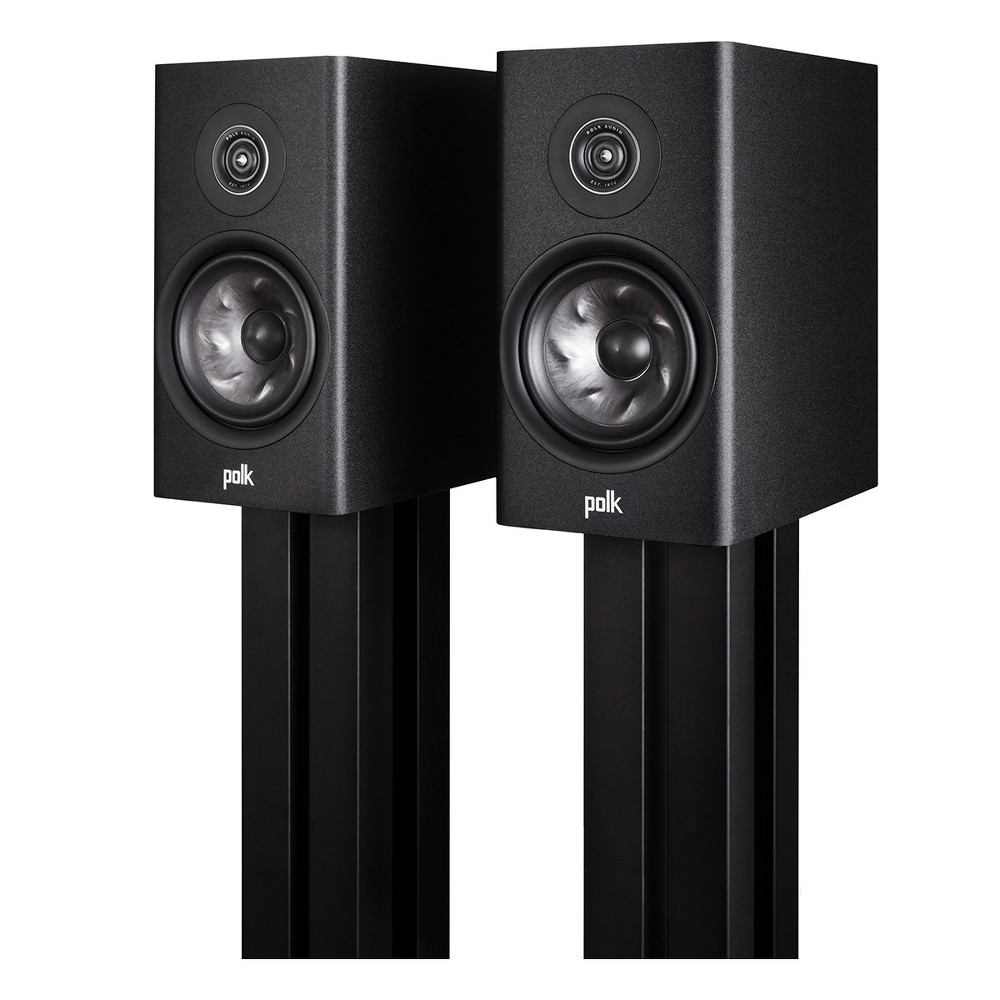
Polk Reserve R200
The Reserve R200 is the smooth operator of this lineup, a speaker that plays music beautifully and slots into a home-theater system without missing a beat. Polk's ring-radiator tweeter serves up airy, refined treble, while the Turbine cone woofer keeps the midrange full and the bass tight. Nothing shouts; everything just sounds right.
This is the pick for the person who wants one great pair to do it all, stereo listening today and the front left and right of a surround setup tomorrow. It is passive, so plan for a receiver with a bit of clean power since the 86 dB sensitivity likes to be fed. Give it that, and the R200 rewards you with balanced, grown-up sound. Check current price before you commit.
Pros
- Beautifully balanced for both music and movies
- Refined ring-radiator tweeter with airy treble
- Tight, articulate bass from the Turbine cone woofer
- Excellent as home-theater front channels
- Premium fit and finish for the price
Cons
- Lower 86 dB sensitivity wants a stronger amp
- Needs an external receiver to run
- Less overtly exciting than the Klipsch horn sound
3. ELAC B6.2 — Best Budget Passive
ELAC Debut 2.0 B6.2
If you want honest, audiophile-leaning sound without spending big, the Debut 2.0 B6.2 is where value lives. Designed with a neutral, even-handed tuning, it does not hype the treble or bloat the bass. It simply gets out of the way and lets the recording speak, which is exactly what a lot of serious listeners are chasing.
For its price, the bass depth surprises people, thanks to a generous 6.5-inch woofer in a well-braced cabinet. It is passive, so a basic stereo amp or receiver does the job nicely at 87 dB sensitivity. This is the smart starter pair for anyone building their first real hi-fi system on a budget, and it grows with you as you upgrade the rest. Check current price and stretch your dollars further.
Pros
- Neutral, natural tuning that favors accuracy
- Impressive bass depth for a budget speaker
- Reasonable 87 dB sensitivity is easy to drive
- Excellent value for a first hi-fi system
- Non-fatiguing sound for long listening sessions
Cons
- Needs an external amp or receiver
- Less dynamic punch than the Klipsch
- Plain styling will not turn heads
4. Edifier R1280T — Best Plug-and-Play
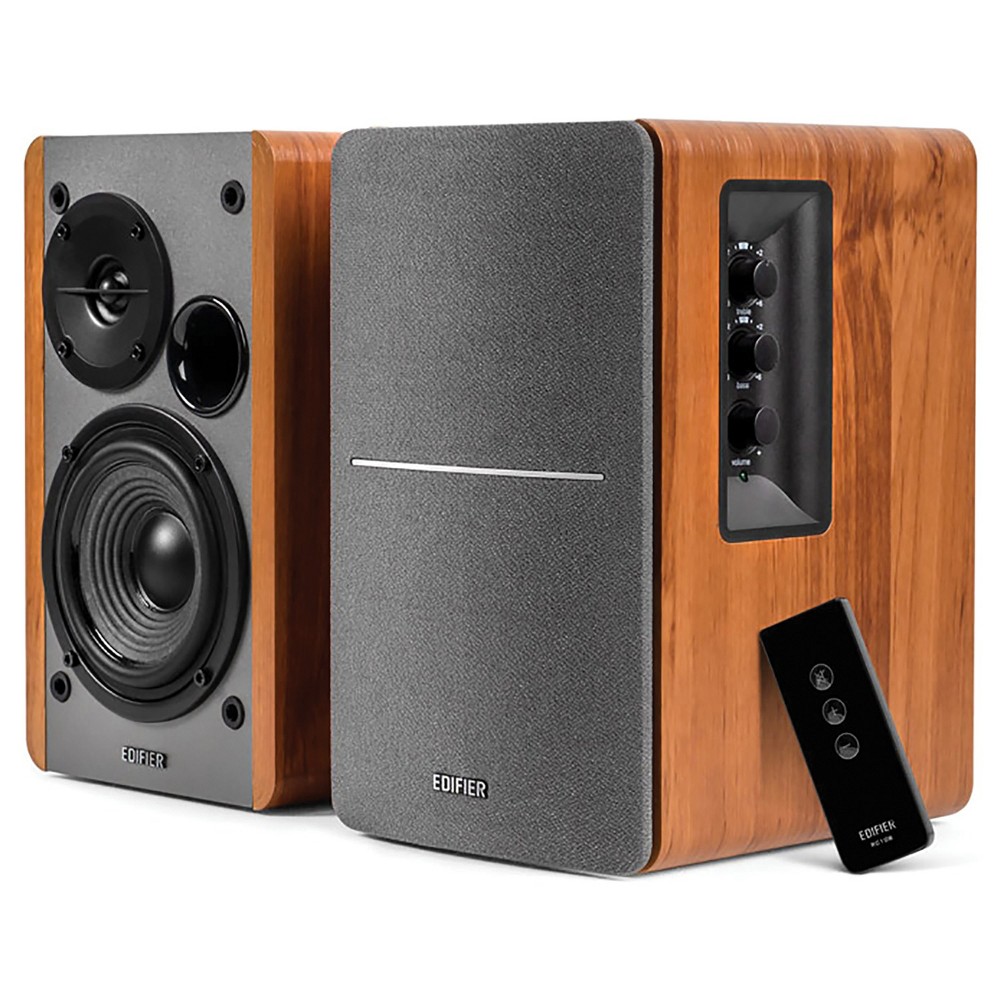
Edifier R1280T
The R1280T is the answer when you do not want a receiver, speaker wire, or a stack of gear, you just want good sound now. The amplifier lives inside the speakers, so you plug them into the wall, run an RCA cable to your TV, turntable, or computer, and you are listening in minutes. A little remote handles volume, bass, and treble from the couch.
For a desk, a bedroom, or a compact living-room setup, it punches well above its size and price. The dual RCA inputs let you keep two sources connected at once, which is handier than it sounds. It will not out-slug a big passive rig with a proper amp, but as the easiest, cheapest path to real speaker sound, nothing here beats it. Check current price and skip the extra boxes entirely.
Pros
- Built-in amp means no receiver needed
- Genuinely plug-and-play, ready in minutes
- Two RCA inputs for two sources at once
- Bass and treble controls plus a remote
- Outstanding value for a full powered pair
Cons
- Less output and scale than the passive picks
- Smaller 4-inch woofer limits deep bass
- Limited upgrade path down the road
Which Should You Choose?
You want the best sound and already own a receiver
Go with the Klipsch RP-600M II. Its high sensitivity and horn-loaded dynamics make music and movies come alive, and a modest receiver is plenty to drive it. This is the enthusiast pick that keeps rewarding you.
You want one pair for both stereo and home theater
The Polk Reserve R200 is your all-rounder. It shines as a stereo pair today and drops straight into a surround system as your front channels tomorrow, all with smooth, balanced sound. Pair it with a receiver that has some clean power.
You want great sound with zero extra gear
The powered Edifier R1280T is the easy button. No receiver, no wiring headaches, just plug in and play. If budget is tight or simplicity is the goal, the neutral ELAC B6.2 is the best passive alternative once you add a basic amp.
Ready to hear the difference?
The right bookshelf speakers turn a room into a proper listening space, whether you are rediscovering an album or watching your favorite film. If you own a receiver, the Klipsch RP-600M II is the pick we would grab first. Want zero extra gear? The powered Edifier R1280T gets you there in minutes. Check current prices and take back control of your sound.
Explore Brainstamped's Free ToolsFrequently Asked Questions
Passive bookshelf speakers do. The Klipsch RP-600M II, Polk Reserve R200, and ELAC Debut B6.2 all need an external amp or AV receiver to work. Powered speakers like the Edifier R1280T have the amplifier built in, so they only need a power outlet and a source.
Sensitivity tells you how loud a speaker plays for a given amount of power. A 96 dB speaker like the Klipsch plays much louder than an 86 dB speaker on the same amp, so higher sensitivity makes a speaker easier to drive and a better match for modest gear.
Yes. A quality pair handles clear dialogue and detailed effects beautifully, and passive models like the Polk R200 make excellent front left and right channels. Add a center speaker and a subwoofer over time to build a full surround system around them.
Not always, but it helps. Bookshelf speakers deliver punchy midbass, yet they cannot reproduce the deepest low end that a subwoofer can. If you love bass-heavy music or cinematic movie rumble, adding a sub is the biggest upgrade you can make.
Put them on stands or a shelf at ear height, spaced apart with a slight toe-in toward your seat, forming a triangle with your listening spot. Give them a little room from the back wall, and you will get a wider, cleaner soundstage for free.