
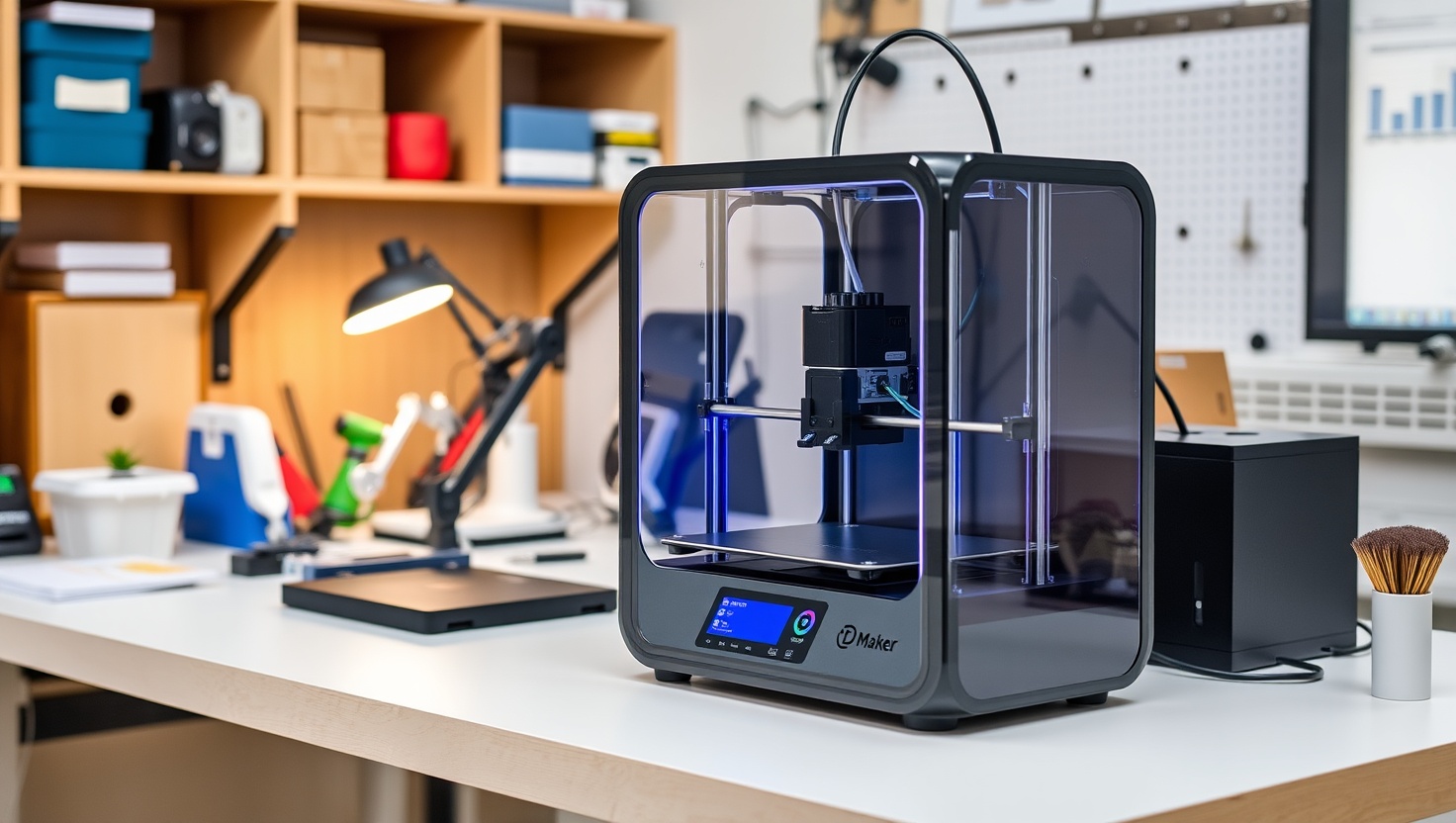
3D printing used to mean hours of tinkering; modern machines can print beautifully out of the box. The trick is choosing the right first printer for what you want to make. Here's the beginner's version: FDM vs resin, build volume, and the ease-of-use features that get you to good prints fast.
Key Takeaways
- FDM (filament) is the best all-round starting point — cheap, easy, versatile.
- Resin gives stunning detail (miniatures, models) but is messier and needs ventilation and cleanup.
- Auto-bed-leveling is the feature that saves beginners the most frustration.
- Build volume sets the biggest thing you can print — bigger isn't always needed.
- A big, active community and good support matter more than a spec.
FDM vs resin — pick by what you'll make
- FDM melts plastic filament layer by layer. It's cheaper, cleaner, more forgiving, and great for functional parts, toys, brackets and household prints. The right choice for most beginners.
- Resin (MSLA) cures liquid resin with light for incredibly fine detail — ideal for miniatures and jewelry — but it's messier, needs ventilation, and involves washing and curing each print.
Ease of use beats raw specs
Your first printer should get out of your way. The single most valuable feature is automatic bed leveling — manual leveling is where beginners lose hours and patience. Look also for a flexible removable build plate (prints pop off easily) and a straightforward interface.
Build volume
Build volume is the biggest object you can print in one go. A common ~220 x 220 x 250 mm size covers the vast majority of first projects. Only pay for a large-format machine if you know you'll print big — it costs more and takes more space.
Set expectations
Expect a little learning: bed adhesion, the right temperature, and slicing settings. But modern beginner printers with auto-leveling get you to satisfying prints in an afternoon, not a weekend.
Ready to start printing?
See our tested picks for the best 3D printers, including the easiest models for beginners.
See the best 3D printers →Frequently Asked Questions
FDM (filament) for most beginners — it is cheaper, cleaner, more forgiving and versatile. Choose resin only if you specifically want the fine detail of miniatures or models and can handle the mess, ventilation and cleanup.
Automatic bed leveling. Manual leveling is where beginners lose the most time and patience, so auto-leveling (plus a flexible removable build plate) dramatically smooths the learning curve.
A common size of around 220 x 220 x 250 mm covers the vast majority of first projects. Only pay for a large-format machine if you know you will print big objects, as it costs more and takes up more space.
There is a small learning curve — bed adhesion, temperatures and slicer settings — but modern beginner printers with auto-leveling and good community support get you to satisfying prints within an afternoon.
Related: Best 3D printers 2026 · Best 3D scanners · All creator gear guides