Best Rain Barrels for Rainwater Collection and Garden Use in 2026
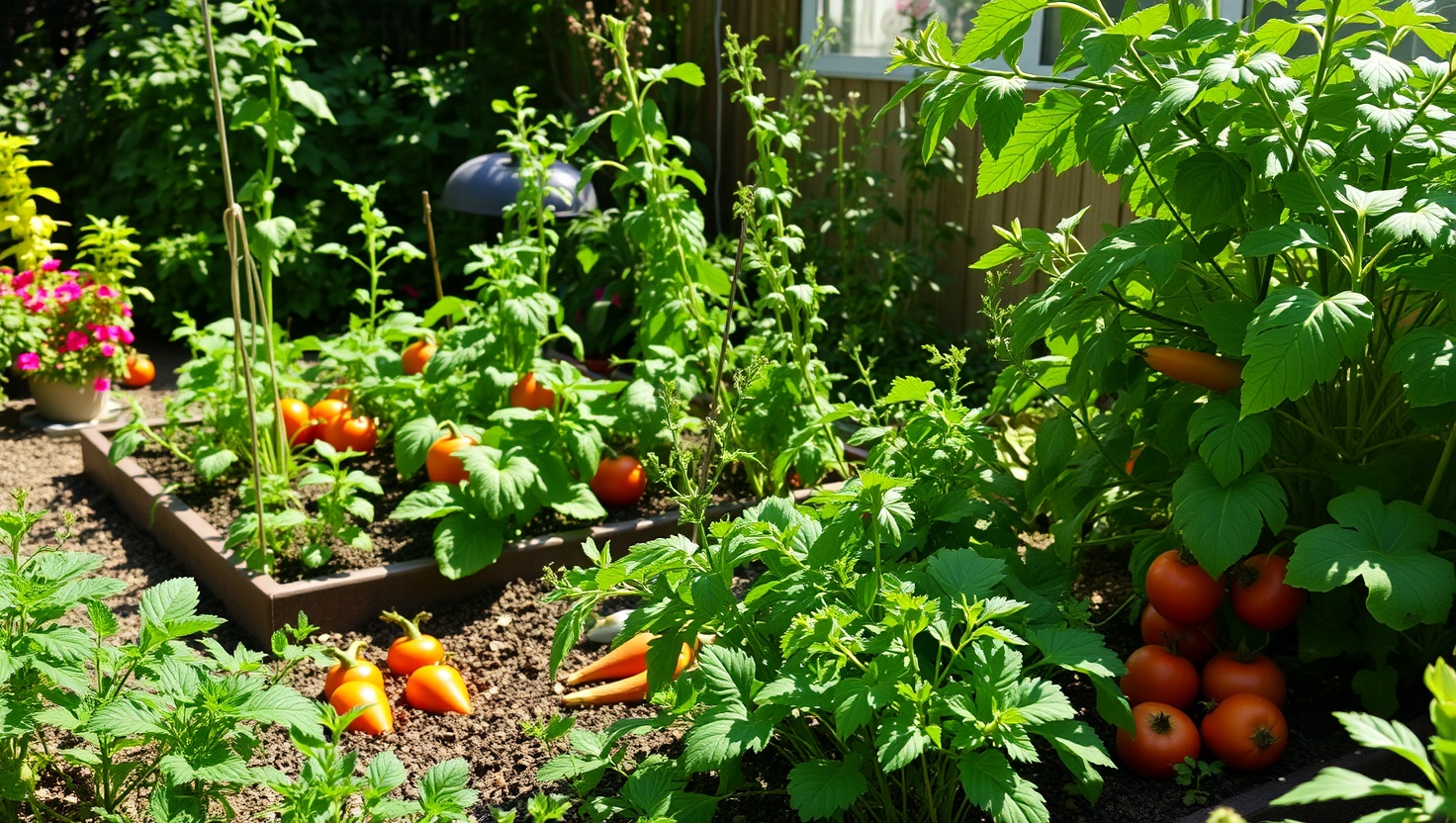
Every time it rains, hundreds of gallons of free water hit your roof — and most of it goes straight down the drain. A rain barrel changes that. For $35 to $120, you get a steady supply of chlorine-free, room-temperature water your garden actually prefers over the hose. Your plants grow better, your water bill drops, and you stop depending entirely on the municipal supply. That's the kind of quiet independence Brainstamped is all about.
RTS Home Accents 50-Gallon Rain Barrel — Best Overall
The RTS Home Accents 50-Gallon is what a rain barrel should be: simple, solid, and designed to actually work. The flat-back design is the first thing you'll appreciate — it sits flush against the…
In a hurry? That’s our pick. Want the reasoning and the full comparison? Keep reading.
Key Takeaways
- A single 50-gallon barrel can save thousands of gallons of municipal water per growing season
- Rainwater is naturally soft, chlorine-free, and slightly acidic — plants genuinely prefer it over tap water
- Best overall: RTS Home Accents 50-Gallon ($70) — flat-back, brass spigot, solid build that just works
- Best budget: Collapsible 66-Gallon ($40) — foldable PVC for renters and seasonal use
- Best looking: Algreen Cascata 65-Gallon ($120) — decorative terracotta style with built-in planter
- Mosquito screens and overflow valves are non-negotiable — every pick on this list has both
Why Collecting Rainwater Is One of the Smartest Things You Can Do for Your Garden
Municipal water works fine for drinking. For your garden, it's not ideal. Tap water is treated with chlorine and chloramine to kill pathogens — which also affects the beneficial microbial activity in your soil. It's often slightly alkaline, which most vegetables and fruits don't love. And depending on where you live, it carries trace minerals that can build up in soil over time.
Rainwater is different. It falls slightly acidic (pH around 5.6 to 6.2), which is close to the sweet spot for most garden plants. It contains no chlorine. It's naturally soft. It arrives at ambient temperature instead of icy cold from underground pipes, which means less thermal shock to root systems. Your plants know the difference — and you'll see it in how they grow.
Beyond the plant science, there's the water bill. The average American household uses about 9,000 gallons of water on outdoor watering every summer. A significant chunk of that can come from the sky instead. A 1,000 square foot roof section catches roughly 600 gallons per inch of rainfall — a typical 50-gallon barrel fills in a single moderate storm. Over a season, that adds up to real money.
Then there's the resilience angle. Water restrictions hit every summer in drought-prone states. Municipalities sometimes issue watering bans. If you've got 50 to 200 gallons stored on your property, none of that affects your garden. You're not dependent. That matters.
There's also runoff. When rain hits impermeable surfaces — your roof, driveway, paved areas — it rushes directly into storm drains, picking up pollutants along the way. A rain barrel slows that process, reduces local flooding risk, and keeps that water in your local ecosystem instead of sending it straight to the storm sewer. Many municipalities offer rebates for exactly this reason.
How to Choose the Right Rain Barrel
Capacity: 50 to 100 gallons is the practical range
Bigger isn't always better. A 50-gallon barrel fills fast and is easy to manage. A 100-gallon barrel holds more water between rain events but gets heavy (water weighs about 8.3 lbs per gallon — a full 100-gallon barrel weighs over 800 lbs) and requires a very stable surface. For most home gardens, 50 to 66 gallons hits the sweet spot. If you have a large garden or live somewhere with long dry stretches between rains, look for barrels with linking ports so you can chain two together.
Material: HDPE plastic is the standard
Most rain barrels are made from high-density polyethylene (HDPE) — the same food-safe plastic used in cutting boards and water containers. It's UV-resistant, durable, and doesn't leach into the water. Avoid barrels made from materials you can't identify. Repurposed food-grade barrels are fine; repurposed industrial barrels are not, unless you know exactly what was in them. All five picks below use food-safe HDPE.
Overflow valve: essential, not optional
Your 50-gallon barrel will fill during a heavy rain. Without an overflow valve, water spills over the top and pools against your foundation. A proper overflow valve redirects excess water away from the house — to a second barrel, a garden bed, or simply away from the structure. Every barrel on this list has one.
Mosquito screen: absolutely required
Standing water breeds mosquitoes. A fine mesh screen over the inlet prevents insects from getting in. Check that the screen is tight and in good condition at the start of each season. Every barrel here ships with one.
Spigot quality matters at the bottom line
A cheap plastic spigot will eventually drip or fail. Brass spigots last much longer and seal better. Look for barrels with brass or heavy-duty plastic spigots. The height of the spigot matters too — you need enough clearance to get a watering can or hose underneath. Elevating the barrel on cinder blocks or a platform adds 8 to 12 inches of clearance and significantly improves gravity-fed flow.
Collapsible vs. rigid
Rigid barrels are more durable and typically hold up better to UV exposure over multiple seasons. Collapsible barrels are made from flexible PVC and fold flat for winter storage or for renters who can't install permanent fixtures. If you own your home and plan to use the barrel year-round (or can easily store a rigid barrel), go rigid. If you rent, move frequently, or only want seasonal use, a collapsible barrel is the practical choice.
Quick Comparison
| Barrel | Price | Capacity | Best For | Spigot |
|---|---|---|---|---|
| RTS Home Accents 50-Gal | $70 | 50 gal | Best overall | Brass |
| FCMP Raincatcher 4000 | $80 | 50 gal | Reliable workhorse | Plastic |
| Algreen Cascata 65-Gal | $120 | 65 gal | Best looking | Brass |
| Good Ideas Rain Wizard 50 | $75 | 50 gal | Eco-conscious pick | Brass |
| Collapsible 66-Gallon | $40 | 66 gal | Renters & seasonal | Plastic |
The 5 Best Rain Barrels in 2026
The RTS Home Accents 50-Gallon is what a rain barrel should be: simple, solid, and designed to actually work. The flat-back design is the first thing you'll appreciate — it sits flush against the house wall or fence, so it doesn't stick out into your garden space like a round barrel would. That sounds minor until you're trying to fit it between a downspout and a raised bed.
The brass spigot is the detail that separates this barrel from cheaper options. Brass seals better, lasts longer, and doesn't crack in cold weather the way cheap plastic spigots eventually do. The aluminum mesh screen over the inlet keeps mosquitoes and debris out while still allowing fast filling. The overflow port at the top lets you add a hose and direct excess water wherever you want it — away from the foundation, to a second barrel, or to a garden bed downhill.
At 50 gallons, it's the right size for a typical home garden. It fills in a single decent rainstorm, and with the brass spigot gravity-feeding a watering can, you'll empty it between rain events without any issues. Put it on a couple of cinder blocks for extra spigot clearance and you've got one of the most functional setups available at this price point.
Pros
- Flat-back saves space against walls
- Brass spigot for durability
- Aluminum mesh screen
- Clean, functional design
- Solid overflow port included
Cons
- 50-gallon limit fills fast in heavy rain
- No linking port for chaining barrels
- Single color option (dark green)
The FCMP Raincatcher 4000 is the barrel you buy when you're serious about water collection. FCMP (Full Circle Manufacturing Products) has been making composters and garden products for decades, and the build quality on this barrel reflects that experience. The walls are noticeably thicker than most competitors, the lid locks firmly, and every connection point is engineered to hold over the long term.
The standout feature is the linking port. FCMP designed this barrel to connect to additional units — you run a short hose from the overflow port of one barrel into the inlet of the next, and suddenly you've got 100 or 150 gallons of capacity from two or three barrels working together. For anyone with a large vegetable garden or multiple raised beds, that scalability is genuinely useful.
The integrated debris screen keeps leaves and sediment out without restricting flow. The overflow valve directs excess water through a standard garden hose, so you have full control over where the overflow goes. At $80, it costs $10 more than the RTS, but the thicker construction and linking capability justify the premium if you plan to scale up.
Pros
- Linking port for chaining multiple barrels
- Thick, durable construction
- Integrated debris screen
- Hose-compatible overflow valve
- Reputation for decade-long durability
Cons
- Slightly pricier than the RTS
- Round design takes more footprint
- Heavier to move when full
Most rain barrels look like exactly what they are: a plastic drum next to your downspout. The Algreen Cascata looks like a terracotta urn. That distinction matters if your barrel is visible from the street, your patio, or a neighbor's line of sight. The decorative exterior is UV-protected and holds its color well over multiple seasons — no fading to that chalky gray that cheap plastic develops after a summer in direct sun.
The built-in planter on top is genuinely clever. You can grow trailing plants, herbs, or flowers in the top section, which cascades down the sides and essentially turns your water storage into a garden feature. Strawberries, petunias, or sweet potato vines all work beautifully. It's a piece of garden design that happens to collect water, rather than a utility installation you're trying to hide.
At 65 gallons, it holds more than the standard 50-gallon options, giving you more buffer between rain events. The brass spigot and overflow outlet match the quality you'd expect at this price point. If the aesthetics don't matter to you, this isn't your barrel — the $50 price premium over the RTS is largely for the look. But if the barrel is going somewhere visible, the Cascata pays for itself in curb appeal alone.
Pros
- Decorative terracotta-style design
- Built-in planter section on top
- 65-gallon capacity — more than standard
- UV-protected, color-stable finish
- Brass spigot and quality overflow
Cons
- Most expensive on this list at $120
- Price premium is largely cosmetic
- Heavier and bulkier than flat-back designs
The Good Ideas Rain Wizard 50 is the barrel that checks the boxes most people actually care about. Flat back — so it fits against any wall. Brass spigot — so it lasts. Child and pet-safe lid — so you don't have to worry about curious animals or small children getting near the water. Made from recycled materials — so you can feel good about the purchase. Available in multiple colors — so you can match your garden aesthetic without committing to forest green or terracotta.
The Rain Wizard has been around long enough to have a strong track record. Good Ideas has iterated on the design over multiple generations, and it shows in the details: the overflow port is well-positioned, the screen fits securely, and the spigot doesn't drip. Nothing about it is flashy, but everything about it works correctly.
The recycled material angle isn't just marketing. Good Ideas uses a significant percentage of post-consumer recycled plastic in the construction, which does slightly affect the texture of the surface — it's less uniformly smooth than virgin plastic. That's a cosmetic observation, not a functional one. At $75, it sits between the RTS ($70) and the FCMP ($80) and genuinely competes with both.
Pros
- Made from recycled materials
- Flat-back design — fits against walls
- Brass spigot for long-term reliability
- Child and pet-safe lid
- Available in multiple colors
Cons
- Slightly textured surface from recycled plastic
- No linking port for chaining barrels
- Similar to RTS at a slightly higher price
Every other barrel on this list is a permanent (or semi-permanent) installation. The Collapsible Rain Barrel is different: when the growing season ends, you drain it, fold it flat, and store it in a closet or under a bed. It packs down to about three inches thick. When spring arrives, you unfold it, clip it under your downspout, and you're back in business.
The PVC construction is lighter and more flexible than rigid HDPE barrels. At 66 gallons, it holds more than most rigid 50-gallon options, which is a genuine advantage. The included mosquito net keeps insects out, and the spigot works just like any other barrel's — though plastic rather than brass, so it's worth monitoring over time. The overflow mechanism is simpler than on rigid barrels, but functional.
At $40, it's the most affordable option on this list. If you're not sure you'll use a rain barrel regularly, or if you're in a rental where installing a permanent barrel feels like a commitment, this is the perfect entry point. Many people start here and upgrade to a rigid barrel after one season of use convinces them it's worth the investment.
Pros
- Folds flat for easy storage
- 66-gallon capacity — largest on this list
- Cheapest option at $40
- Mosquito net and spigot included
- Perfect for renters and seasonal use
Cons
- Less durable than rigid HDPE barrels
- Plastic spigot (not brass)
- Needs careful seasonal storage to avoid PVC cracking
Getting the Most Out of Your Rain Barrel
Elevate it for better flow
Rain barrels work on gravity. The higher the barrel sits above your watering can or hose connection, the better the water pressure. A couple of cinder blocks or a purpose-built wooden platform adding 8 to 12 inches of height makes a meaningful difference in how fast water flows from the spigot. If you're running a soaker hose or drip system from the barrel, elevation matters even more.
Install before the first rain of the season
Sounds obvious, but the number of rain barrels that sit in garages through April because installation keeps getting pushed is surprisingly high. Installation takes 30 to 60 minutes: cut your downspout, attach the diverter or flex elbow, position the barrel. Do it in March. Then every April rainfall goes into the barrel instead of the storm drain.
Empty it regularly, even when it's not bone-dry
Using your stored water keeps it fresh and creates capacity for the next rain event. A barrel that sits full all summer without being used isn't doing much for your garden — and stagnant water can develop algae and odor over time, especially in warm climates. Water your garden from the barrel regularly, let it refill with the next rain, and the cycle takes care of itself.
Winterize properly in cold climates
Water expands when it freezes. A rigid barrel full of water in a hard freeze can crack. Before your first hard frost, drain the barrel completely, disconnect it from the downspout, and either store it upside-down or bring it indoors. Most rigid barrels handle the cold fine when empty — it's the water inside that causes damage. The collapsible barrel is the easiest to winterize: drain, fold, store.
Start Collecting Free Water This Week
Your roof is already catching hundreds of gallons every time it rains. The RTS Home Accents 50-Gallon is the simplest way to start using that water instead of watching it disappear down the drain.
See the RTS Rain Barrel →