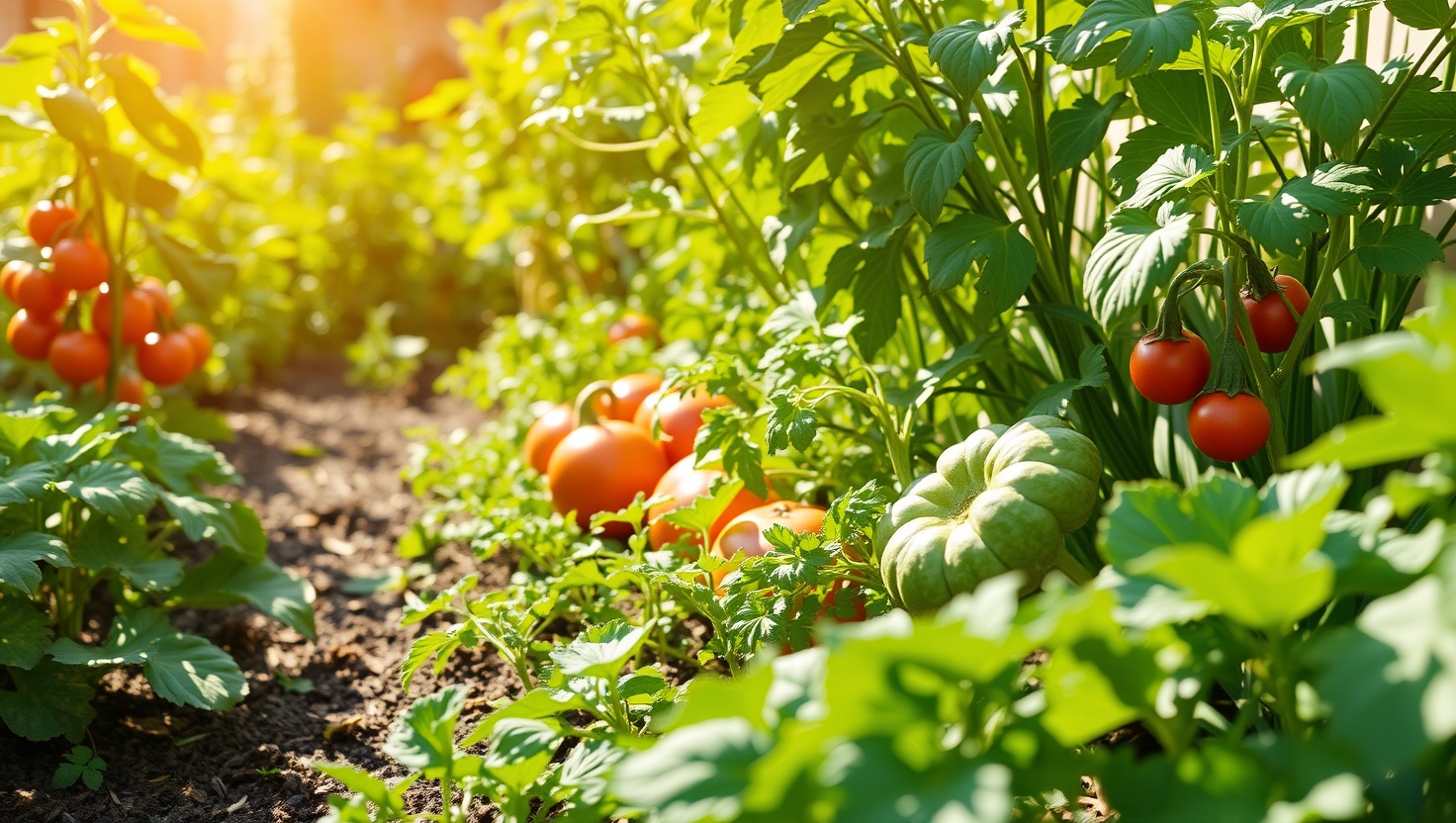
A raised bed is the fastest shortcut to growing your own food. Better drainage, fewer weeds, and yields that make your grocery bill jealous. You control the soil quality from day one, which means your plants start strong instead of fighting through compacted clay or nutrient-poor ground. Add a longer growing season, easier pest management, and the fact that you never have to till again — and it's hard to argue for any other approach.
The best raised bed garden kits in 2026 range from dead-simple cedar boxes you snap together in ten minutes to modular aluminized steel systems that reconfigure into any shape your yard demands. The right pick depends on your budget, your climate, and how long you want it to last. We've rounded up five standout options — from a $60 elevated planter perfect for seniors to a $170 premium steel bed that will outlast your mortgage.
Key Takeaways
- Raised beds drain better, warm up faster in spring, and let you build the exact soil mix your plants need
- Aluminized steel (Vego, Birdies) lasts 20+ years and requires zero maintenance — the best long-term investment
- Cedar is the classic natural option: rot-resistant, food-safe, and available for under $100 for a 4x8 bed
- Deep beds (17-22") grow everything including root vegetables and tomatoes — shallower beds limit your options
- Seniors or anyone with mobility issues should prioritize elevated planter boxes (30" height) to eliminate bending entirely
- Fill method matters as much as the kit: layered cardboard + compost + topsoil cuts costs and builds better soil than bagged mix alone
Why Raised Beds Beat In-Ground Growing
If you've tried growing vegetables directly in the ground and struggled, you're not alone. Most residential soil is compacted, nutrient-poor, or full of weed seeds. Raised beds let you sidestep all of that.
Drainage and Soil Control
Raised beds drain freely, which means plant roots never sit in waterlogged soil. You also fill them with exactly the mix you want — high-quality compost, topsoil, and organic matter — rather than working with whatever came with your property. That control alone can double your yields in the first season.
Fewer Weeds, Less Work
When you fill a raised bed with fresh soil mix, you're not importing a seed bank of weed seeds the way you would by digging up lawn. Add a cardboard barrier at the bottom before filling, and the weed pressure is dramatically reduced. Less weeding means more time actually enjoying your garden.
Extended Growing Season
Soil in a raised bed warms up 2-4°F faster than ground-level soil in spring. That translates to 2-3 extra weeks of growing season on each end. Add a simple row cover or cold frame on top of your raised bed and you can start planting in late winter and harvest deep into autumn. If you're serious about growing food year-round, check out our complete raised bed vegetable guide for seasonal planting schedules.
Accessibility
Raised beds reduce bending and kneeling. At 17-22" tall, many beds let you work comfortably from a standing position or a stool. For seniors or anyone with back or knee issues, a full elevated planter box (30") eliminates bending entirely. Gardening becomes sustainable for life, not just a hobby you eventually have to give up.
Pest Management
The contained structure makes it easier to add hardware cloth to the base (blocking burrowing pests like gophers), install hoops for netting (blocking deer and rabbits), and monitor for slugs or insects. You're working with a defined perimeter instead of a sprawling in-ground garden.
Quick Comparison: Top 5 Raised Bed Kits
| Product | Material | Size | Height | Price | Best For |
|---|---|---|---|---|---|
| Vego Garden 17" Tall | Aluminized steel | Modular | 17" | $130 | Best overall |
| Greenes Cedar 4x8 | Cedar wood | 4x8 ft | 10.5" | $80 | Budget wood |
| Birdies 6-in-1 | Aluminized steel | 6 configs | 22" | $170 | Premium deep bed |
| Frame It All Composite | Recycled composite | Modular | Varies | $150 | Best composite |
| Best Choice Elevated | Cedar wood | 48x24" | 30" standing | $60 | Seniors / no bending |
Best Raised Bed Garden Kits — Reviewed
Vego Garden 17" Tall Metal Raised Bed
~$130
The Vego Garden is the raised bed most serious food growers end up recommending to everyone they know. The aluminized steel construction has a heat-reflective coating that keeps soil temperatures from spiking in summer while still warming up beautifully in spring. The 17-inch depth is the sweet spot for almost every vegetable — deep enough for carrots, tomatoes, and squash roots without being impractical to fill. No sharp corners means you can work around it safely, and the modular panel system lets you configure rectangles, L-shapes, or U-shapes without tools. At 20+ years of expected lifespan, the $130 price works out to pennies per year. This is the last raised bed most people will ever need to buy.
Pros
- 20-year lifespan — buy once, done
- 17" depth grows everything including root vegetables
- Heat-reflective coating prevents soil overheating
- Modular — configure multiple shapes
- No sharp corners, safe for kids and adults
Cons
- More expensive than basic wood kits
- Metal can feel industrial vs. natural cedar aesthetic
- Requires more soil volume to fill (17" depth)
Greenes Fence Cedar Raised Bed Kit (4x8)
~$80
Cedar has been the classic raised bed material for decades, and the Greenes Fence kit shows why it earned that reputation. The naturally rot-resistant wood requires no chemical treatment to hold up against soil and moisture — what you grow in it stays clean. The dovetail corner joints snap together without any tools in minutes, and the 10.5-inch depth handles most herbs, leafy greens, root vegetables, and compact fruiting plants. At $80 for a 4x8 foot bed, this is the entry point that gets a lot of first-time food growers growing. The classic wood look also blends naturally into any backyard. If you want to try raised bed growing without a big upfront commitment, this is the honest starting point.
Pros
- Lowest price for a quality wood bed at ~$80
- No tools needed — dovetail joints snap together
- Cedar is naturally rot-resistant and chemical-free
- Classic natural look suits any yard
- Stackable for extra depth if needed later
Cons
- 10.5" depth limits deep-rooted crops like carrots
- Wood will eventually degrade (10-15 year lifespan)
- Single fixed 4x8 configuration — no modular options
Birdies Raised Garden Bed (6-in-1)
~$170
Birdies is the Australian brand that quietly became a cult favorite among serious food growers, and the 6-in-1 kit earns the hype. The 22-inch depth is the deepest in this roundup — deep enough for full-size root vegetables, sprawling tomato root systems, and anything else you want to grow. The aluminized steel construction is identical in quality to Vego, with the same long lifespan and heat management. What makes Birdies unique is the 6-shape configuration system: one kit ships as panels that you can assemble into six different bed configurations — square, rectangle, L-shape, U-shape, and more — without any extra purchases. Premium quality, genuine flexibility, and the kind of depth that lets you grow absolutely anything. Worth the extra $40 over the Vego if deep-root crops are a priority for you.
Pros
- 22" depth — the deepest in this roundup
- 6 shape configurations from one kit
- Premium aluminized steel, built for decades
- Australian-designed for harsh sun and heat
- Grows full-size root vegetables and large fruiting plants
Cons
- Most expensive kit at ~$170
- 22" depth requires significantly more soil to fill
- Heavier panels than basic wood kits
Frame It All Composite Raised Bed
~$150
If you want the natural look of wood without any of wood's vulnerabilities, Frame It All's recycled composite boards hit a genuine sweet spot. The boards won't rot, warp, crack, or splinter — ever. They're made from recycled materials and contain no chemicals that leach into your soil. The modular expansion system is one of the most flexible on the market: you start with a basic configuration and add panels to expand the size or height of your bed at any time. Corner connectors click together without tools, and the whole system is designed to grow with you. Lifetime durability and zero maintenance make the $150 price a strong value against cedar that you'll be replacing in a decade.
Pros
- Won't rot, warp, crack, or splinter — lifetime durability
- Recycled composite — no chemical leaching
- Modular expansion: add panels to grow size or height
- Natural wood look without wood's maintenance
- Tool-free corner connectors
Cons
- Higher upfront cost than cedar
- Composite can fade slightly over years in strong sun
- Heavier than wood panels of the same size
Best Choice Products Elevated Planter Box
~$60
At 30 inches tall, this cedar planter box sits at comfortable working height — no bending, no kneeling, no getting up and down off the ground. It was designed with seniors and people with mobility issues in mind, and it delivers on that promise without feeling like a medical device. The cedar construction is naturally rot-resistant, and the built-in shelf underneath stores tools, pots, or garden accessories. At $60, it's the most affordable option in this roundup. The trade-off is size (48x24 inches is smaller than a full 4x8 bed) and depth (roughly 10 inches, suitable for herbs, lettuce, and compact vegetables). For balconies, patios, decks, or anyone who wants to garden without the physical strain, this is a genuinely smart choice.
Pros
- 30" standing height — zero bending required
- Lowest price at ~$60
- Built-in storage shelf underneath
- Works on concrete, patios, and balconies
- Cedar construction, naturally rot-resistant
Cons
- Smaller growing area than ground-level beds
- Shallower depth limits root vegetable options
- Legs add height but reduce structural rigidity over time
What to Fill Your Raised Bed With
The kit gets you started. The soil is what actually grows your food. A lot of beginners fill their new raised bed with bagged topsoil and wonder why results are mediocre. The secret is layers — and it's cheaper than buying premium bagged mix.
The Layered Fill Method (Hugelkultur-Inspired)
Layer 1 — Bottom: Cardboard or Wood Scraps
- Lay flattened cardboard boxes (remove tape and staples) across the bed base
- Or add small branches, wood chunks, or straw for moisture retention and future nutrients
- This blocks weeds from below and breaks down slowly, feeding soil life
- Fill this layer to roughly 30-40% of total bed depth
Layer 2 — Middle: Compost
- Add 4-6 inches of quality compost — homemade is best, bagged works fine
- This is where most of your plant nutrients live
- If you have an electric composter or backyard pile, this is where your homemade compost goes to work
- Fill this layer to about 30% of remaining depth
Layer 3 — Top: Planting Mix
- Fill the top 6-8 inches with a 60/40 blend of topsoil and compost
- Some growers add perlite or coarse sand for drainage in heavy clay areas
- This is the layer your seeds and transplants live in — make it count
- Top-dress with compost each season to replenish nutrients
This layered approach costs significantly less than filling the entire bed with bagged premium mix, and it builds better long-term soil structure as the bottom layers break down. For a companion planting strategy that maximizes what you grow in the bed, see our companion planting guide.
How to Choose the Right Raised Bed Kit
Three questions will narrow it down fast:
1. How long do you want it to last? If you want to plant it and forget it for 20 years, go aluminized steel: Vego Garden (17" depth) or Birdies (22" depth). If you want a natural look and are happy to potentially replace it in a decade, cedar works beautifully — Greenes is the best value there. If you want something in between, Frame It All composite never needs replacing.
2. What are you growing? Herbs, lettuce, and radishes grow fine in 8-10 inches. Tomatoes, squash, and peppers want at least 12 inches. Carrots and parsnips need 12-16 inches minimum. If deep root crops are your goal, the Birdies 22" or Vego 17" are your picks. Don't undersell depth — it's the number one limitation of cheap, shallow beds.
3. Who's using it? If you have mobility concerns or garden on a hard surface, the elevated Best Choice Products planter is genuinely life-changing. For families with kids, the no-sharp-corners Vego is a strong choice. If you're starting your first garden and aren't sure yet, the Greenes Cedar at $80 is a low-risk entry point that will teach you everything you need to know. Then you can expand to containers or upgrade beds based on what you learned.
Not sure which vegetables to start with? Our guide on vegetables cheaper to grow than buy will tell you exactly where your raised bed will save the most money first season.
Ready to Grow Your Own Food?
Pick the bed that fits your space, your budget, and your goals — then fill it with good soil and get growing. The grocery bill starts shrinking from the first harvest.
See the Vego Garden on Amazon →