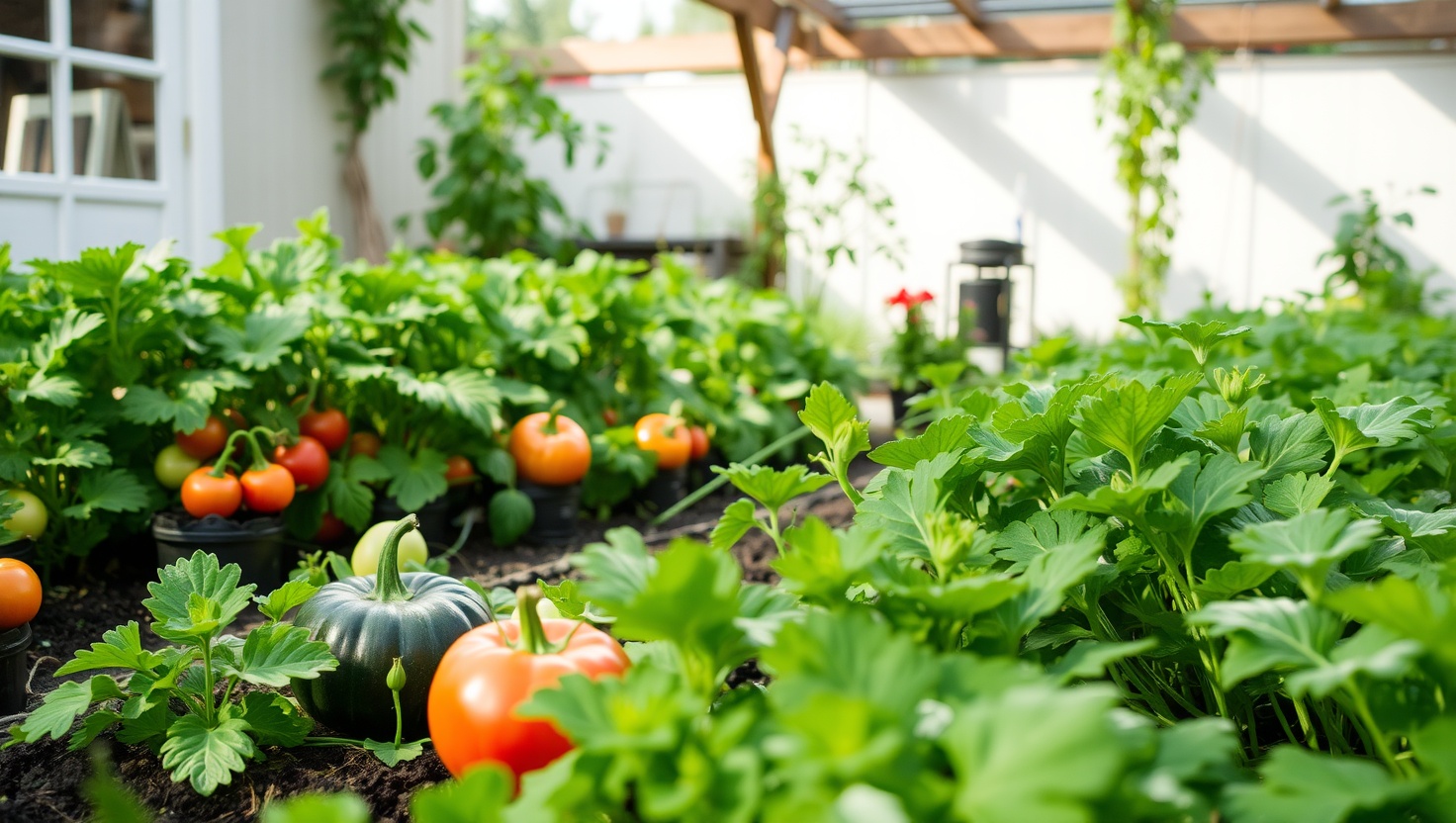
Most gardeners waste two to three months of potential growing time every year — one chunk at each end of the season. You pull your last tomatoes in September. You plant your first seeds in May. Everything in between is empty raised beds and wasted sunlight. A cold frame fixes that. For as little as $45, you can be harvesting lettuce in February and still picking spinach in December. No electricity, no heating bills, no greenhouse permit.
A cold frame is essentially a bottomless box with a transparent lid — it captures solar heat during the day, holds it through the night, and creates a microclimate 5-10°F warmer than the outside air. That temperature buffer is all it takes to keep cool-season crops alive when the calendar says you should have given up weeks ago. This guide covers the five best cold frame kits available in 2026, from a $45 budget option to a $200 German-engineered system with automatic venting.
Key Takeaways
- Cold frames extend your growing season by 2-3 months — start earlier in spring, harvest later into fall
- They're 5-10°F warmer than outside air, enough to protect plants from light frost and cold winds
- The Juwel at $180 is the best all-rounder with auto venting and double-walled insulation
- You don't need a greenhouse — a $45 mini cold frame is enough to start seeds and harden off transplants
- Cold frames work best with cool-season crops: lettuce, spinach, kale, radishes, carrots, herbs
- No electricity, no heating, no maintenance — just solar gain and smart positioning
Why a Cold Frame Changes Everything for Home Gardeners
A cold frame does four jobs that nothing else in the garden can do as cheaply or as simply.
Season extension. In most of the UK and northern US, the outdoor growing season for frost-tender plants is May through September — five months out of twelve. With a cold frame positioned against a south-facing wall, you can start sowing hardy crops like spinach, lettuce, and kale as early as late February. In autumn, the same frame keeps those crops productive through October and November, even after the first hard frosts arrive. That's an extra two to three months of harvest from the same patch of soil.
Hardening off seedlings. Every gardener who starts seeds indoors under grow lights faces the same problem: how to transition tender seedlings into outdoor conditions without shocking them. Moving them directly from a warm windowsill to a cold garden bed causes transplant stress, wilting, and sometimes death. A cold frame bridges that gap perfectly — close the lid at night, prop it open progressively more each day over a week or two, and seedlings adjust gradually. No losses, no setbacks.
Overwintering crops. Crops like kale, chard, overwintering onions, garlic starts, and certain herbs can survive mild winters in the ground — they just need protection from the combination of frost and wind that causes cell damage. A cold frame provides exactly that: still air around the plants and a thermal buffer that takes the edge off freeze events. Many gardeners overwinter a full crop of kale in a cold frame and harvest fresh leaves from December through February.
Protecting from unexpected frosts. Spring weather is unpredictable. A late frost in May after weeks of warm weather can kill an entire bed of transplants overnight. A cold frame gives you an instant cover you can drop over vulnerable plants in minutes — no panic-buying frost fleece, no dragging out old bedsheets. The frame is there, it seals properly, and the plants survive.
How Cold Frames Work
The physics of a cold frame are simple but worth understanding, because they shape where you place it and how you manage it.
Solar gain. Sunlight passes through the transparent polycarbonate or glass lid and is absorbed by the soil and plants inside, which convert it to heat. That heat cannot escape as easily as it came in — it radiates at longer infrared wavelengths that polycarbonate and glass partially block, the same basic mechanism as the greenhouse effect. The result is a warmer interior even when direct sunlight fades. On a clear day with outside temperatures of 35°F, a closed cold frame can reach 65°F inside by midday.
Thermal mass. The soil itself acts as a heat store. It absorbs warmth during the day and releases it slowly through the night, buffering temperature drops. A frame positioned against a south-facing brick or stone wall gets an additional thermal mass benefit — the wall absorbs heat all day and radiates it into the frame at night. This can add another 3-5°F of nighttime protection compared to a freestanding frame in the open.
Venting is essential. The same solar gain that keeps plants warm can kill them if you forget to open the lid on a sunny day. Even at outside temperatures of 40°F, a closed cold frame in full sun can reach 80-90°F within an hour — enough to wilt and cook seedlings. The rule is simple: open the lid when outside temperatures reach 45°F or whenever direct sun hits the frame. Auto vent openers that use a wax cylinder (which expands with heat and props the lid) solve this problem without any daily intervention — they're worth every penny.
South-facing placement. Orient the frame so the lid slopes toward the south (in the northern hemisphere), maximizing the angle of incidence for winter sunlight. Place it against a south-facing wall if possible. Even a few degrees of orientation can meaningfully affect how much heat the frame captures on short winter days when the sun stays low in the sky.
The 5 Best Cold Frame Kits for 2026
Juwel Year-Round Cold Frame — Best Overall
The Juwel is the cold frame that experienced gardeners keep recommending to each other, and for good reason. German engineering shows in the details: the double-walled polycarbonate panels trap an air layer that significantly improves insulation compared to single-pane alternatives — the difference between keeping plants alive at 28°F versus struggling below 32°F. The lid opens to four adjustable positions using a built-in mechanism, and the wax-cylinder auto vent opener is included, not an add-on. It works reliably across years without any intervention: as the interior warms, the wax expands, the arm pushes the lid open; as it cools, the wax contracts and the lid closes.
The frame is UV-resistant polycarbonate throughout — it won't yellow, crack, or become brittle after a few seasons in the sun, which is the failure mode for cheaper frames. It fits neatly on most standard raised beds and has enough interior height for low-growing crops plus seedling trays. Setup takes about 20 minutes with no tools required. If you're only going to buy one cold frame and you want it to last 10+ years, this is the one.
- Double-walled polycarbonate for genuine frost insulation — not just wind protection
- Auto vent opener included — no daily babysitting required
- 4 lid positions give precise ventilation control
- UV-resistant construction — won't degrade after a few summers
- Fits standard raised beds; no tools needed for assembly
- $180 is the second highest price on this list
- Footprint is fixed — can't extend or reconfigure
- Interior height limits you to low-growing crops; not suitable for tall plants
- Lid can catch wind if not fully latched — weight it on exposed sites
Best for: Home gardeners who want a long-term, set-and-forget cold frame that handles the full growing-season calendar — spring starts, summer hardening off, autumn extension, and winter overwintering — without daily management.
Check Price on Amazon →Palram Canopia Single Cold Frame — Best Value
The Palram Canopia hits the sweet spot between price and quality that the Juwel can't quite reach. At $90, it's half the price but doesn't feel like it — the aluminum frame is sturdy and corrosion-resistant, the twin-wall polycarbonate roof provides real insulation (better than single-pane acrylic covers that come with cheap alternatives), and the adjustable lid mechanism lets you dial in ventilation without committing to fully open or fully closed. At 3.6 x 1.8 feet, it's a practical size for a single raised bed section or a dedicated seedling corner.
Where Palram earns its reputation is durability. They make commercial-grade greenhouse equipment, and the Canopia cold frame is built to the same material standard — UV-stabilized polycarbonate panels that maintain light transmission after years of sun exposure. Assembly is straightforward with labeled parts and clear instructions. The lid does not include an auto vent opener, so you'll need to manage venting manually or budget $15-20 for an add-on opener. That said, for a first cold frame or anyone on a tighter budget who wants something that actually works, this is the honest recommendation.
- Commercial-grade polycarbonate at a mid-range price
- Aluminum frame — genuinely corrosion-resistant, not just coated steel
- Adjustable lid for manual venting control
- Lightweight enough to reposition between beds as needed
- Palram makes quality greenhouse products — this isn't a budget brand
- No auto vent opener — requires daily monitoring on warm days
- Single-use footprint — not modular or extendable
- Slightly smaller growing area than the Juwel
- Wind resistance is adequate but not exceptional on very exposed sites
Best for: First-time cold frame users, gardeners who want quality without the Juwel price, and anyone who wants a lightweight frame that can be moved between different beds through the season.
Check Price on Amazon →Frame It All 4x4 Cold Frame Kit — Best for Raised Beds
If you're already using Frame It All raised bed systems, this is a no-brainer: the cold frame kit mounts directly onto their standard raised bed corners, creating a perfectly sealed fit that generic cold frames can't match. The frame itself is made from composite lumber — the same material as composite decking boards — which is genuinely rot-proof, splinter-free, and will outlast wood cold frames by many years. No painting, no treating, no replacement every three to five years.
The polycarbonate panels are twin-wall construction, providing good insulation, and the hinged lid props open with an included stick for manual ventilation. The modular design means you can extend the cold frame by adding additional panels if you have a longer raised bed — you're not locked into the 4x4 footprint. At $200, it's the most expensive option here, but for gardeners who are committed to a raised bed setup long-term, the integration and material quality justify the premium. This is the cold frame you buy once.
- Mounts directly on Frame It All raised beds — zero gaps, zero heat loss
- Composite lumber construction — genuinely rot-proof for the lifetime of the garden
- Modular design — extend it to fit longer beds
- Twin-wall polycarbonate panels for solid insulation
- Clean, integrated aesthetic with Frame It All bed systems
- Most expensive option at $200 — overkill if you don't use Frame It All beds
- No auto vent opener — manual prop stick only
- Only works optimally with Frame It All raised bed corners
- Heavier and less portable than aluminum-frame alternatives
Best for: Committed raised bed gardeners using Frame It All systems who want a permanent, rot-proof cold frame that integrates perfectly with their existing setup.
Check Price on Amazon →Ready to go beyond a cold frame? These small greenhouse kits let you grow year-round, start tropical crops, and overwinter tender perennials without a full-size build.
Gardman 4-Tier Mini Greenhouse Cold Frame — Best Budget
The Gardman is not a cold frame in the traditional sense — it's a mini greenhouse with a zippered cover and wire shelves, often used as a cold frame equivalent for seed starting and hardening off. At $45, it's less than a quarter of the price of the Juwel, and for specific jobs, it does them well. The four wire shelves give you vertical growing space that a flat cold frame doesn't offer: you can stack seedling trays, pot up cuttings, and store tender bulbs on separate levels simultaneously. The zippered cover keeps wind off, traps humidity, and provides meaningful frost protection for lightweight containers.
What it lacks is structural rigidity and serious insulation. The wire frame is stable in calm conditions but needs pegging down or weighting in any wind. The single-layer plastic cover provides far less insulation than twin-wall polycarbonate — it's frost protection down to maybe 28°F with additional bubble wrap inside, not the 20-25°F range of the Juwel. Think of this as a spring and autumn tool, not a serious winter frame. For seed starting from March onward, hardening off seedlings, and extending the season by a month or two, it performs brilliantly for the money.
- $45 — genuinely accessible starting point for cold frame gardening
- 4 shelves provide vertical space unavailable in flat cold frames
- Portable — fold it flat for storage when not in use
- Perfect for seed starting and hardening off seedlings
- Zippered cover allows full access and partial opening for ventilation
- Poor wind resistance — must be secured in any exposed location
- Single-layer plastic cover has low R-value; serious cold needs added bubble wrap
- Wire shelves can sag under heavy pots over time
- Not a substitute for a real cold frame in genuine winter conditions
Best for: First-year gardeners testing the waters, renters who can't install permanent structures, and anyone who needs a portable seed-starting and hardening-off solution for spring and autumn use.
Check Price on Amazon →Exaco Trading Timber Cold Frame — Best Cedar Frame
There's something satisfying about a cedar cold frame that polycarbonate-and-aluminum alternatives can't quite replicate — it looks like it belongs in the garden, it ages gracefully, and it will last longer than most of the other things you put in your backyard. Exaco's Timber Cold Frame is built from solid western red cedar, which is naturally rot-resistant without any chemical treatment. Left untreated, it will weather to a silver-grey and remain structurally sound for many years. If you want it to stay warm-brown, a coat of linseed oil or cedar oil once a year is all it needs.
The polycarbonate lid is single-pane rather than double-walled, which is the main insulation trade-off versus the Juwel. In most conditions that's acceptable — the cedar walls themselves provide thermal mass and insulation that metal-frame cold frames lack. The hinged top opens wide and props at multiple heights with the included stick. At 3.3 x 1.8 feet, it's a compact classic that fits anywhere. It won't win on R-value in hard-freeze conditions, but for spring season extension, autumn harvesting, and overwintering in temperate climates, it's a beautiful, durable tool that many gardeners keep for decades.
- Solid cedar construction — naturally rot-resistant, genuinely long-lasting
- Cedar walls add thermal mass that metal frames completely lack
- Classic aesthetic that improves with age — looks intentional in the garden
- Hinged lid opens wide for easy access and working inside
- No chemicals needed — cedar is naturally rot-resistant
- Single-pane polycarbonate lid — less insulation than double-wall alternatives
- No auto vent opener — manual prop stick management required
- Heavy — not portable between beds the way aluminum frames are
- Cedar needs occasional oiling to maintain color (optional, not structural)
Best for: Gardeners who prioritize aesthetics and longevity, anyone building a permanent kitchen garden space, and those who want a natural material cold frame that doesn't look like garden equipment.
Check Price on Amazon →Quick Comparison Table
| Product | Price | Size | Material | Auto Vent | Best For |
|---|---|---|---|---|---|
| Juwel Year-Round | ~$180 | Standard bed | Double-wall poly | Yes ✓ | Best overall |
| Palram Canopia | ~$90 | 3.6 x 1.8 ft | Twin-wall poly + aluminum | No | Best value |
| Frame It All 4x4 | ~$200 | 4 x 4 ft | Composite + poly | No | Raised beds |
| Gardman Mini | ~$45 | 5.25 x 2.2 ft | Wire + plastic | No | Budget / seeds |
| Exaco Cedar | ~$150 | 3.3 x 1.8 ft | Cedar + single poly | No | Aesthetics / longevity |
What to Grow in a Cold Frame
Cold frames work best with cool-season crops — plants that actually prefer lower temperatures and can tolerate frost. Push warm-season crops like tomatoes or cucumbers into a cold frame and you'll get disappointing results; the temperatures they need to thrive don't match what a cold frame is designed to provide. Stick to these crops and a cold frame becomes one of the most productive structures in your garden.
Early Spring (February–April)
Start seeds of lettuce, spinach, radishes, spring onions, and Asian greens like pak choi and mizuna directly in the cold frame as early as late February. Soil temperature inside the frame will be 10-15°F warmer than the open garden, which is enough to trigger germination for cold-hardy crops. You can also use the frame to start brassica seedlings — cabbage, broccoli, kale — for transplanting out in April. Radishes are ready to pull in four to five weeks from sowing, giving you the first fresh harvest of the year while the rest of the garden is still dormant.
Late Autumn (October–December)
The autumn window is where cold frames often surprise new users. Lettuce and spinach sown in September continue growing under the frame long after they'd freeze out in the open garden. Kale, chard, and land cress become even more flavourful after a few frosts. Carrots left in the ground under a cold frame can be harvested through November in most climates. Herbs like parsley and chives keep producing under a frame well into winter. Garlic planted in October benefits from the consistent soil temperature that accelerates root establishment before the top growth dies back.
Winter Overwintering (December–February)
In mild winter areas (USDA zones 7+), cold-hardy crops like kale, overwintering lettuce varieties, spinach, and lamb's lettuce (corn salad) can be kept alive and productive through the entire winter under a cold frame. Growth slows dramatically in the shortest days, but the plants hold their ground and resume growing as day length increases in late January. In colder zones, the focus shifts to protecting root crops and overwintering brassicas rather than active harvesting.
Cold Frame vs Mini Greenhouse vs Full Greenhouse
Understanding where a cold frame sits in the growing structure spectrum helps you decide whether it's the right investment — or whether you need something more.
Cold frame ($45–$200): Low-profile, sits directly on the soil or a raised bed, no electricity, no heating, no building permit in most cases. Best for cool-season crops and season extension. Cannot grow tomatoes, peppers, cucumbers, or other warm-season crops that need sustained temperatures above 60°F. Excellent for frost protection, seed starting, hardening off, and overwintering hardy crops. Wind-stable if properly weighted. Zero running costs.
Mini greenhouse ($80–$400): Vertical structure, typically 4-6 feet tall, with shelving for multiple levels of plants. Can accommodate taller plants and a wider range of crops than a cold frame. Still no heating in most cases, so temperature management is the same challenge — it just gives you more cubic footage of protected air volume. More susceptible to wind damage and requires secure anchoring. Better for extending the range of crops you can protect, not necessarily the range of temperatures.
Full greenhouse ($500–$5,000+): Permanent or semi-permanent structure, often with heating, full height, year-round use for any crop. Requires planning permission in some areas, a level pad, and ongoing heating costs. The right choice for serious food production, tropical plants, or growing tomatoes and peppers from February onward. Massive overkill for most home gardeners who just want to start earlier and finish later.
For most home gardeners with one or two raised beds, a cold frame delivers 80% of the season-extension benefit at 10% of the cost and complexity of a full greenhouse. Start there.
Placement and Setup Tips
Getting the position right makes a bigger difference than the frame itself. A well-sited $90 Palram will outperform a poorly sited $200 cedar frame every time.
Face south (northern hemisphere)
Orient the lid so it slopes toward true south to maximize winter sun angle. Even a 15-degree error toward southeast or southwest reduces the daily solar gain measurably when the sun is low in December and January. Use a compass app on your phone — don't eyeball it.
Back against a wall for bonus thermal mass
A south-facing brick, stone, or concrete wall is one of the most valuable resources in a garden. The wall absorbs heat throughout the day and radiates it into the frame at night, adding 3-5°F of nighttime protection. If you have such a wall, position the cold frame directly against it. Even a painted fence provides some benefit over an open location.
Vent on warm sunny days above 45°F
Get into the habit of checking the frame first thing in the morning on any sunny day. The rule is: if it's above 45°F and the sun is out, prop the lid. Close it an hour before sunset to trap the day's warmth for the night. An auto vent opener removes this entirely — it's the best £15-20 you'll spend on your cold frame setup.
Insulate with straw bales in hard freezes
For a hard freeze warning — temperatures forecast below 20°F — stack straw bales or old duvets around the outside of the frame. The bales block wind and add significant insulation to the walls. Inside the frame, lay a piece of horticultural fleece directly over the plants as a second layer. This combination can protect plants through temperatures that would destroy them in an uninsulated frame.
Water carefully and rarely
Plants under a cold frame get no rain. Overwatering in cold conditions leads to root rot. Check the soil moisture weekly and water sparingly — a light misting is usually enough. In mid-winter, many cold-frame crops need almost no supplemental water at all.
Starting seeds indoors before transitioning them to a cold frame for hardening off? These seed starting kits give you the best germination conditions from day one.
Get the Free Edible Space Growing Guide
Our free scan covers the best crops for each month, cold frame management tips, and the most productive small-space growing setups for home gardeners.
Ready to Add Two Months to Your Growing Season?
Our top pick for most gardeners is the Juwel Year-Round Cold Frame — the auto vent opener alone is worth the price difference over alternatives. If budget is the priority, the Palram Canopia at $90 delivers quality you won't find at this price from a garden center.
Get the Juwel Cold Frame on Amazon →Frequently Asked Questions
You can start using a cold frame as soon as the ground thaws and you can work the soil — typically 4 to 6 weeks before your last frost date. Cold frames keep the interior 5-10°F warmer than the outside air, which is enough to germinate cool-season seeds like lettuce, spinach, and radishes while temperatures are still consistently below freezing at night. In most temperate climates, that means starting in late February or March. Close the lid at night, prop it open on sunny days above 45°F to prevent overheating, and you can have seedlings going weeks before any outdoor planting would be possible.
Yes — venting is one of the most important things to get right with a cold frame. On a sunny day, even when outdoor temperatures are only 40°F, the interior of a closed cold frame can reach 80-90°F within an hour or two. That kind of heat stress will wilt and kill seedlings fast. The rule of thumb: open the lid when outdoor temperatures reach 45°F or above, or when sunlight is direct on the frame. Auto vent openers — like the wax-cylinder mechanism in the Juwel cold frame — handle this automatically by expanding with heat and propping the lid without any intervention. If your frame doesn't have one, set a phone reminder to check on warm mornings.
A standard cold frame provides frost protection down to roughly 25°F (-4°C) — enough to handle a light to moderate freeze. For a hard freeze below 20°F, a cold frame alone is usually not enough without additional insulation. Effective boosters include laying a fleece row cover or horticultural blanket directly over the plants inside the frame for an extra layer, placing jugs of water inside (water releases heat as it freezes, buffering the temperature), and packing straw bales around the outside of the frame to reduce heat loss through the walls. Double-walled polycarbonate frames like the Juwel provide significantly better insulation than single-pane glass or clear plastic.
The main differences are height, portability, and cost. A cold frame is low-profile — typically 8-16 inches tall — and sits directly on the ground or on a raised bed. It's designed for plants that stay low: lettuce, spinach, radishes, herbs, and seedlings being hardened off. A mini greenhouse has vertical walls and is tall enough to stand plants, grow bags, or even small tomato plants inside. Mini greenhouses offer more growing volume and work better for tall crops and starting a wider range of seedlings. Cold frames are more wind-stable, easier to position, and generally better at holding heat at ground level. They're also cheaper — a solid cold frame runs $45-200 versus $80-400 for a comparable mini greenhouse.
Yes — with modifications. In summer, a cold frame can be repurposed as a shaded propagation station by replacing the polycarbonate lid with shade cloth. This gives you a protected, humid environment for rooting cuttings, germinating heat-sensitive seeds, or hardening off seedlings before full sun exposure. Some gardeners also use cold frames in reverse: removing the lid entirely and using the frame walls as a wind and slug barrier for low-growing crops. The main thing to avoid in summer is closing the lid — heat buildup in full summer sun will cook plants within minutes. Used as an open frame or with shade cloth, it remains a useful garden structure year-round.