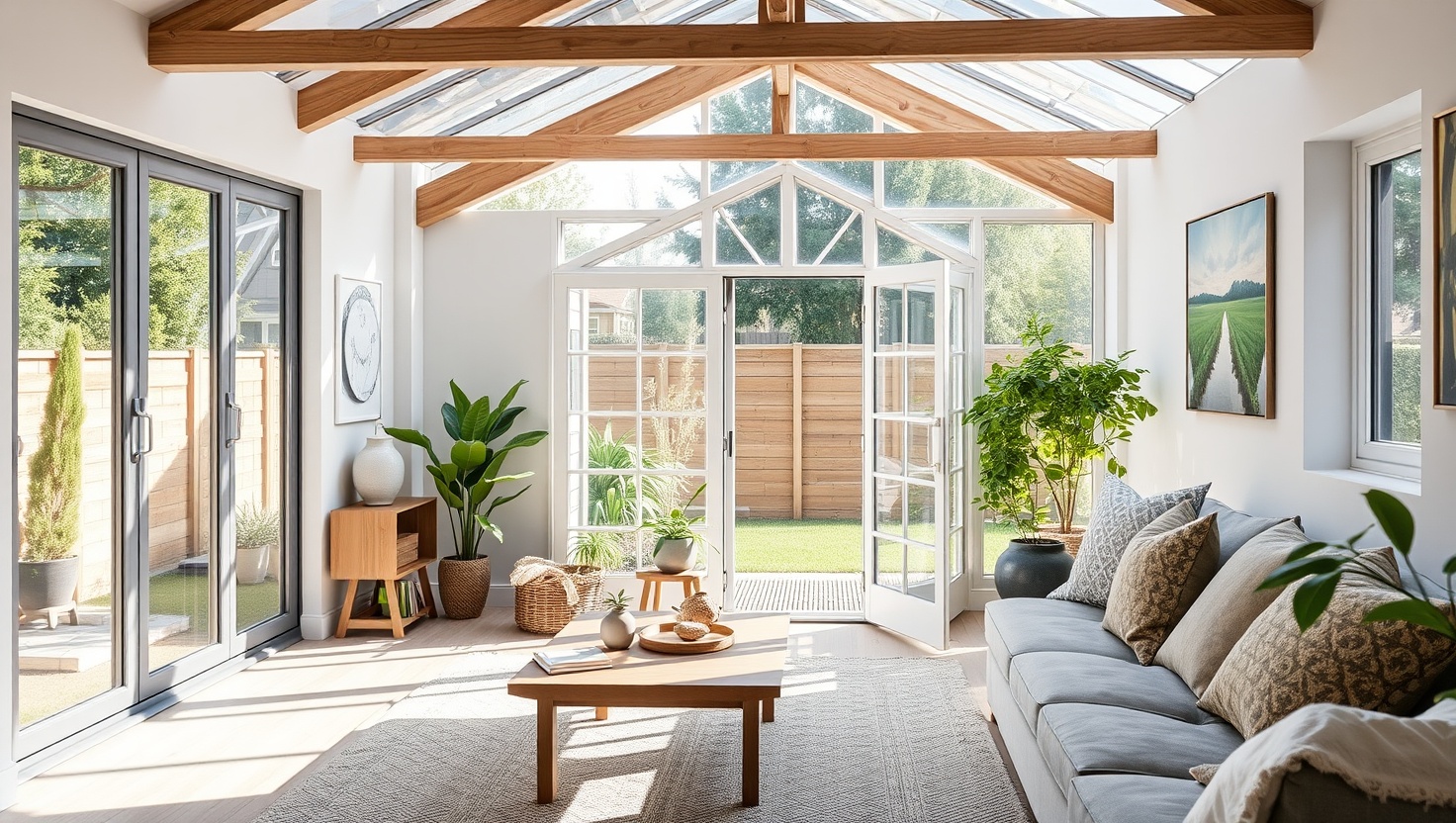
Your tomatoes give up in September. Your seedlings die in a late frost. Your basil goes indoors and sits on a windowsill looking miserable until May. If any of that sounds familiar, a backyard greenhouse is the fix — and it does not have to cost thousands of dollars or take up half your yard. The right small greenhouse kit extends your growing season by months, protects tender plants from the weather, and gives you a dedicated growing space that makes the whole food-gardening habit dramatically easier to maintain.
Palram Canopia Mythos 6x8 — Our Top Recommendation
The Palram Canopia Mythos 6x8 is the benchmark for small backyard greenhouses at a realistic price. It combines the build quality and material specification of greenhouse kits that cost twice as much…
In a hurry? That’s our pick. Want the reasoning and the full comparison? Keep reading.
The challenge is finding the right one. The market ranges from a $40 plastic shelf tent to a $500 polycarbonate walk-in with a built-in gutter and a 10-year warranty. The material, the size, and the anchoring system make or break the experience — and most buying guides skip the honest conversation about which budget models collapse in the first windstorm. This guide gives you the real picture on five greenhouse kits at five different price points, so you can choose the one that actually fits your space, your climate, and your growing goals.
Key Takeaways
- Polycarbonate panels beat plastic film for durability and insulation — especially twin-wall polycarbonate
- A 6x8 greenhouse is the sweet spot for most backyard growers — walk-in height, enough bench space, manageable footprint
- Even a $40 mini greenhouse extends your growing season by 2-3 months for seedlings and tender crops
- Ventilation is critical — look for roof vents and adjustable doors to prevent overheating in summer
- Anchor your greenhouse properly — wind is the number one killer of budget models
- Year-round growing is possible with a polycarbonate greenhouse in most temperate climates
Why Every Grower Needs a Greenhouse
The single biggest frustration in backyard food growing is the calendar. Most vegetables need warmth and frost-free conditions that last only a few months in most climates. A greenhouse does not change the weather — it changes what the weather means for your plants. Inside a polycarbonate greenhouse on a sunny day in March, you can have 15-20°C while the outside temperature hovers near freezing. That gap is everything.
Season extension is the headline benefit, but it is not the only one. Frost protection means you can keep tomatoes, peppers, and aubergines producing weeks — sometimes months — longer into autumn. Pest reduction is underrated: aphids, slugs, caterpillars, and most soil-borne diseases have a much harder time getting to plants in an enclosed structure. Year-round herbs become realistic — parsley, chives, coriander, and salad leaves keep going through winter in a protected space even without supplemental heat.
And then there is seed starting. Being able to start seeds 6-8 weeks before your last frost date, in a controlled environment with consistent temperatures, is one of the highest-leverage things a food grower can do. It extends the season on both ends and dramatically cuts the cost of transplants — you grow your own from seed for pennies instead of buying them as potted plants in spring. A greenhouse makes that routine rather than a gamble.
Polycarbonate vs Plastic Film — Which Material Wins?
This is the most important material decision you will make, and the gap between the two is larger than most people expect.
Polycarbonate panels — especially twin-wall polycarbonate — are rigid, shatter-resistant, UV-stabilized, and genuinely insulating. The twin-wall design traps a layer of air between two sheets of polycarbonate, which acts as insulation in the same way double glazing does in a house. The result is significantly better heat retention at night and in cold weather. Polycarbonate transmits around 80-90% of visible light — enough for strong plant growth — while blocking the UV wavelengths that cause sunburn and plastic degradation. A quality polycarbonate greenhouse will last 10-15 years with minimal maintenance. The Palram Mythos and Outsunny 6x4 in this guide both use polycarbonate panels.
Plastic film and PE cover — the material on budget pop-up and portable greenhouses — is a fundamentally different proposition. Single-layer plastic film has almost no insulating value. Heat gained during the day escapes rapidly at night, so the overnight temperature inside a PE-covered greenhouse can be barely warmer than outside when temperatures drop hard. The material also degrades in UV — most PE covers last 1-3 seasons before becoming brittle and cracking. The trade-off is cost and portability. A PE-covered portable greenhouse costs $40-80 and weighs next to nothing. It is genuinely useful for season extension on the warmer margins — protecting from light frost, adding a few degrees of warmth in spring and autumn — but it will not hold heat through a hard winter.
The verdict: for anything more than lightweight season extension and seedling protection, polycarbonate wins on every metric except upfront cost. If your budget stretches to $200 or above, the durability, insulation, and longevity of polycarbonate make it the right choice for most growers.
The 5 Best Small Greenhouse Kits in 2026
Palram Canopia Mythos 6x8 — Best Overall Polycarbonate
The Palram Canopia Mythos 6x8 is the benchmark for small backyard greenhouses at a realistic price. It combines the build quality and material specification of greenhouse kits that cost twice as much with a footprint — 6 feet wide by 8 feet long — that fits comfortably in most standard backyards without dominating the space. This is the greenhouse that actually turns a casual food grower into someone who is growing year-round, because it works well enough to make that habit stick.
The twin-wall polycarbonate panels are the key to its thermal performance. The air gap between the two polycarbonate layers provides real insulation — overnight temperatures inside the Mythos stay noticeably higher than outside, which matters enormously when you are trying to protect tender seedlings in March or keep tomatoes producing into October. The aluminum frame is powder-coated and rust-proof, the panels click into the frame without fiddly glazing bars, and the built-in roof vent is a genuine selling point — roof ventilation is far more effective than door-only ventilation for controlling summer overheating, because hot air rises. Palram backs this with a 10-year warranty, which tells you exactly what they think of their own product's longevity.
Assembly takes most people 4-6 hours with two people and a decent set of tools. The instructions are clear by kit greenhouse standards. The base is not included — you will need to build or buy a pressure-treated timber base or purchase Palram's optional base kit, which adds to the cost but is the right way to set this up properly. Once level and anchored, this greenhouse handles wind, snow, and the general abuse of a UK or northern US climate without drama.
- Twin-wall polycarbonate gives genuine insulation — real heat retention overnight
- Built-in roof vent for effective summer temperature control
- Powder-coated aluminum frame — rust-proof and built to last
- Built-in gutter for rainwater collection off the roof
- 10-year warranty is exceptional for this price category
- 6x8 footprint is the ideal balance of usable space and yard impact
- Base not included — adds cost and assembly time
- 4-6 hours assembly is longer than simpler pop-up options
- Single roof vent may not be sufficient in very hot climates without additional ventilation
- $500 is a meaningful upfront investment compared to budget options
Best for: Backyard growers who want a serious, long-lasting polycarbonate greenhouse that extends the season by months and lasts a decade or more.
Check Price on Amazon →Outsunny 6x4 Walk-In Greenhouse — Best Mid-Range
The Outsunny 6x4 punches well above its $200 price point by offering polycarbonate panels and an aluminum frame at a price where most competitors give you PE fabric on a steel tube frame. That material upgrade is significant: you get real insulation, real UV protection, and real longevity at roughly half the cost of the Palram Mythos. The trade-off is size — at 6x4 feet this is a tighter space than the Mythos, and it will feel cramped if you try to work inside it for extended periods. Think of it more as a protected growing cabinet than a full walk-in workspace.
The sliding door is a thoughtful detail at this price. Hinged doors on compact greenhouses constantly get in the way when you are working in a tight space — a sliding door solves that entirely. The roof vent adds meaningful summer temperature management, which is often omitted on budget polycarbonate models. The aluminum frame assembles in 2-3 hours with basic tools and feels solid once together — not as robust as the Palram, but more than adequate for most backyard conditions when properly anchored.
For growers with smaller yards or tighter budgets who still want genuine polycarbonate performance rather than a fabric shelter, the Outsunny 6x4 is the obvious recommendation. It will last 5-8 years with reasonable care, handles light snow loads, and provides real frost protection. That is a meaningful growing tool for $200.
- Polycarbonate panels at a mid-range price — real insulation for the money
- Sliding door eliminates the space problem of hinged doors in compact greenhouses
- Roof vent included — better temperature management than door-only designs
- Compact 6x4 footprint fits smaller yards and awkward garden corners
- Aluminum frame resists rust — longer lifespan than steel tube alternatives
- 6x4 is genuinely compact — limited elbow room for extended working sessions
- Frame is lighter gauge than the Palram — needs careful anchoring in wind
- Assembly instructions can be unclear in places — allow extra time
- No gutter system unlike the Palram Mythos
Best for: Growers with smaller yards or a tighter budget who want genuine polycarbonate performance without stretching to the Palram price point.
Check Price on Amazon →Eagle Peak 4x6 Portable Walk-In — Best Budget Walk-In
The Eagle Peak 4x6 is what happens when you design a greenhouse for people who want to actually use one rather than spend a weekend building it. It collapses and sets up in minutes with no tools — pop the frame open, drape the PE cover over it, zip it up, and you have a walk-in growing space. No anchor bolts, no glazing bars, no instruction manual marathon. For renters, people who want to move the greenhouse seasonally, or anyone who has been putting off buying one because the assembly process sounds like a weekend of frustration, this is the entry point that actually removes those barriers.
It is genuinely roomy for the price. At 4x6 feet with walk-in height, you can fit grow bags on the floor, hang plants from the frame, and actually step inside and work without crouching. The roll-up door and two roll-up windows give you reasonable ventilation control for a PE-covered structure. The PE cover adds a meaningful layer of protection against light frost — typically 2-4°C of additional warmth on cold nights — which is enough to protect tender seedlings in spring and autumn even if it will not carry you through a hard winter.
The honest limitations: PE fabric degrades faster than polycarbonate, and this greenhouse needs to be anchored properly or it will move in wind. The collapsible frame, while convenient, is not as rigid as a bolted aluminum structure. Budget for replacing the cover after 2-3 seasons in a sunny climate. But at $80, this greenhouse earns its place as the best budget walk-in option for growers who want season extension without the commitment of a permanent structure.
- Sets up in minutes with no tools — lowest barrier to entry of any walk-in
- Collapsible and portable — store it in winter, move it as needed
- Walk-in height with enough floor space for grow bags and hanging plants
- Roll-up door and windows give ventilation control
- Surprisingly roomy interior for an $80 greenhouse
- PE cover has minimal insulation value — not for hard winter use
- Vulnerable to wind if not properly anchored with pegs or weights
- Cover degrades in UV after 2-3 seasons — budget for a replacement
- Frame is less rigid than bolted aluminum structures
- Not suitable as a permanent year-round structure in harsh climates
Best for: Budget-conscious growers, renters, and anyone who wants portable season extension without the cost or commitment of a permanent greenhouse.
Check Price on Amazon →A greenhouse and raised beds are the perfect combination — start seeds in the greenhouse, grow on in raised beds. Here are the best kits to complete the setup.
Palram Canopia Oasis Hexagonal — Best Design Statement
The Palram Oasis Hexagonal is the greenhouse for people who want their growing space to look as intentional as the rest of their garden design. While every other greenhouse in this guide is a rectangular box, the Oasis is a hexagon — six sides, a faceted roof, and the kind of aesthetic that makes it a focal point of the garden rather than something you hide behind the shed. It is genuinely beautiful as a structure, and that matters more than people admit: a greenhouse you are proud of is one you actually use.
Beyond the looks, the hexagonal form is functionally interesting. The faceted roof sheds water and wind load more effectively than a flat or single-ridge roof, and the geometry means there are no awkward corners where cold air pools and humidity builds. Polycarbonate panels give you the same real insulation and UV protection as the Mythos, and the ventilation system — adjustable roof and door openings — is effective for temperature management across seasons.
The Oasis makes most sense if you have a garden where aesthetics are a primary concern — a formal garden, a cottage garden, a patio centrepiece — and you want a functional growing structure that earns its place as a design feature. At $350 with Palram's build quality and polycarbonate panels, it is reasonably priced for what it is. Just understand that you are trading interior floor space for form factor: the hexagonal footprint gives less usable growing area than a rectangular equivalent at the same price.
- Genuinely striking design — a garden focal point rather than utility structure
- Polycarbonate panels deliver real insulation and UV protection
- Hexagonal geometry sheds wind and water load effectively
- Palram build quality and warranty backing the product
- Functional ventilation for year-round temperature management
- Hexagonal footprint gives less usable floor area than a rectangular equivalent
- $350 for limited growing space compared to the Outsunny 6x4 at $200
- Assembly is more complex than rectangular kits due to the geometry
- Not the right choice if maximum growing capacity is your priority
Best for: Gardeners who want a beautiful greenhouse that serves as a garden centrepiece as much as a growing structure, and are happy to trade floor space for aesthetics.
Check Price on Amazon →Worth Garden 4-Tier Mini Greenhouse — Best for Balconies and Patios
The Worth Garden mini greenhouse reframes the question entirely. If you do not have a backyard — or your backyard is a 6x4 foot patio — a walk-in greenhouse is not a realistic option. The Worth Garden fits on a balcony, a patio corner, or even a sheltered spot by the back door, and it provides meaningful seed starting, overwintering, and season extension capability in a 27x19 inch footprint. No yard needed. That is a fundamentally different audience from the other products in this guide, and for that audience, this is the right tool.
The four shelves give you substantial staging capacity for a tiny footprint — seed trays, small pots, herb seedlings, cuttings, overwintering tender plants. The PVC cover zips closed to trap warmth and humidity, and rolls up for access. It protects from light frost and wind, extends the growing season for seedlings by weeks, and costs less than a bag of quality compost. Assembly is a matter of minutes.
Manage expectations honestly: this is not a climate-controlled growing environment. It adds a few degrees of frost protection and wind shelter, not the same thermal performance as a polycarbonate walk-in. In a hard winter it will not keep tropical plants alive without additional heating. But for seed starting in late winter, protecting young transplants from spring frost, and getting cuttings through the autumn — which covers the main season-extension use cases for most people — a $40 mini greenhouse is a genuinely useful tool that earns its place in any edible garden setup.
- 27x19 inch footprint fits balconies, patios, and doorsteps — no yard required
- Four shelves give genuine staging capacity in a minimal space
- Sets up in minutes — no tools, no anchor bolts
- Real frost protection for seedlings and tender cuttings
- At $40, one saved plant pays for it many times over
- PVC cover has minimal insulation — not for hard-winter use without a heater
- Lightweight frame blows over in wind if not sheltered or weighted
- No floor space — shelf growing only, no grow bags or large pots
- Cover degrades after 2-3 seasons of outdoor UV exposure
Best for: Apartment dwellers, balcony growers, and anyone without a yard who wants seed starting and frost protection in the smallest possible footprint.
Check Price on Amazon →Quick Comparison Table
| Product | Price | Size | Material | Best For | Assembly |
|---|---|---|---|---|---|
| Palram Mythos 6x8 | ~$500 | 6x8 ft | Twin-wall polycarbonate | Best overall, year-round | 4-6 hrs, 2 people |
| Outsunny 6x4 | ~$200 | 6x4 ft | Polycarbonate | Mid-range, smaller yard | 2-3 hrs, 1-2 people |
| Eagle Peak 4x6 | ~$80 | 4x6 ft | PE fabric | Budget, portable | 15-30 min, 1 person |
| Palram Oasis Hex | ~$350 | Hexagonal | Polycarbonate | Design statement | 3-5 hrs, 2 people |
| Worth Garden Mini | ~$40 | 27x19 inch | PVC cover | Balcony / patio | 5-10 min, 1 person |
Setting Up Your Greenhouse for Success
Buying a greenhouse is step one. Getting the setup right is where the difference between a useful growing space and an overheated, underused structure actually happens.
Orientation: Face your greenhouse south (in the Northern Hemisphere) or as close to south as your site allows. This maximizes sunlight hours across the year, especially in the lower-sun months when season extension matters most. Even 15-20 degrees off south is fine — avoid north-facing sites if at all possible.
Ventilation: Overheating kills plants faster than cold does in most climates. On a sunny spring day, the interior of an unvented greenhouse can hit 35-40°C — fatal for most seedlings and many crops. Open the roof vent and door early on sunny mornings. If your greenhouse has only door ventilation and no roof vent, consider adding a battery-powered fan or automatic vent opener. These cost $20-40 and remove the anxiety of leaving for work on a spring morning not knowing if the sun will come out.
Watering: Greenhouses shelter plants from rain, which means you take over the watering job entirely. A drip irrigation kit on a timer is the single highest-leverage upgrade you can make to a permanent greenhouse — it takes watering off your daily mental load and ensures consistent moisture even when you are busy or away. A basic kit for a small greenhouse costs $30-50 and pays for itself in saved plants and saved time.
Staging and shelving: Get the most from a small footprint by going vertical. A slatted staging bench along one or both sides gives you space for seed trays and pots at working height. Hanging baskets from the roof frame use otherwise wasted airspace. Growing bags on the floor use the ground level. A well-staged 6x8 greenhouse holds far more plants than it looks like from the outside.
Anchoring: Anchor your greenhouse before the first wind, not after. Most polycarbonate kit greenhouses include anchor points for ground anchors or bolting to a timber base. Use them. Budget PE fabric greenhouses need ground pegs through the base frame and sometimes internal weighting — a few filled watering cans does the job. An unanchored greenhouse is a weather event waiting to happen.
Your greenhouse grows the plants — composting feeds the soil they grow in. Start here to build a compost system that turns garden and kitchen waste into free fertilizer.
How to Choose the Right Size
The most common mistake with greenhouse buying is choosing the size that fits the budget rather than the size that fits the use case. Here is a simple framework:
- Balcony, patio, or doorstep — no yard: A 4-tier mini greenhouse like the Worth Garden is all you need for seed starting and overwintering. It fits where nothing else does and costs almost nothing.
- Very small yard or awkward site: The Eagle Peak 4x6 or Outsunny 6x4 gives you walk-in access and reasonable growing space without requiring much room. Think 6-8 square feet of floor space, tucked into a corner or against a fence.
- Standard backyard, serious food growing: Go to the Palram Mythos 6x8. The extra footprint over a 4x6 model transforms the experience — you have room to stage trays, grow bags on the floor, hang plants, and actually work comfortably without everything being on top of everything else.
- You want a garden feature as well as a growing space: The Palram Oasis Hexagonal. Accept the reduced interior area in exchange for a structure that looks intentional and beautiful in the garden.
One rule applies across all sizes: buy slightly bigger than you think you need. Everyone who buys a 6x4 wishes within a year they had bought a 6x8. The temptation is to be conservative — resist it. A greenhouse you have to squeeze into is frustrating to use, and frustrating tools get abandoned.
Our Top Pick: Palram Canopia Mythos 6x8
Twin-wall polycarbonate, a built-in gutter, roof vent, aluminum frame, and a 10-year warranty at $500. If you are serious about food growing and want a greenhouse that lasts a decade, this is the one to buy.
Check the Palram Mythos on Amazon →Get the Brainstamped Edible Space Guide
Our free guide covers season extension, soil building, container growing, and the quickest ways to start producing food from your own space — however small it is.
Frequently Asked Questions
For most small backyards, a 6x8 foot greenhouse is the sweet spot. It gives you enough room to stand up and move around — essential for actually using the space comfortably — while fitting neatly into a typical garden without dominating the yard. If your outdoor space is genuinely tight, a 4x6 walk-in like the Eagle Peak is a better fit: compact enough for a corner or against a fence, but still large enough for grow bags, hanging baskets, and a small staging shelf. For balconies or patios where floor space is at a premium, a 4-tier mini greenhouse on a 27x19 inch footprint is all you need for seed starting and overwintering tender plants.
It depends on your local planning rules and the size of the structure. In most places, small portable or temporary greenhouses under a certain size — often 100-120 square feet — fall under permitted development and do not require a planning permit. A 6x8 foot greenhouse like the Palram Mythos (48 sq ft) typically does not need a permit in most US jurisdictions or UK planning zones. Larger structures or permanent foundations can trigger permit requirements. Always check with your local planning authority or building department before installing, especially if you plan to lay a concrete foundation. Most kit greenhouse manufacturers include guidance on this in their documentation.
A polycarbonate greenhouse typically stays 5-10°C (9-18°F) warmer than the ambient outdoor temperature on a sunny day, and maintains noticeably higher overnight temperatures due to heat stored in the soil, pots, and thermal mass during the day. Twin-wall polycarbonate panels are significantly better at retaining heat than single-layer plastic film because the air pocket between the layers acts as insulation. In practice this means a polycarbonate greenhouse in a temperate climate can extend your growing season by 2-3 months on each end of the year — starting seeds earlier in spring and keeping crops going well into autumn and sometimes through mild winters. Adding a small electric or paraffin heater can push this further.
Polycarbonate greenhouses with aluminum frames — like the Palram Mythos and Outsunny 6x4 — handle moderate winds well when properly anchored to a base or the ground. The anchoring is the critical part: an unanchored greenhouse of any material will not survive sustained winds above 30-40 mph. Budget PE fabric pop-up greenhouses like the Eagle Peak are much more vulnerable and should be secured with ground anchors or weighted shelving inside. Most polycarbonate kit greenhouses include anchor points or optional anchor kits — use them. If you live in a genuinely windy area, prioritize the aluminum-framed polycarbonate models over fabric-covered designs, and consider the hexagonal Palram Oasis which has a more aerodynamic profile than rectangular designs.
Yes — for most food growers, a greenhouse is one of the highest-return investments you can make. The ability to start seeds 6-8 weeks earlier than outdoor conditions allow gives you a meaningful head start on the growing season. Frost protection means you can keep tomatoes, peppers, cucumbers, and other warm-season crops producing weeks longer in autumn. Year-round salad greens, herbs, and microgreens become realistic in a heated or well-insulated polycarbonate greenhouse. Even a $40 mini greenhouse adds meaningful season extension for seed trays and tender seedlings. The Palram Mythos at $500 pays for itself many times over in extended harvests and plants you start from seed rather than buying as transplants.