Best Backyard Chicken Coops for Beginners in 2026
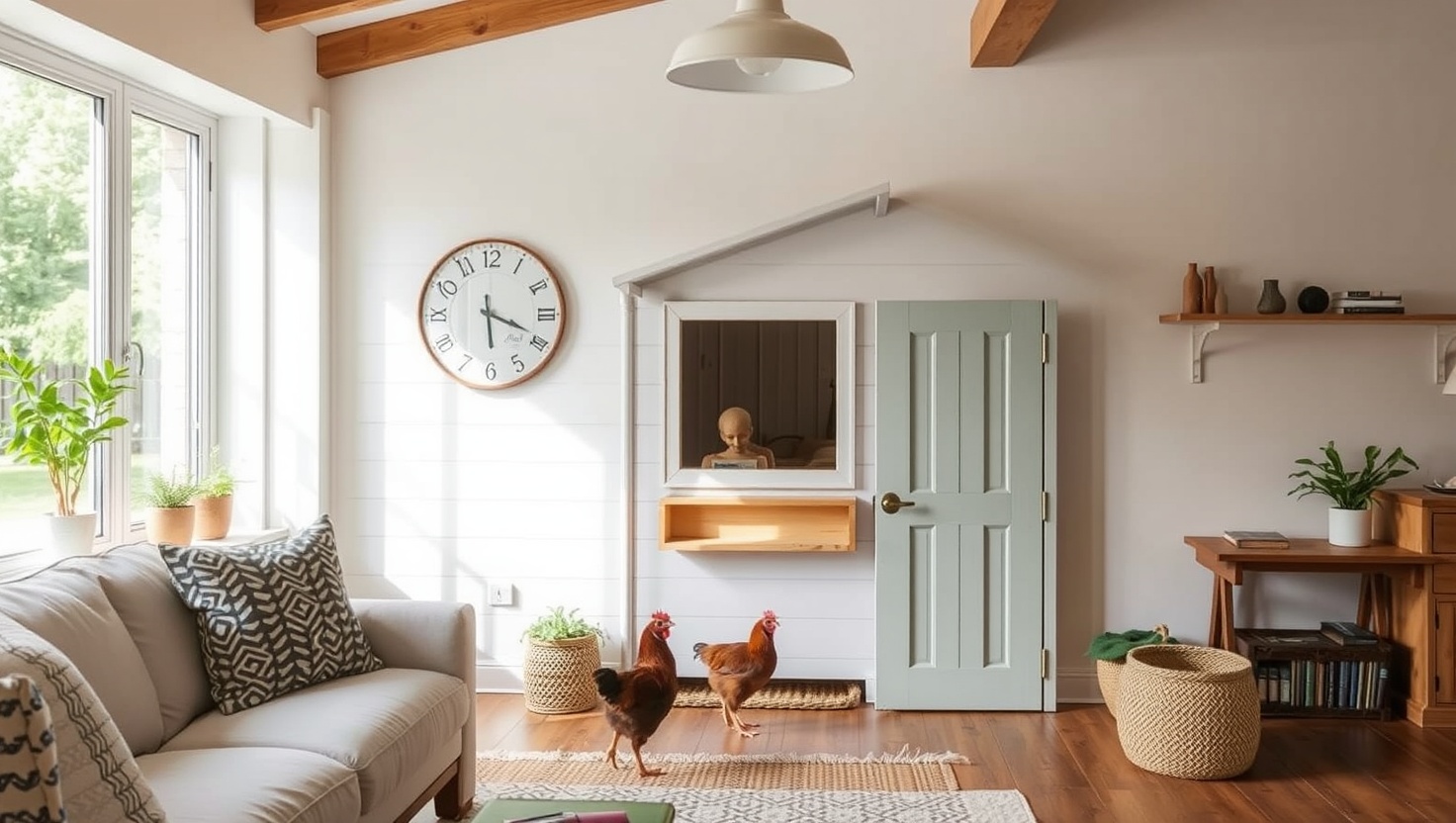
Fresh eggs every morning, from your own backyard. No farm required. No experience required. Backyard chickens are one of the fastest-growing self-sufficiency trends — and for good reason. A small flock of 3-4 hens produces roughly 20 eggs per week, costs less to feed than most streaming subscriptions, and turns kitchen scraps into fertilizer. The barrier to entry? A decent coop. Not a Pinterest fantasy barn. A practical, predator-proof, easy-to-clean structure that keeps your birds safe and your neighbors unbothered. Here are the best ones for beginners.
OverEZ Large Chicken Coop — Best Overall
The OverEZ Large is what serious backyard chicken keeping actually looks like. This is a walk-in design — you can stand inside it, move around, collect eggs without crouching, and deep-clean the…
In a hurry? That’s our pick. Want the reasoning and the full comparison? Keep reading.
Key Takeaways
- A flock of 3-4 hens produces 15-20 eggs per week — enough to cover a household entirely
- Best overall: OverEZ Large Chicken Coop ($500) — walk-in design, solid wood, holds 15 chickens
- Best for easy maintenance: Omlet Eglu Cube ($450) — 60-second cleaning, insulated, predator-proof plastic
- Best value: Producers Pride Sentinel ($300) — solid wood, elevated, holds 8-12 birds at a mid-range price
- Best for small flocks: Aivituvin Wooden Coop ($180) — compact design for 2-4 hens in tight yards
- Best budget pick: Pawhut Large Wooden Coop ($150) — entry-level coop for 3-5 chickens, gets you started for less
Why Backyard Chickens Are Worth It
The grocery store egg math has gotten brutal. A dozen eggs now costs $5-8 depending on where you live and whether you care about cage-free or organic labels. A laying hen eats roughly $0.25 worth of feed per day and produces an egg every 24-26 hours at peak production. Your cost per egg from a backyard flock works out to about $0.50-0.80 once you factor in feed, bedding, and the initial coop investment — and that drops significantly as the coop pays for itself over the first year.
The real economics of a small flock
Three hens in a decent coop, fed quality layer pellets, will produce somewhere between 15 and 18 eggs per week during their prime laying years. That's roughly two dozen eggs every 10 days. Most households buying two-dozen eggs per week at $6 a carton are spending over $300 a year just on eggs. Three hens cost about $90-120 a year to feed. The coop pays for itself in one to two years, and after that you're running a food supply that costs less than a Netflix subscription.
Pest control, composting, and your kids actually caring about food
Chickens are voracious insect hunters. They will decimate a tick population, eat Japanese beetle grubs, and handle most garden pest problems without chemical intervention. Let them scratch through your compost pile for an afternoon and they'll turn it faster than any tumbler. Their droppings are high-nitrogen fertilizer — mix them into compost and they supercharge garden soil. If you have kids, few things are more effective at connecting them to where food actually comes from than collecting eggs from your own backyard.
Food independence — the practical version
You don't need a 40-acre homestead to take meaningful steps toward food self-sufficiency. A small flock in a suburban backyard, fed kitchen scraps and quality layer feed, produces a steady protein source entirely outside the supply chain. Chickens also eat table scraps — vegetable peels, stale bread, leftover rice, fruit cores — which closes the food loop in a way that feels genuinely satisfying. That's real food independence at a scale that's actually achievable for most people.
What Makes a Good Beginner Coop
A chicken coop is not a decorative garden ornament. It's a shelter that needs to keep birds alive through predator attacks, temperature extremes, and the general chaos of animals living in a box together. These are the features that actually matter.
Predator protection — the non-negotiable
Raccoons are smarter than most people give them credit for. They can open simple wire latches, reach through wide-mesh chicken wire, and work on a problem for as long as it takes. A beginner coop needs hardware cloth (welded wire with openings no larger than half an inch) rather than standard chicken wire on any openings, and a latch system that requires two distinct movements to open. Foxes and coyotes will dig under a run floor — an apron of hardware cloth buried 6-12 inches around the perimeter or laid flat on the ground stops them. Every single coop on this list addresses predator protection differently; we'll tell you exactly how.
Ventilation without drafts
Chickens produce a lot of moisture through their breathing and droppings. Without adequate airflow, ammonia builds up, humidity spikes, and respiratory disease follows. A good coop has ventilation openings near the top of the walls — high placement means air moves through without creating a ground-level draft that chills the birds. Windows that open are ideal; fixed mesh vents work fine too. Look for coops with ventilation on multiple sides so you can manage airflow seasonally.
Nesting boxes and roosting bars
Hens need one nesting box for every three to four birds — they share, and they'll queue up if needed. Boxes should be dark, enclosed, and slightly lower than the roosting bars, otherwise hens will sleep in the boxes and soil them. Roosting bars are where chickens sleep — they need at least 8-12 inches of bar space per bird. Bars should be round or slightly oval so chickens can properly wrap their toes around them while sleeping.
The space rules: 4 and 10
The industry standard minimum is 4 square feet of indoor coop space per bird and 10 square feet of outdoor run space per bird. These are minimums — crowded birds peck each other, get stressed, and produce fewer eggs. When you see a coop rated for "up to 8 chickens," apply the 4-square-foot rule to the floor area yourself to check whether that's realistic. A comfortable coop for 6 birds has at least 24 square feet of interior floor space. Most coops rated for a certain number are optimistic; size down one level from the stated maximum.
Easy cleaning design
You will clean this coop every week. The design matters. Pull-out droppings trays under roosting bars save enormous amounts of time — lift out, dump, replace. Elevated floors with droppings pans below are easier to manage than flat-floor designs. Wide doors that give you actual access to the interior (walk-in designs are ideal) make deep cleaning a 20-minute job instead of a 90-minute ordeal on your knees. Coop hygiene directly affects flock health — prioritize clean-friendly design from the start.
Quick Comparison
| Coop | Price | Capacity | Best For | Design |
|---|---|---|---|---|
| OverEZ Large Chicken Coop | $500 | Up to 15 | Best overall | Walk-in wood |
| Omlet Eglu Cube | $450 | 6-10 | Easy maintenance | Insulated plastic |
| Producers Pride Sentinel | $300 | 8-12 | Best value | Elevated wood |
| Aivituvin Wooden Coop | $180 | 2-4 | Small flocks | Compact elevated |
| Pawhut Large Wooden Coop | $150 | 3-5 | Best budget | Elevated + run |
The 5 Best Backyard Chicken Coops for Beginners in 2026
The OverEZ Large is what serious backyard chicken keeping actually looks like. This is a walk-in design — you can stand inside it, move around, collect eggs without crouching, and deep-clean the floor like a normal person. At a rated capacity of 15 chickens, it gives you real flexibility: start with 4-6 birds and expand the flock without needing a new coop. Apply the 4-square-foot rule and you're looking at a genuinely comfortable home for 8-10 birds with room to spare.
Construction uses pressure-treated wood panels that arrive pre-cut and labeled — assembly takes 2-3 hours for two people and doesn't require specialized tools or carpentry skills. The kit includes four nesting boxes, a full-length roosting bar, and large windows on multiple walls for ventilation. The sloped roof with overhang keeps rain out while allowing airflow, and the floor design elevates the structure to prevent ground moisture from rotting the base.
The OverEZ doesn't include a run — you'll need to fence off a separate outdoor area or attach a run separately. For beginners planning to free-range their flock in a fenced yard, this isn't a drawback. For anyone without a secure fenced yard, budget for a hardware cloth run to attach to the coop. At $500, this is the top of the beginner price range, but it's a structure you won't outgrow and won't need to replace in two years.
Pros
- Walk-in design makes cleaning and egg collection easy
- Holds up to 15 chickens — room to grow your flock
- Solid wood construction built for multi-year use
- 4 nesting boxes included
- Pre-cut panels assemble in 2-3 hours
Cons
- $500 is the highest price on this list
- No attached run — requires separate fencing
- Larger footprint needs more yard space
- Heavy — difficult to relocate once assembled
The Omlet Eglu Cube is the chicken coop that makes skeptics into believers. Omlet is a UK company founded by design students who asked why chicken coops had to be ugly, difficult to clean, and poorly insulated — and then spent years building the answer. The result is a double-walled plastic coop with genuine insulation that keeps birds warmer in winter and cooler in summer than any wooden coop at this price point.
The standout feature is the cleaning system. A full pull-out droppings tray sits beneath the roosting bars and slides out like a drawer. Empty it, rinse it, slide it back. Omlet claims 60 seconds for daily maintenance — that's actually accurate once you're in the rhythm. The coop interior is smooth plastic with no rough surfaces or tight corners where mites and bacteria can hide, which significantly reduces the deep-cleaning burden compared to wood construction.
The Eglu Cube comes with an attached run featuring Omlet's anti-tunnel skirt — a mesh apron that extends outward along the ground to stop foxes and raccoons from digging under. The run panels use heavy-gauge welded wire rather than standard chicken wire, making it meaningfully more predator-resistant. The whole unit sits on legs that raise it off the ground, which improves airflow and discourages rats from nesting underneath.
For 6-10 chickens, this is the most complete, lowest-friction system on the list. The plastic construction won't rot, split, or need painting. The downside is price relative to wooden alternatives — you're paying for engineering and durability, not raw material. People who buy the Eglu Cube tend to keep it for a decade.
Pros
- Pull-out droppings tray for 60-second daily cleaning
- Twin-wall insulation keeps hens warm in winter
- Attached run with anti-tunnel skirt and heavy-gauge wire
- Plastic won't rot, split, or need repainting
- Smooth interior resists mites and bacteria
Cons
- $450 puts it at the top end of this list
- Plastic exterior divides opinion aesthetically
- Run space limited — consider extension panels for larger flocks
The Producers Pride Sentinel hits the price point where backyard chicken keeping stops feeling like an expensive hobby and starts feeling like a practical decision. At $300 for a coop rated for 8-12 chickens, you're getting more capacity per dollar than anything else on this list — and the build quality holds up over multiple seasons.
The Sentinel uses an elevated wood frame design — the main coop sits raised off the ground on legs, which keeps the floor dry, discourages predators from sheltering beneath it, and gives your chickens a sheltered outdoor area underneath the structure. Four nesting boxes are built into the side with external access doors, which means you can collect eggs without entering the coop at all. One grab of the latch, the door swings open, you reach in from outside. Clean and simple.
Metal roof panels protect against rain and UV degradation better than OSB or plywood alternatives. The roosting bar runs the full interior width, giving your flock adequate sleeping space without fighting for position. Ventilation comes via adjustable vents near the roofline and windows that open for hot-weather airflow. Assembly is straightforward with the included hardware and instructions — budget a weekend afternoon.
Like the OverEZ, the Sentinel doesn't come with an attached covered run. Most owners at this price point fence off a dedicated run area and build it out separately. If you're planning to let your flock free-range in a secure yard during the day and lock them in at night, that's completely workable — but plan for the fencing cost as part of your total setup budget.
Pros
- Best capacity-to-price ratio on this list
- Elevated design keeps floor dry, deters predators
- External egg collection — no need to enter the coop daily
- Metal roof panels for long-term weather resistance
- 4 nesting boxes handle a proper flock
Cons
- No attached run included
- Assembly takes longer than kit-style coops
- Wood will need treatment or painting over time
Not everyone wants 10 chickens. Some people want a manageable small flock — two or three hens that produce enough eggs for one person or a couple, take up minimal space, and don't require a major infrastructure investment to get started. The Aivituvin Wooden Coop is built for exactly that situation, and it delivers more thoughtful design than most coops at this price point.
The standout feature is the waterproof asphalt shingle roof — a genuine upgrade over the painted plywood roof panels common on budget coops. Asphalt shingles shed rain properly, resist UV degradation, and last significantly longer. Combined with the elevated floor design, the coop interior stays dry in conditions that would cause cheaper coops to rot within a season or two.
A pull-out cleaning tray slides under the roosting area — you don't have to bend down and scrape, you pull the tray, dump it, slide it back. The nesting box has its own exterior access door for egg collection without disturbing the flock. The attached enclosed run gives your small flock outdoor access in a secure space even if you're not home to supervise free-ranging.
At 2-4 birds, apply the 4-square-foot rule honestly before purchasing. The Aivituvin works best for two or three hens — at four birds it's workable but snug. If you know you want to eventually expand to five or six birds, step up to the Producers Pride Sentinel instead and save yourself the upgrade purchase in a year.
Pros
- Compact footprint fits small yards
- Waterproof asphalt shingle roof — better than budget alternatives
- Pull-out cleaning tray for easy daily maintenance
- Attached enclosed run for daytime security
- External nesting box access for easy egg collection
Cons
- Only suitable for 2-3 hens comfortably
- Not suitable for expanding flock later
- Run space is limited — supplement with supervised free-ranging
The Pawhut Large Wooden Coop is the entry point. At $150, it's the most accessible way to get a small flock started — and it covers the fundamentals well enough to serve as a genuine first coop rather than a toy. For 3-5 small to medium chickens, it provides everything the birds need to be safe, dry, and productive.
The elevated design raises the coop body off the ground on four legs, with a ramp allowing chickens to move between the enclosed sleeping area and the wire mesh run below and in front. The nesting box sits inside the main coop body and is accessible via a side door. A roosting bar runs the width of the coop interior. Wire mesh on the run section keeps the flock contained and provides ventilation.
At this price point, you're getting functional design rather than premium materials. The wood will need weatherproofing if you're in a climate with real rain or harsh winters — apply a wood sealant before your first use and reapply annually. The latches are basic; consider upgrading the main door latch to a raccoon-proof design, which costs a few dollars at a hardware store and significantly improves your flock's nighttime security.
The Pawhut is honest about what it is. It's a budget coop, not a lifetime coop. Many beginners start here, run it for a season or two, and then upgrade to the Producers Pride or OverEZ when they're sure backyard chickens are a long-term commitment. That's a completely reasonable progression — and at $150, it's a low-risk way to find out.
Pros
- Lowest price on this list at $150
- Covers all fundamentals for a starter flock
- Elevated design with ramp access
- Attached wire mesh run included
- Good entry point for first-time chicken keepers
Cons
- Wood needs weatherproofing before use
- Basic latches need upgrading for predator resistance
- Not a long-term solution for a growing flock
- Limited to 3-4 hens comfortably
How to Set Up Your First Flock
Start with pullets, not chicks
Day-old chicks require a brooder lamp, close temperature monitoring, and six weeks of intense care before they can live outside. Pullets — young hens that are 16-20 weeks old and approaching their first laying cycle — skip all of that. They're hardy enough to go straight into an outdoor coop, and you'll get your first eggs within a few weeks of bringing them home. For a first-time keeper, starting with pullets removes the most stressful part of the process.
Choose the right breeds for laying and temperament
Not all chickens are equal egg producers. For beginners who want consistent production, Rhode Island Reds, Black Sex-Links, Golden Comets, and Australorps are top-tier choices — reliable layers of 5-6 eggs per week with calm temperaments that tolerate backyard conditions well. Avoid fancy heritage breeds as your primary flock if your goal is eggs; they produce less and cost more. If you have kids and want docile birds, Plymouth Rocks and Buff Orpingtons are notably friendly.
Feed quality matters more than most people realize
Layer pellets with 16-18% protein are the staple diet for laying hens. Supplement with oyster shell (calcium for strong eggshells) available free-choice in a separate container. Kitchen scraps — vegetable peels, fruit, cooked grains, plain yogurt — are welcomed and reduce your feed costs. Avoid feeding them avocado, onions, raw beans, or anything moldy. Fresh water available at all times is non-negotiable, especially in summer.
Ready to Start Your Backyard Flock?
The OverEZ Large Chicken Coop is our top pick for beginners who are serious about keeping chickens for the long term. Walk-in design, solid wood, 15-bird capacity — buy it once and don't replace it. If you're starting smaller or want the easiest maintenance possible, the Omlet Eglu Cube is worth every dollar of its $450 price tag.
Get the OverEZ Large Coop →