
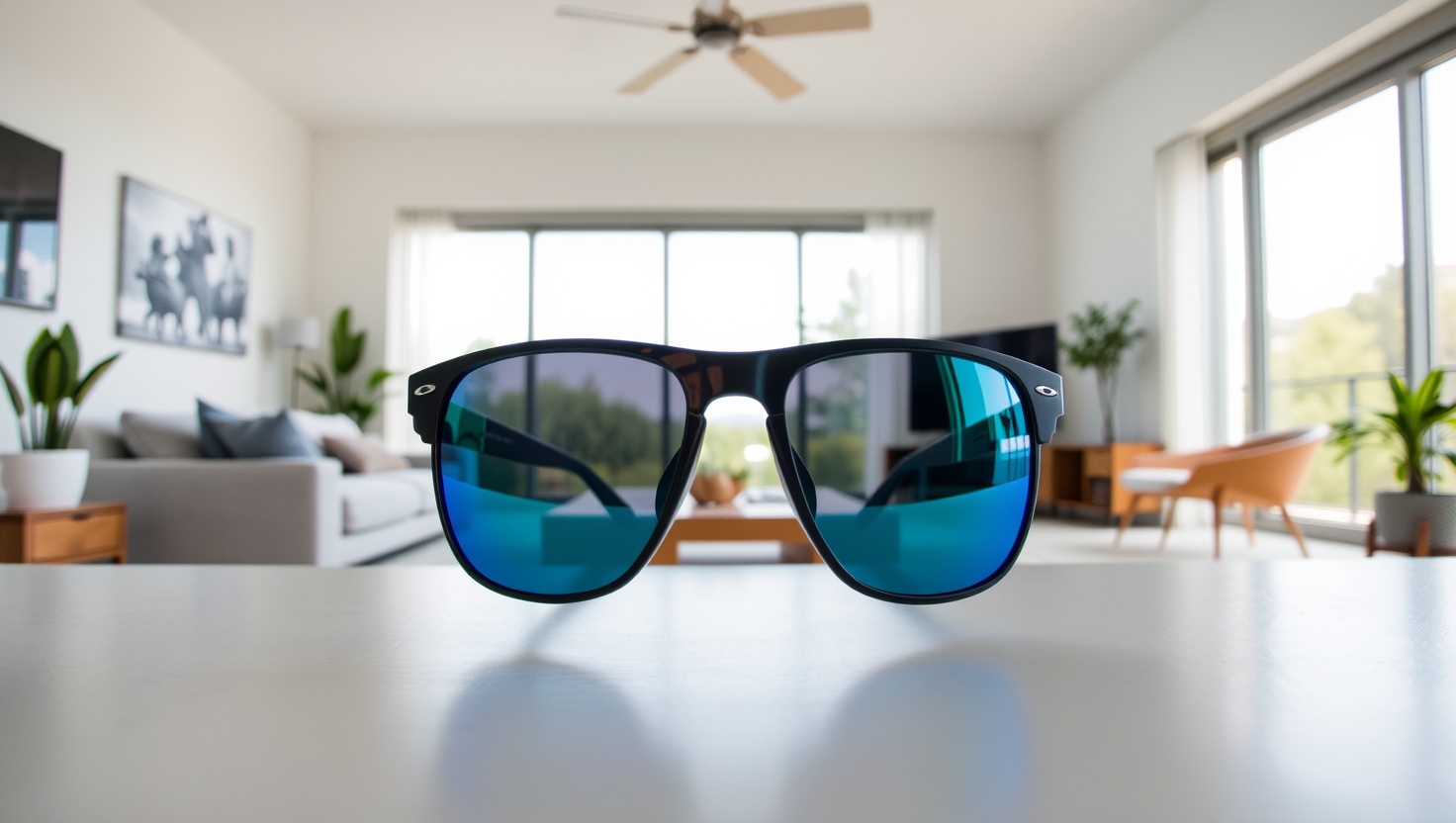
One brand made sunglasses a fashion statement. The other made them a piece of sports equipment. So which pair belongs on your face?
Ray-Ban — Top Pick
With timeless shapes, premium acetate frames, and versatility that carries you from the office to the weekend, Ray-Ban is the sunglasses brand that looks right almost anywhere and never goes out of style.
In a hurry? That's our pick. Want the reasoning and the full comparison? Keep reading.
Ray-Ban and Oakley have spent decades pulling in opposite directions, and that tension is exactly why this matchup matters. Ray-Ban built its name on timeless shapes, hand-finished acetate, and a look that has stayed cool since your grandfather wore Aviators. Oakley took the opposite road: engineer sunglasses like performance gear, obsess over impact resistance, and squeeze every drop of clarity out of the lens. Both are excellent. Neither is for everyone.
The trick is knowing which promise you actually want. If you care about how you look walking into a room, one of these brands is the obvious call. If you care about how the world looks when you are moving fast in bright light, the answer flips. Below we put Ray-Ban and Oakley side by side on style, fit, lens technology, durability, and value, then pick a winner and point you to two strong alternatives in case neither quite fits your face or your life.
Key Takeaways
- Ray-Ban wins on style and everyday versatility, with iconic acetate frames that look right almost anywhere. It is our overall pick.
- Oakley wins on lens technology and durability, with Prizm lenses and tough O-Matter frames built for sport and speed.
- Ray-Ban uses premium acetate and classic shapes; Oakley uses lightweight, impact-resistant O-Matter and a wrap fit for active use.
- Prizm lenses boost contrast for specific activities, while Ray-Ban leans on clean, true-to-life tints and optional polarization.
- Prefer heritage craftsmanship? Persol is a superb premium alternative. Chasing the sharpest polarized clarity? Maui Jim is the one to try.
Round 1: Style, Fit & Icon Status
This is Ray-Ban's home turf. The Wayfarer and Aviator are not just sunglasses, they are shapes that have shaped culture for decades, and Ray-Ban builds them from thick, premium acetate that feels substantial and looks expensive in person. The appeal is versatility: a pair of Ray-Bans reads just as well with a suit as with a t-shirt, and the classic silhouettes flatter a wide range of face shapes. Rounder faces tend to love the angular Wayfarer, while oval and square faces can wear almost anything Ray-Ban makes. If you want one pair that works for every occasion and never looks dated, this is the brand built for it.
Oakley plays a different game. Its frames, including the popular Holbrook, are engineered around a bolder, sportier aesthetic and a fit designed to stay put when you move. The O-Matter frame material is lightweight and grippy, and many models wrap slightly to hug your face and cut glare from the sides. That makes Oakley fantastic for driving, running, cycling, and anything outdoors, but the look leans athletic. The Holbrook softens that with a cleaner, more lifestyle-friendly shape, yet you still read as someone dressed for action rather than a dinner reservation. Great in the right context, less flexible than Ray-Ban across the board.
So the style verdict comes down to your life. Want sunglasses that quietly say you have taste and pair with anything? Ray-Ban takes it comfortably. Want a secure, purposeful fit that stays locked on during activity and looks the part outdoors? Oakley earns the nod. For pure icon status and everyday flexibility, though, Ray-Ban is tough to beat, and that is a big part of why it wins this comparison overall.
Round 2: Lens Tech, Durability & Value
Here Oakley strikes back hard. Its Prizm lens technology is the headline feature, tuning specific colors to boost contrast for particular activities, so trails pop on a bike, the ball stands out on the green, and the road reads more clearly while driving. It is genuinely useful tech, not just marketing. Pair that with O-Matter frames engineered for impact resistance and a secure hold, and Oakley is the brand you want when performance and eye protection under stress actually matter. If you spend real time moving fast in bright light, Prizm is a reason to choose Oakley on its own.
Ray-Ban answers with clean, true-to-life tints and the option of polarized lenses that cut glare beautifully for driving and water. The optics are excellent and the lenses render color naturally rather than boosting it, which many people prefer for daily wear. What Ray-Ban does not chase is activity-specific lens tuning, so for pure sport clarity Oakley has the edge, while for everyday, accurate vision Ray-Ban holds its own easily. Both brands deliver strong UV protection, which is the non-negotiable baseline any quality sunglasses must meet.
On durability and value, it is closer than you might think. Oakley's O-Matter frames shrug off drops and flex better under abuse, making them the safer bet if you are rough on your gear. Ray-Ban's acetate is beautiful and sturdy but a bit more precious. On value, both sit in the premium tier and hold their resale and reputation well, so you are paying for genuine quality either way. If lens performance and toughness top your list, Oakley delivers. If timeless looks and versatile everyday optics win, Ray-Ban justifies every cent.
Quick Comparison
| Product | Best For | Frame | Lens Strength | Fit |
|---|---|---|---|---|
| Ray-Ban | Style + everyday wear | Premium acetate | Clean, true tints | Classic all-around |
| Oakley Holbrook | Sport + lens tech | Tough O-Matter | Prizm contrast | Secure, active |
| Persol | Premium craftsmanship | Hand-finished acetate | Crystal glass lenses | Refined, dressy |
| Maui Jim | Polarized clarity | Lightweight nylon | Vivid polarized | Comfort-focused |
1. Ray-Ban — Winner: Best for Style
Ray-Ban
Ray-Ban is the pair we recommend to most people, and the reason is simple: it looks great on almost everyone, in almost any setting. The acetate is thick and premium, the shapes are the ones that defined sunglasses in the first place, and the whole thing carries a quiet confidence that never goes out of style. Wayfarers and Aviators flatter a wide range of face shapes, so you are likely to find a model that fits you well without much trial and error.
The optics back up the looks. True-to-life tints keep colors natural, and the optional polarized lenses cut glare hard for driving and time near water, all with the strong UV protection you should demand. Ray-Ban does not chase activity-specific lens tuning, so it is not the sharpest tool for high-speed sport. But for a single pair that works from the office to the weekend and still looks right in five years, Ray-Ban is the easy call and our overall winner.
Pros
- Timeless, universally flattering shapes like the Wayfarer and Aviator
- Premium acetate frames that look and feel expensive
- Incredibly versatile across every occasion and outfit
- Clean, true-to-life tints with optional glare-cutting polarization
- Strong resale value and lasting brand cachet
Cons
- No activity-specific lens tech for high-speed sport
- Acetate frames feel a touch more precious than sport materials
- Sits firmly in the premium price tier
2. Oakley Holbrook — Best for Sport & Lens Tech
Oakley Holbrook
The Oakley Holbrook is where performance meets a look you can actually wear off the field. Its O-Matter frame is lightweight, grippy, and built to take a beating, so it stays put and survives the drops that would worry a dressier pair. The Holbrook shape is cleaner and more lifestyle-friendly than Oakley's most aggressive sport frames, which makes it the natural bridge for someone who wants the tech without looking like they are mid-race.
The star is Prizm lens technology. By tuning specific colors, Prizm lifts contrast for whatever you are doing, making trails, roads, and fairways read more clearly and vividly. Add serious impact resistance and strong UV protection, and the Holbrook becomes the obvious pick for driving, running, cycling, and long days in bright light. The trade-off is a more athletic vibe that is less at home in formal settings, but for active use, few brands touch it.
Pros
- Prizm lenses boost contrast for real, activity-specific clarity
- Tough O-Matter frame shrugs off drops and abuse
- Secure, slightly wrapped fit that stays locked during movement
- Cleaner Holbrook shape works for lifestyle wear too
- Excellent for driving, sport, and long outdoor days
Cons
- Athletic look is less versatile for formal settings
- Prizm tuning is best matched to specific activities
- Sport styling will not suit every face or wardrobe
3. Persol — Best Premium Craftsmanship Alternative
Persol
If Ray-Ban's style appeals but you want to step up the craftsmanship, Persol is the alternative worth your attention. Made in Italy with meticulous hand finishing, Persol frames carry heritage details like the signature Meflecto flexible arms and the arrow hinge, and they feel like a piece of jewelry rather than a mass-market accessory. The look is refined and slightly dressy, ideal if you want sunglasses that read as understated luxury.
The optical crystal glass lenses deliver superb, distortion-free clarity that fans swear by, with excellent UV protection as standard. Persol is not a sport brand, so you are not buying it for a wrap fit or activity-tuned lenses. You are buying it for the finest everyday craftsmanship and a timeless, elevated style. If your priority is a beautifully made pair with a story, Persol earns the splurge.
Pros
- Hand-finished, Italian-made frames with genuine heritage
- Signature Meflecto arms and arrow hinge for comfort and style
- Optical crystal glass lenses with superb clarity
- Refined, understated look that feels like quiet luxury
- Strong UV protection with premium build throughout
Cons
- Not designed for sport or active, high-speed use
- Sits at the top of the premium price range
- Dressier styling is less casual than everyday Ray-Bans
4. Maui Jim — Best Polarized Clarity Alternative
Maui Jim
When it comes to cutting glare and making colors sing, Maui Jim is the alternative that lens obsessives reach for. Its polarized lenses are built around a color-enhancing technology that lifts contrast and clarity in bright, reflective conditions, which is why beachgoers, boaters, and drivers rave about them. Look through a pair in harsh sun and the difference in comfort and vividness is immediately obvious.
The frames are typically lightweight nylon that you can wear all day without fatigue, and UV protection is excellent as you would expect at this level. Maui Jim is less about heritage style or sport-wrap engineering and more about pure visual experience in bright light. If your main frustration is glare and you want the most vivid, comfortable polarized view of the world, Maui Jim is the pair to try.
Pros
- Outstanding polarized lenses that crush glare
- Color-enhancing tech makes bright scenes vivid and clear
- Lightweight nylon frames stay comfortable all day
- Excellent for water, beach, and driving in harsh sun
- Strong UV protection with a comfort-first design
Cons
- Less focused on heritage style or icon status
- Not built with a sport-specific wrap fit
- Premium lens quality carries a premium price
Which Should You Choose?
Pick Ray-Ban if you want timeless style and everyday versatility
If you want one pair of sunglasses that looks great in every setting and never goes out of fashion, Ray-Ban is the clear choice. The premium acetate frames and iconic Wayfarer and Aviator shapes flatter most faces, pair with any outfit, and carry a quiet confidence that sport styling cannot match. For daily wear, driving, and looking sharp, Ray-Ban wins this matchup.
Pick Oakley if you want lens tech, durability, and an active fit
If you spend real time moving fast in bright light, Oakley is built for you. The Holbrook pairs Prizm lens technology, which boosts contrast for driving, cycling, and sport, with a tough O-Matter frame and a secure, slightly wrapped fit that stays put. When performance, clarity, and toughness matter more than dressing up, Oakley is the smarter buy.
Consider the alternatives if neither quite fits your priorities
Want Ray-Ban's style but even finer craftsmanship? Persol delivers hand-finished Italian frames and crystal glass lenses for a refined, luxury feel. Battling constant glare and craving the most vivid view in bright sun? Maui Jim's polarized lenses are the gold standard for clarity. Both are premium picks that fill gaps the main two brands leave open.
Ready to Find Your Perfect Pair?
Ray-Ban gives you iconic style and everyday versatility in frames that never look dated. Check current pricing on Ray-Ban and see why it tops our 2026 head-to-head against Oakley.
Explore Brainstamped's Free ToolsFrequently Asked Questions
It depends on what you want. Ray-Ban wins for timeless style, premium acetate frames, and everyday versatility, which makes it the better all-around pick for most people. Oakley wins for lens technology, durability, and an active fit, so it is better if you drive, run, cycle, or spend long days in bright light. For pure style and daily wear, we give Ray-Ban the edge overall.
Prizm is Oakley's lens technology that tunes specific colors to boost contrast for particular activities, so trails, roads, and fairways read more clearly and vividly. If you spend real time driving, cycling, or in sport, Prizm is genuinely useful and worth the premium. For casual everyday wear, the benefit is smaller, and Ray-Ban's clean, true-to-life tints may suit you better.
They serve different goals. Ray-Ban's premium acetate looks and feels expensive and is beautifully finished, which is ideal for style and everyday wear. Oakley's O-Matter is lightweight, grippy, and highly impact-resistant, which is better if you are rough on your gear or need a secure fit during activity. Pick acetate for looks, O-Matter for toughness and sport.
Yes. Both Ray-Ban and Oakley deliver strong UV protection as a baseline, which is the non-negotiable feature any quality sunglasses must have. The differences between them come down to lens technology, tint approach, frame materials, and fit rather than basic sun protection, so you are covered either way on the health side.
Ray-Ban offers a wide range of classic shapes that flatter many face types, with angular Wayfarers suiting rounder faces and Aviators working across the board. Oakley frames like the Holbrook have a slight wrap and secure fit that hug the face and suit those wanting a snug, active hold. Try both shapes on if you can, since fit is personal and both brands offer multiple sizes.