
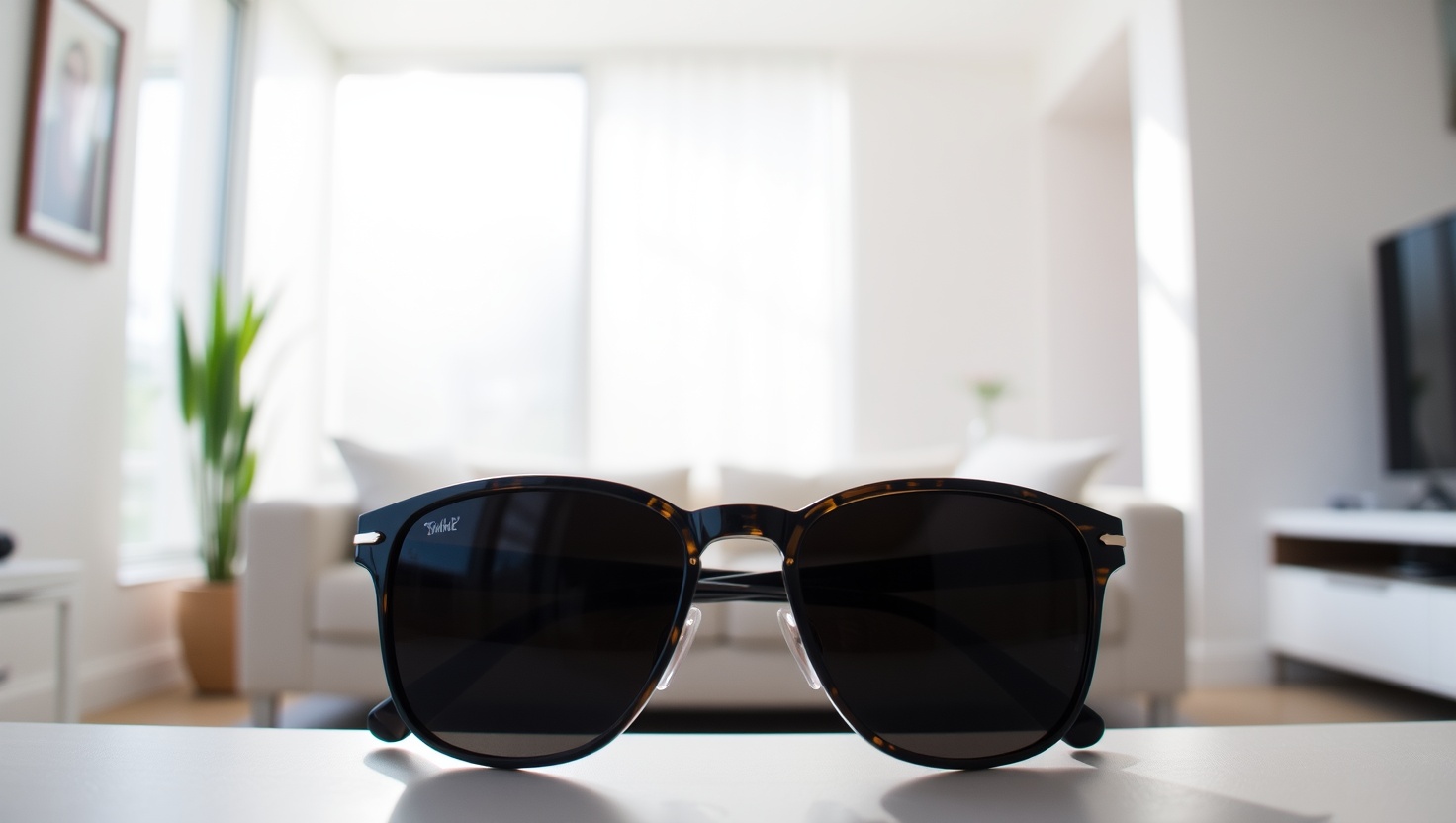
You are not paying $200 for a logo. You are paying for lenses that actually protect your eyes and frames that survive more than one summer.
Ray-Ban — Top Pick
Ray-Ban wins for the same reasons it has for decades: timeless designs, a huge range of shapes and lens options, and dependable UV400 and polarized protection. It is the one pair that handles everyday life, work, and travel without ever looking dated.
In a hurry? That's our pick. Want the reasoning and the full comparison? Keep reading.
Cheap sunglasses feel like a bargain until the coating peels, the hinges loosen, and your eyes still burn after an afternoon outside. Luxury sunglasses cost more for real reasons: better lens technology, tougher materials, and optics that reduce glare instead of just tinting the world darker. Once you understand what you are actually buying, the price stops looking crazy.
This guide breaks down what separates true designer eyewear from mall-kiosk knockoffs. You will learn how polarized and UV400 lenses work, why acetate frames beat cheap plastic, how glass and polycarbonate lenses differ, and which brands earn their reputation. Then you get four picks worth your money, with honest pros, cons, and who each pair fits best.
Key Takeaways
- Luxury sunglasses justify their price through lens quality, durable materials, and precision optics, not brand names alone.
- Look for UV400 protection and polarized lenses to cut glare and protect your eyes on the road and water.
- Acetate frames last longer and sit more comfortably than cheap injection-molded plastic.
- Ray-Ban is our top pick for timeless style, huge selection, and proven all-around value.
- Match the lens tech and frame style to how you actually live: driving, sport, water, or everyday wear.
What You Are Actually Paying For
Start with the lenses, because that is where cheap glasses fail you fastest. UV400 is the standard you want: it blocks nearly all UVA and UVB rays up to 400 nanometers, the light that damages your eyes over years. A dark tint alone does not do this. Worse, dark lenses without UV protection open your pupils wide and let more harmful light in. Every pair in this guide meets or beats UV400.
Polarization is the next big upgrade. Polarized lenses contain a filter that kills the horizontal glare bouncing off roads, water, and car hoods. If you drive, fish, or spend time near the coast, you feel the difference immediately: the world looks calmer, colors get richer, and your eyes stop working overtime. It is the single feature most people notice the moment they put on a real pair.
Then there is lens material. Glass lenses, used in brands like Persol, deliver the sharpest optical clarity and resist scratches better than almost anything, though they weigh more and can shatter on hard impact. Polycarbonate lenses, favored by sport brands like Oakley, are lighter and far more impact-resistant, which is why they suit an active life. Neither is simply better; they fit different jobs.
Frames, Fit, and Face Shape
Frame material decides how long your sunglasses survive daily abuse. Acetate, a plant-based plastic used by Ray-Ban, Persol, and Maui Jim, feels solid, holds color deep in the material, and can be adjusted by an optician with a little heat. Cheap injection-molded plastic goes brittle, fades, and cracks at the hinges. Metal frames add a lighter, dressier option and pair well with classic aviators, though they bend more easily.
Fit matters as much as looks. A frame that pinches your temples or slides down your nose ruins even the best lenses. Look for adjustable nose pads or a shape that sits level without digging in. Sport frames like the Oakley Holbrook add grippy nose and temple pads so they stay put when you sweat or move fast.
Face shape guides style more than rules dictate it, but a simple approach works. Round faces suit angular frames like the Wayfarer or Holbrook to add definition. Square or angular faces soften nicely under rounded or aviator shapes. Oval faces get the easy road and pull off almost anything. When in doubt, contrast your frame shape against your face shape and you will look intentional, not accidental.
Brand Heritage Still Means Something
Heritage is not just marketing. Ray-Ban invented the modern aviator and defined the Wayfarer, and decades of refinement show in the fit and the lens options. Persol has been hand-finishing frames in Italy since 1917, and its crystal glass lenses and Meflecto flexible arms reflect that craft. These stories translate into build quality you can feel in your hands.
Oakley built its name on sport performance, and its Prizm lens technology tunes contrast for specific environments so trails, roads, and water pop with detail. Maui Jim grew up on Hawaiian beaches, obsessing over glare and color until its PolarizedPlus2 lenses became a benchmark for clarity near water. Buy from these brands through Amazon or an authorized seller and you get the genuine article, warranty included, with none of the coating and UV shortcuts that plague knockoffs.
Quick Comparison
| Product | Best For | Lens Tech | Frame Material | Style |
|---|---|---|---|---|
| Ray-Ban | Overall & heritage | Polarized / UV400 options | Acetate & metal | Timeless icons |
| Persol | Premium craftsmanship | Crystal glass lenses | Italian acetate | Refined classic |
| Oakley Holbrook | Active & sport | Prizm contrast lenses | O Matter frame | Sport-lifestyle |
| Maui Jim | Glare & water | PolarizedPlus2 | Acetate & nylon | Vivid & bright |
1. Ray-Ban — Best Overall & Heritage
Ray-Ban
Ray-Ban earns the top spot because it does everything well and rarely goes out of style. The Wayfarer and Aviator are the sunglasses other brands copy, and that iconic status comes with a genuinely huge range: shapes, sizes, colors, and lens upgrades to match almost any face and budget. You are buying into a design language that has looked right for seventy years and still does.
Beyond the look, the lenses deliver. UV400 protection comes standard, and polarized options cut glare hard for driving and bright days. Acetate frames feel substantial and take an optician's adjustment when you need a tweak. If you want one pair that handles work, weekends, and travel without a second thought, this is the safe, smart choice.
Pros
- Timeless, universally flattering designs
- Enormous range of shapes, sizes, and lens options
- Solid acetate and metal frame quality
- Polarized and UV400 lens choices available
- Holds resale value and rarely looks dated
Cons
- Popular styles are widely counterfeited, so buy authorized
- Base models cost more than budget brands
- Standard lenses are polycarbonate, not glass
2. Persol — Best Premium Craftsmanship
Persol
Persol is for the person who notices details. Made in Italy since 1917, each frame is hand-finished from rich acetate, and the crystal glass lenses give an optical sharpness and scratch resistance that most polycarbonate lenses cannot match. Pick up a pair and the weight, the polish, and the smooth Meflecto flexible arms tell you where the money went.
This is a slower, quieter kind of luxury. You will not find flashy logos, just clean lines and craftsmanship that ages beautifully. If you already own a solid everyday pair and want something special that feels like an heirloom, Persol delivers. Just know the glass lenses add weight and demand a little more care than sport plastics.
Pros
- Hand-finished in Italy with genuine craft heritage
- Crystal glass lenses offer superb clarity and scratch resistance
- Meflecto flexible arms add long-term comfort
- Understated, timeless design with no loud branding
- Premium acetate that ages gracefully
Cons
- Glass lenses are heavier than polycarbonate
- Higher price than most mainstream brands
- Fewer sport and wraparound options
3. Oakley Holbrook — Best Active & Sport
Oakley Holbrook
The Oakley Holbrook bridges sport and street style better than almost anything. Its lightweight O Matter frame and impact-resistant lenses shrug off an active life, while the clean, squared shape looks at home off the trail too. If your sunglasses take a beating, this pair is built for it.
The real magic is Prizm lens technology, which boosts contrast for specific settings so you spot detail others miss: texture on a trail, brake lights on the road, ripples on the water. Grippy nose and temple pads keep the frame locked in when you move or sweat. For anyone who drives, hikes, bikes, or just wants durable everyday shades, the Holbrook is a smart, hard-wearing pick.
Pros
- Prizm lenses sharpen contrast and detail impressively
- Lightweight, impact-resistant O Matter frame
- Grippy pads keep the frame secure during activity
- Sport-meets-street styling works everywhere
- Tough enough for daily rough use
Cons
- Bolder look than classic heritage frames
- Prizm upgrades add to the price
- Less formal than acetate dress styles
4. Maui Jim — Best for Glare & Water
Maui Jim
Maui Jim built its reputation on one thing: taming glare without dulling the world. Its PolarizedPlus2 lenses kill harsh reflections off water, sand, and pavement while actually boosting color, so the ocean looks bluer and greens look richer instead of washed out. Near water or in punishing brightness, the clarity is genuinely best in class.
This is the pair to reach for if you fish, boat, spend time at the beach, or just live somewhere relentlessly sunny. Frames come in both acetate and lightweight nylon, so you can pick everyday elegance or an active fit. The trade-off is a premium price, but for glare control and eye comfort in bright conditions, few brands come close.
Pros
- PolarizedPlus2 lenses cut glare exceptionally well
- Colors look vivid and enhanced, not dulled
- Excellent clarity near water and in bright sun
- Frame options in both acetate and light nylon
- Strong UV protection for long outdoor days
Cons
- Premium pricing sits at the higher end
- Style range is smaller than Ray-Ban's
- Best strengths shine mostly in bright, glary settings
Which Should You Choose?
If you want one pair for everything
Go with Ray-Ban. The timeless shapes, huge selection, and reliable UV400 and polarized options make it the easiest pick for daily life, work, and travel. You get a look that stays right for years and lenses that genuinely protect your eyes.
If you live near water or bright glare
Choose Maui Jim for its PolarizedPlus2 clarity, or the Oakley Holbrook if you want a tougher, sport-ready frame with Prizm contrast. Both handle punishing light beautifully; Maui Jim leans elegant, Oakley leans active.
If craftsmanship is the whole point
Persol rewards you with hand-finished Italian frames and crystal glass lenses. It is the connoisseur's pick, a quiet luxury that feels like an heirloom and ages better than almost anything else on this list.
Ready to protect your eyes in style?
The right pair of luxury sunglasses pays for itself in comfort, eye protection, and years of wear. Ray-Ban is our top pick for timeless style and all-around value, and Maui Jim is the runner-up for anyone battling glare. Check the current price and find the pair that fits your life.
Explore Brainstamped's Free ToolsFrequently Asked Questions
Yes, when you buy for the right reasons. Better lenses with reliable UV400 and polarization, durable acetate or glass, and precise optics reduce eye strain and last far longer than cheap pairs. You are paying for protection and durability, not just a logo.
UV400 lenses block virtually all ultraviolet light up to 400 nanometers, the wavelengths that damage your eyes over time. Dark tint alone does not protect you, and can even make things worse by widening your pupils, so always confirm true UV400 protection.
Polarized lenses cut horizontal glare off roads, water, and shiny surfaces, which helps most people, especially drivers and anyone near water. The one caveat is that they can make some LCD screens harder to read, so pilots and certain gauge users sometimes prefer non-polarized.
Glass, as used in Persol, offers the sharpest clarity and best scratch resistance but weighs more and can shatter. Polycarbonate, used in sport brands like Oakley, is lighter and far more impact-resistant. Choose glass for everyday clarity, polycarbonate for active use.
Buy from Amazon or an authorized retailer so you get genuine lenses, real UV protection, and the manufacturer warranty. Counterfeits often skip proper UV coatings, which is worse for your eyes than no sunglasses at all. Authenticity here is about safety, not just status.