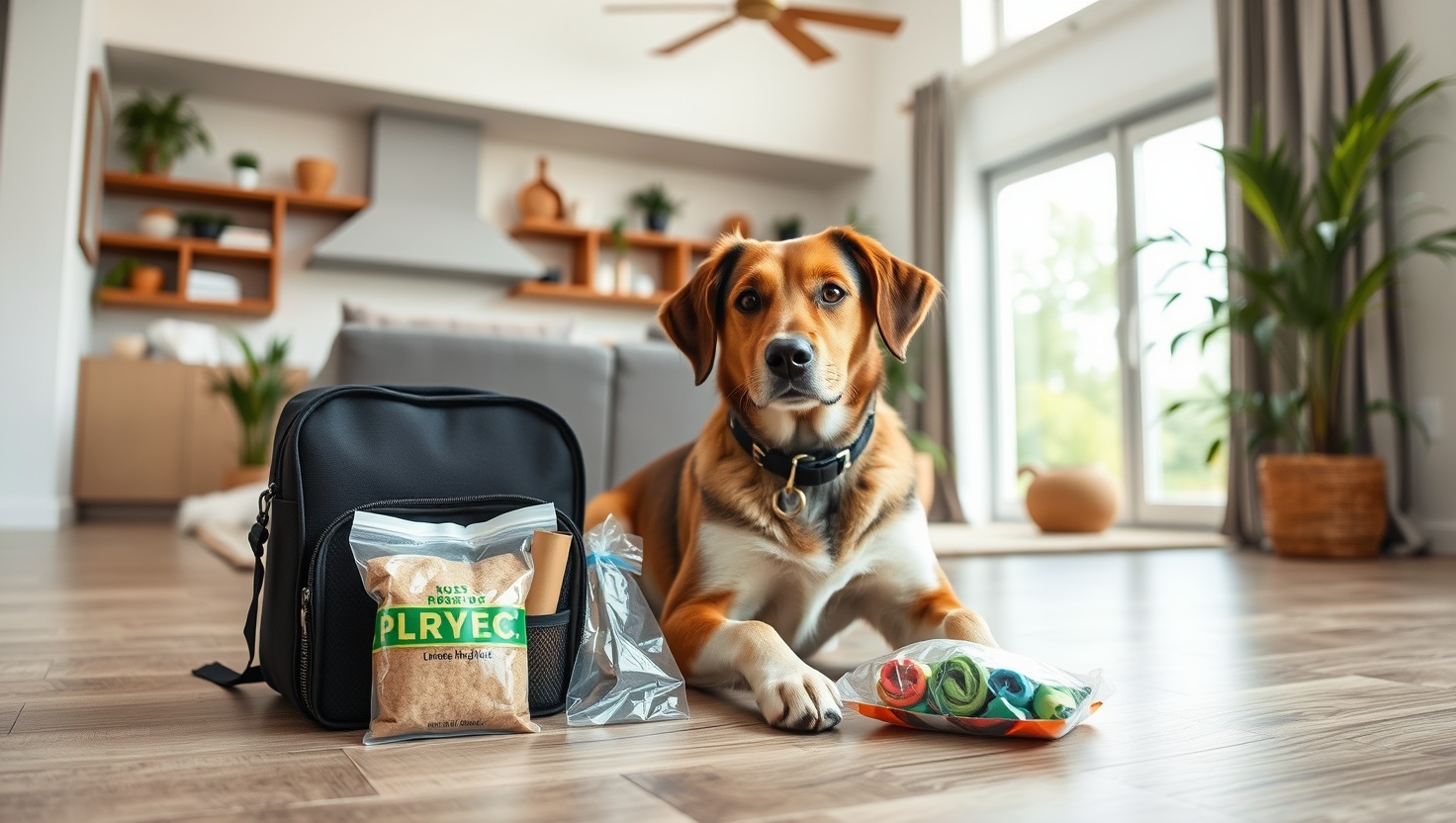
Your pet cannot dial 911. They cannot pack a bag, grab their medication, or find their vaccination records during a crisis. That is your job. And if you have not built a pet emergency preparedness kit yet, you are gambling with the safety of a family member who depends entirely on you. The good news: it takes about an hour and costs between $50 and $200 to build a complete kit that covers any scenario — from a sudden evacuation to a multi-day power outage.
Pre-Made Pet Emergency Kit — Our Top Recommendation
A pre-assembled pet emergency kit gets you from zero to prepared in one purchase. The best ones include food and water containers, collapsible bowls, basic first aid supplies, waste bags, an…
In a hurry? That’s our pick. Want the reasoning and the full comparison? Keep reading.
Here is the reality most pet owners miss: standard emergency kits are designed for humans. They do not include pet food, species-appropriate water amounts, carriers, animal medications, or the documents you need to get your pet into an emergency shelter. During Hurricane Katrina, an estimated 600,000 pets were left behind because their owners had no evacuation plan for animals. Many people refused to leave because shelters would not accept pets. That does not need to be your story.
This guide walks you through exactly what belongs in a pet emergency preparedness kit — for dogs, cats, and small animals — which products are worth buying, and how to keep your kit fresh and ready year-round. Whether you live in a hurricane zone, earthquake country, or a flood-prone area, your pet deserves a go-bag as much as you do.
Key Takeaways
- Your pet needs their own emergency kit separate from your human supplies — their food, water needs, medications, and comfort items are fundamentally different
- Store 3-7 days of food, water (1 oz per pound of body weight per day), and all prescription medications with written dosage instructions
- Keep vaccination records, ownership proof, and a recent photo of your pet in a waterproof bag — many shelters require documentation for entry
- A sturdy carrier is non-negotiable for evacuation — practice getting your pet comfortable in it before an emergency hits
- Dogs, cats, and small animals have different kit requirements — customize for your specific species
- Rotate food every 6 months, check medications quarterly, and update documents annually to keep your kit ready
Why Your Pet Needs Their Own Emergency Kit
Most people assume their household emergency kit covers the whole family. It does not. Your human kit has energy bars and water pouches designed for people, first aid supplies sized for human wounds, and documents for human identification. None of that helps a 70-pound Labrador or a skittish cat during an evacuation.
Shelters Require Documentation
Emergency shelters that accept pets (and more do than you might think, especially since the PETS Act of 2006) typically require proof of vaccination, particularly for rabies. No documentation, no entry. If your vaccination records are buried in a drawer at home — the home you just evacuated from — you have a problem. A waterproof copy in your pet emergency kit solves this instantly.
Pets Get Stressed in Emergencies
Animals pick up on your stress. Add unfamiliar surroundings, loud noises, other animals, and disrupted routines, and you have a recipe for a panicked pet who refuses to eat, tries to bolt, or becomes aggressive. A familiar blanket, a favorite toy, and their regular food (not whatever random kibble you can find at a shelter) makes a measurable difference in keeping your animal calm and manageable during a crisis.
Medication Gaps Can Be Dangerous
If your pet takes daily medication — for seizures, thyroid conditions, heart disease, diabetes, or anxiety — even a 48-hour gap can be medically serious. Pharmacies may be closed. Your vet's office may be unreachable. Having a 7-14 day medication supply in your emergency kit with clear dosage instructions written on a waterproof card means your pet stays medically stable no matter what is happening around you.
You Cannot Share Everything
Human pain relievers like ibuprofen and acetaminophen are toxic to dogs and cats. Human food rations may contain ingredients harmful to animals (xylitol, onion powder, garlic). Your water filter works for both species, but your dog needs their own stored water supply sized to their weight. The kits are simply different, and trying to improvise during a crisis puts your pet at risk.
The Complete Pet Emergency Kit Checklist
Here are the seven categories every pet emergency kit must cover. Customize quantities based on your pet's size and species, but do not skip any category. Each one exists because real emergencies have proven it necessary.
This article contains affiliate links. We earn a small commission on purchases at no extra cost to you. We only recommend products we genuinely believe improve your emergency readiness.
1 Food — 3 to 7 Days of Their Regular Diet
Store your pet's regular food, not a random bag of cheap kibble. During a crisis, a sudden diet change causes vomiting and diarrhea — the last thing you need when clean water and sanitation are limited. Dry kibble stores better than wet food and weighs less, but include a few cans of wet food as well for hydration and palatability. Stressed animals sometimes refuse dry food entirely.
How much: Calculate your pet's daily food intake and multiply by 7. A medium dog eating 2 cups per day needs 14 cups (about 4 lbs of dry food). A cat eating half a cup per day needs 3.5 cups. Store food in airtight containers or resealable bags to keep it fresh and pest-free. Rotate every 6 months by feeding the stored food to your pet and replacing it with a fresh supply.
Pack collapsible silicone bowls — they weigh nothing, flatten for storage, and work for both food and water. Toss in a manual can opener if you are packing wet food. Vacuum-sealing individual daily portions of kibble keeps food fresh longer and lets you count exactly how many days you have at a glance.
2 Water — More Than You Think
The general rule is 1 ounce of water per pound of body weight per day. A 50-pound dog needs about 50 ounces (1.5 liters) daily. A 10-pound cat needs about 10 ounces. In hot weather or high-stress situations, those numbers go up by 25-50%. Store at least 3 days' worth, ideally 7.
Emergency water pouches with a 5-year shelf life are the most space-efficient option. You can also fill and seal clean plastic bottles, but replace them every 6 months. A portable water filter like the LifeStraw serves as an excellent backup — if you can find a freshwater source, you can filter water for both yourself and your pet. Just pour filtered water into their bowl rather than having them drink through the filter directly. For more on emergency water options, check our emergency water storage guide.
3 Medications and Medical Records
This is where preparation can literally save your pet's life. Pack a 7-14 day supply of all prescription medications in their original containers. Include a waterproof card listing: medication names, dosages, frequency, your veterinarian's name and phone number, the nearest emergency animal hospital, and any allergies or medical conditions your pet has.
Make waterproof copies of vaccination records (especially rabies), spay/neuter certificates, microchip information, and pet insurance documents if applicable. Store everything in a ziplock bag or waterproof document pouch. Update this packet whenever medications change or vaccines are renewed. Take photos of all documents and store them in your phone's cloud backup as well — paper copies can get wet, but digital copies survive almost anything.
4 Carrier or Crate — Your Most Important Item
You cannot evacuate a panicked cat in your arms. You cannot control a terrified dog in a chaotic shelter without a leash and collar. A carrier is not optional — it is the single most important item in your pet emergency kit.
For cats and small dogs: a hard-sided carrier with ventilation on multiple sides. Soft-sided carriers work for calm animals but can be clawed or chewed through by panicked pets. For large dogs: a collapsible crate or a sturdy leash, harness, and collar with current ID tags. Make sure the carrier is large enough for your pet to stand, turn around, and lie down comfortably.
Critical step most people skip: Get your pet comfortable in the carrier before an emergency. Leave it out with the door open, put treats inside, feed meals near it. A pet that associates the carrier with stress (vet visits only) will fight you when seconds count. A pet that views the carrier as a familiar safe space will walk in willingly. This one habit can save you ten minutes of wrestling during an evacuation — minutes you may not have.
5 Identification and Ownership Proof
In a large-scale emergency, pets and owners get separated. Shelters fill with unclaimed animals. Fences break, doors open, and frightened pets run. You need multiple layers of identification to get your pet back.
Layer 1: Collar with ID tag that includes your name, phone number, and an out-of-area emergency contact number. Layer 2: Microchip — make sure it is registered and your contact info is current (check this today). Layer 3: Recent photos of your pet, including any identifying marks, stored in your kit and on your phone. Layer 4: A photo of you WITH your pet — this is the single strongest proof of ownership if multiple people claim the same animal.
If your pet is not microchipped, do it before your next kit rotation. It costs $25-50 at most vets and is the single best way to reunite with a lost pet after separation.
6 Comfort Items — Not a Luxury
A familiar blanket, a favorite toy, or even a worn t-shirt that smells like you — these are not extras. They are practical tools for keeping your pet calm in an unfamiliar and stressful situation. A calm pet is easier to transport, less likely to bite or scratch in a shelter, and more likely to eat and drink normally.
Familiar scents activate the olfactory system in ways that genuinely reduce cortisol levels in dogs and cats. A shirt that smells like you is physiologically calming. It weighs nothing and costs nothing.
Include: one familiar blanket or towel (doubles as bedding), one or two favorite toys, calming treats or pheromone-based sprays (Adaptil for dogs or Feliway for cats), and waste management supplies — poop bags for dogs, a small container of litter with a disposable tray for cats.
7 First Aid Supplies — Pet-Specific
A pet first aid kit overlaps with human first aid in some areas but includes critical differences. You need items sized for animals, pet-safe antiseptic (not hydrogen peroxide for cats), tick removal tools, and styptic powder for nail injuries. A good pet first aid kit also includes a reference card — because in a crisis, you will not remember whether you can give your dog Benadryl and at what dose.
At minimum, your pet first aid supplies should include: gauze rolls and pads, self-adhesive bandage wrap (vet wrap), blunt-tipped scissors, tweezers, digital thermometer, saline eye wash, pet-safe antiseptic wipes, styptic powder, disposable gloves, and an emergency blanket. See our best emergency first aid kit guide for more on first aid preparedness.
Species-Specific Tips: Dogs vs. Cats vs. Small Animals
Dogs, cats, and small animals each have unique emergency needs. What works for a Golden Retriever will not work for a nervous tabby or a temperature-sensitive gecko. Here is what to adjust based on your pet.
Dogs
Dogs are generally the easiest pets to evacuate — they are mobile, leash-trained, and adaptable to new environments. But they come with their own challenges during a crisis. Key additions for a dog emergency kit:
- Extra-strong leash and harness — a panicked dog can snap a standard leash. Use a 6-foot nylon lead, not a retractable leash that can malfunction under stress
- Muzzle — even the gentlest dog may snap when injured, scared, or in pain. A soft muzzle prevents bites during first aid or in crowded shelters
- Booties or paw wax — debris, broken glass, and hot pavement can injure paw pads during evacuation
- Long tie-out cable — if you are at a temporary shelter without a fenced area, a tie-out lets your dog rest outside the carrier safely
- Waste bags — pack at least 30 for a week's supply. Shelters and temporary hosts appreciate responsible waste management
Large dogs need significantly more food and water than you might estimate — a 70-pound dog drinking 70 ounces per day for 5 days is roughly 5.2 gallons of water. Calculate carefully and plan for supplemental filtration.
Cats
Cats are harder to evacuate than dogs, full stop. They hide when stressed, resist carriers, scratch when panicked, and are skilled at escaping unfamiliar environments. Preparation matters more for cats than any other pet. Key additions for a cat emergency kit:
- Hard-sided carrier with top opening — lowering a scared cat into a top-loading carrier is dramatically easier than pushing them through a front door
- Carrier cover or towel — visual barriers reduce cat stress significantly. A covered carrier feels like a safe den, not a cage
- Disposable litter tray and small bag of litter — cats will hold waste rather than go on an unfamiliar surface, leading to urinary problems that can become dangerous
- Feliway spray — synthetic feline pheromone that reduces anxiety. Spray the carrier and bedding 15 minutes before loading your cat
- Pillowcase — in a true last-resort emergency, a pillowcase can safely contain a panicking cat for very short transport when no carrier is available (supervised only, never leave unattended)
- Harness and leash — even if your cat has never worn one, it provides a backup tether in shelters where doors open and close constantly
Small Animals: Rabbits, Guinea Pigs, Birds, and Reptiles
Small pets are often forgotten in emergency planning, but they are especially vulnerable to temperature changes, stress, and disrupted environments. Standard pet shelters rarely accommodate exotic animals, so your plan needs to be more self-sufficient.
- Travel habitat — a small, ventilated carrier or travel cage appropriate for the species. Cardboard boxes work short-term for rodents but will be chewed through
- Species-appropriate food — timothy hay for rabbits and guinea pigs, seed mix for birds, appropriate feed for reptiles. You will not find these at a random convenience store during an emergency
- Temperature management — reptiles need a heat source (hand warmers wrapped in cloth work short-term), while rabbits and guinea pigs are vulnerable to heat. Pack accordingly for the season
- Bedding material — small bag of appropriate bedding (paper-based for rodents, liner material for birds)
- Water bottle or dish — whatever your pet normally drinks from, pack a travel version. Small animals dehydrate quickly
For all exotic pets, know the location of the nearest exotic animal veterinarian along your evacuation route. Standard vets may not be equipped to handle reptile or avian emergencies.
Top Products for Your Pet Emergency Kit
You can build a pet emergency kit entirely from items you already own, or you can buy purpose-built products that save time and cover gaps you might miss. These five products are the ones we recommend most based on quality, reviews, and practical usefulness in real emergency scenarios.
1. Pre-Made Pet Emergency Kit — Best Starting Point
A pre-assembled pet emergency kit gets you from zero to prepared in one purchase. The best ones include food and water containers, collapsible bowls, basic first aid supplies, waste bags, an emergency blanket, and a small toy. Think of it as a starter template you customize with your pet's specific medications, documents, and regular food.
The main advantage is completeness — you are less likely to forget items that seem obvious but slip your mind during assembly (like a can opener, waste bags, or a collapsible water bowl). Kits from brands like Ready America and Redfora consistently get strong reviews for covering the basics well at reasonable prices.
Pros
- One purchase covers most basics
- Organized pouch keeps items together
- Includes items you might forget
- Good foundation to customize
- Available for different pet sizes
Cons
- Food included is generic, not your pet's brand
- Still need to add medications and documents
- Quality varies by brand — read reviews
- Carrier not included
We earn a commission on purchases — at no extra cost to you.
2. Hard-Sided Pet Carrier — Best for Safe Evacuation
A quality hard-sided pet carrier is the backbone of any pet evacuation plan. Soft carriers are fine for calm trips to the vet, but in an actual emergency — with a scared animal, debris, noise, and chaos — you want something that cannot be clawed through, chewed open, or collapsed under pressure.
Look for carriers with ventilation on multiple sides, a secure latch that cannot be bumped open accidentally, and enough room for your pet to stand and turn around. For cats, a carrier with a removable top half is ideal — remove the top at a shelter and let your cat stay in the familiar bottom half as a bed. For dogs over 30 pounds, consider a collapsible wire crate with a fitted cover instead.
Pros
- Cannot be chewed or clawed through
- Top-loading option for stressed pets
- Easy to clean and sanitize
- Stackable for multi-pet households
- Doubles as safe space at shelter
Cons
- Bulkier than soft carriers
- Heavy when empty
- Not great for very large dogs
- Needs to be stored somewhere accessible
We earn a commission on purchases — at no extra cost to you.
3. LifeStraw Portable Water Filter — Best Water Backup
The LifeStraw weighs 2 ounces and filters bacteria and parasites from virtually any freshwater source. While your pet cannot drink through it directly, you can filter water into their bowl from any tap, stream, or collected rainwater. It removes 99.9999% of bacteria and 99.9% of parasites — making questionable water safe for both you and your animals.
This is especially valuable when stored water runs out faster than expected — which happens frequently when you are hydrating multiple pets in warm weather. A 60-pound dog needs roughly 2 liters per day. Five days of water for one large dog is over 22 pounds of water weight alone. The LifeStraw eliminates the need to carry all of that if a freshwater source is available. At $20, there is no reason not to have one as a backup. For more filtration options, see our best water filters for emergencies guide.
Pros
- 2 oz — practically weightless
- Filters 1,000 gallons
- No batteries or chemicals needed
- Works for you and your pets
- $20 — incredibly affordable
Cons
- Cannot filter chemicals or heavy metals
- Pets cannot drink through it directly
- Requires a freshwater source
- Does not store water
We earn a commission on purchases — at no extra cost to you.
4. Pet First Aid Kit — Best Medical Preparedness
A dedicated pet first aid kit contains supplies sized and formulated for animals — something your human first aid kit simply does not cover. The best pet first aid kits include vet wrap (self-adhesive bandage), pet-safe antiseptic, styptic powder for nail injuries, tick removal tools, a digital thermometer, saline eye wash, gauze, scissors, and a quick-reference first aid card.
That reference card is more valuable than you might think. Under stress, you will not remember whether activated charcoal is safe for cats (it is, in specific doses) or what a normal heart rate for a dog looks like (60-140 bpm depending on size). Having a laminated guide inside the kit means you can act quickly and correctly even when your hands are shaking.
Pros
- Pet-specific supplies and sizes
- Includes first aid reference card
- Organized and labeled
- Compact and lightweight
- Covers cuts, bites, stings, and more
Cons
- Does not include medications
- Some kits skimp on quality — read reviews
- Serious injuries still need a vet
- Supplies expire — check annually
We earn a commission on purchases — at no extra cost to you.
5. Midland ER310 Emergency Radio — Best for Staying Informed
Knowing when to evacuate — and when it is safe to stay — depends on receiving emergency alerts. The Midland ER310 receives NOAA weather alerts, runs on hand crank, solar, or rechargeable battery, and includes a flashlight and USB phone charging port. When cell towers go down (common in major emergencies), this radio is your lifeline to official information.
This is technically a human kit item, but it directly protects your pets by keeping you informed. An early evacuation alert gives you time to load carriers, grab pet kits, and leave calmly instead of scrambling at the last minute when roads are already jammed. The built-in flashlight helps you navigate to your pet's carrier in a dark house during a power outage. One device, multiple critical functions. Read more in our best emergency radios guide.
Pros
- 4 power sources — never dies
- NOAA emergency alerts
- Built-in flashlight + SOS beacon
- Charges your phone via USB
- Compact — about 1 lb
Cons
- Phone charging is slow via crank
- Solar charging needs direct sunlight
- Speaker quality is average
- $40 — most expensive single item in this list
We earn a commission on purchases — at no extra cost to you.
Side-by-Side Comparison
Here is how all five products compare on the factors that matter most for pet emergency preparedness.
| Product | Purpose | Weight | Best For | Price |
|---|---|---|---|---|
| Pet Emergency Kit | Complete starter kit | ~3-5 lbs | Getting started fast | ~$40-80 |
| Hard-Sided Carrier | Safe evacuation transport | ~4-8 lbs | Cats and small dogs | ~$25-60 |
| LifeStraw Filter | Backup water purification | 2 oz | Extended emergencies | ~$20 |
| Pet First Aid Kit | Injury treatment | ~1 lb | Cuts, bites, stings | ~$20-35 |
| Midland ER310 Radio | Emergency alerts + light | ~1 lb | Staying informed | ~$40 |
How to Maintain and Rotate Your Pet Emergency Kit
Building the kit is step one. Keeping it ready is the part most people forget. An emergency kit with expired medication and stale food gives you false confidence. Here is your maintenance schedule.
Every 3 Months
- Check expiration dates on all medications — replace anything within 30 days of expiring
- Verify your vet's contact info and the nearest emergency animal hospital are still current
- Confirm your pet's ID tag information is accurate, especially if you changed phone numbers
Every 6 Months
- Rotate stored food — feed the old supply to your pet and replace with fresh
- Replace stored water unless using sealed emergency pouches with 5-year shelf life
- Check first aid supplies for expiration and completeness
- Test the carrier — make sure latches work and there is no damage
- Update photos of your pet if their appearance has changed
Every 12 Months
- Update vaccination records after annual vet visits
- Confirm your microchip registration is current with accurate contact info
- Reassess food and water quantities if your pet's weight has changed
- Review your evacuation plan — do you know current pet-friendly shelters in your area?
- Replace comfort items if they have deteriorated
Your Pet Evacuation Plan
A kit without a plan is just a bag of stuff. You need to know where you are going, how you are getting there, and what happens when you arrive. Take 15 minutes to answer these questions and write the answers on a card inside your kit.
- Where are the nearest pet-friendly shelters? — Search your county's emergency management website or call your local Red Cross chapter. Many now list pet-friendly evacuation centers
- Do you have a pet-friendly backup location? — A friend or family member outside your immediate area who can take you and your pet. Hotels along your evacuation route that accept pets
- Who is your pet's emergency contact? — If you are separated from your pet, who can pick them up? Give this person a copy of your pet's records and a recent photo
- Where is your vet's emergency number? — Your regular vet and the nearest 24-hour emergency animal hospital, written on a waterproof card in the kit
- Can you load your pet in under 5 minutes? — Practice this. Time yourself getting your pet into the carrier with the kit packed and ready to walk out the door. If it takes more than 5 minutes, figure out what is slowing you down and fix it now
Never leave pets behind during an evacuation. If you truly cannot bring your pet with you, call your local animal control or emergency management office immediately — many communities have pet evacuation assistance programs. Write your address and number of animals on a visible sign near your front door so responders know animals are inside.
For a complete family emergency communication strategy that includes pets, check our family emergency communication plan guide. And if you are building a broader food supply alongside your pet kit, our emergency food kit roundup covers the human side of preparedness.
Your pet is counting on you
One hour and $85-160 is all it takes to build a pet emergency kit that covers any scenario. Start with a pre-made kit, add your pet's specific food and medications, and practice loading the carrier. You have the knowledge now — take action today.
Check Pet Emergency Kits Check Pet CarriersFrequently Asked Questions
Get practical emergency readiness guides in your inbox
One email per week. No spam, no fear-mongering — just honest advice on protecting what matters most.