Best Microgreens Growing Kits for Beginners in 2026
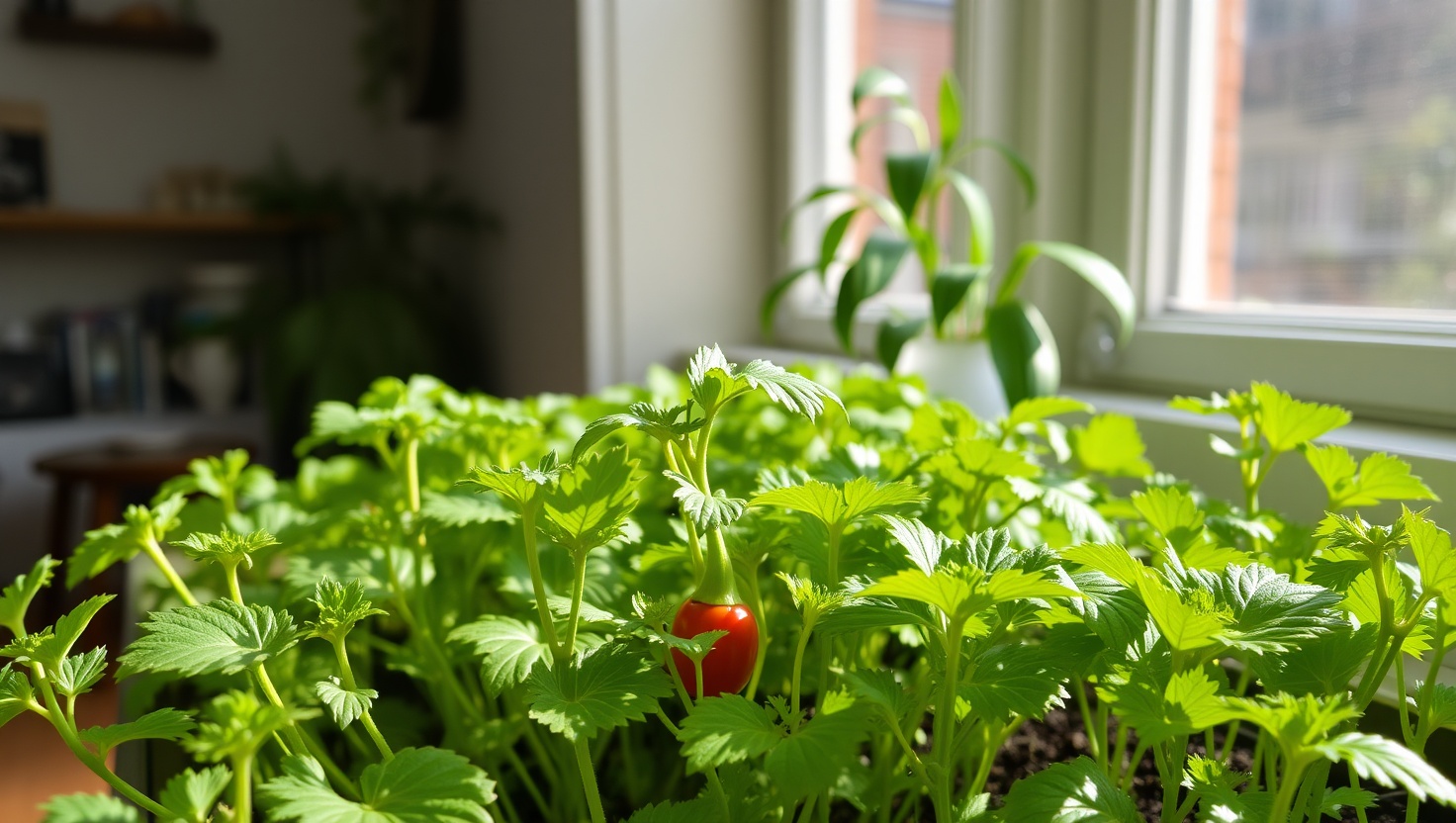
A single tray of microgreens contains up to 40 times the nutrients of their full-grown counterparts. They grow in under 10 days, need no garden, no special lights, and barely any space. The microgreens market just crossed $3 billion globally — and for good reason. These tiny plants are the fastest path from seed to plate that exists.
ingarden Microgreens Kit — Best Overall
The ingarden is the premium microgreens system on this list, and it earns that position in a specific way: it completely removes the two biggest failure points for beginners — overwatering and soil…
In a hurry? That’s our pick. Want the reasoning and the full comparison? Keep reading.
Whether you want to add nutrition to your meals, reduce your grocery bill, or just see something grow on your kitchen counter this week, a good starter kit removes every barrier. No guesswork on seeds, no hunting for the right trays, no figuring out soil depth. You open the box, add water, and harvest in a week.
Key Takeaways
- Microgreens contain 4-40x the nutrient density of mature vegetables — radish and broccoli are the most potent
- Best overall: ingarden Microgreens Kit ($90) — ceramic tray system, no soil, organic seed pads, harvest in 7 days
- Best for true beginners: Hamama Microgreens Kit ($40) — pre-seeded quilted pads, just add water, nothing to measure
- Best budget: Urban Leaf Starter Kit ($35) — 8 seed varieties, trays, coco coir, spray bottle all included
- Most affordable: Window Garden Kit ($25) — fiber soil discs, 4 seed varieties, reusable BPA-free trays
- Best seed variety: True Leaf Market Kit ($55) — 12 organic seed types, hemp grow mats, professional trays
- All five kits work on a standard kitchen counter with normal indirect or direct window light
Why Microgreens Are Worth Growing at Home
Most people know microgreens are healthy. Fewer people understand just how dramatically more nutritious they are than the full-grown vegetables they come from. A study published in the Journal of Agricultural and Food Chemistry tested 25 different microgreen varieties and found that nearly all of them contained significantly higher concentrations of vitamins, minerals, and antioxidants than their mature counterparts — often by a factor of 4 to 40.
Red cabbage microgreens had 40 times more vitamin E and 6 times more vitamin C than mature red cabbage. Cilantro microgreens had three times more beta-carotene. Amaranth microgreens had four times more calcium and 1.8 times more iron. The nutrient concentration happens because the seedling front-loads resources into its first leaves — the cotyledons — to fuel initial growth. You harvest the plant at peak nutritional density before that energy gets diluted across a larger structure.
That's not a fringe health claim. It's straightforward plant biology, documented in peer-reviewed research, and it makes microgreens one of the most efficient food sources per square inch you can possibly grow.
The kitchen counter food supply
A standard 10x20 inch growing tray produces enough microgreens for 3-5 servings of salad greens, sandwich toppings, or smoothie additions in a single harvest. That tray costs you about $3-5 in seeds and growing medium to produce. The equivalent quantity of fresh microgreens at a grocery store or farmers market typically sells for $6-12. You're looking at a 50-75% cost reduction per harvest, with dramatically higher freshness — you cut and eat within minutes rather than dealing with produce that sat in cold chain for days.
More importantly: a tray of microgreens is a 7-10 day growing cycle. Start a new tray every week and you have a continuous supply. Stack two trays and you always have something ready to harvest. This is food production on the scale of a windowsill — no land, no soil amendments, no seasonal calendar — and it produces results you can taste and measure.
Zero dependency on the supply chain
There's something satisfying about removing even one item from your shopping list permanently. A bag of microgreens is fragile, expensive, and often wilted by the time you get home. Growing your own is none of those things. Seeds store for 1-2 years in a cool, dry place. Growing medium is inexpensive and easy to source. The actual growing process requires nothing more than a tray, some moisture, and ambient light. It's one of the few food-growing projects that delivers meaningful results in the first week — not the first season.
What Makes a Good Microgreens Starter Kit
A microgreens kit is essentially a curated collection of everything you'd otherwise have to source separately: a growing tray, a growing medium (soil, coco coir, or a grow mat), seeds, and usually a spray bottle or some kind of watering system. The quality difference between kits comes down to a few specific factors.
Tray design and drainage
Microgreens need consistent moisture but not waterlogged roots. The best kits use a two-tray system — a solid bottom tray for water reservoir or drainage, and a perforated inner tray that holds the growing medium. This setup lets you bottom-water (pour water into the outer tray and let the medium wick it up), which keeps the surface dry and reduces the risk of mold. Single-tray kits work but require more careful top-watering technique.
Growing medium: soil, coco coir, or grow mat
Soil-based systems give you the most familiar growing environment and work with the widest range of seed varieties. Coco coir is a sustainable alternative made from coconut husks — it has excellent moisture retention, resists mold better than some potting soils, and produces clean results. Grow mats (usually made from hemp or jute fiber) are the most beginner-friendly option: pre-formed discs that you simply wet and seed. They eliminate the mess of loose medium and make tray cleanup after harvest much easier.
Seed variety and quality
Not all seeds sold for microgreens are created equal. You want seeds that are untreated (no fungicide coating), certified organic where possible, and sourced from a supplier who tests for germination rates. A batch of seeds with 60% germination produces a thin, patchy harvest. A batch with 90%+ germination produces the dense, lush canopy you see in photos. The kits on this list all use quality seeds — it's one of the primary reasons to buy a kit rather than sourcing seeds from a random online vendor.
System cleanliness and reusability
After each harvest, you need to clean out the growing medium and prep the tray for the next round. Some trays are harder to clean than others — soil clings to textured surfaces and corners. Smooth, BPA-free plastic trays clean quickly. Ceramic systems like the ingarden are dishwasher safe. Hemp grow mats are compostable — you lift the mat out in one piece and replace it. The ease of turnover determines how consistently you actually keep the system going.
Quick Comparison: Our Top 5 Picks
| Kit | Price | Growing Medium | Best For | Seed Varieties |
|---|---|---|---|---|
| ingarden Microgreens Kit | $90 | Organic seed pads | Best Overall | 3 pads included |
| Hamama Microgreens Kit | $40 | Quilted grow pads | True Beginners | 1 pad included |
| Urban Leaf Starter Kit | $35 | Coco coir | Best Budget | 8 varieties |
| Window Garden Kit | $25 | Fiber soil discs | Most Affordable | 4 varieties |
| True Leaf Market Kit | $55 | Hemp grow mats | Best Seed Variety | 12 organic varieties |
Our Top 5 Picks for 2026
The ingarden is the premium microgreens system on this list, and it earns that position in a specific way: it completely removes the two biggest failure points for beginners — overwatering and soil mess. The system uses a glazed ceramic tray paired with organic seed pads that sit directly on the ceramic surface. You add a small amount of water to the bottom reservoir, the seed pad wicks moisture up evenly, and the seeds germinate across the entire pad with unusual consistency. There's no loose soil to over-wet, no drainage holes to clog, and no uneven germination from seeds buried at different depths.
The design is also genuinely attractive. Most microgreens setups look like a science project — plastic trays, loose soil, varying stages of growth in haphazard states. The ingarden looks like something you bought from a Scandinavian design shop. The ceramic tray is dishwasher safe, comes in several neutral colors, and sits flat enough on a countertop that it doesn't dominate the space. If aesthetics matter to you — if you want a growing system that stays on your kitchen counter without looking out of place — ingarden solved that problem.
The kit includes three organic seed pads: typically one each of a mild blend, a spicy blend, and a nutrient-dense blend like broccoli or kale. Each pad takes 7 days to harvest-ready. Replacement pads are sold separately and cost around $6-8 each, which is slightly more expensive than buying seeds in bulk — but the convenience and consistency are worth it for most beginners, and the overall quality of the harvest is excellent.
Pros
- Ceramic tray is dishwasher safe — easiest cleanup on this list
- Pre-seeded organic pads eliminate all guesswork
- Beautiful design stays on counter without looking makeshift
- Consistent germination across the full pad surface
- No soil mess — no drainage issues — no overwatering risk
Cons
- $90 is the highest price on this list
- Replacement seed pads cost more than bulk seeds
- Limited variety selection vs. kits with loose seeds
Hamama built their system around one insight: the main reason people fail at growing microgreens is inconsistency in watering and seed coverage. Their solution is the quilted grow pad — a single, pre-seeded pad made from food-safe fiber that contains seeds at the correct density embedded into the pad itself. You wet the tray, lay the pad flat, fill the reservoir to the marked line, and walk away. Germination begins within 24-48 hours.
The system is almost impossible to get wrong. The reservoir holds enough water for the full growing cycle without daily refilling. The seeds are distributed evenly across the pad at the correct spacing. The pad holds moisture at the surface without becoming waterlogged at the roots. For a complete beginner — someone who has killed succulents, who doubts their ability to grow anything — Hamama removes every decision point that causes failure.
The starter kit includes one quilted seed pad (variety choices include sunflower, radish, broccoli, and several blends), a reusable bamboo-fiber tray, and a clear dome lid that maintains humidity during germination. From day 1 to harvest typically takes 7-9 days. Replacement pads are available in multipacks and subscriptions — Hamama offers a weekly delivery service if you want continuous supply without managing your own seed inventory, which is a useful option once you're hooked.
Pros
- Pre-seeded quilted pads — zero measuring or spreading seeds
- Self-regulating reservoir — no daily watering needed
- Dome lid maintains ideal germination humidity
- $40 is accessible without being a compromise
- Subscription pad delivery available for continuous supply
Cons
- Ongoing cost of replacement pads adds up over time
- Less variety flexibility than seed-based kits
- Single tray in starter kit — need to buy extras for continuous harvest
Urban Leaf approaches microgreens differently from Hamama and ingarden. Rather than a system designed around convenience and minimal intervention, the Urban Leaf kit gives you the components to grow properly and teaches you the fundamentals at the same time. It includes growing trays, coco coir growing medium, a spray bottle, and eight different seed varieties. That variety set is a genuine advantage — you can run different crops simultaneously, compare how they grow, and figure out which ones you actually eat.
Coco coir is an excellent growing medium for microgreens. It retains moisture well, provides good drainage, resists the mold and fungus that sometimes plague soil-based systems, and has a neutral pH that works with virtually all microgreen varieties. The Urban Leaf kit includes enough coco coir for multiple growing cycles, which reduces the cost per harvest significantly compared to pad-based systems where you pay for a new pad every time.
The eight seed varieties typically include radish, broccoli, sunflower, pea shoots, arugula, kale, basil, and a blend — giving you a full range of flavors, growth rates, and nutritional profiles. The instructions are clear and practical. Urban Leaf also includes access to an online growing guide that walks through the nuances of each variety. At $35, this kit gives you more growing knowledge and more variety for your money than anything else on this list.
Pros
- 8 seed varieties — the most in this price range
- Coco coir resists mold better than standard potting soil
- Lower ongoing cost per harvest than pad-based systems
- Teaches you the full process — transferable skills
- Spray bottle included — no extra purchase needed
Cons
- More steps than pad-based systems — not fully foolproof
- Coco coir can clump if not moistened evenly before seeding
- No dome lid for humidity during germination phase
At $25, the Window Garden kit is the most accessible entry point on this list. It uses a straightforward design: reusable BPA-free growing trays, fiber soil discs that expand when wetted, and four seed varieties. The fiber discs are a clever alternative to loose soil — they compress flat for storage, expand to the right volume when wet, and hold together well enough to lift out as a unit after harvest, which simplifies cleanup considerably.
The four seed varieties typically include two mild options (like sunflower and pea shoots) and two stronger-flavored crops (like radish and broccoli). That's enough variety to get a real sense of whether you enjoy the growing process and the flavors. The reusable trays are durable and dishwasher safe — you're not buying disposable equipment. For the price, the kit is genuinely functional.
The honest assessment: this kit works. Germination rates with quality fiber discs are good, the trays hold moisture appropriately, and the seed selection covers the most nutritionally dense options. What you sacrifice compared to more expensive kits is design quality (the trays are utilitarian rather than attractive), variety breadth, and the degree of failure-proofing that comes with pad-based systems. If you're a true beginner who wants to spend $25 to see if microgreens growing is for you, this is the correct choice. If you already know you want to grow, step up to the Urban Leaf or Hamama.
Pros
- Lowest price on the list — minimal financial commitment
- Reusable BPA-free trays — not single-use equipment
- Fiber soil discs expand cleanly and reduce loose-soil mess
- Covers the most popular microgreen varieties
- Dishwasher-safe trays for easy cleanup
Cons
- Only 4 seed varieties — limited experimentation
- Utilitarian design — not countertop-display quality
- Less failure-proofing than pad-based systems
True Leaf Market is one of the most respected microgreens seed suppliers in North America, and their starter kit reflects the quality standards they apply to their standalone seed catalog. The kit includes 12 certified organic seed varieties, hemp grow mats, and professional-grade 10x20 inch growing trays — the same standard size used by commercial microgreen growers. This is the kit you buy when you want to grow properly, not just experiment.
Twelve varieties is a genuinely wide selection. A typical set from True Leaf Market includes radish, broccoli, sunflower, pea shoots, kale, arugula, basil, cilantro, beet, chia, fenugreek, and a proprietary nutrient blend. Each variety has a different flavor profile, growth timeline, and nutritional emphasis — you can build a genuinely diverse rotation that keeps your harvest interesting and nutritionally comprehensive. Growing 2-3 varieties simultaneously on different trays means you always have something at different stages and always have variety on the plate.
Hemp grow mats are the cleanest growing medium for microgreens. They're made from natural hemp fiber, completely compostable, and hold moisture exceptionally well without becoming soggy or developing the fungus issues that can affect soil-based systems. After harvest, you lift the mat out in one clean piece — roots, spent medium, and all — and drop it in your compost. The professional-grade trays are heavy-duty, UV-stabilized, and will last for years of regular use. At $55, this is the best value combination of variety, medium quality, and equipment durability on this list.
Pros
- 12 certified organic seed varieties — the most on this list
- Hemp grow mats are compostable and mold-resistant
- Professional-grade 10x20 trays — same as commercial growers use
- True Leaf Market's seed quality is genuinely excellent
- Strong value at $55 for this level of completeness
Cons
- More involved process than pad-based systems
- Professional trays are functional but plain — not designed for display
- Learning curve managing 12 varieties with different timelines
How to Get Your First Harvest Right
The growing process is simpler than most beginners expect, but a few details make the difference between a dense, lush tray and a thin, patchy one. Here's how to nail your first grow.
The blackout phase: don't skip it
For the first 3-4 days after seeding — roughly until the seeds have germinated and the first shoots are about an inch tall — most microgreens benefit from being kept in the dark. You can cover the tray with a second tray flipped upside down, or a piece of cardboard. The darkness serves two purposes: it maintains surface humidity without a dome lid, and it causes the seedlings to stretch slightly toward light, which produces longer, more tender stems. Once shoots are 1-2 inches tall and you can see the cotyledon leaves beginning to unfurl, remove the cover and move the tray to your light source.
Watering: bottom-water when possible
Top-watering microgreens — spraying water directly onto the seeds and shoots — works, but it introduces mold risk because wet plant surfaces in a humid, warm environment are exactly where mold wants to grow. Bottom-watering (pouring water into the outer tray and letting the medium wick it up from below) keeps the plant surfaces dry while maintaining consistent moisture at the root level. Most two-tray kits are designed for bottom-watering. If your kit uses a single tray, water gently at the soil line using a spray bottle on its lowest setting and avoid getting water on the shoots themselves.
Light: a bright window is enough
Once the blackout phase ends, microgreens need 4-6 hours of bright indirect light or direct sun per day. South-facing or west-facing windows are ideal in the Northern Hemisphere. East-facing windows work for most varieties. If your only window gets less than 4 hours of usable light, or if the light is heavily filtered through another building or tree canopy, a basic LED grow light positioned 2-3 inches above the tray will significantly improve your yield density and the color vibrancy of the greens. You don't need an expensive setup — a simple clip-on LED for $20-30 is sufficient.
Harvest: cut above the soil line
Harvest when the first true leaves — the second set of leaves after the seed leaves — are just beginning to emerge. At this stage the cotyledons are fully open, the plant is at peak nutritional density, and the flavor is at its best. Use sharp scissors or a clean knife and cut just above the soil or grow mat surface. Rinse the cut greens in cold water, spin or shake dry, and use immediately or store in an airtight container in the refrigerator for up to 5 days. Freshness degrades quickly after harvest — ideally cut only what you need for that meal.
Staggering for continuous supply
The smartest move once you've nailed the basic process: start a new tray every 5-7 days. With two or three trays running at different stages, you always have something ready to harvest. Many experienced microgreen growers label their trays with the seeding date and run 3-4 trays simultaneously in a permanent rotation. The total space required is still less than a standard kitchen cutting board. The investment in seeds and growing medium per week is $3-6. The output is fresh, ultra-nutritious greens every day.
Ready to Grow Your First Tray?
The ingarden Kit ($90) is our top pick for most beginners — ceramic tray, organic seed pads, no soil mess, and genuinely beautiful results in 7 days. For pure beginner-proofing at a better price, the Hamama Kit ($40) removes every variable that causes failure. Either way, your first harvest is one week away.
Get the ingarden Kit →