Best Kombucha Brewing Kits to Start Fermenting at Home in 2026
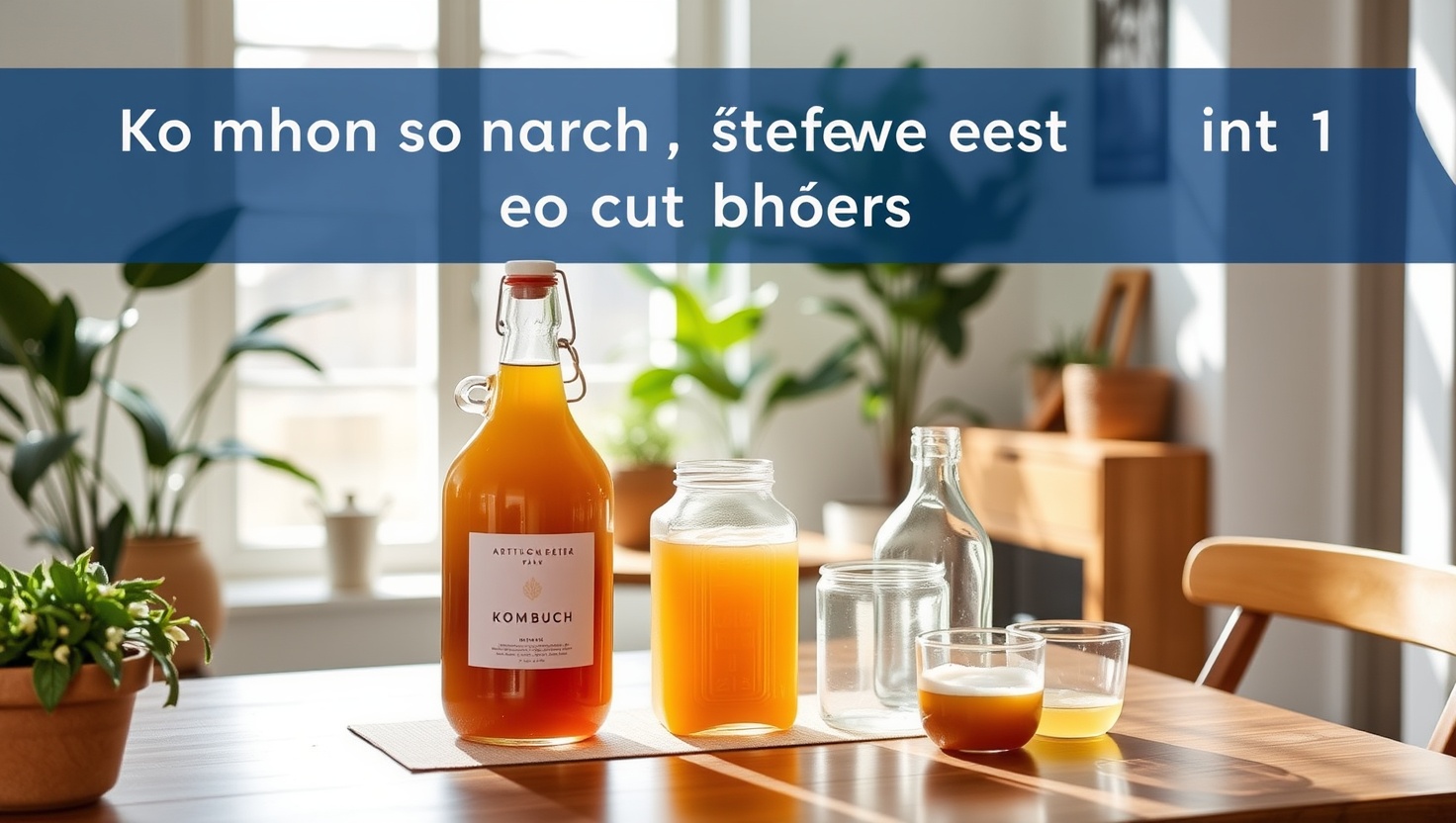
A bottle of kombucha costs $4-6 at the store. A batch you brew at home costs about 50 cents and makes a gallon. Do that twice a month and you're saving $150+ a year — on one drink. But the money isn't even the real reason to brew your own. It's the control. You know exactly what goes in: tea, sugar, a SCOBY, and time. No mystery ingredients, no pasteurization killing the probiotics, no paying a premium for what is essentially sweetened tea that fermented in a jar. Home-brewed kombucha is alive, fizzy, and ridiculously easy to make once you get past the first batch. Here's everything you need to start.
The Kombucha Shop Starter Kit — Best Overall
The Kombucha Shop has been in the home fermentation business long enough to know exactly what a beginner needs and what they'll struggle with. This kit reflects that experience. Everything arrives…
In a hurry? That’s our pick. Want the reasoning and the full comparison? Keep reading.
The barrier to entry is a decent starter kit — one that includes a live SCOBY (the culture that does all the work), a proper glass jar, and instructions clear enough that you don't have to read twelve forum posts to understand what you're doing. We tested and ranked five kits that actually deliver on that promise, at prices from $25 to $70. Whether you want the all-in-one best-overall kit or just something to try the process with minimal commitment, there's an option here for you.
Key Takeaways
- Home-brewing kombucha costs roughly $0.50 per gallon versus $5 per bottle at the store
- Best overall: The Kombucha Shop Starter Kit ($50) — organic SCOBY, everything included, clearest instructions
- Best value: Fermentaholics Full Kit ($45) — outstanding SCOBY quality, strong starter tea, great results consistently
- Best premium: Brew Dr. Kombucha Home Brewing Kit ($70) — from the actual brand, proprietary SCOBY culture, restaurant quality
- Best for fizz: KitchenTiki Kit ($35) — comes with swing-top bottles for second fermentation and carbonation from day one
- Best budget: Craft A Brew Kit ($25) — no frills, everything works, perfect starter if you're not sure yet
- Every kit on this list includes a live SCOBY with starter tea — not a dehydrated substitute
Why Brew Your Own Kombucha
Let's talk money first, because the math is genuinely surprising. A gallon of home-brewed kombucha requires about 8 tea bags ($0.80), one cup of sugar ($0.20), and a small amount of electricity for water heating. Call it $1.00 per gallon total — and that's before you factor in that the SCOBY reproduces itself and costs you nothing after your first purchase. A 16 oz bottle at Whole Foods runs $4.50 to $6.00. A gallon is 8 of those bottles — a $40 equivalent at retail that you're producing for a dollar. Brew twice a month and you've saved $940 over the course of a year, not $150. That math compounds fast.
The probiotic quality difference
Here's what the kombucha brands don't advertise: most commercial kombucha is pasteurized. Heat treatment kills pathogens — but it also kills a significant portion of the live bacteria and yeast that give kombucha its probiotic reputation in the first place. Producers pasteurize to extend shelf life, prevent over-carbonation during shipping, and meet certain regional food safety requirements. Home-brewed kombucha goes from your jar to your glass with zero heat treatment. The live cultures remain intact. If you're brewing kombucha for the gut health benefits, you're actually getting more of what you're paying for when you make it yourself.
Flavor control you'll never get from a shelf
Commercial kombucha is produced to taste the same in February as it does in August, across millions of bottles, in facilities that operate at scale. That consistency comes at the cost of nuance. Home-brewed kombucha changes with your tea selection, fermentation temperature, fermentation duration, and second-fermentation additions. Brew it for 7 days and it's slightly sweet with a mild tartness. Push it to 14 days and it's sharply acidic, dry, almost vinegary — a completely different drink. Add ginger and lemon at second fermentation and you have a natural ginger beer equivalent. Add blueberries and you have a deep, fruity sour. The flavor control alone is reason enough for anyone who actually enjoys kombucha.
Zero-waste, closed-loop living
Every bottle of kombucha you buy generates packaging waste — glass or plastic, a label, a cap. Home-brewing generates none of that after your initial kit purchase. Your swing-top bottles get reused indefinitely. Your SCOBY grows and can be passed on to friends rather than thrown away. The sugar and tea come in bulk packaging that outlasts dozens of batches. For anyone trying to reduce household waste or live with more intention, fermentation is one of the most practical steps you can take. You make something alive, you enjoy it, and the process produces essentially no trash.
The satisfaction of making something that works
This is harder to quantify but worth naming. There is something genuinely satisfying about producing a fizzy, complex, probiotic-rich drink from four ingredients and patience. The first time you bottle a batch, add some fruit, let it sit for two days, and then pop one open to a satisfying carbonated hiss — that feeling doesn't get old. It's the same instinct that makes people grow tomatoes when they could just buy tomatoes. You made something. It's alive. It works. That matters.
What to Look For in a Starter Kit
Not all kombucha kits are equal. Some include a live SCOBY with strong starter tea; others ship a dehydrated disc that takes weeks longer to activate and produces inconsistent first batches. Here's what separates a kit worth buying from one that will frustrate you on your first attempt.
SCOBY quality — the most important factor
The SCOBY (Symbiotic Culture of Bacteria and Yeast) is the living engine of your brew. It should arrive live, not dehydrated, packed in at least a cup of starter tea — already-fermented kombucha that lowers the pH of your new batch immediately and protects it from contamination while fermentation gets going. A quality SCOBY is firm, beige to tan in color, and smells faintly acidic and slightly vinegary. Thin, rubbery, or discolored SCOBYs produce slower, weaker ferments. Organic certification matters here too — you want a culture that hasn't been exposed to chlorinated water or pesticide residue, which can damage the microbial balance. Every kit on this list uses organic live SCOBYs with genuine starter tea.
Glass jar type and size
One gallon is the standard beginner size, and it's the right choice. It's enough to produce 8 servings per batch, which gives you a week's worth of kombucha while keeping your equipment compact and manageable. Wide-mouth jars are essential — you need to be able to reach in with your hand to add and remove the SCOBY, clean the jar between batches, and monitor the ferment visually. Avoid kits that use plastic containers: plastic can harbor bacteria in micro-scratches, reacts poorly with the acidic kombucha over time, and doesn't allow you to see what's happening with your ferment clearly.
Included ingredients and completeness
The best starter kits include organic tea and organic cane sugar alongside the SCOBY and jar. This matters because your first batch sets the baseline for your ongoing culture — organic ingredients give it the cleanest possible start. Kits that include pH strips let you monitor fermentation progress objectively rather than just guessing. Temperature strips are useful because kombucha ferments within a specific temperature band (68–78°F) and monitoring your jar's surface temperature saves you from slow or stuck ferments without an expensive thermometer.
Instructions quality
For a complete beginner, instructions make or break the first batch. You want step-by-step guidance that covers: how to brew the sweet tea base, how to cool it to the right temperature before adding the SCOBY (critical — too hot kills your culture), how to cover the jar correctly, how to read fermentation signs, how to taste-test, and how to bottle for second fermentation. Vague instructions lead to dead batches and abandoned kits. The kits on this list were evaluated partly on instruction clarity.
Second fermentation supplies
First fermentation (F1) produces the kombucha. Second fermentation (F2) is where you add flavor and build carbonation — you bottle the kombucha with a small amount of juice, fruit, or sugar, seal it airtight, and let it sit at room temperature for 1-3 days. The CO2 produced by ongoing fermentation has nowhere to escape in a sealed bottle, so it carbonates the liquid. For fizzy kombucha, you need swing-top or flip-top bottles. Most kits don't include them — the KitchenTiki kit is the exception on this list and earns its spot specifically for that inclusion.
Quick Comparison
| Kit | Price | SCOBY | Best For | Bottles Included |
|---|---|---|---|---|
| The Kombucha Shop Starter Kit | $50 | Organic live | Best overall | No |
| Fermentaholics Full Kit | $45 | Organic live | Best value | No |
| Brew Dr. Kombucha Kit | $70 | Proprietary organic | Best premium | No |
| KitchenTiki Starter Kit | $35 | Organic live | Best for fizz | Yes — swing-top |
| Craft A Brew Kit | $25 | Organic live | Best budget | No |
Our Top 5 Picks for 2026
The Kombucha Shop has been in the home fermentation business long enough to know exactly what a beginner needs and what they'll struggle with. This kit reflects that experience. Everything arrives together: a live organic SCOBY packed in strong starter tea, a 1-gallon wide-mouth glass jar, organic cane sugar, a cotton cover with rubber band, pH strips, and a temperature strip that adheres to the jar's exterior. You genuinely don't need to buy anything else to start your first batch.
The pH strips are what set this kit apart at the entry level. Knowing your kombucha's acidity level removes the main source of first-batch anxiety — the "is this actually working?" question. A healthy ferment drops from around pH 7 at the start to pH 2.5–3.5 by the end. The strips let you track that progression objectively. Combined with the temperature strip, you have real monitoring capability that most kits at this price point skip entirely.
The instruction booklet is detailed, illustrated, and written for people who have never fermented anything. It covers troubleshooting, what's normal (yeast strands, brown bits, uneven SCOBY growth) versus what's not (actual mold), and how to set up second fermentation for carbonation. The Kombucha Shop also provides ongoing support via their website and community — if your first batch produces something unexpected, you're not on your own. At $50, this is the kit we'd hand a friend who asked where to start.
Pros
- pH strips and temperature strip included — actual monitoring tools
- Organic SCOBY + organic sugar + cotton cover all in one box
- Clear, beginner-specific illustrated instructions
- 1-gallon wide-mouth glass jar is the right size to start
- Ongoing support available via The Kombucha Shop community
Cons
- No bottles included — you'll need to buy swing-tops separately for F2
- $50 is mid-range — not the cheapest way to try kombucha
- Jar doesn't come with a spigot — ladling or pouring required at bottling
Fermentaholics has built a strong reputation among home fermenters specifically on the quality of their SCOBYs. Every review of this kit mentions the same thing: the SCOBY arrives healthy, thick, and accompanied by a generous amount of strong starter tea — more than most competing kits include. Strong starter tea (already at pH 2.5–3.0) drops your new batch into the right pH range immediately, which accelerates fermentation and provides better protection against contamination during the first critical days.
At $45, the kit includes a live organic SCOBY with starter tea, a 1-gallon wide-mouth glass jar, organic cane sugar, organic black tea, and a cotton cloth cover with rubber band. The tea inclusion is significant — most starter kits assume you have tea on hand. Fermentaholics includes it, so your first batch is truly self-contained without a grocery run. The organic black tea they source is well-suited to producing a clean, balanced kombucha rather than an overly astringent one.
The instruction guide is solid without being as comprehensive as The Kombucha Shop's. It covers the fundamentals clearly and includes basic troubleshooting, but first-timers who encounter unusual SCOBY behavior or fermentation questions may need to supplement with online resources. That said, the quality of the SCOBY and starter tea means your first batch is likely to go smoothly without needing much troubleshooting at all — which is the best kind of instruction guide optimization.
Pros
- Exceptional SCOBY quality — thick, healthy, consistently praised in reviews
- Generous starter tea for fast pH drop and contamination protection
- Organic tea and organic sugar both included
- $45 is strong value given what's included
- 1-gallon wide-mouth glass jar
Cons
- Instructions less comprehensive than The Kombucha Shop kit
- No pH strips or temperature strip included
- No bottles for second fermentation
Brew Dr. Kombucha is a commercially successful kombucha brand — they sell their product in Whole Foods, Costco, and independent natural food stores across the US. Their Home Brewing Kit gives you access to the same SCOBY culture and tea blends they use to produce their commercial product, which is an unusual and genuinely compelling proposition for anyone who already drinks their store-bought kombucha and wants to replicate it at home.
The proprietary SCOBY culture is the centerpiece. Unlike standard SCOBYs that produce a reliable but fairly generic kombucha profile, Brew Dr.'s culture has been developed and maintained over years of commercial production to produce specific flavor characteristics — less acidic than typical home brews, with a rounder, more complex taste and a consistent carbonation pattern. The kit includes premium organic tea blends (multiple varieties, not just standard black tea) that contribute to that complexity, along with a detailed flavor guide explaining how each tea affects the final taste.
At $70, this is the most expensive kit on this list. The extra cost reflects the brand premium, the proprietary culture, and the quality of the included tea blends — all of which deliver genuinely differentiated results compared to the other options here. If your goal is exceptional flavor rather than just functional home brewing, or if you want to produce a kombucha that could plausibly be served to guests, this is the kit.
Pros
- Proprietary Brew Dr. SCOBY culture for distinct, complex flavor
- Premium organic tea blend varieties included
- Detailed flavor guide for developing your palate
- Commercial-quality results from a brand with proven production pedigree
- Excellent instructions — Brew Dr. knows what beginners need to know
Cons
- $70 is the highest price on this list
- Premium over other kits may not justify the cost for casual brewers
- No bottles for second fermentation included
Most beginner kits get you through first fermentation and then leave you to figure out bottling and carbonation yourself. That means a separate purchase of swing-top bottles — typically $20-30 for a six-pack — before you can enjoy the fizzy, carbonated kombucha you were picturing when you started. The KitchenTiki kit solves that by including swing-top glass bottles alongside the standard brewing supplies. It's the only kit on this list that covers the full kombucha process end-to-end at a single price point.
The swing-top bottles that come with this kit are 16 oz glass — the right size for portioning individual servings. The airtight seal required for second fermentation carbonation is reliable on swing-top closures in a way that screw-top bottles often aren't. You add your flavoring additions (juice, fruit, ginger, herbs), seal the bottle, let it sit at room temperature for 24-48 hours, then refrigerate. Open cold for maximum fizz. First batch to finished, carbonated kombucha — all with equipment that came in one box.
The rest of the kit covers the fundamentals well: organic live SCOBY with starter tea, 1-gallon wide-mouth glass jar, organic cane sugar, cotton cover. The instructions walk through both first and second fermentation steps specifically because the kit is designed to take you all the way through the process. At $35, the all-in value considering the included bottles is strong — you're getting more complete equipment than kits priced significantly higher.
Pros
- Swing-top bottles included — complete first and second fermentation setup
- Best all-in value on the list when bottle cost is factored in
- Instructions cover full process including carbonation
- Organic live SCOBY with strong starter tea
- $35 is excellent price for everything included
Cons
- No pH strips or temperature monitoring tools
- SCOBY quality not as consistently praised as Fermentaholics
- Bottle quantity may need supplementing for larger batches
The Craft A Brew Kombucha Making Kit is the honest entry point. At $25, it includes a 1-gallon jar, a live organic SCOBY, organic cane sugar, organic tea, and cheesecloth for covering the jar. No extras, no monitoring tools, no bottles — but every component that actually matters for producing a successful first batch is present and functional.
The SCOBY quality is adequate — it's organic, arrives live, and comes with sufficient starter tea to get your first batch going. It won't wow you with the thickness or vigor of the Fermentaholics SCOBY, but it works. The organic tea and sugar included are solid starting ingredients. The cheesecloth cover is less preferable than a tight-weave cotton cloth (which keeps fruit flies out more effectively), but it functions for initial fermentation and can be upgraded with a cloth napkin secured with a rubber band for minimal additional cost.
The instructions are functional basics — enough to get you through your first batch without a major mistake. Where this kit falls short relative to pricier options is in troubleshooting guidance and monitoring tools. If your first batch behaves oddly, you'll need to supplement with online resources. The upside: at $25, the stakes of a single failed batch are much lower than at $50 or $70, and most first batches succeed if you keep the temperature in range and don't add the SCOBY to hot tea.
Pros
- Lowest price on this list at $25
- Includes all essential components for a working first batch
- Organic SCOBY, organic tea, organic sugar
- Low commitment for first-time fermenters testing the process
- 1-gallon jar is the right starting size
Cons
- No pH strips or temperature monitoring tools
- Cheesecloth cover less effective than tight-weave cotton
- Basic instructions with limited troubleshooting guidance
- SCOBY quality not as strong as mid-range kits
Your First Batch: A Quick Start Guide
Every kit comes with instructions, but here's the straight version of what actually happens so you know what to expect before you open the box.
Step 1: Brew the sweet tea base
Bring one gallon of water to a boil. Add 6-8 tea bags (black, green, or a blend) and steep for 10-15 minutes. Remove the bags and add one cup of white cane sugar, stirring until fully dissolved. This is your sweet tea base — the fuel your SCOBY will ferment. The sugar gets consumed during fermentation, not passed through to your finished kombucha, so don't worry about it making your final product overly sweet.
Step 2: Cool completely before adding the SCOBY
This is the step most beginners skip or rush, and it kills SCOBYs. Your sweet tea must cool to below 85°F before you add the culture. Above that temperature, you damage or kill the bacteria and yeast in your SCOBY — your first batch will fail and you'll be confused about why. The fastest way to cool a gallon of tea: set the pot in a sink of ice water for 20-30 minutes, stirring occasionally. You can also brew a concentrated tea with half the water, dissolve the sugar, and then add cold filtered water to dilute to the full gallon — it arrives at the right temperature immediately.
Step 3: Add the SCOBY and starter tea
Pour the cooled sweet tea into your 1-gallon jar. Add the SCOBY and all the starter tea from the kit packaging. The starter tea — already fermented kombucha at pH 2.5-3.0 — immediately lowers the pH of your new batch, protecting it from contamination while your SCOBY gets to work. Cover the jar with your cotton cloth or cheesecloth and secure with a rubber band. The cover lets the brew breathe while keeping dust, insects, and airborne contaminants out.
Step 4: Find a warm spot and wait 7-14 days
Place your jar somewhere with a stable temperature between 68–78°F — the top of a refrigerator is a classic choice, as the heat from the compressor keeps it slightly above room temperature. Keep it out of direct sunlight. Don't move it constantly or agitate the jar — your SCOBY is forming a new layer on the surface and stability helps. After 7 days, start tasting. Insert a clean straw, place your thumb over the top, withdraw a small sample. If it's still very sweet, let it ferment another 2-3 days. If it's pleasantly tart and only slightly sweet, it's ready to bottle.
Step 5: Bottle for second fermentation and fizz
Pour the finished kombucha into swing-top bottles, leaving about an inch of headspace. Before sealing, add your flavorings: one to two tablespoons of fruit juice, a few fresh blueberries, a slice of ginger, some hibiscus flowers — whatever sounds good. Seal the bottles airtight and leave at room temperature for 24-48 hours. The yeast still present in your kombucha will consume the small amount of added sugar, producing CO2 that carbonates the liquid inside the sealed bottle. After 24-48 hours, refrigerate. The cold slows fermentation and locks in the carbonation. Open slowly over a glass, especially on your first few batches.
Save your SCOBY for the next batch
Remove the SCOBY (it will now have a new, thinner layer attached) and place it in a clean jar with two cups of the freshly brewed kombucha as your starter tea for the next round. Your brewing cycle becomes self-sustaining from this point — no new SCOBY required, ever. After 4-5 batches, peel off the oldest bottom layer and compost it or pass it on. Your remaining SCOBY stays vigorous and productive indefinitely.
Ready to Start Brewing?
The Kombucha Shop Starter Kit is our top pick for beginners — organic SCOBY, pH strips, temperature monitoring, and clear instructions in one box. If you want everything including bottles for carbonation, the KitchenTiki kit at $35 is the best all-in value on the list.
Get the Kombucha Shop Kit →