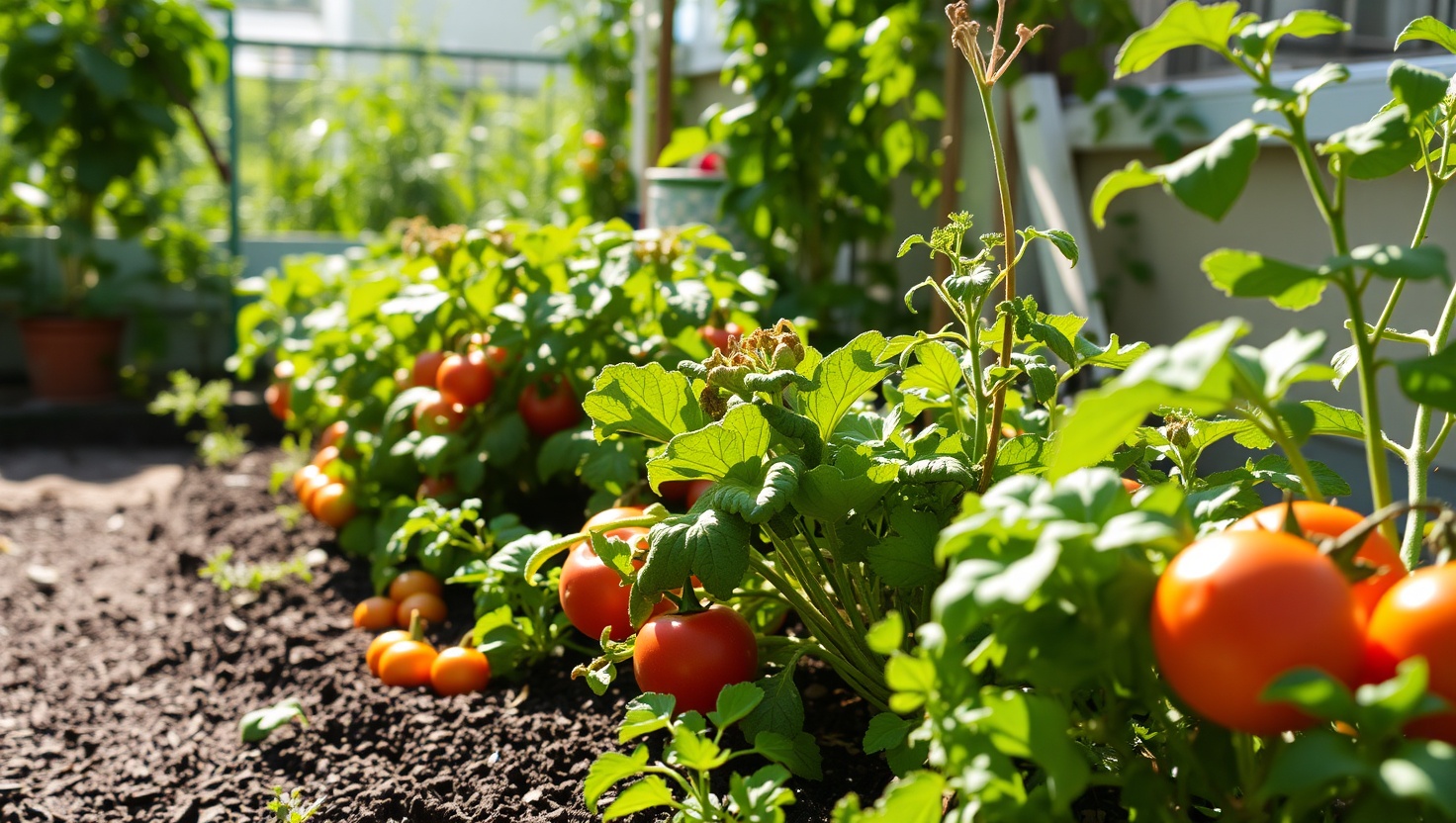
Grocery prices have climbed over 25% in the past three years. Supply chains still hiccup at the worst times. And the growing season is the one thing no algorithm, no corporation, and no supply disruption can take from you — if you have seeds. A quality heirloom seed vault kit is food insurance that fits in a shoebox, costs less than a week of groceries, and could feed your household for years.
This isn't about doomsday scenarios. It's about the simple, practical confidence of knowing you could grow your own food if you needed to — and the very real satisfaction of actually doing it. Heirloom seeds are the original open-source software: fully reproducible, community-tested over generations, designed to be shared and saved. Once you understand them, the idea of buying produce from a store feels almost absurd.
Five heirloom seed vault kits are worth your attention in 2026. They range from a compact 32-variety starter to a 144-variety comprehensive collection. Here's what makes each one stand out, who it's right for, and how to get the most out of whichever one you choose.
Food independence used to be the norm. For most of human history, people grew at least some of what they ate, saved seeds at harvest, and passed those seeds to their neighbors and children. That knowledge — and that habit — got lost in a few generations of supermarket convenience. The result is that most households today have zero capacity to grow meaningful food. That's a fragile position to be in.
The beauty of heirloom seeds is that they're self-perpetuating. Unlike hybrid seeds — the kind used in most commercial agriculture, which are bred for yield and uniformity but won't reliably reproduce — heirloom varieties are open-pollinated. They breed true. Save seeds from your best tomato this year, and those seeds will grow the same tomato next year. Do it again. And again. One $25–$55 seed vault kit, managed well, becomes an infinite supply of food-growing capability.
There's also an inflation hedge argument that's hard to ignore. The same variety pack that costs $30 today will grow food worth many times that across a single season. Every head of lettuce, every zucchini, every pound of tomatoes you grow is food you don't buy. Over years, that compounds. The seed vault pays for itself in the first summer.
Finally, there's the skill dimension. Growing food is one of those capabilities that quietly transforms how you think about your life. People who grow food are less anxious about supply chains, less dependent on systems they can't control, and — not coincidentally — more connected to their land, their seasons, and their food. A seed vault is a practical object. It's also a declaration that you intend to stay capable.
Not all seed vault kits are worth buying. Here's what actually separates the good ones from the filler:
One thing to look for that many buyers overlook: are the seeds certified non-GMO? All heirloom seeds are non-GMO by definition (GMO technology is too recent for true heirlooms), but cross-contamination during production is a real issue with less careful suppliers. The brands on this list are all clean on this front.
The Open Seed Vault 32 is the entry point that actually works. Thirty-two carefully selected heirloom varieties — over 15,000 seeds total — packed in heat-sealed mylar bags that keep moisture and oxygen out. The variety selection hits all the important food groups: tomatoes, peppers, beans, squash, lettuce, kale, carrots, beets, radishes, and herbs. No filler. No obscure specialty items that only thrive in one zip code.
What makes this kit stand out for beginners is its simplicity. The packaging is clean, the instructions are clear, and the seeds are sorted and labeled so you know exactly what you're planting. Germination rates are consistently strong — most buyers report 85–95% across varieties. At around $25, it's genuinely hard to argue against owning this. Even if you never "need" it, a single summer growing season easily justifies the cost in produce alone.
If you want the most complete heirloom seed collection available in a single purchase, this is it. The Survival Essentials Ultimate Seed Vault packs 144 varieties and over 23,000 seeds into a rugged ammo-can-style metal container with a rubber gasket seal. The packaging is built for genuine long-term storage — the company rates shelf life at 25+ years under proper conditions.
The variety depth here is impressive: multiple types of tomatoes (including beefsteak, cherry, and paste varieties), 8 types of lettuce, cold-hardy brassicas, drought-tolerant squash, multiple bean and pea varieties, and a robust herb collection. Coverage spans all USDA hardiness zones, with notes on each packet about optimal growing conditions. This is the kit for people who want a complete, ready-to-plant food garden — not just an emergency backup.
For the price, the Gardeners Basics 35 Variety Kit is hard to beat. Thirty-five varieties, 16,000+ seeds, and — a small but genuinely useful touch — plant markers included in the box. No more confusion about which seedlings are which when they're all green sprouts in a tray. The variety selection leans practical: tomatoes, peppers, cucumbers, beans, squash, multiple lettuce types, carrots, beets, and a few herbs rounding it out.
This kit has racked up thousands of verified Amazon reviews with consistently strong ratings — which for a seed product is meaningful, because people tend to leave reviews when seeds don't germinate and when they perform exceptionally. Germination rates here are in the 88–95% range for most varieties according to buyer reports. At $22, it's the most accessible entry point on this list and an excellent gift for anyone interested in starting a garden.
Most seed vault kits are designed for average conditions — which means gardeners in the South, Southwest, and Gulf Coast often find that some varieties struggle or bolt too fast. The Survival Garden Seeds Heirloom Collection is explicitly curated for warm-climate and southern growing zones. Every variety in the collection was selected to thrive in heat, longer growing seasons, and high-humidity conditions.
All seeds are open-pollinated and non-GMO, packaged in resealable foil packets that let you use a portion and store the rest properly. The variety selection includes heat-tolerant tomato varieties, southern staples like okra and black-eyed peas, multiple pepper types, and warm-season squash. If you're in USDA zones 7–10, this collection will outperform a generic national kit by a significant margin. The resealable packet design also makes it more practical for multi-year use.
The Black Creek Heirloom Seed Vault is the one you'd feel good about giving as a gift or displaying on a shelf. The hard waterproof container is genuinely impressive — sealed with a pressure-release valve, packed with silica gel desiccant packs, and sized perfectly for a pantry shelf or drawer. Forty carefully selected heirloom varieties come inside, with a detailed printed planting guide that covers timing, spacing, companion planting, and seed-saving instructions for every variety.
The attention to detail throughout this kit signals that it was designed by people who actually grow food. Seed packets are individually labeled with germination rates and growing notes. The silica gel packs are rated for multi-year humidity control. And the planting guide is the most thorough of any kit on this list — genuinely useful for both beginners and experienced growers who want to try new varieties. If you're buying one seed vault to keep for the long term, this is the one worth treating well.
The seeds you buy are only as good as the conditions you keep them in. Proper storage is the difference between viable seeds in 10 years and a box of disappointment. The three enemies of seed longevity are heat, moisture, and light. Control all three and your seeds will outlast most appliances in your home.
Seeds stored at 40–50°F last significantly longer than seeds stored at room temperature. A cool basement, root cellar, or the back of a refrigerator are all ideal. Consistency matters as much as temperature — fluctuating between warm and cold accelerates seed degradation. If you don't have a cool space, aim for the coolest, most stable location in your home. A dedicated shelf away from the stove, oven, and direct sunlight is far better than wherever you set it down when it arrived.
Humidity above 50–60% will significantly shorten seed life. The mylar bags and silica gel packs included in quality kits handle this during storage — but when you open and reseal packets, you introduce moisture. Always reseal opened packets quickly and tightly. If you're storing seeds you've saved from your garden, dry them thoroughly for 1–2 weeks on a screen before storing, then pack in paper envelopes inside an airtight container with fresh silica gel.
Even well-stored seeds lose viability over time. Every 2–3 years, do a simple germination test: place 10 seeds between damp paper towels, keep them warm, and count how many sprout within 10–14 days. If fewer than 6 out of 10 germinate, it's time to refresh those varieties. Seeds that are 80%+ viable can be planted at normal density. Lower-viability seeds can still be planted — just sow more thickly to compensate.
The goal isn't to stockpile seeds indefinitely — it's to maintain a living seed collection that you actually use, save from, and replenish. Think of your seed vault as a garden bank account: deposit seeds, draw on them seasonally, and let the interest compound through successful harvests and careful saving.
One email per week with practical gear reviews and readiness tips. No fearmongering.
Unsubscribe anytime. We respect your inbox.