Best Garden Netting and Plant Covers to Protect Your Vegetables (2026)
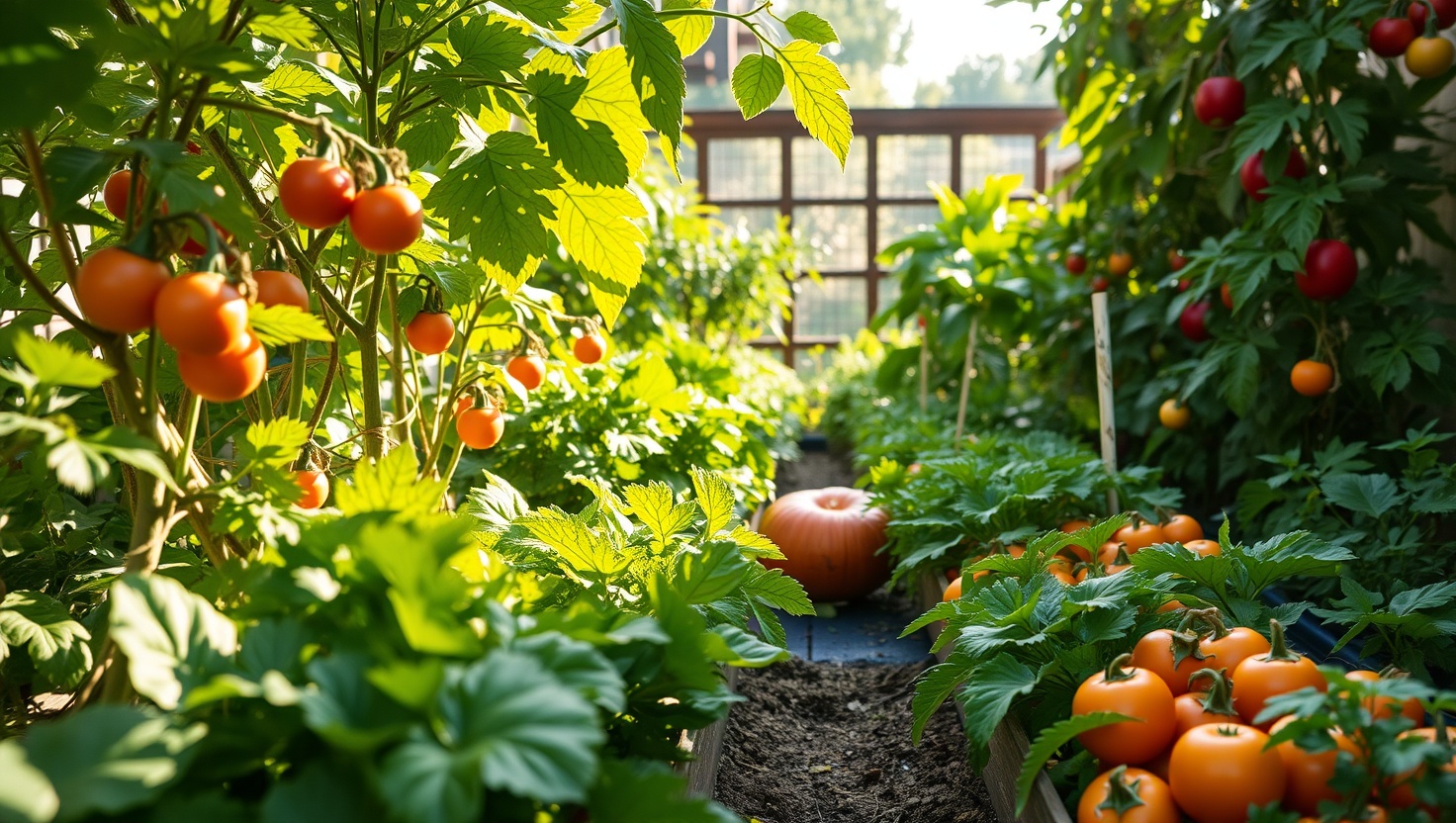
You spent weeks nurturing your seedlings. Then one morning you walk outside and something has eaten half your lettuce overnight. Garden netting is the cheapest, most effective way to protect your vegetables without a single drop of pesticide. But not all netting is created equal — the wrong mesh size, the wrong material, or the wrong installation method, and you might as well have put up a welcome sign. This guide breaks down every type of garden netting, when to use each one, and the five best products you can get right now to keep your harvest intact.
Key Takeaways
- Mesh size is everything: 0.8mm stops insects, 1-2cm stops birds — use the right one for your pest problem
- Always use hoops or a frame — draping netting directly on leaves invites disease and still lets insects lay eggs through the mesh
- Row covers double as frost protection down to 24–28°F — one product, two jobs
- HDPE (high-density polyethylene) netting lasts years; single-season polyester is cheaper but disposable
- Remove covers when fruiting crops flower — or you will have zero pollination and zero harvest
- Drawstring bags are the fastest way to protect individual clusters of fruit from birds and squirrels
Why Garden Netting Is Your Best First Line of Defense
Before you reach for any spray — organic or otherwise — netting physically blocks the problem. A cabbage white butterfly cannot lay eggs on your broccoli if it cannot reach the leaves. A blackbird cannot strip your strawberries if the bed is covered. A late frost cannot torch your tomato seedlings if there's a fleece blanket over them.
That is not a metaphor. That is basic physics, and it works every single time. Pesticides — even natural ones like neem oil — require repeated applications, correct timing, and leave trace residues on your food. Netting requires a one-time setup and one-time cost. On a per-season basis, a $20 row cover that lasts three years costs you less than a single spray bottle of anything.
The mistake most gardeners make is buying the wrong type. They grab some loose bird netting from the garden center, drape it over their brassicas, and wonder why they still have cabbage worms everywhere. The birds are out. The butterflies, which are smaller than the mesh gaps, are still very much in. Let's fix that.
Types of Garden Netting Explained
Insect Mesh (0.8mm–1mm)
This is your finest-grade netting and the most protective. At 0.8mm, it blocks virtually every common vegetable garden pest: aphids, whiteflies, thrips, cabbage moths, carrot fly, leek moth, and more. The tradeoff is airflow — fine mesh reduces air circulation slightly, so on hot days you need to watch for heat buildup. Good insect mesh is made from woven HDPE and will last multiple seasons if you handle it carefully.
Standard Insect Netting (1mm–2mm)
Slightly more breathable than ultra-fine mesh and blocks most medium and large insects including cabbage white butterflies, squash vine borers, and tomato hornworm moths. Not fine enough to stop aphids or whiteflies reliably. A good general-purpose choice for gardeners whose main enemies are caterpillars and beetles rather than tiny sap-sucking insects.
Bird Netting (1cm–2cm)
Designed exclusively for birds, squirrels, and larger animals. Cheap, lightweight, and available in large sheets. Useless against any insect. Best deployed over berry bushes, fruit trees, and crops that are near harvest and being targeted by birds. The main risk with bird netting: always check that birds and other animals haven't become tangled in it — this happens with loose, unsupported draping.
Floating Row Covers (Spunbond Fabric)
Technically not a netting at all — row covers are made from spunbonded polypropylene or polyester that allows air, water, and light to pass through while blocking insects and reducing frost. The weight of the fabric determines what it does: lightweight (0.5 oz/sq yd) for summer pest protection with maximum light transmission; medium (1.0 oz) for spring and fall frost protection; heavy (1.5–2.0 oz) for serious cold protection down to 24°F or below.
Frost Blankets and Plant Covers
Individual plant covers made from fleece or non-woven fabric. Great for spot-protecting valuable plants — young pepper seedlings just transplanted, a prized tomato variety during a surprise late frost. Many come in packs with drawstrings or elastic bases for a snug fit. Less coverage than a full row cover but faster to deploy over individual plants.
The Mesh Size Quick Reference Guide
Mesh Size vs. Pest Protection
How to Install Garden Netting Correctly
The Hoop Method (Best for Row Covers and Insect Mesh)
Wire hoops or flexible PVC pipe arched over your bed create a tunnel that holds netting off the foliage. This is the gold standard. Push hoops into the soil every 2–3 feet along the row, drape the netting or row cover over the top, and secure the edges with soil, rocks, clips, or landscape staples. The air gap between leaves and netting dramatically improves airflow and prevents the netting from acting as a ladder for insects to reach your plants through contact.
The Direct Drape Method (Only for Frost Protection)
Floating row covers are light enough to rest directly on plants without causing damage — especially useful for a quick frost cover when you do not have hoops set up. For pest control, skip this method. Insects can still lay eggs through fabric that's touching leaves, and wet fabric sitting on foliage is a recipe for fungal problems.
The Frame Method (For Raised Beds)
Build or buy a rigid frame — wood, metal conduit, or PVC — and attach netting or fabric to it like a lid. You can hinge one side for easy access. This is the most expensive upfront but the most user-friendly for beds you access frequently. If you're serious about growing food long-term, a permanent frame system pays for itself in one season of saved harvest.
Drawstring Bags (For Individual Fruits)
Perfect for protecting individual tomato clusters, apple branches, or strawberry patches. Slip the bag over the fruit cluster before it ripens, pull the drawstring closed around the stem. Birds and squirrels cannot get in, and the mesh still allows ripening light and airflow. Fast, targeted, and surprisingly effective for high-value crops you do not want to lose.
The 5 Best Garden Netting and Plant Covers (2026 Picks)
Our top all-rounder: a proper spunbonded row cover at a price that makes it easy to buy two.
Pros
- 1.0 oz/sq yd weight — protects to ~28°F and blocks most insects
- Generous 10×30ft size covers a large raised bed or multiple rows
- Reusable for multiple seasons if stored folded in shade
Cons
- Does not block ultra-fine insects like aphids as reliably as 0.8mm mesh
- Reduces light transmission by about 15% — not ideal for shade-sensitive crops in cloudy climates
The Agfabric row cover is the product we recommend to anyone starting out with vegetable protection. At $20 for a 10×30ft sheet, it covers an entire 4×8ft raised bed with room to tuck under the sides and weigh down with landscape staples or rocks. The 1.0 oz fabric is the sweet spot: heavy enough to deliver meaningful frost protection down to 28°F, light enough (70% light transmission) that crops still grow well underneath through spring and fall. It handles most flying insects effectively, including cabbage white butterflies, squash vine borers, and tomato hornworm moths. For aphids and thrips specifically, you would want a finer mesh — but for the majority of vegetable gardeners, this one cover handles 80% of all pest and frost situations you will encounter.
Check Price on Amazon →The specialist pick for gardeners fighting aphids, whiteflies, and the tiniest insect pests.
Pros
- 0.8mm fine mesh — genuinely blocks aphids, thrips, and whiteflies
- HDPE construction resists UV degradation for multi-season use
- Higher light and airflow transmission than fabric row covers
Cons
- No frost protection — it's mesh, not fabric, so cold air passes right through
- Must be used with hoops; direct draping traps humidity and risks mold
If your vegetable garden is constantly under siege from aphid colonies, whitefly clouds, or carrot fly, the LAVZAN ultra-fine mesh is the tool you need. Standard row covers and bird netting have gaps that are simply too large to stop these tiny insects — they fly right through. At 0.8mm mesh, LAVZAN physically cannot be penetrated by anything aphid-sized or larger. The HDPE construction handles UV exposure without becoming brittle, meaning you get two to three seasons of use if you handle it well. The 8×24ft size works well on raised beds with hoops, or can be cut to size for individual row tunnels. The key limitation: unlike row covers, mesh offers zero frost protection, so in spring and fall you will want to combine it with a fabric cover or use them separately depending on conditions.
Check Price on Amazon →The pack-of-10 format makes these the most practical individual plant covers for spot protection during frost events.
Pros
- 10-pack gives you full coverage for a typical garden without buying multiple products
- Drawstring base creates a proper seal around the stem so cold air stays out
- Non-woven fabric protects to around 28°F and is reusable across seasons
Cons
- Individual covers suit spot-protection but covering an entire bed still requires a row cover
- Drawstring can become stiff in very cold conditions — test before you need them in a hurry
A frost warning hits Thursday night and your tomatoes just went in. This is exactly what the Gardzen covers are designed for. Each cover slips over an individual plant and cinches at the base with a drawstring, trapping warm air from the soil and protecting against frost down to 28°F. The 10-pack format is smart — in a typical vegetable garden you rarely have just one vulnerable plant. Being able to cover a row of new transplants in under five minutes, then pull them off in the morning, changes how you relate to your garden in shoulder seasons. You stop anxiously checking forecasts and just cover everything before bed. The non-woven fabric also blocks most insects, giving you modest pest protection when covers are left on during the day.
Check Price on Amazon →The most underrated tool in the garden: individual mesh bags that snap over ripening fruit clusters before birds find them first.
Pros
- Targeted protection exactly where birds and squirrels are attacking
- Mesh allows full ripening light and good airflow — no rot or moisture issues
- Reusable and washable, packs flat for compact storage
Cons
- 4-pack covers a limited number of plants — stock up if you have a large berry patch
- Only blocks birds and larger pests, not insects
You have checked your strawberries every day for two weeks waiting for them to turn fully red. Then on day fifteen, every ripe berry is gone. Birds, squirrels, and chipmunks have a sixth sense for "perfect ripeness" and they always move first. ENPOINT's drawstring bags are the surgical answer to this specific problem. Each bag slips over a cluster of ripening strawberries, a bunch of grapes, or a tomato truss, and the drawstring closes around the stem. Birds cannot get in. Insects can, which means pollination continues for crops that need it — this is actually an advantage over solid covers. The mesh is breathable enough that you will not get rot or trapped humidity problems. At $15 for a 4-pack, the cost of saved fruit pays these off after protecting a single good harvest.
Check Price on Amazon →The most affordable way to protect a large area from birds — ideal for berry patches, fruit trees, and ponds.
Pros
- 14×14ft square covers a full berry patch or drapes over a small fruit tree
- Lightweight polypropylene is easy to handle and won't sag under its own weight
- $12 price point makes it disposable enough to replace each season without guilt
Cons
- Large mesh (around 1cm) offers zero insect protection — birds-only defense
- Must be secured at the edges or birds will walk underneath — happens more than you'd expect
The Dalen Bird-X is the most straightforward product on this list: big net, birds out, done. The 14×14ft size is genuinely useful — it drapes over a full blueberry bush, covers a 4×4ft strawberry bed with overlap to pin down, or wraps around a young fruit tree. Polypropylene construction means it is light enough for one person to throw over a bush without a stepladder. The $12 price is what makes this compelling: you can buy two or three and have coverage across your whole garden for less than a bag of fertilizer. The clear limitation is the mesh size — at roughly 1cm, this stops birds and squirrels but lets every insect in. Use it for what it is designed for — bird protection over ripening fruit — and it delivers exactly what it promises, season after season.
Check Price on Amazon →Quick Comparison: Which Garden Netting Is Right for Your Problem?
| Product | Best For | Frost Protection | Insect Block | Bird Block |
|---|---|---|---|---|
| Agfabric Row Cover | Season extension + general pest control | Yes (~28°F) | Most insects | Yes |
| LAVZAN Ultra Fine Mesh | Aphids, whiteflies, thrips | No | All insects incl. tiny pests | Yes |
| Gardzen Freeze Covers | Individual plant frost protection | Yes (~28°F) | Most insects | Yes |
| ENPOINT Drawstring Bags | Ripening fruit protection from birds | No | No (large mesh) | Yes |
| Dalen Bird-X Netting | Large area bird protection | No | No | Yes |
Season-by-Season Netting Strategy
Early Spring (Soil Thaw to Last Frost)
Your main enemy is frost. A late frost after transplanting can wipe out weeks of work overnight. Keep frost blankets or a heavy row cover accessible — not stored in the shed, accessible. When nights drop below 36°F, cover anything that has gone in the ground. The Gardzen 10-pack is particularly useful here: pull them on in the evening, pull them off in the morning, no drama.
This is also when overwintering pests start waking up. Aphid colonies explode in cool, dry spring weather. If you have had aphid problems before, get your LAVZAN fine mesh up over brassicas and soft-leafed crops before you see the first aphid — reactive control is always harder than prevention.
Late Spring to Early Summer (Planting Season)
Row covers go on over brassicas, carrots, onions, and any other crops targeted by flying insects. Use hoops for all of them. This is when cabbage white butterflies and carrot flies are actively laying eggs — a single overlooked week of uncovered brassicas can mean every leaf is riddled with caterpillars before you notice. The Agfabric row cover handles this season well.
Summer (Peak Growing Season)
The insect pressure continues, but you also need to manage heat. Check your covered beds weekly — row covers can create a heat trap in full sun above 80°F, causing bolting in lettuce and stress in other crops. Lift covers on hot afternoons if needed, or switch to the finer LAVZAN mesh which allows significantly better airflow than fabric row covers.
As fruits start ripening — strawberries, tomatoes, peppers — this is when birds become your new problem. Deploy the Dalen Bird-X netting over strawberry beds and berry bushes. Use ENPOINT drawstring bags on ripening tomato and grape clusters. Stay ahead of the birds: once they discover a food source they come back in force and bring friends.
Fall (Harvest Extension)
Row covers come back for frost protection. A medium-weight cover can extend your tomato harvest by two to three weeks past first frost, and your salad greens can keep going into December with covers in many climates. Remove covers on warm days to prevent disease buildup, replace at night. This is one of the highest-value uses of row covers — extending your harvest calendar costs nothing extra once you already have the covers.
HDPE vs. Polyester vs. Polypropylene: Which Material Lasts Longest?
HDPE (High-Density Polyethylene): The most UV-resistant material used in garden netting. HDPE mesh products like the LAVZAN ultra-fine netting will last three to five seasons with proper storage. Flexible, lightweight, and does not become brittle in cold temperatures. Best choice for any mesh product you want to reuse long-term.
Spunbonded Polypropylene: The material used in quality floating row covers like the Agfabric. Extremely lightweight and allows good light and water transmission. UV-stabilized versions last two to three seasons; non-stabilized versions may degrade faster. Store out of UV exposure between seasons to maximize lifespan.
Polyester: Used in some frost blankets and plant covers. Holds heat well — useful for frost protection — but degrades faster under UV than HDPE or polypropylene. Generally considered single or dual-season material, which is fine at the $25 price point of the Gardzen 10-pack.
Standard polypropylene bird netting (like the Dalen): Budget material, does the job, plan to replace annually or biannually. At $12 this is entirely reasonable.
Common Mistakes to Avoid with Garden Netting
- Forgetting to check for trapped animals. Loose bird netting creates a lethal trap for small birds, hedgehogs, and toads. Always secure all edges. If you find wildlife tangled in netting, call your local wildlife rehabilitation center — do not attempt to cut them free without guidance if they are seriously caught.
- Leaving covers on too long over pollinated crops. Squash, cucumbers, melons, and pumpkins need bees. Once flowers appear, the cover comes off, or you will have hundreds of flowers and zero fruit.
- Not anchoring the edges. Pests will find every gap. Bury the edges under soil, pin with landscape staples, or weigh down with sandbags. A cover that flaps in the wind is actively advertising the gap it creates.
- Ignoring moisture buildup. Row covers trap humidity, especially when sitting on foliage. Lift covers weekly to check for fungal disease starting at the soil line. A few minutes of inspection prevents a full crop loss to botrytis or powdery mildew.
- Buying too little. A 6ft row cover for a 20ft bed. Half-covered vegetables get double-attacked at the open end. Buy coverage with 12–18 inches of extra on every side for proper tuck-under, and assume you will always need more than you think.
Growing Your Own Food Is One of the Most Powerful Things You Can Do
A garden net costs $12–25 and lasts years. Every vegetable you grow and protect is one less dollar in the industrial food chain and one more step toward real food freedom.
See Our Best Raised Bed Kits →Frequently Asked Questions
What mesh size do I need to keep insects out of my vegetable garden?
For small insects like aphids, whiteflies, and thrips, you need a mesh size of 0.8mm or smaller. Mesh labeled "ultra-fine" or "insect mesh" typically falls into this range. Standard bird netting (1-2cm gaps) will not stop insects at all — it is only designed for birds and larger pests. If you are not sure which insects are attacking your garden, catch a few and look them up — the size of the pest will tell you exactly what mesh you need.
Can I leave garden netting on all season?
It depends on the type of cover and the crop. Row covers and insect mesh can stay on through most of the growing season for brassicas, carrots, leeks, and salad greens that do not need pollination. You need to remove them for crops that require insect pollination — tomatoes technically self-pollinate but benefit from wind movement that covers prevent, while squash, cucumbers, and melons absolutely need bees. Remove covers when flowers open. Bird netting can usually stay on longer since the larger mesh still allows bee access in most cases. Always check weekly for signs of heat buildup or moisture problems regardless of the cover type.
Will frost blankets protect plants below freezing?
Most standard frost blankets in the 1.0 oz/sq yd range protect against light frosts down to about 28°F (-2°C). Heavier 1.5 oz covers can handle down to 24°F (-4°C). For harder freezes, use thicker fleece or combine a blanket with a glass or plastic cloche for extra insulation — the trapped air column inside provides significantly more protection than the fabric alone. Always anchor the edges securely so cold air cannot sneak underneath, which is where most frost damage actually occurs with improperly installed covers.
Do I need hoops to support garden netting or can I drape it directly?
For pest control, always use hoops or a frame. If netting rests directly on leaves, insects can still lay eggs through the mesh where it touches foliage, and wet fabric sitting on leaves is a straightforward path to botrytis and powdery mildew. Draping works fine for emergency frost protection over sturdy established plants where your goal is to quickly trap warm air — but do not leave fabric sitting directly on foliage day after day. Wire hoops are the cheapest option: bend galvanized wire into U shapes every 2–3 feet, push the legs into soil, and the netting sits up in a tunnel. PVC pipe bent over rebar stakes works equally well for wider beds.
Which is better for a raised bed — insect mesh or bird netting?
They solve different problems and are not interchangeable. If birds and squirrels are eating your seedlings and ripe produce, bird netting is what you need. If aphids, cabbage moths, or carrot flies are the issue, insect mesh is the only thing that will work — bird netting mesh is far too large to stop any insect. Many gardeners use both: insect mesh over brassicas and carrots from planting through most of the season, then bird netting over fruits as they ripen. For an all-in-one solution, a fine insect mesh at 0.8mm will also stop birds since they cannot navigate the fine weave — so it is actually a superset of bird netting functionality as well.