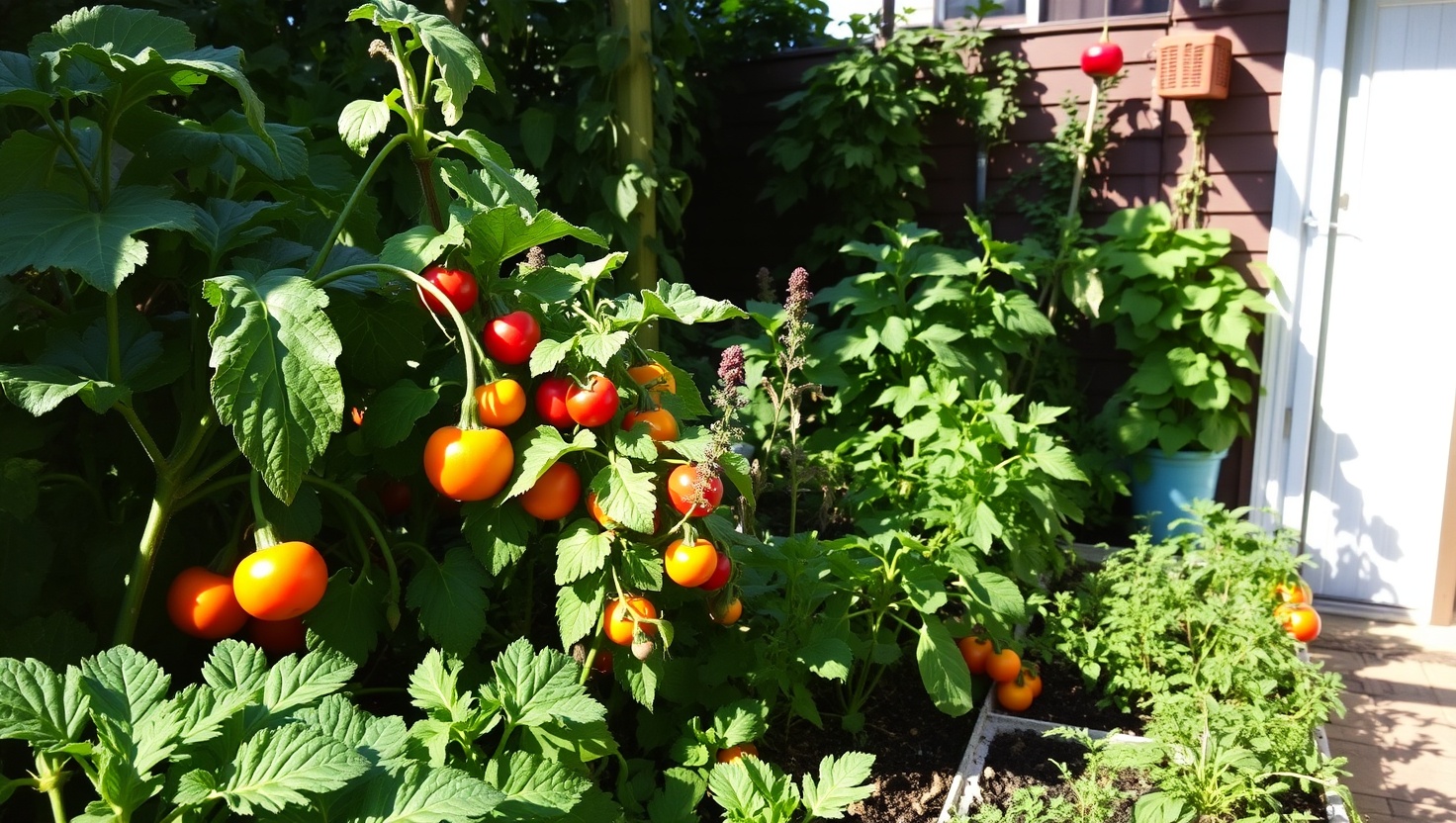
You don't need a backyard. You don't need a raised bed. You don't need expensive lumber, landscape fabric, or a weekend of heavy lifting. A set of fabric grow bags, a bag of quality potting mix, and a sunny spot — that's your whole setup. And if you pick the right bags, your tomatoes, peppers, and herbs will outgrow what most people produce in traditional containers twice the price.
The best fabric grow bags for vegetables in 2026 have gotten genuinely good. Thicker fabric, reinforced stitching, real handles that don't tear out mid-season — the budget options that used to fall apart in one summer have mostly been weeded out. What's left is a tight field of five standouts worth your money.
Key Takeaways
- Fabric bags use air pruning to prevent root circling — the #1 hidden yield-killer in plastic containers
- Look for 300g+ fabric weight for durability across multiple seasons
- Size matters: 3 gal for herbs, 5 gal for peppers, 10 gal for tomatoes, 20 gal for squash and melons
- Fabric bags drain fast — you'll water more often, but root rot becomes nearly impossible
- All five picks on this list are machine washable and reusable for 3-5+ seasons
- A 5-pack of quality grow bags costs less than one bag of premium potting mix — the ROI is instant
What Is Air Pruning and Why Should You Care?
Here's the problem with plastic pots that nobody talks about: when a root tip hits the hard wall of a plastic container, it doesn't stop. It keeps growing — circling the inside of the pot in a tangled spiral. Those circling roots are competing with each other, choking off water and nutrient uptake, and the plant above quietly suffers for it. You get a plant that looks okay but never really thrives.
Fabric changes everything. When a root tip reaches the porous wall of a fabric grow bag, it hits air. That air exposure dehydrates the very tip of the root, killing that growth point cleanly. The plant responds by branching — sending out two new lateral roots from behind the pruned tip. Those branch again. And again. The result is a dense, fibrous root ball with exponentially more surface area pulling in water and nutrients.
This is air pruning, and it's the same technique commercial nurseries have used for decades to produce stronger transplants. You're getting that benefit for $12-20 a pack.
Fabric vs. Plastic: A Real Comparison
| Feature | Fabric Grow Bags | Plastic Pots |
|---|---|---|
| Root health | Air pruning = dense root ball | Root circling, chronic stress |
| Drainage | Excellent — through entire surface | Drainage holes only, can pool |
| Overheating risk | Low — breathes and cools | High — absorbs and holds heat |
| Root rot risk | Very low | Moderate to high |
| Reusable? | 3-5+ seasons if washed | Yes, but degrades in UV |
| Storage | Folds flat — no space needed | Bulky, stacks awkwardly |
| Price | $10-20 for 5-pack | $5-15 per individual pot |
The one real trade-off: fabric bags dry out faster. In peak summer heat, a 5-gallon bag with a pepper plant may need water every day. That's not a dealbreaker — it's a reminder to invest in a simple drip timer if you're growing more than a few bags. Check out our guide to best soil test kits for home gardeners if you want to dial in your soil health too.
Choosing the Right Size: The Grow Bag Size Guide
Wrong size is the most common mistake new fabric bag growers make. Too small and your plant starves for root space. Too large and you're wasting potting mix and the soil stays waterlogged between waterings. Use this table as your starting point.
| Bag Size | Best For | Notes |
|---|---|---|
| 1-2 gallon | Radishes, small herbs, strawberries | Dries out very fast — daily watering likely |
| 3 gallon | Basil, parsley, chives, lettuce, spinach | Perfect balcony herb garden size |
| 5 gallon | Peppers, eggplant, dwarf kale, bush beans | Most versatile all-purpose size |
| 7 gallon | Determinate tomatoes, cucumbers | Good compromise on space vs. yield |
| 10 gallon | Indeterminate tomatoes, large peppers | The sweet spot for serious tomato growers |
| 15-20 gallon | Squash, melons, sweet potatoes, dwarf fruit trees | Big plants need room — don't downsize here |
| 25-30 gallon | Blueberries, small fig trees, pumpkins | Heavy when filled — consider wheeled bases |
What to Look for in a Quality Fabric Grow Bag
Fabric Weight (GSM)
GSM — grams per square meter — is the fabric weight rating. This is your most important quality indicator. Under 200 GSM and you're looking at a bag that tears at the handles after one season. The sweet spot is 300 GSM and above. That's thick enough to hold its shape under a fully saturated soil load, survive a machine wash, and last multiple growing seasons. Some premium bags go to 400-450 GSM — those can realistically run 5+ years with decent care.
Stitching and Seams
Single-stitched seams are where cheap bags fail first. Look for double or triple stitching, especially at the handle attachment points. If the product listing doesn't specify, the reviews will tell you — search for "handle tore" and see how many come up.
Handle Design
Flat woven handles are strongest. Twisted rope handles look nice but can cut into your hands under load. If you're moving 10-gallon bags filled with wet soil, you want wide, padded, or reinforced handles. Some bags now include side handles in addition to the top pair — very useful for anything over 7 gallons.
Material
Most bags use non-woven polypropylene. It's BPA-free, food-safe, breathable, and UV-resistant enough for a few seasons outdoors. A small number of manufacturers — most notably Root Pouch — use recycled materials including plastic bottles. If sustainability is part of your decision-making, that matters.
Best Vegetables to Grow in Fabric Bags
Almost any vegetable that grows in a container grows better in a fabric bag. But some really shine:
- Tomatoes — The #1 use case. Air pruning directly boosts fruit set and size. Use 10-gallon minimum.
- Peppers — Hot peppers especially love the warm, well-drained environment. 5-gallon bags work perfectly.
- Herbs — Basil, mint, rosemary, thyme. Quick to grow, easy to maintain, and you can move them inside before frost.
- Kale and chard — Deep-rooted leafy greens that need room. 5-7 gallon is ideal.
- Potatoes — One of the best fabric bag crops. Plant in a 10-gallon, and when it's time to harvest, just tip it over. No digging.
- Beans — Bush varieties work great in 5-gallon bags. Pole beans need a trellis but reward you generously.
- Squash — Yes, even squash. Go 20 gallons and give them room to sprawl. Train the vines vertically.
If you're thinking about expanding your growing setup beyond bags, our guide to best raised bed garden kits in 2026 covers the next step up for serious home growers.
Seasonal Care and Storage
One of fabric bags' underrated advantages is how simple they are to store off-season. At the end of your growing season:
- Empty the soil — compost it or amend and reuse for next season
- Shake out any root debris and remaining soil
- Machine wash on gentle cycle with mild detergent (no bleach)
- Air dry completely — don't rush this. Damp bags stored folded will mildew
- Fold flat and store in a cool, dry place — a bin or shelf in the garage works perfectly
A set of 10 fabric bags takes up roughly the same space as a single plastic bin when stored flat. Compare that to trying to stack and store 10 rigid plastic pots.
The 5 Best Fabric Grow Bags for Vegetables in 2026
These five picks cover every budget and growing style. We looked at fabric weight, handle quality, customer feedback from real gardeners, and value per bag. Here's what actually performs.
VIVOSUN has built a serious reputation in the home growing world, and these 10-gallon bags are the reason. They're constructed from 300G BPA-free nonwoven fabric — thick enough to hold shape under fully saturated soil without buckling or tearing. The double-stitched handles are reinforced at every attachment point, which is where most cheaper bags quietly fail after a season. At 10 gallons, these are your tomato bags. They're also perfectly sized for peppers, large herbs, and potatoes.
VIVOSUN bags have an outward flare at the top that makes filling and working the soil easier than straight-sided designs. They pack flat after washing and have survived three consecutive growing seasons in real user hands without visible degradation. For $3.60 a bag, you'd have to actively try to find better value.
Pros
- Thick 300G fabric holds shape under heavy soil loads
- Double-stitched handles — no failures reported at seams
- Flared top makes planting and maintenance easier
Cons
- 10-gallon only — no variety pack with mixed sizes
- Fabric color fades slightly after multiple wash cycles
Smart Pots is the brand that essentially created the consumer fabric grow bag market. They've been making these since 2000, long before every other brand jumped in, and the original design still holds up. These are lighter-weight bags than the VIVOSUN — fabric is thinner at around 200G — which means they're slightly less rigid when filled. But they drain exceptionally well and air pruning works just as effectively. Smart Pots are available in an impressive range of sizes, from 1 gallon up to 200 gallons.
For $12, this 5-pack delivers solid performance at the lowest cost per bag on this list. They're especially good as starter bags when you're still figuring out what grows best in your space. If you kill a plant, at $2.40 per bag you haven't lost much. They're also Made in the USA, which matters to a growing number of buyers.
Pros
- The original fabric pot — proven design over 20+ years
- Lowest price per bag on the list — great entry point
- Made in the USA; available in enormous size range
Cons
- Thinner fabric than competitors — shorter lifespan
- Handles are narrower and can dig in when carrying heavy bags
GeoPot took the simple fabric bag and asked one question: what makes carrying a fully loaded pot as miserable as possible? The answer was rope handles that cut into your palms and attachment points that tear. Their solution is wide, flat nylon handles sewn with triple stitching all the way around — not just at the attachment points, but up the full length of the handle. It sounds like a small detail until you're moving eight 10-gallon bags of wet soil and your hands are thanking you.
GeoPot uses a 400G fabric — the heaviest on this list — which translates to a noticeably more rigid structure when filled. These bags hold a proper upright shape even with loose potting mix, making them easier to plant into and more stable in windy spots on a balcony or patio. The trade-off is slightly higher price, but this is the bag you'll still be using in year five.
Pros
- 400G fabric — thickest and most durable on this list
- Wide flat handles with triple stitching — genuinely comfortable
- Holds shape better than any competitor when filled
Cons
- Slightly more expensive than the budget options
- Heavier fabric means slightly slower drainage than lighter bags
AC Infinity made their name in grow tent ventilation systems before expanding into containers, and they brought the same engineering mindset with them. These 5-gallon bags are built to 400G thick nonwoven fabric with a reinforced rim at the top that keeps the bag from flopping open when partially filled — a common annoyance that makes planting awkward. They also added drainage holes at the very base of the fabric rather than relying solely on through-fabric drainage, which helps in situations where bags are sitting on surfaces that restrict airflow.
At $4 per bag, this is the premium tier of the 5-pack category. What you get for that price is a genuinely refined product — one that looks as well-made as it performs. AC Infinity also stands behind their products seriously, which matters when you're investing in gear you plan to use for years.
Pros
- Reinforced rim keeps bags open during planting — huge practical win
- 400G construction with excellent build quality throughout
- AC Infinity's customer support and warranty are well-regarded
Cons
- Highest price per bag among the 5-pack options
- 5-gallon only — not ideal if you need 10-gallon for tomatoes
Root Pouch is the only manufacturer on this list that makes bags from recycled materials — specifically recycled plastic bottles. That's not just a marketing angle; the resulting fabric has a different texture and weave than standard nonwoven polypropylene, with good breathability and a sturdy feel. Root Pouch offers both "Boxer" (with handles) and standard versions, and at $10 this is the most affordable single-unit option for growers who want something that lasts beyond a single season.
Root Pouch bags are used extensively in commercial cannabis and specialty crop production, which speaks to their durability. The material resists UV degradation well and the bags maintain their shape season after season. If sustainability is a real priority for your growing setup — not just a buzzword — Root Pouch is the one brand on this list that's built around it.
Pros
- Made from recycled plastic bottles — genuine sustainability credentials
- Commercial-grade durability with excellent UV resistance
- Lowest overall price — accessible even on a tight budget
Cons
- Fabric texture is rougher than woven polypropylene — cosmetically different
- Fewer size options available compared to Smart Pots or GeoPot
Setting Up Your Fabric Grow Bag Garden
Getting Your Soil Mix Right
This is where most first-time fabric bag growers go wrong. Do not fill your bags with straight garden soil from your yard. It compacts immediately in a container environment, cuts off drainage, and suffocates roots. You need a mix that stays loose and drains fast even after weeks of watering.
A reliable starter formula: 60% quality potting mix + 30% compost + 10% perlite. This combination stays aerated, holds just enough moisture to support plant growth, and drains quickly enough that root rot stays off the table entirely. For growers who want to understand exactly what their soil needs, pairing your fabric bag setup with a soil test kit removes all the guesswork.
Placement and Sun Exposure
Fabric bags are portable — use that advantage. Set them on a wheeled plant caddy and rotate toward the sun as the season progresses. Tomatoes and peppers want 6-8 hours of direct sun minimum. Leafy greens tolerate 4-6 hours. Herbs are forgiving but grow fastest in full sun.
On hot days, the breathable walls of fabric bags keep root zones cooler than plastic — but they also mean the bags absorb less radiant heat in early spring. If you're getting a jump on the season in cool weather, clustering bags together and using a dark-colored fabric helps warm the root zone faster.
Watering System Options
If you're growing more than four or five bags, a simple drip irrigation system on a timer is transformative. It solves the daily watering burden, reduces water waste, and keeps soil moisture consistent — which is one of the biggest factors in tomato yield and quality. For containers, a basic gravity-fed drip setup runs under $30 and saves you from the one genuine downside of fabric growing: frequency of hand watering in summer heat.
For a comprehensive look at container gardening beyond grow bags, our guide to best containers for growing vegetables covers every option worth considering.
Growing More of Your Own Food Is a Power Move
Every tomato you grow yourself is one you didn't buy, didn't pay shipping for, and didn't hand over data to track your purchase. It sounds small until you're eating food you actually grew in July and realizing you could do this with ten more bags. A patio garden with 10 fabric bags producing tomatoes, peppers, herbs, and beans can meaningfully reduce your grocery spending from June through October.
Fabric bags are the fastest on-ramp. They're cheap enough to start without commitment, small enough for a balcony, light enough to move, and effective enough that most growers who try them don't go back to plastic. That's not marketing — that's what the root science actually produces. If you're ready to take a step toward more food independence, this is as low-friction an entry point as you'll find. See how fabric bags fit into a broader growing strategy in our guide to raised bed garden kits for 2026.
Keep Reading
Frequently Asked Questions
What size fabric grow bag do I need for tomatoes?
For most tomato varieties, a 10-gallon fabric grow bag is the sweet spot. Determinate (bush) types can manage in 7-gallon bags, but indeterminate varieties — the ones that keep growing all season — need the full 10 gallons of root space to produce well. Going bigger (15-20 gallon) never hurts if you have the space.
How often do you water plants in fabric grow bags?
More often than plastic pots — typically every 1-2 days in summer for larger bags, and daily for 3-5 gallon bags in hot weather. The breathable walls wick moisture away faster. Stick your finger 2 inches into the soil: if it's dry, water thoroughly. Installing a simple drip line with a timer solves the watering frequency issue entirely.
Can fabric grow bags be reused year after year?
Yes — quality bags rated 300g or above typically last 3-5 seasons. At the end of each season, empty them, shake out loose soil, and machine wash on a gentle cycle with mild detergent. Let them air dry completely before folding flat for winter storage. Avoid leaving them filled and outdoors through a freeze cycle, as the wet soil expansion can stress the fabric seams.
Do fabric grow bags need saucers or trays underneath?
It depends on your setup. On a patio or deck where drainage runs off freely, you don't need them. Inside a greenhouse or on surfaces where water pooling is an issue, a plastic tray works fine. Just be aware that saucers partially negate the drainage benefit — empty them after watering so roots don't sit in standing water. Elevated plant stands with slatted tops are the cleanest solution.
What's the best soil mix to use in fabric grow bags?
Avoid straight garden soil — it compacts badly in containers and kills drainage. The best mix for fabric bags is roughly 60% high-quality potting mix, 30% compost, and 10% perlite or coarse sand. This combination stays loose, drains fast, and feeds plants throughout the season. FoxFarm Ocean Forest is a popular ready-made option that works well without amendment for the first grow.