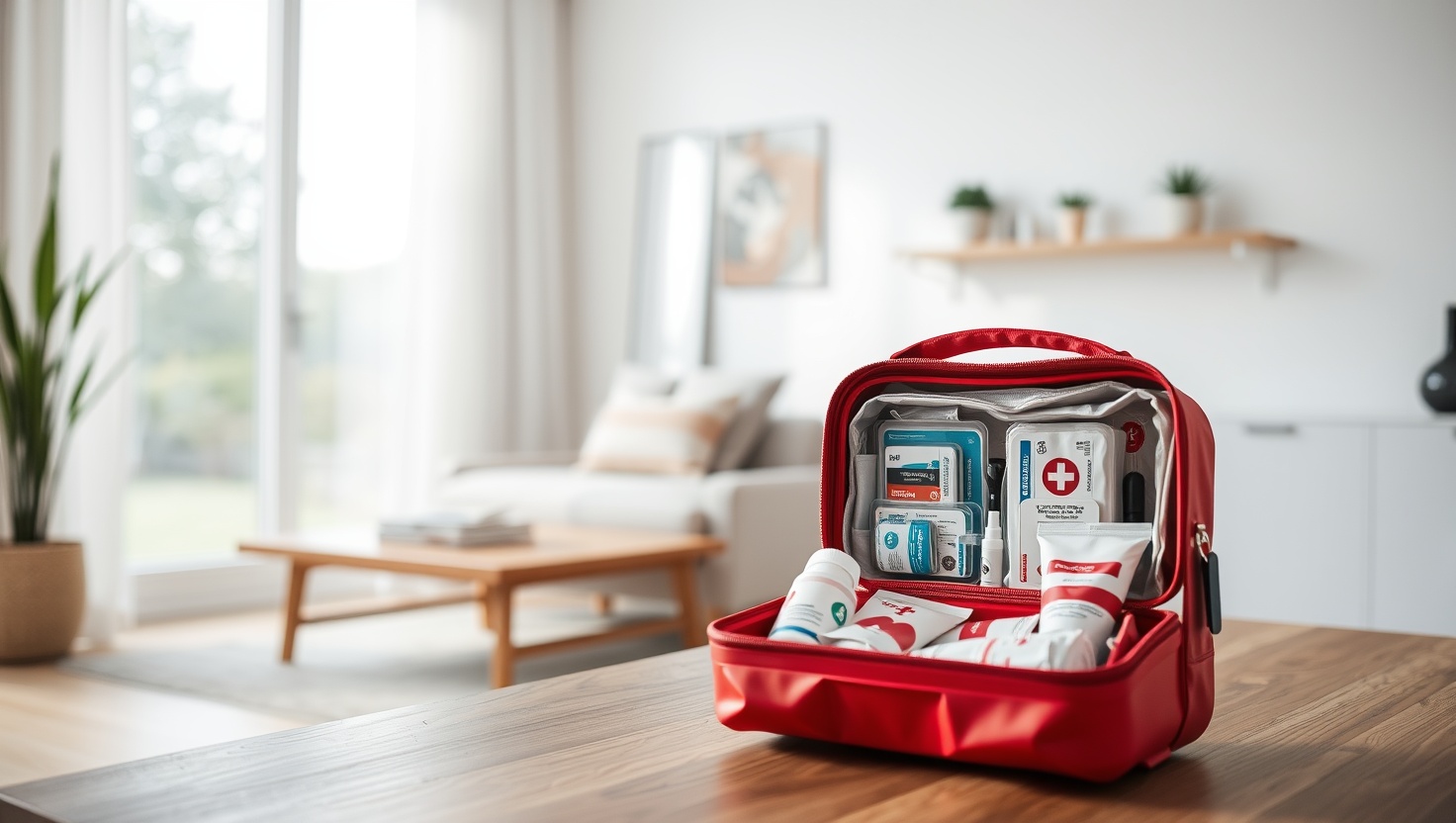
Here is an uncomfortable truth: roughly 70% of home first aid kits are missing critical items. That collection of band-aids, a half-empty bottle of hydrogen peroxide, and some expired Tylenol sitting under your bathroom sink? It will not help when someone is bleeding heavily from a kitchen accident, having a severe allergic reaction, or dealing with a deep wound after a natural disaster.
A real emergency first aid kit is not a box of band-aids. It is a carefully organized system that covers bleeding control, wound care, essential medications, the right tools, and critical documentation. The difference between a basic kit and a proper one could be the difference between stabilizing someone and watching helplessly while you wait for paramedics.
We reviewed the top pre-built kits on the market, identified what nearly all of them get wrong, and built a complete checklist of what actually belongs in your home emergency medical kit in 2026.
Key Takeaways
- Most pre-built kits over-index on band-aids and under-deliver on trauma supplies like tourniquets and hemostatic gauze
- The best strategy for most families: buy a quality pre-built kit ($50-80) and add $30-50 in upgrades
- Every kit needs five categories covered: bleeding control, wound care, medications, tools, and documentation
- Check and rotate your kit every 6 months — expired medications and degraded supplies are worse than no supplies
- Supplies without training are like a fire extinguisher you have never read the instructions for — take a basic first aid course
- Keep a laminated emergency contact card and medication/allergy list in every kit
What Most First Aid Kits Get Wrong
Open the average home first aid kit and you will find 47 variations of adhesive bandages, a few alcohol wipes, and maybe some gauze pads. That is fine for paper cuts and scraped knees. But emergencies do not politely limit themselves to minor inconveniences.
Too Many Band-Aids, Not Enough Trauma Supplies
The typical drugstore first aid kit contains 80% adhesive bandages by item count. That looks impressive on the packaging — "200 pieces!" — but it is padding. What you actually need for serious situations is bleeding control: a tourniquet, compression bandages, and hemostatic gauze. These items are missing from nearly every consumer kit under $60.
No Real Wound Closure Options
Butterfly closures, skin closure strips, and wound irrigation tools are standard in professional medical bags but almost never included in home kits. When someone has a gash that clearly needs stitches but the ER is hours away — power outage, severe weather, remote location — proper wound closure supplies buy critical time.
Expired Medications or None at All
Many kits ship without any medications, or include the bare minimum that expires within a year. Pain relievers, antihistamines, and anti-diarrheal medications are not optional during an extended emergency. And the medications already in your kit? Check the dates. Most people never do.
No Training, No Context
A tourniquet in the hands of someone who has never practiced applying one is just a piece of fabric. The best kits include quick-reference cards. The best kit owners have taken at least a basic first aid course. Supplies and knowledge go together — one without the other falls short.
The Essential Items Checklist
This is the complete list, organized by category. Not every item needs to be expensive. What matters is having the right categories covered.
Bleeding Control
- CAT tourniquet (Gen 7) — the standard for emergency arterial bleeding. Learn to apply it before you need it.
- Israeli bandage (6") — compression dressing that handles moderate to severe bleeding with one hand
- Hemostatic gauze (QuikClot or Celox) — clotting agent for deep wounds that a tourniquet cannot reach
- Rolled gauze (4" x 4 yards, at least 4 rolls) — for wound packing and general bandaging
- Gauze pads (4x4", sterile, 10+ pack) — direct pressure and wound covering
Wound Care
- Butterfly closures / skin closure strips — temporary wound closure for cuts that need stitches
- Antibiotic ointment (triple antibiotic or bacitracin) — infection prevention for minor wounds
- Irrigation syringe (20-60ml) — wound cleaning is the single most important step in preventing infection
- Adhesive bandages (assorted sizes) — yes, you still need these for minor stuff
- Medical tape (1" cloth tape) — securing dressings and splints
- Moleskin — blister prevention and treatment during extended situations
Medications
- Diphenhydramine (Benadryl) — allergic reactions, can be life-saving while waiting for EMS
- Ibuprofen and acetaminophen — pain and fever management (both, because they work differently)
- Loperamide (Imodium) — dehydration from diarrhea is dangerous during emergencies when clean water is limited
- Electrolyte packets (Pedialyte or DripDrop) — rehydration for illness, heat exposure, or physical exertion
- Hydrocortisone cream — insect bites, rashes, and allergic skin reactions
- Personal prescriptions — a 3-7 day rotation of critical medications your family depends on
Tools
- EMT shears — cut through clothing, seatbelts, tape, and packaging quickly
- Tweezers (pointed tip) — splinter and debris removal
- CPR pocket mask — barrier protection during rescue breathing
- Emergency mylar blanket (2-3 pack) — hypothermia prevention, weighs almost nothing
- Nitrile gloves (10+ pairs) — non-latex, protects you and the patient
- Instant cold packs (2-3) — sprains, swelling, and heat-related issues
- Penlight or small flashlight — checking pupils, wound assessment in low light
- SAM splint — moldable aluminum splint for suspected fractures
Documentation
- Laminated emergency contact card — family doctor, poison control (1-800-222-1222), local ER, ICE contacts
- Medication list — every family member's current medications, dosages, and pharmacy
- Allergy information — drug allergies, food allergies, latex allergies for each family member
- Quick-reference first aid card — step-by-step for CPR, choking, severe bleeding, and allergic reactions
Pre-Built Kits Compared: Which One Is Worth It?
We evaluated four popular pre-built kits based on contents, quality, organization, and how much supplementation they need to become truly complete.
| Kit | Price | Items | Quality | Trauma Supplies |
|---|---|---|---|---|
| Surviveware Large | ~$65 | 200+ | Excellent | Basic (add tourniquet) |
| MyFAK by MyMedic | ~$135 | 120+ | Premium | Good (includes tourniquet) |
| Adventure Medical Sportsman | ~$50 | 100+ | Good | Moderate |
| Red Cross Deluxe | ~$35 | 150+ | Basic | Minimal |
Prices are approximate and may vary. Quality ratings based on materials, component brands, and organization.
Surviveware Large First Aid Kit — Best Overall Value
The Surviveware Large is the kit we recommend most often. It is well-organized with clearly labeled compartments — a huge deal when you are stressed and searching for supplies — and includes quality components that cover the basics better than any kit in its price range. The bag itself is durable, water-resistant, and has MOLLE webbing so you can attach it to a pack. Where it falls short: no tourniquet and limited trauma supplies. Add a CAT tourniquet and some hemostatic gauze and you have an excellent home emergency kit for under $100 total.
Pros
- Exceptional organization with labeled compartments
- Quality components — not dollar-store supplies
- Durable, water-resistant bag
- Best value in the $50-80 range
Cons
- No tourniquet included
- Limited hemostatic/trauma supplies
- Still needs medication supplements
We earn a commission on purchases — at no extra cost to you.
CAT Tourniquet (Gen 7) — Must-Have Addition
The CAT (Combat Application Tourniquet) Gen 7 is the gold standard for emergency arterial bleeding control. It is used by emergency medical professionals worldwide and is designed for one-handed self-application — critical when you are alone and injured. This is the single most important item missing from 95% of home first aid kits. Severe arterial bleeding can cause fatal blood loss in under 5 minutes. A properly applied tourniquet stops it. Practice applying it before you store it. Watch a training video. Take a Stop the Bleed class. This $30 item is arguably the most important piece of equipment in your entire kit.
Pros
- Professional-grade, proven effective
- One-handed self-application design
- Compact and lightweight
- Simple enough to use under extreme stress
Cons
- Requires practice to apply correctly
- Beware of counterfeits — buy from authorized sellers
- Only for extremity bleeding (arms and legs)
We earn a commission on purchases — at no extra cost to you.
Adventure Medical Kits Trauma Pak — Best Compact Trauma Kit
The Trauma Pak is a compact, purpose-built kit designed specifically for serious injuries. It includes QuikClot hemostatic gauze, a trauma pad, nitrile gloves, and basic wound care supplies in a waterproof, vacuum-sealed package about the size of a paperback book. This is not a replacement for a full first aid kit — it is the trauma supplement that your full kit is probably missing. Keep one in your main kit, one in each vehicle, and one in your go-bag. At $25, it is affordable enough to have multiples.
Pros
- Includes QuikClot hemostatic gauze
- Compact and waterproof packaging
- Affordable enough to buy several
- Purpose-built for serious injuries
Cons
- Not a standalone kit — supplement only
- No tourniquet included
- Limited to single-use for one injury
We earn a commission on purchases — at no extra cost to you.
Buy vs Build: Making the Right Choice
This is the question everyone asks, and the honest answer is: it depends on your situation. Here is how to decide.
When to Buy Pre-Made
- You are just getting started — a quality pre-built kit gets you from zero to 70% prepared in one purchase
- You want good organization — kits like Surviveware come with labeled compartments that are hard to replicate DIY
- Time matters more than money — sourcing 25+ individual items takes hours of research and multiple orders
- You want a baseline to customize — the hybrid approach (buy + supplement) is the best strategy for most families
When to Build Custom
- You have specific medical needs — allergies, chronic conditions, children with special requirements
- You want professional-grade components — pre-built kits use decent but not premium supplies
- You have training — EMTs and nurses know exactly what they want and do not need a generic kit
- You want to control every item — no filler, no cheap components, everything chosen deliberately
What to Add to Any Pre-Made Kit
Regardless of which kit you buy, add these items that nearly all pre-built kits lack:
- CAT tourniquet — $30, non-negotiable for serious bleeding emergencies
- Hemostatic gauze — QuikClot or Celox, ~$15 per pack
- Personal medications — pain relievers, antihistamines, prescriptions
- Electrolyte packets — $10 for a box, critical for dehydration
- Emergency documentation — laminated contact card, medication list, allergy info
Three Mistakes That Make Your Kit Useless
1. The "Set It and Forget It" Kit
You bought a great kit three years ago. It is still sitting in the same closet, unopened since the day it arrived. The medications expired 18 months ago. The adhesive on the bandages has dried out. The nitrile gloves have started to degrade. A first aid kit is not a one-time purchase — it is a system that needs maintenance. Set a phone reminder for every 6 months: check dates, replace what is expired, and make sure everything is still organized and accessible.
2. The Hidden Kit
Your kit is in a box, inside a closet, behind the winter coats, on the top shelf. In an emergency, every second matters. Your kit should be in a known, accessible location that every family member over age 10 knows about. Label the shelf. Tell your babysitter. Make it obvious. The best kit in the world is worthless if nobody can find it when they need it.
3. The One-Kit Household
One kit is better than zero. But a single kit in the hallway closet does not help when the emergency happens in the garage, the kitchen, or the car on the highway. Consider a tiered approach: a full comprehensive kit at home, a mid-size kit in each vehicle, and a small trauma kit on each floor of your home. The Trauma Pak at $25 makes this financially realistic. Three of them cost less than a dinner out.
Your first aid kit is one part of a bigger picture. Pair it with a family emergency communication plan so everyone knows what to do and where to go. And make sure your household has adequate food supplies for extended situations where help takes longer to arrive.
Ready to build your kit?
Start with the Surviveware as your foundation, add a tourniquet and trauma pak, and customize from there.
Get the Surviveware Kit Add a CAT TourniquetFrequently Asked Questions
Get practical emergency readiness guides in your inbox
One email per week. No spam, no fear-mongering — just honest advice on being prepared for real life.