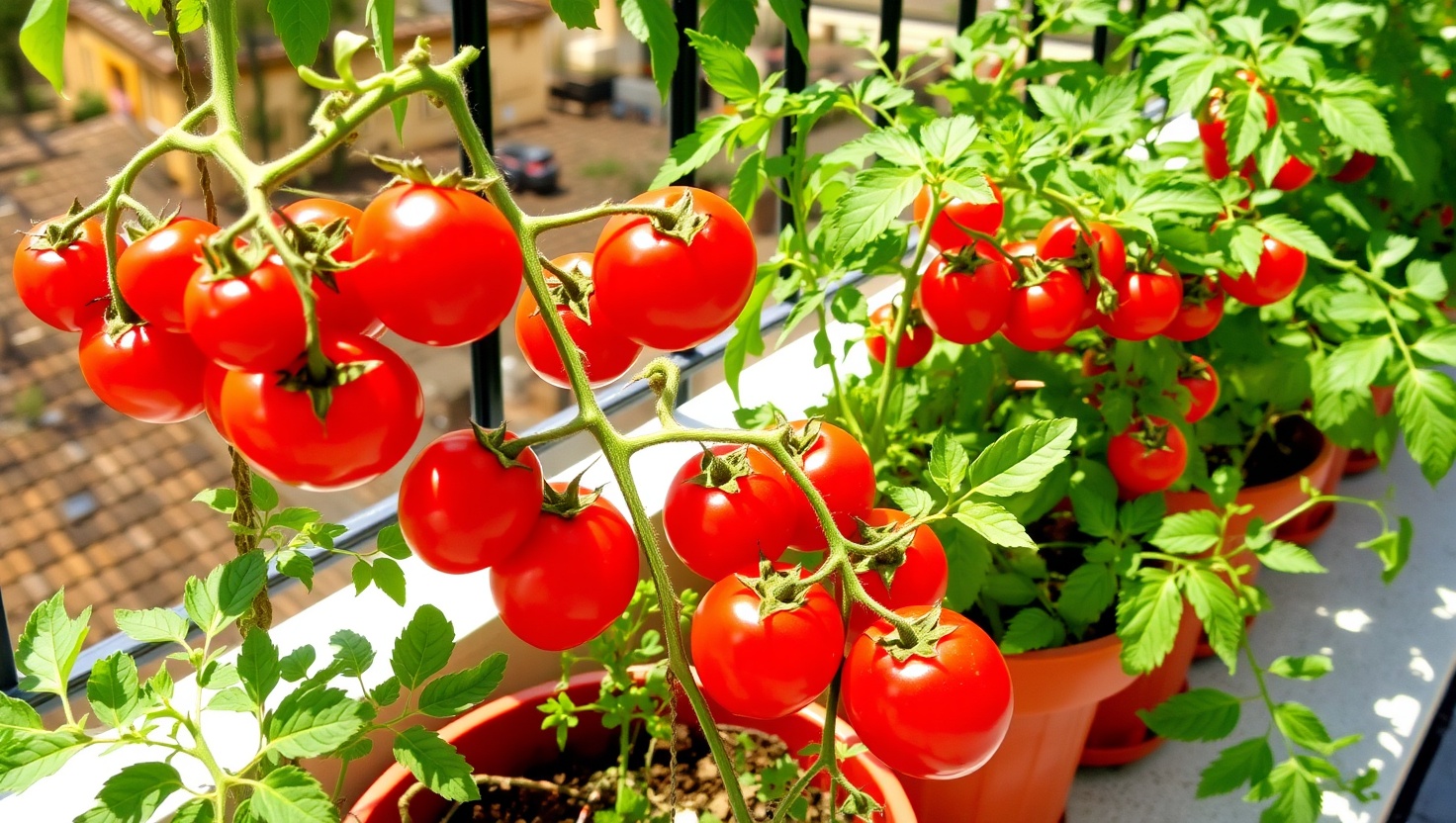
Most container tomato failures come down to one thing: the pot was too small. Tomatoes are thirsty, deep-rooted, and hungry — give them the right container and a balcony can out-produce a garden bed.
Fabric Grow Bags (10–15 gallon) — Top Pick
Breathable fabric 'air-prunes' the roots for a denser, healthier root ball, drains so you can't overwater, and folds away flat at season's end. A 10–15 gallon bag is the sweet spot for a full-size tomato plant — and they come in cheap multipacks.
In a hurry? That's our pick. Want the reasoning and the full comparison? Keep reading.
You don't need a yard to grow real tomatoes. You need a container that holds enough soil to keep roots cool and moisture steady through a hot afternoon. Get that right and a few pots on a patio will hand you more fruit than you can eat.
We compared the container types that actually work for tomatoes — fabric grow bags, self-watering planters, deep pots, and elevated boxes — on root depth, watering, and how forgiving they are if you skip a day. Here are the five best for 2026.
Key Takeaways
- Tomatoes need room: aim for at least 10 gallons of soil per full-size plant, deeper for indeterminate varieties
- Our top pick is 10–15 gallon fabric grow bags — air-pruned roots, no overwatering, and they store flat
- In hot climates or if you forget to water, a self-watering planter is the most forgiving choice
- Drainage is non-negotiable — soggy roots cause blossom end rot and disease
- One determinate (bush) tomato fits a 10-gallon container; sprawling indeterminate types want 15+ gallons and a deep pot
How Big Does a Tomato Container Really Need to Be?
Bigger is almost always better for tomatoes. The minimum for a full-size plant is about 10 gallons (roughly a 14-inch-wide, 12-inch-deep pot). Go to 15–20 gallons for vigorous indeterminate varieties that vine all season.
Why so big? Soil volume buffers water and nutrients. A small pot dries out by noon on a hot day and stresses the plant into dropping flowers. A large container stays evenly moist, and even moisture is what prevents the cracked fruit and blossom end rot that ruin container tomatoes.
The Three Things That Kill Container Tomatoes
1. Too little soil. Covered above — undersized pots are the #1 cause of disappointment.
2. Inconsistent watering. Tomatoes hate the wet-dry-wet cycle. It triggers blossom end rot. This is exactly why self-watering planters and large fabric bags work so well — they smooth out the swings.
3. Poor drainage. Sitting water suffocates roots and breeds disease. Every container below either drains freely (fabric, drilled pots) or uses a reservoir that separates roots from standing water.
Quick Comparison
| Container | Soil Size | Watering | Best For |
|---|---|---|---|
| Fabric Grow Bags | 10–15 gal | Frequent | Overall best |
| Self-Watering Planter | 10+ gal | Days between | Hot climates |
| Deep Container Planter | 15–20 gal | Moderate | Big vining types |
| Elevated Planter Box | Waist-height | Moderate | Patios / bad backs |
| 5-Gallon Grow Bags | 5 gal | Frequent | Patio / cherry types |
1. Fabric Grow Bags — Best Overall
Fabric Grow Bags (10–15 Gallon)
Fabric grow bags are our default recommendation for tomatoes and it isn't close. The breathable walls 'air-prune' roots — instead of circling a hard pot, roots stop at the air and branch, building a dense root system that feeds a bigger plant. The fabric also drains everywhere, so overwatering is nearly impossible.
Get the 10-gallon size for bush (determinate) tomatoes and 15-gallon for vining (indeterminate) types. They cost a few dollars each in multipacks and fold flat for winter storage. Add a stake or cage and you're done.
Pros
- Air-pruned roots = healthier plants
- Impossible to overwater (drains fully)
- Cheap in multipacks
- Folds flat for storage
- Lightweight, easy to reposition
Cons
- Dries faster in extreme heat (size up)
- Needs a saucer on a balcony
- Not as decorative as glazed pots
2. Self-Watering Planter — Best for Hot Climates
Gardenix Decor Self-Watering Pots
If you live somewhere hot or you travel, a self-watering planter is the most forgiving way to grow tomatoes. A reservoir in the base wicks moisture up to the roots on demand, so the soil stays evenly damp for days between fills — exactly the consistency tomatoes crave.
That steady moisture is the single best defense against blossom end rot. Choose a model deep and wide enough for at least 10 gallons of soil, and you'll get a tidy, patio-looking pot that practically waters itself.
Pros
- Even moisture prevents blossom end rot
- Days between watering
- Forgiving for travel/heat
- Decorative on a patio
- Built-in overflow drainage
Cons
- Costs more than a plain pot
- Reservoir needs winter draining
- Must still size up for big varieties
3. Deep Container Planter — Best for Indeterminate Varieties
Deep Container Planter (15+ Gallon)
Sprawling heirloom and cherry tomatoes that vine 6 feet tall want depth most pots don't offer. A deep 15–20 gallon planter gives those aggressive roots room to anchor a big plant and store water through a heatwave.
Pair it with a tall stake or sturdy cage from the start — by midsummer an indeterminate plant in a deep container can become a hedge of fruit. This is the pick when you're growing the big, season-long producers.
Pros
- Deep root run for big varieties
- Holds water through heat
- Anchors tall, heavy plants
- Solid season-long performer
- Good drainage out of the box
Cons
- Heavy once filled — place first
- More potting mix to fill
- Bulky to store
4. Elevated Planter Box — Best for Patios & Bad Backs
Elevated Planter Box
An elevated planter box brings the soil up to waist height, so there's no kneeling or bending to plant, water, or harvest — a genuine game-changer for anyone with back or knee trouble. It also keeps fruit up off the ground, away from many pests.
The good boxes are deep enough for tomato roots and wide enough for a couple of plants plus some basil. On a deck or patio it doubles as attractive furniture that happens to grow dinner.
Pros
- Waist-height — no bending
- Keeps fruit away from ground pests
- Fits multiple plants
- Looks great on a deck
- Easy to add a trellis
Cons
- Check soil depth is 12"+ for tomatoes
- Higher upfront cost
- Dries a little faster when elevated
5. 5-Gallon Grow Bags — Best Budget / Patio Cherry Tomatoes
Dark Grow Bags (5-Gallon Multipack)
Not every tomato is a monster. Patio, bush, and dwarf cherry varieties grow happily in 5-gallon grow bags, and buying a multipack is the cheapest way to start a whole row of plants on a balcony.
Stick to compact varieties at this size — a full indeterminate plant will outgrow 5 gallons and dry out too fast. For determinate patio types and cherries, though, these are an unbeatable value entry point.
Pros
- Cheapest way to grow several plants
- Perfect for patio/cherry types
- Breathable, drains well
- Folds flat to store
- Great for first-time growers
Cons
- Too small for big indeterminate plants
- Dries out fast in heat
- Needs frequent summer watering
Which Should You Choose?
If you want the best all-round results
Get 10–15 gallon fabric grow bags. Air-pruned roots, foolproof drainage, cheap multipacks, and they store flat. This is what we'd put most tomatoes in.
If you live somewhere hot or forget to water
Choose a self-watering planter. The reservoir keeps moisture steady for days and prevents the blossom end rot that plagues container tomatoes.
If you're growing big vining tomatoes — or have a bad back
Use a deep 15–20 gallon planter for indeterminate varieties, or an elevated planter box if bending is a problem. For small patio and cherry types on a budget, 5-gallon grow bags are all you need.
What can you actually grow in your space?
Balcony, windowsill, or backyard — take our free scan to find the food that fits your light and space.
Find Your Edible SpaceFrequently Asked Questions
Aim for at least 10 gallons of soil per full-size plant — roughly a 14-inch-wide, 12-inch-deep container. Bush (determinate) tomatoes are happy in 10 gallons; vining (indeterminate) varieties do better in 15–20 gallons. Patio, dwarf, and cherry types can manage in 5 gallons. When in doubt, size up: bigger containers hold moisture more evenly.
Fabric grow bags usually win. The breathable walls air-prune roots into a denser, healthier system and drain completely so you can't overwater. Plastic pots retain moisture longer (handy in extreme heat) but need drainage holes and can let roots circle. For most growers, a 10–15 gallon fabric bag gives the best results.
Blossom end rot is almost always caused by inconsistent watering — the wet-dry-wet cycle disrupts calcium uptake. The fix is steady moisture: use a large container that doesn't dry out fast, or a self-watering planter with a reservoir, and water on a regular schedule. Bigger soil volume is your best insurance.
In summer, container tomatoes often need water once or twice a day, because pots dry out faster than garden soil. Check by pushing a finger an inch into the mix — if it's dry, water until it runs from the drainage holes. Self-watering planters and larger containers stretch this to every few days.
Yes — a sunny balcony is plenty. Tomatoes need 6–8 hours of direct sun and a container of at least 10 gallons. Fabric grow bags or a self-watering planter on a balcony can out-produce a neglected garden bed. Add a stake or small cage and pick compact varieties if space is tight.