
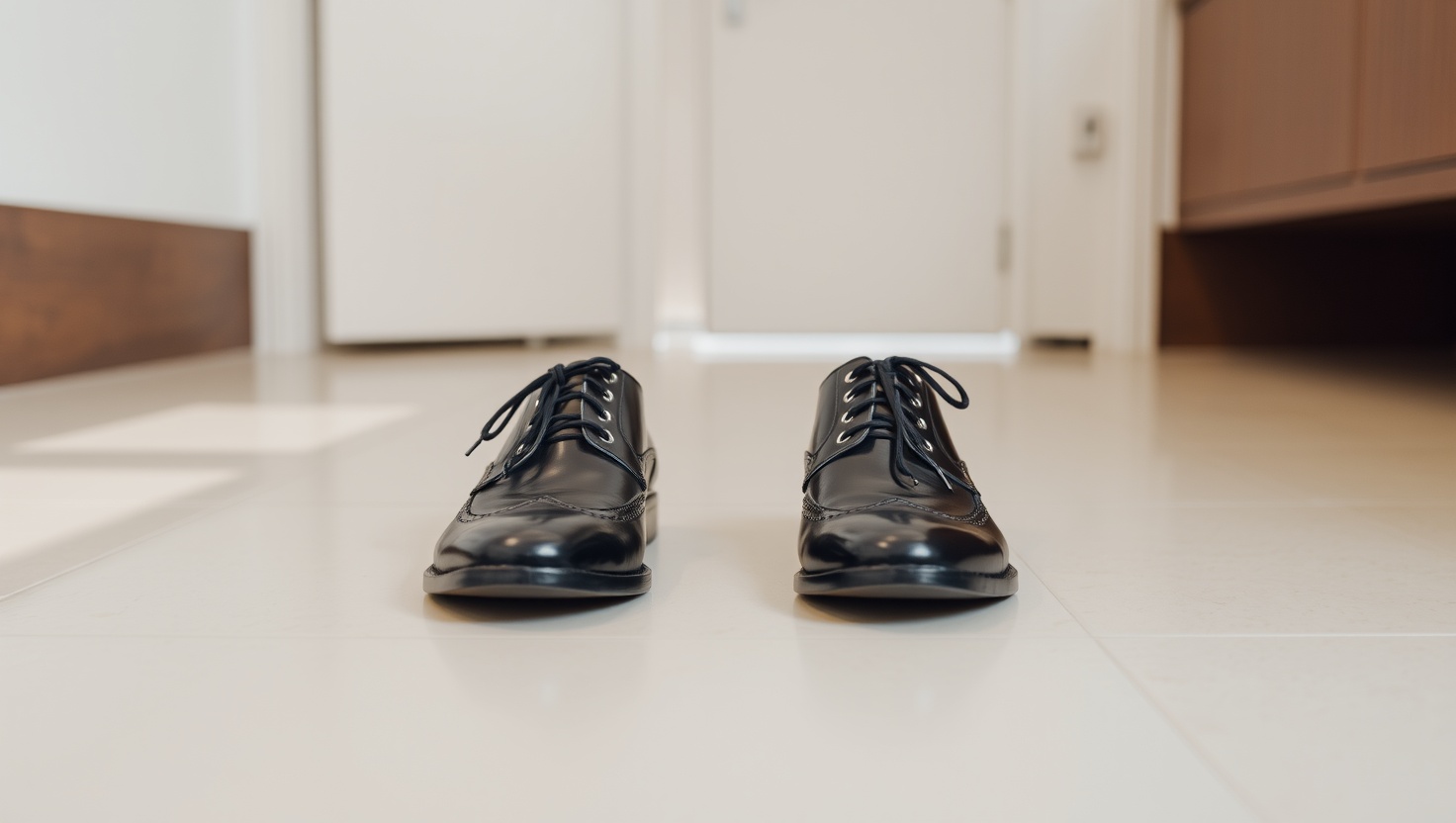
Your feet spent your whole life crammed into stiff, padded, pointy shoes. Barefoot shoes hand that freedom back, but the wrong first pair can turn you off the whole idea.
WHITIN Minimalist Barefoot Shoes — Top Pick
For your first pair, the WHITIN Minimalist wins on every count that matters to a beginner: a very wide toe box, true zero drop, comfort out of the box, and a price around $45 that makes trying barefoot a no-brainer.
In a hurry? That's our pick. Want the reasoning and the full comparison? Keep reading.
You have felt it. That itch to ditch the cushioned, narrow sneakers and actually feel the ground under your feet. Barefoot shoes promise a wider toe box, a flat zero-drop sole, and the kind of natural movement your feet were built for. The catch is that your first pair matters more than any other pair you will ever buy, because a bad start convinces people the whole idea does not work.
So let's cut through the noise. We compare three of the most popular barefoot shoes for beginners: the budget-friendly WHITIN Minimalist, the premium Vivobarefoot Primus Lite, and the versatile Xero Shoes Prio. You get honest pros, real cons, and clear guidance on who each pair is actually for, so you can pick with confidence and start walking free.
Key Takeaways
- WHITIN Minimalist is the best value first pair. Around $45, wide toe box, and comfortable out of the box.
- Vivobarefoot Primus Lite is the premium ground-feel pick. Thin, flexible, beautifully built, and priced like it.
- Xero Shoes Prio sits in the middle: durable, versatile, and backed by a solid sole warranty.
- The three things that matter most for beginners: toe-box width, zero drop, and sole thickness (ground feel).
- Transition slowly. Start with short walks and let your feet and calves adapt over weeks, not days.
What Actually Makes a Shoe "Barefoot"?
Before you spend a cent, understand the three features that define a real barefoot shoe. Get these right and almost any brand will treat your feet well. Miss them and you have just bought an expensive regular sneaker with marketing on it.
First, the toe box. Your toes are meant to splay wide when you walk and land. Conventional shoes taper to a point and squeeze them together. A true barefoot shoe is widest at the toes, giving each one room to spread and grip. This single feature is the one most beginners notice immediately, and it is where WHITIN quietly punches above its price.
Second, zero drop. "Drop" is the height difference between your heel and your toes. Most sneakers lift your heel higher, tilting you forward and shortening your calves over time. Zero drop keeps your foot flat and level, the way it sits when you stand barefoot on the floor. Every shoe in this comparison is zero drop.
Third, sole thickness, which controls ground feel. A thin, flexible sole lets you feel texture and terrain, so your feet send real information to your brain and your muscles wake up. A thicker sole trades some of that feedback for protection and comfort. This is the main dial that separates our three picks.
How to Transition Without Wrecking Your Feet
Here is the mistake almost everyone makes: they lace up their new barefoot shoes and go for a long hike or a 5K run on day one. Then their calves scream for a week and the shoes end up in a closet. Do not be that person.
Your feet have been supported and cushioned for decades, so the small stabilizing muscles are weak and your calves are short. Barefoot shoes ask those muscles to do their job again, and that takes time. Start with short walks, maybe 20 to 30 minutes, a few times in the first week. Let any mild soreness settle before you add distance.
Build up gradually over four to eight weeks. Wear them around the house, on errands, on gentle walks, and only later on longer outings or runs. Many people find that easing in this way makes the whole experience comfortable instead of painful. If your feet ache sharply rather than feeling pleasantly worked, back off and give them more recovery. Slow and steady is how you keep the freedom without the setback.
Which One Should You Actually Buy First?
If you are new to barefoot shoes and want to test the waters without a big spend, start with the WHITIN Minimalist. Around $45 gets you a genuinely wide toe box and a comfortable feel straight out of the box, so you find out whether barefoot suits you before committing serious money.
If you already know you love the barefoot feel and you want the best ground feedback and build quality, the Vivobarefoot Primus Lite is worth the premium. If you want one durable pair that handles walking, the gym, and light trails, the Xero Shoes Prio is the balanced middle ground with a warranty to back it up.
Quick Comparison
| Product | Price | Best For | Ground Feel | Toe Box |
|---|---|---|---|---|
| WHITIN Minimalist | ~$45 | Beginners / value | Moderate | Very wide |
| Vivobarefoot Primus Lite | ~$150 | Quality / feel | Excellent | Wide |
| Xero Shoes Prio | ~$90 | All-rounder | Good | Wide |
1. WHITIN Minimalist — Best Value for Beginners
WHITIN Minimalist Barefoot Shoes
The WHITIN Minimalist is the shoe that got a huge number of people into barefoot walking, and for good reason. At roughly $45 it costs a fraction of the premium brands, yet it nails the fundamentals: a genuinely wide toe box, a flat zero-drop sole, and a flexible build that lets your foot move naturally.
What sets it apart for beginners is how comfortable it feels right out of the box. There is barely any break-in drama. You slip them on, your toes spread, and you can start your transition the same day. Is it as refined as a $150 shoe? No. But as a low-risk way to discover whether barefoot living is for you, nothing else comes close on price.
Pros
- Excellent value at around $45
- Very wide toe box lets toes splay fully
- Comfortable straight out of the box with almost no break-in
- True zero-drop, flexible sole
- Many color and style options to choose from
Cons
- Build quality is not as premium as pricier brands
- Sole ground feel is moderate rather than ultra-thin
- Sizing can run slightly large, so check reviews
2. Primus Lite — Best Ground Feel
Vivobarefoot Primus Lite
The Vivobarefoot Primus Lite is the shoe you graduate to when you know you love barefoot movement. The thin, ultra-flexible sole delivers the kind of ground feel that makes the whole philosophy click: you sense texture, slope, and terrain, and your feet respond in real time. The build quality is a clear step up, from the materials to the finishing.
That refinement comes at a price. At around $150 it is more than three times the cost of the WHITIN, and that is a lot to gamble if you are not sure barefoot is for you yet. For someone committed to the lifestyle who wants the best feedback and a shoe that looks sharp enough for daily life, it earns the spend.
Pros
- Outstanding ground feel from the thin, flexible sole
- Premium build quality and materials
- Sleek, versatile look for everyday wear
- True barefoot geometry with a wide toe box
- Lightweight and packable
Cons
- Expensive at around $150
- Thin sole offers less protection on rough ground
- Overkill as a first-ever test pair
3. Xero Prio — Best All-Rounder
Xero Shoes Prio
The Xero Shoes Prio is the sensible middle path. At around $90 it slots neatly between the budget WHITIN and the premium Vivobarefoot, and it earns that spot by being versatile. Walking, gym sessions, light trails, everyday errands: the Prio handles all of them without complaint, and it is built to last.
The standout reassurance is the sole warranty Xero offers, which tells you they expect these to hold up. The ground feel is good, sitting between WHITIN's moderate feedback and Vivobarefoot's thin-sole precision. If you want a single dependable pair and you are not chasing the absolute maximum ground feel, the Prio is a smart, balanced buy.
Pros
- Durable build with a sole warranty
- Versatile enough for walking, gym, and light trails
- Balanced ground feel, good for most people
- Zero drop with a wide, foot-shaped toe box
- Adjustable fit with lace and strap options
Cons
- Pricier than budget options like WHITIN
- Ground feel is not as sharp as thin-soled premium shoes
- Styling is more sporty than dressy
Which Should You Choose?
Buy the WHITIN if you want to try barefoot cheaply
You are curious, budget-conscious, and want to find out if barefoot suits you without a big spend. The WHITIN gives you the wide toe box and zero drop that matter most, comfortable from day one, for around $45. It is the clear starting point for beginners.
Buy the Vivobarefoot if you want the best feel and build
You already love barefoot movement and you want the best ground feel plus premium quality that looks good every day. The Primus Lite delivers that, and the ~$150 price is justified once you know this is your lifestyle.
Buy the Xero Prio if you want one versatile pair
You want a single durable shoe for walking, the gym, and light trails, backed by a sole warranty. At ~$90 the Prio is the balanced all-rounder that saves you from owning three different pairs.
Ready to Give Your Feet Their Freedom Back?
Start with the WHITIN Minimalist, ease in over a few weeks, and feel the ground under your feet again. Your first pair is the one that decides whether barefoot sticks, so start smart and start today.
Explore Brainstamped's Free ToolsFrequently Asked Questions
Many people find that barefoot shoes help their feet feel stronger and more natural over time, thanks to the wide toe box and zero drop that let feet move freely. Transition gradually, and if you have a specific foot condition, check with a professional first.
The WHITIN Minimalist is the best first pair for most beginners. At around $45 it offers a wide toe box, zero drop, and comfort out of the box, so you can test barefoot walking without a big investment.
Most people need four to eight weeks of gradual use. Start with short walks, let any soreness settle, and slowly build up distance. Rushing the transition is the main reason people give up, so ease in.
If you already know you love barefoot movement and want the best ground feel with premium build quality, yes. If you are still testing whether barefoot suits you, start cheaper with the WHITIN and upgrade later.
Zero drop means your heel and toes sit at the same height, keeping your foot flat and level like standing barefoot. It encourages a more natural posture and stride compared with the raised heels in conventional sneakers.