
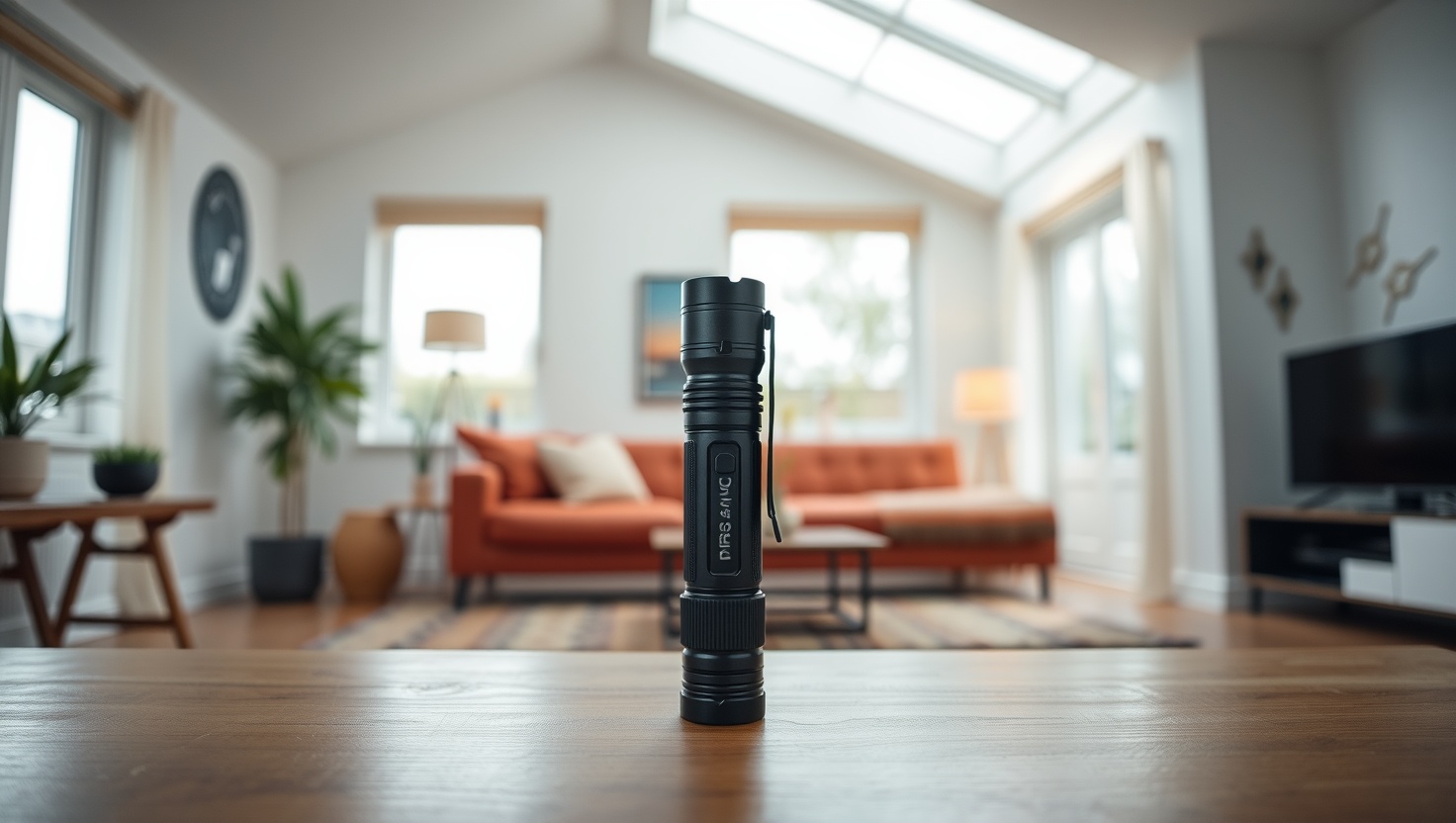
An everyday-carry flashlight is one of those tools you don't think about until you need it — then you're grateful. The best one balances brightness and runtime, uses the right battery, and is small and simple enough that you actually carry it. Here's how to choose.
Key Takeaways
- Lumens aren't everything — 500–1000 is plenty for EDC; runtime and usable modes matter more.
- Rechargeable (USB-C / 18650) is convenient; AA/AAA is handy for grab-anywhere batteries.
- Size and clip decide whether it lives in your pocket every day.
- A simple interface (easy low/high, quick access to modes) beats a fiddly one.
- Look for a low mode — most real use is close-up, not blinding max output.
Brightness vs runtime
Marketing shouts about lumens, but max brightness runs the battery down fast and is overkill for everyday tasks. For EDC, 500–1000 lumens on high is plenty, and what you'll actually use most is a lower mode for reading, close work and not blinding yourself. Check the runtime at usable brightness, not just the headline max.
Battery type
- Built-in rechargeable / 18650 (USB-C): most output and convenience — top it up like a phone. The modern default.
- AA/AAA: lower output but you can find batteries anywhere — reassuring for emergencies and travel.
Want maximum brightness and easy charging? Rechargeable. Value grab-anywhere batteries? AA.
Beam, build and interface
- Beam: a balance of flood (close, wide) and throw (distance) suits general use; pure throw is for spotting far off.
- Build: look for water and impact resistance (an IP rating) for a tool that lives in a pocket.
- Interface: quick, intuitive access to low and high, and ideally a memory of your last mode — fiddly menus get annoying fast.
Ready to pick one?
See our EDC flashlight comparison to find the right mix of brightness, size and battery.
Compare top EDC flashlights →Frequently Asked Questions
For everyday carry, 500–1000 lumens on high is plenty. Max brightness drains the battery fast and is overkill for most tasks — you'll use a lower mode most of the time, so runtime at usable brightness matters more.
Built-in rechargeable or 18650 with USB-C offers the most output and convenience, like charging a phone. AA/AAA lights give lower output but let you find batteries anywhere, which is reassuring for emergencies.
Small enough that you actually carry it every day, with a solid pocket clip. A pocket-friendly size and good clip matter more than a couple hundred extra lumens — a bulky light ends up in a drawer.
One with quick, intuitive access to low and high modes, ideally remembering your last mode. Fiddly menus get annoying fast, so simplicity makes a light far more pleasant to carry and use.
Related: Olight vs Wurkkos EDC flashlight · All everyday carry guides