
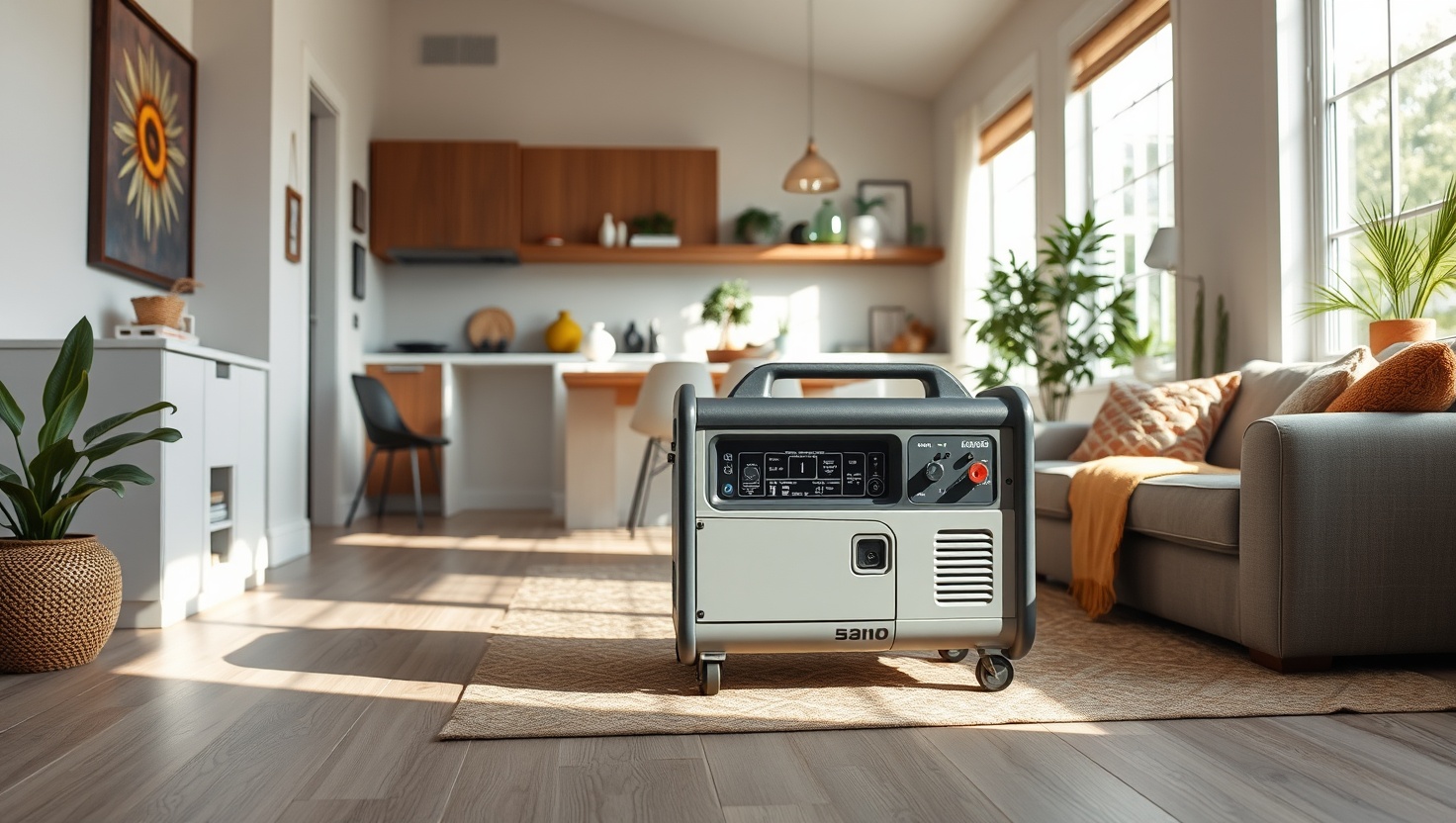
When the grid drops at 2 a.m., you do not want to be fumbling with a flashlight. A whole-house standby generator brings your power back on its own, in seconds.
Generac Guardian — Top Pick
Reliable, widely serviced, and available in sizes for whole-house or essential-circuit coverage, the Generac Guardian starts itself the moment the grid fails and keeps your home powered. It is the safest all-around standby generator for most homes in 2026.
In a hurry? That's our pick. Want the reasoning and the full comparison? Keep reading.
A portable generator is a stopgap. You drag it out in the rain, fill it with gas, run extension cords through a cracked window, and babysit it all night. A standby generator is a different animal entirely. It sits permanently outside your home, wired straight into your electrical panel, fed by your natural gas line or a propane tank. When the power fails, it starts itself, transfers your home's load over automatically, and keeps your furnace, fridge, well pump, and lights running while you sleep. You may not even wake up.
The catch is that a standby unit is a real investment and a real installation. Sizing it to your home's load, choosing the right fuel, and getting a licensed electrician to handle the transfer switch and permits all matter. Below are the four whole-house standby generators worth your money in 2026, plus a plain-English guide to kilowatt sizing, fuel choice, and what a proper install actually involves, so you buy the right one the first time.
Key Takeaways
- A standby generator wires into your home through an automatic transfer switch, so it starts and takes over on its own within seconds of an outage.
- For most homes, the Generac Guardian is our top pick: reliable, widely serviced, and available in sizes that cover a whole house or your essential circuits.
- Want strong whole-house coverage for less? The Champion Home Standby delivers the best value on this list.
- Chasing the most refined build and quietest, most premium operation? The Kohler Home Generator earns it.
- Size the generator to your home's real load in kilowatts, pick natural gas or propane based on what you have, and always use a licensed electrician for the install and permits.
How to Size a Standby Generator for Your Home (Without Guessing)
Sizing starts with your home's real load, measured in kilowatts (kW). You have two honest paths. The first is whole-house coverage, where the generator runs everything, including your central air, and you notice almost no difference during an outage. That takes a larger unit, often in the 20kW-plus range for an average home. The second is essential-circuit coverage, where a smaller unit and a load-managing transfer switch power the things that actually matter, your furnace or heat, refrigerator, well pump, and key outlets, while shedding big loads like the AC. That path costs less and still keeps your household comfortable and safe. Add up your must-run appliances, remember that motors like well pumps and AC compressors draw a big surge when they start, and let an installer confirm the number.
Fuel is the next decision, and it is usually simple. If you have a natural gas line at your home, a natural-gas standby generator is the easy answer: it draws from an effectively unlimited supply, so run time is not a worry as long as the gas keeps flowing. If you do not have gas service, propane is the standard alternative, fed from a tank on your property; here your run time depends on tank size, so plan capacity for the longest outage you realistically expect. Most of these units run on either fuel, so you choose based on what is already at your home rather than the generator itself.
Installation, Self-Test, and Noise: What Actually Owning One Looks Like
A standby generator is not a plug-in appliance, and that is a good thing. Installation means a licensed electrician wiring the unit into your panel through an automatic transfer switch, plus a gas fitter connecting the fuel, plus the permits and inspection your municipality requires. That transfer switch is the heart of the system: it senses the outage, safely disconnects your home from the grid so you never backfeed the utility line, and switches your house over to generator power, usually within seconds. Done right, the whole handoff is automatic and safe. This is exactly why you hire a pro rather than treating it as a weekend project, and why a reputable brand with strong local service matters as much as the spec sheet.
Once installed, the unit mostly takes care of itself. Most run a brief weekly self-test, cycling the engine for a few minutes to confirm everything is ready before you ever need it, so you are not discovering a dead battery mid-storm. Noise is worth thinking about too: modern enclosures are far quieter than old open-frame generators, but a whole-house unit still makes a steady hum while running, so placement relative to bedrooms and neighbors matters. Factor in the pad it sits on, clearance around the enclosure, and occasional maintenance like oil and filter changes. Treat it like the long-term home system it is, and it will quietly earn its keep every time the lights go out.
Quick Comparison
| Product | Best For | Fuel | Strength | Coverage |
|---|---|---|---|---|
| Generac Guardian | Overall pick | Natural gas or propane | Proven reliability + service | Whole-house or essentials |
| Champion Home Standby | Best value | Natural gas or propane | Coverage per dollar | Whole-house capable |
| Kohler Home Generator | Premium build | Natural gas or propane | Refined, quiet operation | Whole-house |
| Briggs & Stratton Standby | Runner-up | Natural gas or propane | Solid all-around backup | Whole-house or essentials |
1. Generac Guardian — Best Overall
Generac Guardian
The Generac Guardian is the standby generator we recommend to almost anyone asking. Generac dominates the home backup market for a reason: the Guardian line comes in a wide range of kilowatt sizes, so you can match it to whole-house coverage or a leaner essential-circuit setup, and it runs on the natural gas or propane you already have. When the grid drops, it starts on its own and hands your home over through the automatic transfer switch, usually within seconds, then keeps running until utility power returns.
What really sets it apart is the ecosystem around it. Because Generac is so widely sold and installed, finding a certified installer, getting service, and sourcing parts is easier than with almost any rival, which is exactly what you want from a system meant to run for a decade or more. Add a quiet enclosure, a weekly self-test that keeps it storm-ready, and available Wi-Fi monitoring so you can check status from your phone, and you have the safest all-around choice for most homes.
Pros
- Broad range of kilowatt sizes to fit whole-house or essential-circuit needs
- Runs on natural gas or propane, whichever your home already has
- Huge installer and service network makes setup and support easy
- Automatic transfer switch handles the outage handoff within seconds
- Weekly self-test and available Wi-Fi monitoring keep it storm-ready
Cons
- Larger whole-house sizes are a significant investment
- Professional installation and permits are required, not optional
- Steady running hum means placement near bedrooms needs planning
2. Champion Standby — Best Value
Champion Home Standby
The Champion Home Standby is the smart-money pick. It delivers genuine whole-house-capable backup with an automatic transfer switch for noticeably less than the premium brands, which makes it the easy recommendation when you want reliable power without maximum spend. Champion has built a strong reputation in the generator world for dependable engines and straightforward operation, and its home standby units carry that same practical, no-nonsense approach.
You give up a little of the ultra-refined polish and the largest dealer network of the flagship names, but you keep the part that matters most: solid, automatic whole-house power when the grid fails. It runs on natural gas or propane like the rest of this list, starts itself, and includes a self-test to stay ready. If your budget is finite and you would rather put your money into coverage than into a badge, the Champion stretches every dollar further.
Pros
- Excellent price-to-coverage for whole-house-capable backup
- Runs on natural gas or propane to match your home
- Automatic transfer switch for hands-off outage protection
- Dependable engines with a solid reputation for reliability
- Self-test keeps it ready without you thinking about it
Cons
- Smaller service and dealer network than the market leader
- Fewer high-end refinements than premium rivals
- Still needs professional install and permits like any standby unit
3. Kohler Generator — Best Premium
Kohler Home Generator
If you want the most refined home backup, the Kohler Home Generator is hard to beat. Kohler has a long heritage in engines and power systems, and it shows in the build: a sturdy, corrosion-resistant enclosure, smooth and comparatively quiet operation, and engineering meant to run cleanly for the long haul. It provides full whole-house coverage through an automatic transfer switch and runs on natural gas or propane like the others here.
You are paying for the whole package: a premium enclosure, strong power quality that treats sensitive electronics gently, and a brand known for durability. For homeowners who see backup power as a permanent home system and want the most polished, quietest unit that will keep running season after season, the Kohler answers that call. It is for the buyer who wants the best-built option and is willing to pay for that finish.
Pros
- Refined, comparatively quiet operation for a whole-house unit
- Durable, corrosion-resistant enclosure built for the long haul
- Strong, clean power quality that is gentle on electronics
- Full whole-house coverage via automatic transfer switch
- Trusted engine heritage and reputation for longevity
Cons
- Among the most expensive options on this list
- Premium build commands a real markup over value brands
- Dealer network varies by region, so check local service
4. Briggs Standby — Best Runner-Up
Briggs & Stratton Standby
The Briggs & Stratton Standby rounds out the list as a dependable, well-rounded backup. Briggs & Stratton is a household name in small engines, and its home standby generators bring that same practical reliability to whole-house power. Units are available in sizes that cover a full home or a smart essential-circuit setup, run on natural gas or propane, and use an automatic transfer switch to take over the moment the grid fails.
It does not chase the premium finish of the Kohler or the sheer market dominance of the Generac, but it does not need to. What it offers is a proven, straightforward system from a trusted name, with self-testing to stay ready and enough size options to fit most homes. If your top two picks are out of stock or you simply prefer the Briggs & Stratton name, this is a safe, sensible choice that will do the job when you need it.
Pros
- Trusted engine brand with a long track record of reliability
- Size options for whole-house or essential-circuit coverage
- Runs on natural gas or propane to suit your home
- Automatic transfer switch for hands-off outage protection
- Self-test keeps the unit storm-ready year-round
Cons
- Service network is smaller than the market leader's
- Fewer premium touches than the highest-end rivals
- Requires professional installation and permits like all standby units
Which Should You Choose?
Pick the Generac Guardian if you want the safest all-around choice
If you want proven reliability, a wide range of kilowatt sizes, and the easiest path to finding a certified installer and future service, the Generac Guardian is the clearest choice. It covers whole-house or essential-circuit setups, runs on natural gas or propane, and takes over automatically within seconds of an outage. For most homes, it is the best balance of dependability, sizing flexibility, and long-term support.
Pick the Champion or Briggs & Stratton if you want value or a proven runner-up
Watching your budget but still want real whole-house backup? The Champion Home Standby delivers the best coverage per dollar on this list without gutting the experience. Prefer a trusted name as a solid all-around pick, especially if your top choice is out of stock? The Briggs & Stratton Standby is a safe, sensible runner-up. Both start themselves, run on natural gas or propane, and keep your home powered when it counts.
Pick the Kohler Home Generator if build and refinement matter most
Some homeowners want the most polished, quietest, best-built unit, not just the most common one. The Kohler Home Generator answers that with a durable, corrosion-resistant enclosure, clean power quality that is gentle on electronics, and refined operation. It still delivers full whole-house coverage, so you are not trading power for polish, but that premium finish and longevity are what you are really paying for, and it is worth it if that matters to you.
Ready to Never Lose Power Again?
The Generac Guardian brings your home back online on its own, within seconds of an outage, fed by the natural gas or propane you already have. Check current pricing and see why it tops our 2026 standby generator list.
Explore Brainstamped's Free ToolsFrequently Asked Questions
For most homes, the Generac Guardian is the best standby generator in 2026. It offers a wide range of kilowatt sizes for whole-house or essential-circuit coverage, runs on natural gas or propane, and benefits from the largest installer and service network, so setup and support are easy. If you want the most refined, premium build, the Kohler Home Generator is the top alternative.
It depends on your load in kilowatts. Whole-house coverage that runs everything, including central air, often needs a 20kW-plus unit for an average home. If you only need essentials, your furnace, fridge, well pump, and key outlets, a smaller unit with a load-managing transfer switch works and costs less. Add up your must-run appliances, account for motor startup surge, and let a licensed installer confirm the exact size.
Choose based on what your home already has. If you have a natural gas line, that is the easiest option, since it draws from an effectively unlimited supply and run time is not a concern. If you do not have gas service, propane fed from an on-site tank is the standard alternative, and your run time depends on tank size, so size the tank for the longest outage you realistically expect. Most of these units run on either fuel.
Yes. A standby generator wires into your electrical panel through an automatic transfer switch. When it senses an outage, it safely disconnects your home from the grid, starts the engine, and switches your house over to generator power, usually within seconds, with no action from you. When utility power returns, it transfers back and shuts down, then runs a weekly self-test to stay ready for the next time.
No, and you should not try. A standby generator requires a licensed electrician to wire the automatic transfer switch into your panel, a gas fitter to connect the fuel, and the permits and inspection your municipality mandates. The transfer switch must prevent backfeeding power onto the utility line, which is a serious safety issue. Hiring a certified installer keeps the system safe, code-compliant, and covered under warranty.