
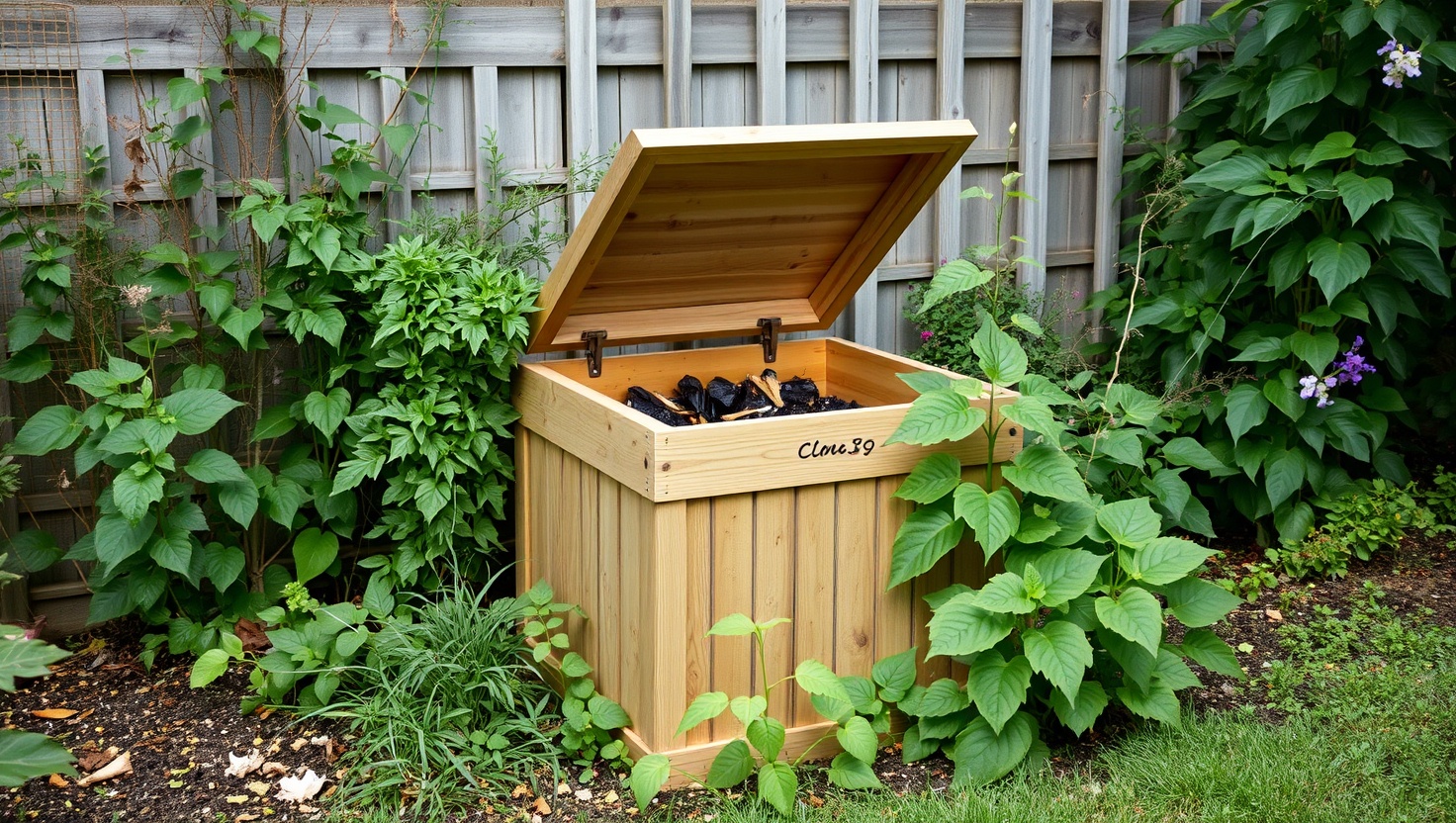
You want a bathroom that works without a septic tank, a sewer line, or a single drop of water. In 2026, a good composting toilet finally makes that simple.
Nature's Head Composting Toilet — Top Pick
Rugged, near odorless when vented, and simple to empty, the Nature's Head is the best all-around composting toilet for off-grid, RV, boat, and tiny-home living in 2026.
In a hurry? That's our pick. Want the reasoning and the full comparison? Keep reading.
Going waterless sounds intimidating until you understand how these toilets actually work. A modern composting toilet does one clever thing: it keeps liquids and solids apart. Urine drains into a sealed front tank, and solids drop into a larger chamber where you mix them with peat moss or coconut coir. Keep those two streams separate and the smell that people fear simply never shows up. That is the whole secret, and it is why these units have become the default for off-grid cabins, tiny homes, vans, and boats.
The catch is that not every unit handles the details the same way. Ventilation, capacity between empties, how the crank breaks down solids, and how much of a hassle it is to dump the tanks all vary a lot from model to model. Spec sheets gloss over the part that matters most to you: the emptying process. Below you get the four composting toilets worth your money right now, plus a plain-English breakdown of how they work so you buy the right one the first time and never look back at the sewer.
Key Takeaways
- A composting toilet needs no water, no plumbing, and no sewer or septic hookup, which is what makes it perfect for off-grid, RV, tiny-home, and boat life.
- The magic is urine-diverting design: liquids and solids stay separate, and that separation is what kills the odor before it starts.
- For most people, the Nature's Head Composting Toilet is our top pick: rugged, easy to empty, and near odorless when installed right.
- Tight on space in a van or boat? The Airhead Composting Toilet's compact footprint and removable solids tank are hard to beat.
- On a budget but still want a solid waterless setup? The Trobolo delivers the best value without gutting the experience.
How a Composting Toilet Actually Works (No Water, No Smell)
Forget the porta-potty you are picturing. A composting toilet separates liquids from solids the moment they arrive, and that single design choice is why it works. The front of the bowl has a small opening that channels urine into a sealed jug you empty every couple of days. The larger opening behind it drops solids into a composting chamber packed with a dry medium, usually peat moss or coconut coir. Odor comes from liquids and solids mixing together, so when you keep them apart, the smell that scares people off never develops in the first place.
The solids chamber does the composting. After you go, you turn a crank or handle that stirs the contents and folds them into the coir or peat. That agitation aerates the pile, breaks it down, and dries it out, so what builds up over weeks looks and smells like dark garden soil rather than waste. Most units run a small, quiet ventilation fan connected to a hose that vents outside. That fan pulls a slight negative pressure through the bowl, which whisks any faint odor out and keeps air flowing over the compost so it dries evenly. It sips power, easily handled by a small solar setup or a house battery.
Capacity is where you should set expectations honestly. The liquids tank is the limiting factor day to day, so for two people using the toilet full time, expect to empty the urine jug every two to three days. The solids chamber lasts far longer, typically several weeks of regular use for a couple before it needs emptying. Full-time cabins with more traffic empty more often; a weekend van or a single boater stretches those intervals way out. Match the unit's capacity to how many people will use it and how often, and the routine stays painless.
Ventilation, Emptying, and the Honest Truth About Maintenance
Ventilation makes or breaks the experience, so install it right. Nearly every quality composting toilet includes a fan and a hose that you route through a wall, floor, or roof to the outside air. Keep that hose short and free of low dips where condensation can collect, run the fan continuously, and you get a bathroom that genuinely does not smell. Skip or shortcut the venting and even the best unit will disappoint you. If your setup truly cannot vent, some simpler models work fan-free, but you trade a little odor control and a slower dry-out for that flexibility, so vent whenever you can.
Now the part reviews tiptoe around: emptying. The liquids jug is the frequent job, and it is genuinely easy. You unclip the front tank, carry it out, and pour it into a proper disposal spot or dilute it as fertilizer for non-edible plants where local rules allow. The solids are the once-in-a-while job, and it is far less grim than newcomers fear. Because the contents have composted and dried into a soil-like material, you line the chamber with a compostable bag, lift it out, and drop it into a dedicated compost pile or bag it for disposal, then add fresh coir and you are back in business in minutes. It is a five-minute chore every few weeks, not a daily ordeal, and once you have done it once the mystery is gone for good. Know local regulations on greywater and compost disposal, keep a bag of coco coir on hand, and this becomes the most self-sufficient bathroom you will ever own.
Quick Comparison
| Product | Best For | Design | Strength | Emptying |
|---|---|---|---|---|
| Nature's Head Composting Toilet | Overall pick | Urine-diverting, spider handle | Rugged + near odorless | Simple, infrequent |
| Airhead Composting Toilet | Tight spaces | Compact, removable tank | Smallest footprint | Easy, clean lift-out |
| Sun-Mar Composting Toilet | Full-time cabins | Self-contained, drum mix | Higher capacity | Finished compost tray |
| Trobolo Composting Toilet | Best value | Simple separation, no fan option | Price to performance | Straightforward |
1. Nature's Head — Best Overall
Nature's Head Composting Toilet
The Nature's Head is the composting toilet we hand to almost anyone going waterless. It nails the fundamentals: a clean urine-diverting bowl, a rugged molded body that shrugs off marine and off-grid abuse, and a stainless spider handle that crumbles solids into the coir with a few easy turns. Installed with its included fan and vent hose, it runs near odorless day in and day out, which is exactly what you want when the bathroom shares a small space with your living quarters.
What sells people is how little it asks of you. The solids chamber holds a couple of people's use for weeks before it needs emptying, and when the day comes, the composted material lifts out cleanly. The low-draw fan is happy on a modest solar setup, and the whole unit is built to last years, not seasons. If you want one composting toilet that just works in a van, a cabin, or a boat without fuss, this is it.
Pros
- Rugged, proven build that holds up in marine and off-grid use
- Near-odorless performance when vented correctly
- Spider-handle crank breaks down solids easily
- Long stretch between solids empties for a couple
- Low-draw fan runs happily on small solar or house batteries
Cons
- Liquids jug needs emptying every couple of days with steady use
- Larger footprint than the most compact rivals
- Vent hose install takes some planning to do right
2. Airhead — Best Compact
Airhead Composting Toilet
When floor space is precious, the Airhead earns its keep. It carries the smallest footprint of the group, which is why it is a favorite in vans, small sailboats, and micro-cabins where every inch counts. The urine-diverting design works exactly as it should, keeping liquids and solids apart so the space stays fresh, and the included fan and hose handle ventilation cleanly.
Its standout feature is the emptying process. The solids tank lifts out as a self-contained unit, so you carry the whole chamber to your disposal spot rather than wrestling with the base. That makes for a tidier, less awkward job, especially on a rocking boat or in a cramped van. If you are fitting a composting toilet into the tightest possible space and want the cleanest lift-out routine, the Airhead is the one to choose.
Pros
- Smallest footprint here, ideal for vans and boats
- Removable solids tank makes emptying tidy and simple
- Effective urine-diverting design keeps odor down
- Included fan and hose for proper ventilation
- Marine-friendly build for boats and coastal cabins
Cons
- Compact size means a smaller solids capacity between empties
- Premium compact design commands a higher price
- Tight tank calls for more frequent solids emptying with heavy use
3. Sun-Mar — Best Self-Contained
Sun-Mar Composting Toilet
The Sun-Mar takes a slightly different route to the same goal. Instead of a simple crank, it uses a rotating composting drum that tumbles the mix, aerates it thoroughly, and pushes finished, soil-like compost into a separate tray you slide out below. That extra mechanism buys you higher capacity and a more hands-off breakdown, which is why it suits full-time cabins and busier households better than a bare-bones unit.
You trade a little simplicity and a larger cabinet for that capacity. It is a bigger, more self-contained appliance rather than a minimal van fixture, so it wants a fixed spot with a proper vent run. But if your off-grid place sees regular use and you would rather empty a tray of finished compost than manage a smaller chamber often, the Sun-Mar delivers the roomiest, most set-and-forget experience of the group.
Pros
- Rotating drum aerates and breaks down solids thoroughly
- Higher capacity suits full-time and busier households
- Finished-compost tray makes emptying feel less raw
- Included fan and vent hose for strong odor control
- Self-contained design well suited to fixed cabin installs
Cons
- Larger cabinet takes up more room than compact rivals
- More mechanism means a bit more to learn and maintain
- Best in a fixed location rather than a moving van or small boat
4. Trobolo — Best Value
Trobolo Composting Toilet
The Trobolo is the smart-money pick. It strips the composting toilet down to its essentials, a clean urine-diverting insert over a liquids container and a solids bin, and charges far less than the flagship units for the same core function. You still get the separation that kills odor and the waterless, no-sewer freedom that drew you here in the first place, just without the premium extras.
You give up some polish and, on the simplest configurations, the built-in powered fan, so venting is more of a passive affair unless you add one. In return you keep every dollar you would have spent on features a weekend cabin or a first-time off-gridder may not need. If you want to go waterless without overspending and you are comfortable with a more manual setup, the Trobolo stretches your budget further than anything else on this list.
Pros
- Excellent price for a real urine-diverting composting toilet
- Simple, approachable design that is easy to understand
- Waterless and sewer-free like the pricier units
- Flexible venting for setups where a powered fan is hard to run
- Great entry point for first-time off-grid or cabin use
Cons
- Simpler build lacks the premium finish of flagships
- Fan-optional venting means more manual odor management
- Lower capacity suits lighter use over heavy full-time traffic
Which Should You Choose?
Pick the Nature's Head if you want one toilet for everything
If you are outfitting a van, cabin, boat, or tiny home and you want a composting toilet that just works for years, the Nature's Head is the clearest choice. Its rugged build, easy spider-handle crank, and near-odorless performance when vented make it the safe recommendation for almost anyone. It is the best balance of durability, ease of emptying, and reliable odor control on this list.
Pick the Airhead or Sun-Mar if space or capacity rules everything
Squeezing a toilet into the tightest van or sailboat? The Airhead's compact footprint and clean lift-out solids tank make it the natural fit. Running a full-time cabin with heavier use? The Sun-Mar's rotating drum and finished-compost tray give you the most capacity and the most hands-off routine. Each trades something for its strength, and that is a smart trade when space or traffic is your deciding factor.
Pick the Trobolo if you want waterless freedom on a budget
Some buyers want the self-sufficiency of a composting toilet without the flagship price. The Trobolo answers that with a simple, honest urine-diverting design that still keeps liquids and solids apart and frees you from the sewer. You accept a more manual setup and flexible venting, but you keep the part that matters, and for a weekend cabin or a first build, that is exactly the right call.
Ready to Cut the Cord to the Sewer?
The Nature's Head gives you a real bathroom with no water, no plumbing, and no septic tank, wrapped in a rugged build that lasts for years. Check current pricing and see why it tops our 2026 list.
Explore Brainstamped's Free ToolsFrequently Asked Questions
For most people, the Nature's Head Composting Toilet is the best composting toilet in 2026. It combines a rugged, proven build with easy emptying and near-odorless performance when vented correctly, which makes it excellent for off-grid cabins, RVs, boats, and tiny homes. If space is extremely tight, the Airhead is the top compact alternative.
Not when they are set up right. Odor comes from liquids and solids mixing, and a composting toilet keeps them separate, so the smell never develops. Add a properly installed vent fan and hose running continuously, keep the solids covered with peat moss or coconut coir, and the bathroom genuinely stays fresh day to day.
The liquids jug is the frequent job, needing emptying every two to three days for two people using it full time. The solids chamber lasts far longer, typically several weeks for a couple before it needs dumping. Lighter use, like a weekend van or a single boater, stretches both intervals much further, so match the unit's capacity to your traffic.
No. A composting toilet is fully waterless and needs no plumbing, sewer line, or septic hookup, which is exactly why it suits off-grid and mobile living. The only utility it wants is a small amount of power for its ventilation fan, easily supplied by a modest solar setup or a house battery.
You add a dry composting medium, almost always peat moss or coconut coir, to the solids chamber. This medium absorbs moisture, controls odor, and gives the composting process material to work with. After each solids use you turn the crank to fold in the coir, and you top up with fresh medium whenever you empty the chamber.