
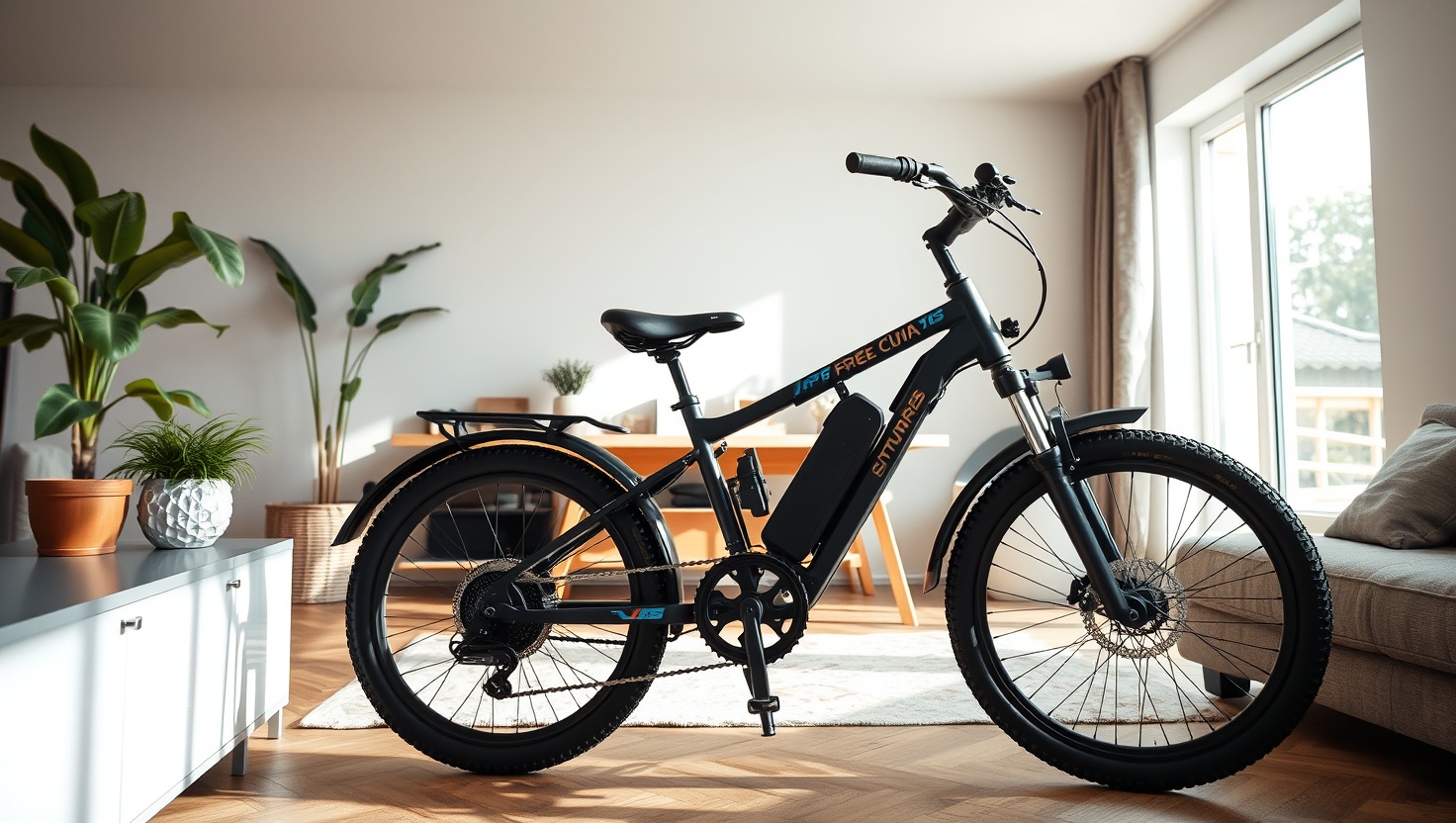
Stop shopping by wattage. The right e-bike is the one that matches the roads you ride and the errands you actually run.
Aventon Level 3 — Top Pick
For everyday commuting, the Aventon Level 3 is the one to beat. Its torque sensor delivers a natural, efficient ride, and the included rack and fenders mean it is ready for real life straight out of the box.
In a hurry? That's our pick. Want the reasoning and the full comparison? Keep reading.
You want an e-bike, but the specs sheets read like a foreign language. Torque sensor or cadence sensor? Class 2 or Class 3? Hub motor or mid-drive? Fat tires or standard? It is a lot, and most "best of" lists just rank by price and move on.
So we are doing it differently. Instead of one winner for everyone, you will pick by how you ride: smooth city commutes, gravel and trails, or upright comfort cruising. Learn the four terms that actually matter, then match them to four e-bikes worth your money in 2026.
Key Takeaways
- Match the bike to your ride: commuter, all-terrain fat-tire, or upright comfort cruiser.
- A torque sensor feels natural and stretches range; a cadence sensor is simpler but jerkier.
- Class 3 hits ~28 mph with pedal assist; Class 2 tops out ~20 mph and adds a throttle.
- Hub motors are quiet and low-maintenance; mid-drives climb better but cost more.
- The Aventon Level 3 is our top overall pick for everyday commuting.
The 4 Specs That Actually Decide Your Ride
Torque sensor vs cadence sensor is the single biggest feel difference. A torque sensor reads how hard you push the pedals and matches the motor to your effort, so the bike feels like a stronger version of you. It also sips battery, which stretches your range. A cadence sensor only senses that the pedals are turning, then delivers a preset burst of power. It works, but it can feel jerky and burns through the battery faster. If a natural ride matters to you, hunt for a torque sensor.
Class and speed come next. A Class 2 e-bike gives pedal assist up to about 20 mph and includes a throttle you can twist to move without pedaling. A Class 3 e-bike extends pedal assist to about 28 mph, which shrinks your commute time, though some regions restrict Class 3 on shared paths. Always check your local e-bike class laws before you buy, because rules vary by city, trail, and state.
Motor placement and tires round it out. A hub motor lives in the wheel, runs quiet, and needs little maintenance, which is perfect for flat-to-rolling city riding. A mid-drive sits at the pedals, climbs steep hills better, and costs more. For tires, standard tires roll fast and efficient on pavement, while 4-inch fat tires float over sand, gravel, snow, and trail chatter at the cost of some speed and range. Pick the tire for the ground you actually cover.
How to Pick by the Way You Ride
If your days are pavement, bike lanes, and the occasional grocery run, you want a commuter: standard tires, a torque sensor for that natural feel, and built-in rack and fenders so you arrive dry and can haul your stuff. The Aventon Level 3 is built exactly for this life, which is why it is our top pick.
If your rides wander onto gravel, dirt, sand, or snow, go fat-tire and all-terrain. Those 4-inch tires plus a torque-forward setup give you grip and cushion where a skinny tire would slip or sink. The Aventon Aventure 3 and Velotric Nomad 2 live here, one leaning premium, one leaning value.
If comfort is king, a bad back says no to leaning forward, and you just want easy, upright, low-stress miles, an upright comfort cruiser wins. You sit tall, see traffic clearly, and roll relaxed. The Velotric Discover 2 nails this at a friendly price.
Quick Comparison
| Product | Best For | Motor / Sensor | Range | Tires |
|---|---|---|---|---|
| Aventon Level 3 | City commuting | Hub, torque sensor | Long | Standard |
| Aventon Aventure 3 | All-terrain | 750W hub (1440W peak) | ~65 mi | 4" fat |
| Velotric Nomad 2 | Value fat-tire | Hub | Long | Fat |
| Velotric Discover 2 | Comfort commuting | Hub | Long | Standard |
1. Level 3 — Best Commuter Overall
Aventon Level 3
This is the everyday e-bike we recommend to most people because it just fits real life. The torque sensor makes the assist feel like your own legs on a good day, smooth and intuitive, and it helps you squeeze more distance out of every charge. The built-in rack and fenders mean you can carry your bag and stay clean when the road is wet, no extra shopping required.
The companion app adds genuinely useful touches like ride tracking and settings you can tune from your phone. If your riding is mostly streets, bike lanes, and errands, the Level 3 covers it without asking you to compromise. Check current price to see where it lands for you.
Pros
- Natural, smooth torque-sensor assist
- Rack and fenders included out of the box
- Efficient sensor stretches your range
- App connectivity for tracking and tuning
- Dialed-in for daily city commuting
Cons
- Standard tires aren't built for deep sand or snow
- App-connected bikes add a small learning curve
- Check current price against a stripped-down budget bike
2. Aventure 3 — Best Fat-Tire All-Terrain
Aventon Aventure 3
When your route refuses to stay on pavement, the Aventure 3 is ready. The 750W motor with a 1440W peak gives you the muscle to power through soft ground and up hills, while the 4-inch fat tires float over sand, gravel, and trail chatter that would stop a skinny tire cold. A range of around 65 miles means big-adventure days without range anxiety.
This is the do-anything option: commute during the week, then hit the dirt on the weekend. It carries more heft than a slim commuter, which is the honest trade for that all-terrain confidence. Check current price to compare it against the Nomad 2.
Pros
- Strong 750W motor with 1440W peak
- 4-inch fat tires grip sand, gravel, and snow
- Roomy ~65-mile range
- Commutes and trails in one bike
- Confident, stable ride over rough ground
Cons
- Heavier than a standard commuter
- Fat tires trade some speed and efficiency
- Bigger footprint to store and transport
3. Nomad 2 — Best Value Fat-Tire
Velotric Nomad 2
The Nomad 2 delivers that fat-tire, go-anywhere freedom while keeping a sharp eye on your wallet. You get the grip and cushion of a proper all-terrain e-bike for tackling gravel, trail, and loose ground, packaged at a price that makes the leap into off-pavement riding easier to justify.
If the Aventure 3 feels like more bike than your budget wants, the Nomad 2 is the smart alternative that still lets you roam. Check current price to see how much you save.
Pros
- Fat-tire capability at a friendly price
- Strong value for money
- Confident grip on loose and rough ground
- Long range for real adventures
- Great entry into all-terrain riding
Cons
- Fat tires roll slower on smooth pavement
- Heavier than a pavement commuter
- Check current price against premium fat-tire rivals
4. Discover 2 — Best Comfort Value Commuter
Velotric Discover 2
The Discover 2 is for riders who want easy, relaxed, upright miles without the aches. You sit tall with a natural posture that is kind to your back and neck, and it gives you a clear view of traffic, which many riders find calming in the city. Standard tires keep it efficient for daily commutes and errands.
At its budget-friendly price, it is the easiest way to swap stressful car trips for pleasant, low-effort rides. If comfort and value top your list, this is your bike. Check current price to lock it in.
Pros
- Upright posture is gentle on your back
- Relaxed, confidence-building ride
- Efficient standard tires for daily use
- Budget-friendly entry price
- Clear sightlines in city traffic
Cons
- Standard tires aren't for trails or deep snow
- Comfort focus means less outright speed
- Fewer premium extras than a flagship commuter
Which Should You Choose?
Torque sensor or cadence sensor?
Go torque sensor if you can. It matches power to your effort for a natural feel and stretches your range, which is why our top picks lean on it. A cadence sensor is simpler and often cheaper, but the assist can feel like an on-off switch and it drains the battery faster.
Class 2 or Class 3?
Choose Class 3 if a faster commute matters and your local laws and paths allow it, since ~28 mph pedal assist shaves real minutes off your ride. Choose Class 2 if you want a throttle for effortless starts and a calmer ~20 mph top speed. Always check your local e-bike class rules first, because some trails restrict Class 3.
Standard tires or fat tires?
Pick standard tires if you live on pavement and want speed and efficiency for commuting. Pick 4-inch fat tires if your rides touch sand, gravel, dirt, or snow and you value grip and cushion over top speed.
Ready to Ride Free?
You now know the four specs that matter and which bike fits your roads. Match the ride to your life, then check current price on your pick and start swapping stressful car trips for rides you actually look forward to.
Explore Brainstamped's Free ToolsFrequently Asked Questions
For most people, the Aventon Level 3 is the best overall electric bike for 2026 thanks to its natural torque-sensor assist, included rack and fenders, and app features. But the truly best bike depends on how you ride: choose a fat-tire model for trails or an upright cruiser for comfort.
A torque sensor gives a smoother, more natural ride and better range because it matches the motor to your pedaling effort. A cadence sensor works and often costs less, but the assist feels more abrupt. If ride quality matters to you, prioritize a torque sensor.
A Class 2 e-bike offers pedal assist up to about 20 mph and includes a throttle. A Class 3 e-bike extends pedal assist to about 28 mph but usually has no throttle at high speed. Class 3 is faster for commuting, though some regions restrict where you can ride it, so check your local laws.
Fat tires are worth it if you ride on sand, gravel, dirt, or snow, because they add grip and cushion for a stable, confident ride. If you stick to pavement, standard tires roll faster and give you better range and efficiency.
A hub motor is quiet, low-maintenance, and great for flat-to-rolling city riding, and it powers all of our picks here. A mid-drive climbs steep hills more efficiently and balances the bike better, but it typically costs more. For most commuters, a quality hub motor is plenty.