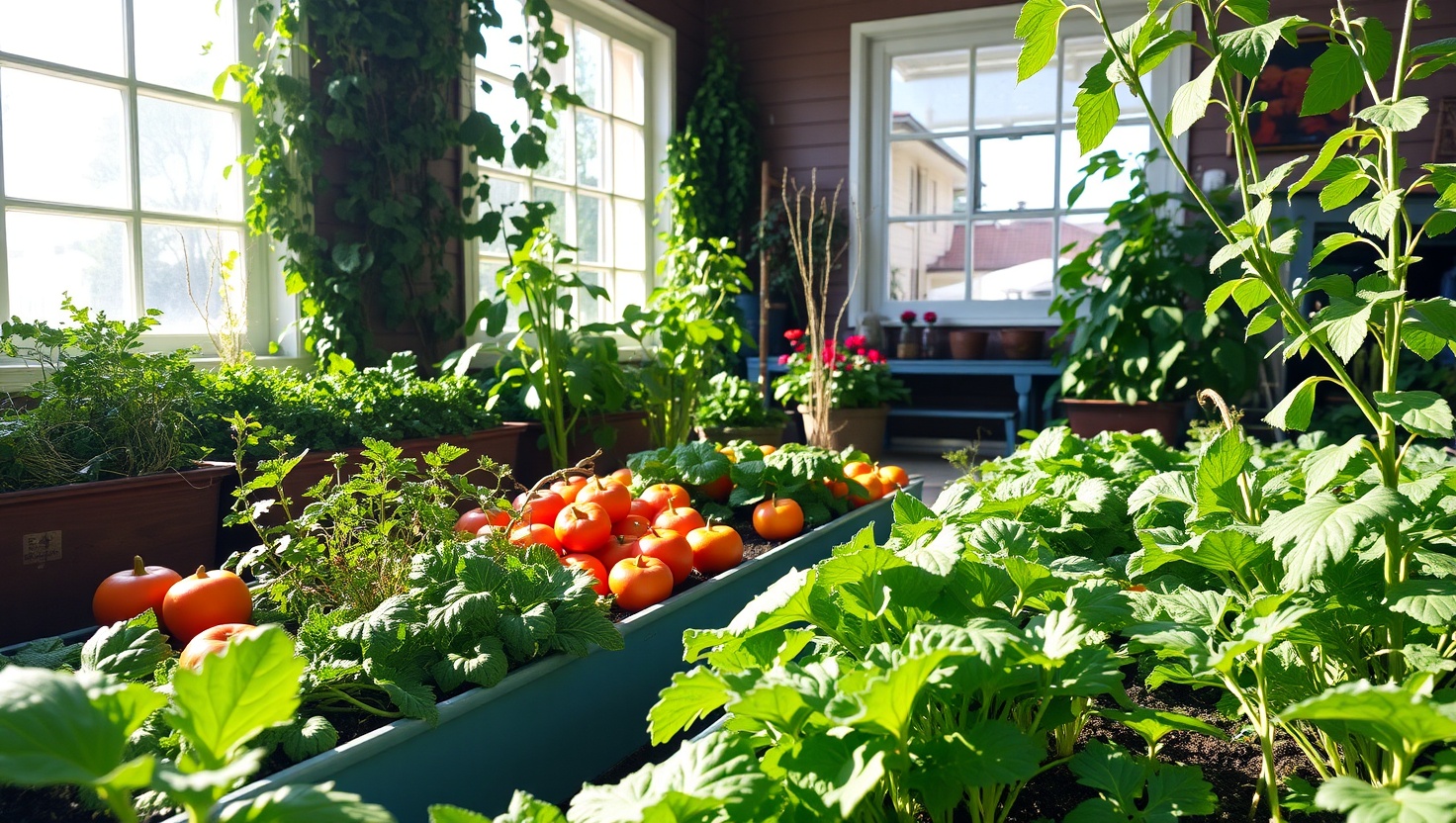
Your tomatoes are wilting. Your lettuce bolted two weeks ago. The basil looks like it survived a fire. Meanwhile, the thermometer reads 98 degrees and it is only June. Sound familiar? Heat tolerant vegetables are not a luxury anymore. They are a necessity. Summers are getting hotter, growing seasons are shifting, and the crops that thrived for your grandparents might not cut it in your garden anymore.
Heat-Tolerant Heirloom Seed Collection — Our Top Recommendation
Open-pollinated | Multiple heat-loving varieties | Seed-saving friendly | Non-GMO
In a hurry? That’s our pick. Want the reasoning and the full comparison? Keep reading.
Here is the good news: plenty of vegetables do not just survive extreme heat. They absolutely love it. These are plants that evolved in scorching tropical climates, that grow faster when temperatures climb, that produce more food the hotter it gets. While your neighbors' gardens go dormant in July and August, yours can be at peak production.
This guide covers 15 heat-tolerant vegetables that handle 95 degrees and above without breaking a sweat. For each one, you get the heat tolerance range, growing tips for hot climates, and days to harvest. Whether you are gardening in Texas, Arizona, Florida, or anywhere the summer sun feels personal, these are the crops that will actually feed you. If you are working with limited space, many of these grow beautifully in a raised bed setup or even containers on a balcony.
Key Takeaways
- Many vegetables thrive above 95°F, including okra, sweet potatoes, southern peas, and peppers that actually produce more in extreme heat
- Climate-smart growing is the number one garden trend for 2026 as summers get hotter and grocery prices keep climbing
- Mulching alone can reduce water needs by 30% and keep soil temperatures 10-15 degrees cooler than bare ground
- Most heat-tolerant vegetables originated in tropical Africa or Asia and are genetically built for hot conditions
- Combining shade cloth, drip irrigation, and morning watering lets you grow almost anything even in extreme heat
- Growing your own heat-tolerant food saves an average of $600 per year while building real independence from rising grocery costs
Why Heat-Tolerant Growing Matters Now
This is not a trend. This is adaptation. Average summer temperatures have climbed steadily over the past decade, and 2026 is projected to be another record-breaker in many regions. If your garden plan still revolves around lettuce, peas, and cool-season crops, you are fighting a losing battle from June through September.
Climate-smart gardening means choosing plants that match your actual conditions, not the conditions you wish you had. It means working with the heat instead of against it. And the payoff is enormous. While grocery prices for fresh produce keep rising, a well-planned summer garden of heat-tolerant vegetables can easily save $600 or more per year for a family. That is real money growing in your backyard.
Beyond the financial argument, there is something deeply satisfying about growing food that thrives no matter what the weather throws at you. Food autonomy means knowing that even in the hottest summer on record, your garden is producing. That is the kind of independence you cannot buy at a grocery store.
15 Heat-Tolerant Vegetables for Scorching Summers
These 15 vegetables are listed from most heat-tolerant to those that handle heat well with a bit of support. All of them perform at temperatures that would destroy typical cool-season crops.
1. Okra
Okra is the undisputed champion of heat-tolerant vegetables. This tropical plant does not just tolerate extreme heat. It demands it. Below 75°F, okra barely grows. Above 90°F, it takes off like a rocket. The pods grow so fast in peak summer that you will be harvesting every other day to keep up.
Growing tips: Direct sow seeds after soil temperatures reach at least 65°F. Soak seeds overnight to speed germination. Space plants 12-18 inches apart in full sun. Okra grows 4-6 feet tall and needs no shade protection whatsoever. Water deeply once or twice per week. Harvest pods when they are 3-4 inches long for the best texture. Let them get bigger and they turn woody and tough.
Best varieties for heat: Clemson Spineless, Emerald, Burgundy, Star of David.
2. Sweet Potatoes
Sweet potatoes are the ultimate set-it-and-forget-it heat crop. Once established, they sprawl across the ground, shading their own roots and suppressing weeds. They grow faster and produce larger tubers when temperatures stay consistently above 85°F. As a bonus, the leaves are edible too and packed with nutrients.
Growing tips: Plant slips (not seeds) after all danger of frost has passed and soil is warm. Space 12-18 inches apart with rows 3-4 feet apart to allow vining. Sweet potatoes need loose, well-drained soil. They handle drought once established but consistent moisture produces bigger tubers. Harvest before first frost by digging carefully around the base of the plant.
Best varieties for heat: Beauregard, Jewel, Georgia Jet, Covington.
3. Southern Peas (Cowpeas / Black-Eyed Peas)
Southern peas laugh at heat that would kill a regular garden pea. While English peas stop producing above 75°F, cowpeas are just getting started. They are also nitrogen-fixers, meaning they improve your soil while feeding you. Black-eyed peas, crowder peas, and cream peas all fall into this category.
Growing tips: Direct sow after soil reaches 65°F. Space 3-4 inches apart in rows 2-3 feet apart. No trellis needed for bush varieties, but pole types appreciate support. Southern peas handle poor soil and drought admirably. Do not over-fertilize. The nitrogen-fixing bacteria on their roots do the work for you. Harvest pods when they start to dry on the vine for dried peas, or pick young for fresh shelling.
Best varieties for heat: California Blackeye, Mississippi Silver, Pinkeye Purple Hull, Zipper Cream.
4. Yard-Long Beans
Yard-long beans (also called asparagus beans or snake beans) produce astonishing 12-30 inch pods that keep coming all summer long. Where regular green beans often drop their flowers in extreme heat, yard-long beans produce even more. They are a staple in Asian cuisines and deserve a spot in every hot-climate garden.
Growing tips: Direct sow after soil warms to 65°F. Provide a sturdy trellis at least 6-8 feet tall because these vigorous climbers need vertical space. Space 6 inches apart along the trellis. Water consistently and harvest pods when they are pencil-thin, around 12-18 inches long. Older pods get tough. Pick regularly to encourage continuous production.
Best varieties for heat: Red Noodle, Chinese Green, Mosaic, Purple Podded.
5. Armenian Cucumber
Regular cucumbers often turn bitter or stop producing above 90°F. Armenian cucumbers thrive at those temperatures. Technically a melon, not a cucumber, they taste and crunch like a mild, never-bitter cucumber and grow prolifically in blistering heat. The long, ribbed fruits can reach 2-3 feet if you let them, but taste best harvested at 12-18 inches.
Growing tips: Direct sow or transplant after all frost danger passes. Give them a trellis for straight fruits and better air circulation. Space 18 inches apart. These are vigorous growers that need consistent water but handle heat far better than standard cucumbers. The thin skin means no peeling required. Virtually never turns bitter even in extreme heat.
Best varieties for heat: Painted Serpent, Armenian Yard Long, Striped Armenian.
6. Malabar Spinach
Regular spinach bolts the moment temperatures hit 75°F. Malabar spinach is the opposite. It barely grows below 80°F and really takes off when thermometers climb past 90°F. The thick, glossy leaves have a mild spinach flavor with a slightly mucilaginous texture. Use it anywhere you would use regular spinach during the months when actual spinach refuses to cooperate.
Growing tips: Start seeds indoors 6-8 weeks before last frost, or direct sow when soil is consistently warm. Provide a trellis because Malabar spinach is a climbing vine that can reach 10+ feet. Harvest individual leaves regularly to encourage bushier growth. Thrives in humidity and heat. The red-stemmed variety is especially beautiful growing up a trellis or fence.
Best varieties for heat: Basella alba (green stem), Basella rubra (red stem).
7. Amaranth
Amaranth is a dual-purpose powerhouse. Young leaves taste like a milder, slightly sweeter spinach. Let the plants mature and you harvest protein-rich grain from the seed heads. Either way, amaranth laughs at heat and drought. The Aztecs considered it a staple crop, and it is making a well-deserved comeback in hot-climate gardens.
Growing tips: Direct sow tiny seeds on the soil surface after last frost. Press lightly but do not cover since they need light to germinate. Thin to 12-18 inches apart. Plants grow 4-8 feet tall depending on variety. Virtually no pest problems. Drought-tolerant once established. For leaf harvest, cut young leaves when plants are 12-18 inches tall. For grain, let flower heads mature and dry on the plant before cutting.
Best varieties for heat: Red Garnet (leaves), Golden Giant (grain), Love Lies Bleeding (dual-purpose).
8. Swiss Chard
Swiss chard bridges the gap between cool-season greens and true heat-lovers. Unlike lettuce and spinach that bolt immediately in warm weather, chard keeps producing harvestable leaves well into summer. It handles temperatures that would destroy most leafy greens and bounces back after heatwaves that make it look temporarily sad. The rainbow varieties add serious color to your garden too.
Growing tips: Direct sow in spring or transplant seedlings. Space 8-12 inches apart. Chard appreciates afternoon shade in the hottest climates (a perfect candidate for shade cloth). Harvest outer leaves regularly, leaving the center to keep producing. With consistent water and some mulch, a single planting can produce from spring through fall. One of the best greens for hot-climate gardens.
Best varieties for heat: Bright Lights, Fordhook Giant, Perpetual, Peppermint.
9. Eggplant
Eggplant is a warm-season crop that genuinely loves summer heat. While it can struggle to set fruit in cool or cloudy weather, give it blazing sun and high temperatures and it rewards you with an abundance of glossy purple (or white, or striped) fruits. Eggplant is in the same family as tomatoes and peppers but handles sustained heat better than most tomato varieties.
Growing tips: Start seeds indoors 8-10 weeks before last frost. Transplant after nighttime temperatures stay above 60°F. Space 18-24 inches apart in full sun. Eggplant needs rich, well-drained soil and consistent moisture. Mulch heavily to keep roots cool and retain water. Stake or cage larger varieties. Harvest when skin is glossy. Once it turns dull, seeds inside are maturing and flesh becomes bitter.
Best varieties for heat: Black Beauty, Ichiban, Rosa Bianca, Thai Long Green.
10. Peppers (Hot Varieties)
Hot peppers are built for heat. Jalapenos, habaneros, cayenne, and ghost peppers all produce more prolifically and develop more intense heat as temperatures climb. While sweet bell peppers sometimes drop their flowers above 90°F, hot pepper varieties keep right on going. The capsaicin that makes them spicy also increases in hotter growing conditions, so summer-grown hot peppers are the hottest.
Growing tips: Start seeds indoors 8-10 weeks before last frost. Transplant when nights stay above 55°F. Space 18 inches apart in full blazing sun. Hot peppers are surprisingly drought-tolerant and produce spicier fruits when slightly stressed (less water = more heat in the pepper). Harvest regularly to encourage continued production. Most hot peppers turn from green to their final color (red, orange, yellow) when fully ripe.
Best varieties for heat: Cayenne, Habanero, Thai Dragon, Ghost Pepper, Serrano.
11. Moringa
Moringa is often called the "miracle tree" and for good reason. The leaves are one of the most nutrient-dense foods on the planet. They contain significant amounts of protein, iron, calcium, and vitamins A and C. Moringa grows explosively fast in heat, reaching 10-15 feet in a single season. In tropical climates it is a perennial tree. In temperate zones, grow it as an annual or container plant.
Growing tips: Direct sow large seeds 1 inch deep after soil warms, or start in pots indoors. Moringa grows ridiculously fast in warm conditions. Prune aggressively to keep it manageable and encourage bushy, leaf-heavy growth rather than a single tall trunk. In zones 9-11, it survives winter. Everywhere else, grow it as an annual and enjoy the leaves fresh all summer. Surprisingly drought-tolerant once established.
Best varieties for heat: Moringa oleifera (most common), PKM1, PKM2 (bred for leaf production).
12. Sweet Corn
Sweet corn loves hot days and warm nights. It grows fastest when temperatures stay between 80-95°F and stalls in cool weather. A well-timed planting that matures during peak summer heat produces the sweetest, most tender ears. Corn is a heavy feeder that needs space, but the reward of eating an ear picked minutes ago is worth every square foot.
Growing tips: Direct sow after soil reaches 60°F. Plant in blocks of at least 4 rows (not single rows) because corn is wind-pollinated and needs neighbors for good ear fill. Space 8-12 inches apart in rows 30 inches apart. Water consistently, especially during tasseling and silking. Each stalk produces 1-2 ears. Harvest when silks turn brown and a kernel pressed with your fingernail releases milky (not clear or paste-like) juice.
Best varieties for heat: Silver Queen, Honey Select, Peaches and Cream, Golden Bantam.
13. Watermelon
Watermelon is the classic summer crop that loves everything about extreme heat. Originally from the Kalahari Desert region of Africa, watermelons evolved to thrive in scorching temperatures with limited water. Those sprawling vines and deep taproots are perfectly adapted to draw moisture from hot, dry soil. Few things say food independence like cutting open your own watermelon in August.
Growing tips: Direct sow or transplant after soil is thoroughly warm (70°F+). Give each plant 6-8 feet of spreading room or train up a sturdy trellis with sling supports for the fruit. Watermelons need consistent water during fruit development but can handle drought at other stages. Mulch heavily to keep soil moisture consistent. Harvest when the tendril nearest the fruit turns brown and the ground spot turns from white to yellow.
Best varieties for heat: Crimson Sweet, Sugar Baby, Charleston Gray, Moon and Stars.
14. Luffa (Loofah)
Most people know luffa as the natural sponge, but young luffa fruits are a delicious edible vegetable popular across Asian cuisines. Harvest at 6-8 inches for tender, zucchini-like eating. Leave them on the vine until they dry and you get natural scrubbing sponges. Either way, luffa vines are vigorous heat-loving climbers that produce abundantly all summer. One plant gives you food AND household tools.
Growing tips: Start seeds indoors 4-6 weeks before last frost because luffa needs a long warm season. Transplant to a strong trellis or fence in full sun. Space 3-4 feet apart. Luffa vines grow aggressively (20+ feet) and need sturdy support. Water deeply during flowering and fruit set. For eating, harvest young fruits daily. For sponges, leave fruits on the vine until the skin turns brown and feels light, then peel and rinse out seeds.
Best varieties for heat: Smooth Luffa (Luffa aegyptiaca), Angled Luffa (Luffa acutangula, better for eating).
15. Roselle (Hibiscus sabdariffa)
Roselle is the plant that gives us hibiscus tea, jamaica agua fresca, and a host of other tart, ruby-red beverages and preserves. The fleshy calyces that form around the seed pods are what you harvest, and they have a bright, cranberry-like flavor that makes incredible tea, jam, syrup, and even wine. The plant itself is a stunning ornamental with red stems and gorgeous flowers.
Growing tips: Start seeds indoors 6-8 weeks before last frost or direct sow once soil is warm. Roselle needs a long growing season (4-5 months of warm weather). Space plants 3-4 feet apart because they grow into substantial bushes (5-7 feet tall). Full sun, regular water, and patience. Calyces are ready to harvest 3-4 weeks after flowering, when they are plump, fleshy, and deep red. Snip them off and separate from the seed pod inside.
Best varieties for heat: Thai Red, USVL-5 (early maturing), Jamaican Sorrel, Archer.
How to Help ANY Vegetable Survive Extreme Heat
Even heat-tolerant crops benefit from smart growing practices. And if you want to keep growing some heat-sensitive favorites alongside your tropical powerhouses, these strategies make it possible.
Mulch Everything (Seriously, Everything)
Mulch is the single most impactful thing you can do for a hot-climate garden. A 3-4 inch layer of organic mulch (straw, wood chips, shredded leaves) reduces soil temperature by 10-15 degrees, cuts water needs by 30%, suppresses weeds, and feeds the soil as it breaks down. Bare soil in full sun can reach 140°F at the surface. That kills roots and soil biology. Mulch keeps everything alive.
Apply mulch after the soil has warmed in spring. Pull it a few inches away from plant stems to prevent rot. Replenish throughout the season as it breaks down. This one practice alone can transform a struggling hot-climate garden into a productive one.
Use Shade Cloth Strategically
A 30-50% shade cloth reduces temperatures by 10-15°F underneath while still allowing enough light for most vegetables to produce. Use it over heat-sensitive crops like lettuce, greens, and cool-season herbs during the hottest months. Mount it on a simple frame above your beds so air can still circulate freely. Remove it in cooler weather or for crops that want full blasting sun.
Switch to Drip Irrigation
Overhead watering loses 30-50% of water to evaporation before it ever reaches roots, and wet foliage in hot weather invites fungal disease. Drip irrigation delivers water directly to the root zone, loses almost nothing to evaporation, and keeps foliage dry. Combined with mulch on top of the drip lines, this is the most water-efficient way to garden in heat.
Water at the Right Time
Water your garden before 7 AM. Early morning watering gives plants time to absorb moisture before the heat of the day. Evening watering can work too, but wet soil overnight sometimes encourages fungal problems. Never water in the middle of a hot day when evaporation is highest and water droplets on leaves can cause leaf burn. Deep watering 2-3 times per week beats shallow daily watering because it encourages deeper root growth.
Use Companion Planting for Natural Shade
Tall heat-loving crops can shade shorter heat-sensitive ones. Plant corn, okra, or sunflowers on the south or west side of your beds to cast afternoon shade on lettuce, herbs, or greens growing below. Yard-long beans or Malabar spinach climbing a trellis create a living shade wall. This companion planting approach lets you grow heat-sensitive and heat-loving crops together in the same garden.
Recommended Products for Hot-Climate Growing
Heat-Tolerant Heirloom Seed Collection
A curated collection of heat-tolerant heirloom seeds gives you the right genetics from day one. Open-pollinated varieties mean you can save seeds year after year, building a seed stock perfectly adapted to your specific hot-climate conditions. Look for collections that include okra, southern peas, hot peppers, and heat-tolerant greens.
Pros
- Varieties bred for heat tolerance
- Open-pollinated for seed saving
- Builds long-term garden independence
- Multiple crops in one purchase
Cons
- Less uniform than hybrid seeds
- Some varieties need long seasons
Garden Shade Cloth (30-50%)
A quality shade cloth drops temperatures 10-15°F underneath while still letting enough light through for vegetable production. Look for knitted (not woven) fabric because it allows better airflow and does not trap heat. Grommeted edges make mounting easy on any frame. A 30% shade cloth works for most vegetables. Go to 50% for greens and herbs.
Pros
- Immediate temperature reduction
- Extends growing season for cool-season crops
- UV-resistant lasts multiple seasons
- Easy to install and remove
Cons
- Needs a support frame
- Can reduce yields on sun-loving crops if too heavy
Drip Irrigation Starter Kit
A drip irrigation kit eliminates the guesswork and waste of overhead watering. Water goes directly to roots with near-zero evaporation loss. Most starter kits connect to a standard hose faucet and include a timer so your garden gets watered at the optimal time (early morning) even when you forget. The most efficient way to water in hot climates, period.
Pros
- Reduces water use by 30-50%
- Automates watering schedule
- Keeps foliage dry (less disease)
- Expandable as garden grows
Cons
- Initial setup takes an afternoon
- Lines can clog without a filter
Raised Garden Bed
Raised beds give you total control over soil quality and drainage. In hot climates, they warm up faster in spring (good for heat-lovers) and you can fill them with the perfect sandy loam that heat-tolerant crops prefer. Add drip irrigation and mulch on top and you have an optimized hot-climate growing system. Check our full raised bed guide for budget-friendly options.
Pros
- Perfect soil control for heat-loving crops
- Excellent drainage prevents root rot
- Easier to mulch and irrigate
- Accessible height reduces back strain
Cons
- Dries out faster than in-ground (needs mulch)
- Upfront material cost
Organic Garden Mulch
Quality organic mulch is the cheapest and most effective heat-fighting tool in your arsenal. Three to four inches of mulch drops soil temperature by 10-15°F, cuts water needs by 30%, suppresses weeds, and feeds the soil as it breaks down. Straw works great for vegetable gardens. Wood chips work for paths and perennial areas. Either way, never garden in hot climates without it.
Pros
- Cheapest way to fight heat stress
- Reduces watering by 30%
- Feeds soil as it decomposes
- Suppresses weeds naturally
Cons
- Needs replacing each season
- Can harbor slugs in humid climates
Product Comparison at a Glance
| Product | Best For | Impact | Investment |
|---|---|---|---|
| Heat-Tolerant Seeds | Right genetics from day one | High — foundation of success | Low ($15-40) |
| Shade Cloth | Protecting sensitive crops | High — 10-15°F cooler | Low-Med ($20-60) |
| Drip Irrigation Kit | Water efficiency | High — 30-50% less water | Medium ($30-80) |
| Raised Bed | Soil and drainage control | Medium — better root health | Med-High ($50-200) |
| Organic Mulch | Moisture retention | High — cheapest game-changer | Low ($10-30) |
Your Garden Does Not Have to Surrender to Summer
The heat is not going away. But your food supply does not have to suffer because of it. These 15 vegetables prove that a scorching summer can be your most productive growing season, not your worst. Start with the crops that match your climate, use the strategies that protect your soil, and grow food on your own terms no matter what the thermometer says.
Get Heat-Tolerant SeedsRead: Organic Pest Control Guide
Frequently Asked Questions
Okra, sweet potatoes, southern peas (cowpeas), yard-long beans, amaranth, and moringa all thrive in temperatures above 100°F. These crops evolved in tropical and subtropical climates and actually produce better in extreme heat than in moderate temperatures. The key is consistent watering and mulching to keep roots cool while the tops soak up the sun.
Focus on four strategies: deep watering in the early morning (before 7 AM), applying 3-4 inches of organic mulch around all plants, installing shade cloth (30-50% shade rating) over heat-sensitive crops, and switching to drip irrigation to deliver water directly to roots without evaporation loss. Also choose heat-tolerant varieties specifically bred for hot climates.
Okra is widely considered the most heat-tolerant vegetable. It thrives in temperatures from 85-110°F and actually grows faster and produces more pods in extreme heat. Originally from tropical Africa, okra is genetically designed for scorching conditions. Sweet potatoes and moringa are close runners-up, both performing excellently above 95°F.
Absolutely. While cool-season crops like lettuce and spinach struggle above 80°F, many vegetables are specifically adapted to hot summers. Plant heat-lovers like okra, peppers, eggplant, sweet potatoes, and southern peas in late spring for a summer harvest. In hot climates, summer is actually peak growing season for these crops, not a time to stop gardening.
Not necessarily. Deep watering 2-3 times per week is usually better than shallow daily watering. Deep watering encourages roots to grow deeper where soil stays cooler and moister. Water early in the morning (before 7 AM) to minimize evaporation. Use mulch to retain moisture between waterings. Container gardens may need daily watering since they dry out faster than in-ground beds.