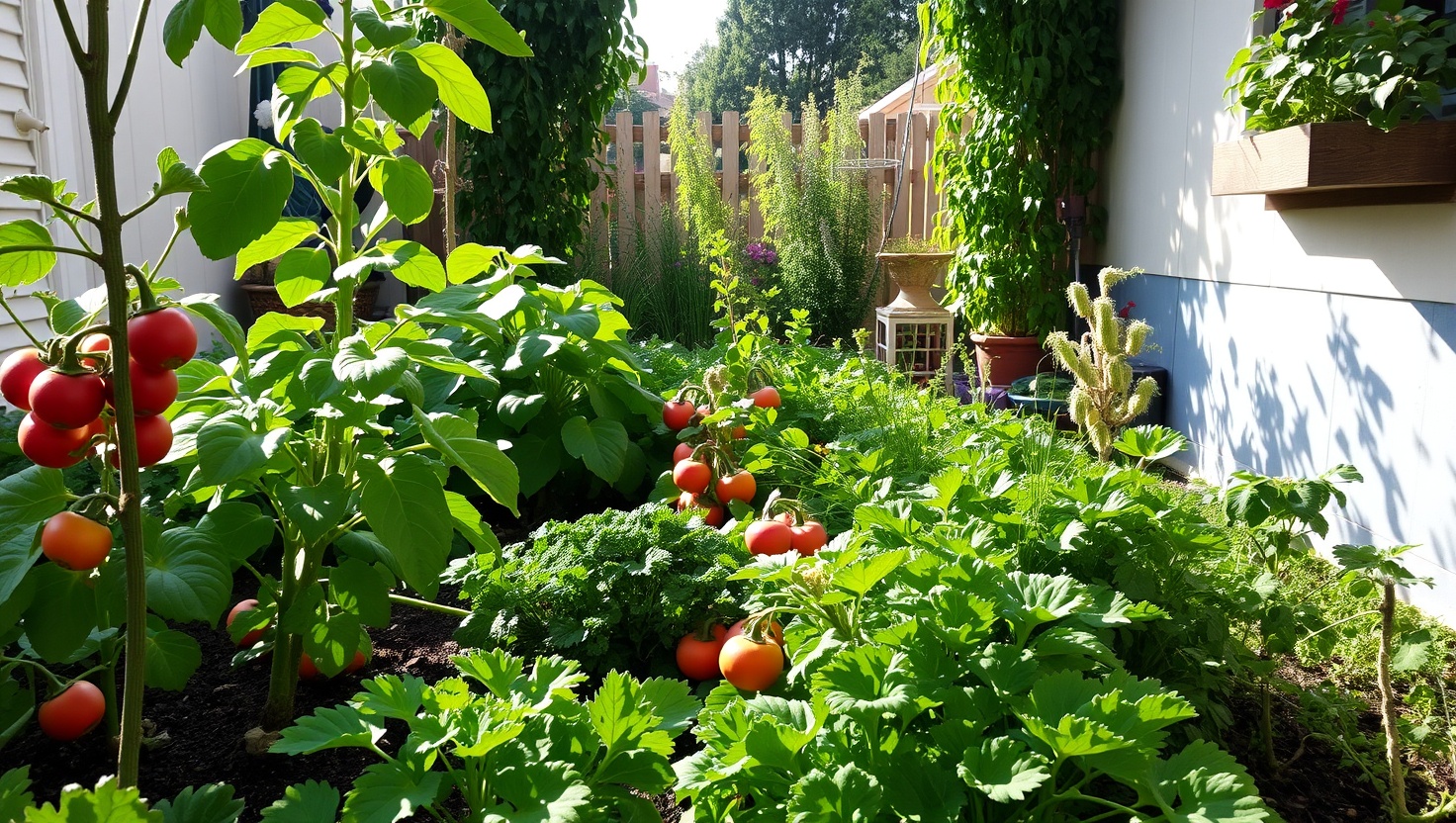
Your garden can be beautiful AND feed you. Most people treat flowers and food as separate categories. Ornamental beds over here, vegetable patches over there. But some of the most stunning flowers you can grow are also delicious. Edible flowers are the secret weapon of anyone who wants a garden that looks incredible and puts food on the table at the same time.
Edible Flower Seed Collection — Our Top Recommendation
Mixed varieties | Non-GMO | Includes nasturtiums, calendula, borage, chamomile, and more
In a hurry? That’s our pick. Want the reasoning and the full comparison? Keep reading.
Growing edible flowers you can grow and eat is one of the simplest ways to add color to your plates, flavor to your drinks, and purpose to every square foot of garden space. You do not need experience. You do not need a big yard. Most of these flowers are easier to grow than the vegetables you already have. And once you start tossing nasturtium petals into salads or freezing borage blossoms in ice cubes, you will wonder why you ever grew flowers you could not eat.
This guide covers 12 edible flowers that are beginner-friendly, widely available, and genuinely useful in the kitchen. For each one, you get the flavor profile, growing instructions, and practical ideas for how to use them. Whether you garden in a container on a balcony or across a full backyard, there is something here for you.
Key Takeaways
- Edible flowers let you grow a garden that is both beautiful and productive, turning every bloom into potential food
- Nasturtiums, calendula, and borage are the easiest edible flowers for beginners and grow well in containers or garden beds
- NEVER eat flowers from florists or nurseries because they are treated with pesticides not safe for consumption
- Most edible flowers prefer full sun and well-drained soil, and many actually produce more blooms in less fertile ground
- Use edible flowers in salads, drinks, baking, ice cubes, infused oils, and as garnishes to add flavor and visual impact
- Many edible flowers also attract pollinators to your garden, boosting yields on your vegetables and fruit
Why Edible Flowers Deserve a Spot in Your Garden
The kitchen garden is making a serious comeback. People are tired of lawns that do nothing and flower beds that just sit there looking pretty. The idea that a garden should be both beautiful and useful is not new. It goes back centuries. Cottage gardens, French potagers, and traditional kitchen gardens all mixed flowers with food. We just forgot about it for a while.
Edible flowers solve three problems at once. First, they make your garden visually stunning. A bed of orange nasturtiums, blue borage, and golden calendula is genuinely beautiful. Second, they attract pollinators. Bees, butterflies, and hoverflies flock to flowering plants, and those pollinators are exactly what your tomatoes, squash, and peppers need to set fruit. If you want to take that further, check out our pollinator garden guide. Third, they give you ingredients you cannot buy at most grocery stores. Fresh edible flowers add flavors, textures, and colors to your cooking that nothing else can replicate.
The farm-to-table movement has pushed edible flowers into restaurant kitchens worldwide. But you do not need a chef's budget to enjoy them. A single packet of seeds, some sunshine, and a bit of water is all it takes. These are some of the most forgiving plants you will ever grow.
12 Edible Flowers to Grow and Eat
Each flower below is beginner-friendly, widely available as seed, and genuinely useful in the kitchen. They are listed in order of ease and versatility, starting with the most foolproof options.
1. Nasturtiums
Nasturtiums are the gateway edible flower. They grow fast, bloom abundantly, and tolerate poor soil. In fact, they produce more flowers in lean soil because rich soil encourages leaf growth over blooms. Both the flowers and round leaves are edible, with a peppery kick similar to watercress.
How to grow: Direct sow seeds after last frost, about 1 inch deep and 10 inches apart. They germinate in 7-10 days and start flowering within 6-8 weeks. Water regularly but do not overwater. They handle heat well and keep blooming until the first frost.
How to use: Toss whole flowers into salads for a peppery punch. Stuff larger blooms with herbed cream cheese for appetizers. Use as a vibrant garnish on any savory dish. The seeds can even be pickled as a substitute for capers.
2. Calendula (Pot Marigold)
Calendula has been used in kitchens and medicine cabinets for centuries. The bright orange and yellow petals have a subtle tangy flavor and contain carotenoids that add natural golden color to rice, soups, and baked goods. This is sometimes called "poor man's saffron" for good reason. Do not confuse calendula (Calendula officinalis) with ornamental marigolds (Tagetes), which are a different plant covered separately below.
How to grow: Direct sow in early spring or fall. Calendula prefers cooler temperatures and can handle light frost. Space plants 12 inches apart. Deadhead spent flowers regularly to encourage continuous blooming. Self-seeds generously, so once established it comes back year after year.
How to use: Sprinkle petals into rice dishes as a natural colorant. Add to soups and stews. Infuse into oils for cooking or skincare. Dry the petals and use in tea blends. The color holds well when dried.
3. Violets
Wild violets are one of the first flowers to bloom in spring, and they are completely edible. The delicate purple, blue, or white flowers have a gentle sweetness that works beautifully in desserts and drinks. Violets are one of the few edible flowers that actually prefer shade, making them perfect for spots where other plants struggle.
How to grow: Plant in a shaded or partially shaded spot with moist, rich soil. Violets spread readily by runners and self-seeding. In many yards they already grow wild. Once established, they need almost no care. They make excellent ground cover under trees or along shaded garden borders.
How to use: Crystallize with egg white and sugar for cake decorations. Float in cocktails or lemonade. Stir into yogurt or cream. Make violet syrup for drinks and desserts. Freeze into ice cubes for an elegant touch in sparkling water.
4. Lavender
Lavender is one of the most recognizable scents in the world, and those fragrant flowers are fully edible. The key to cooking with lavender is restraint. A little goes a long way. Too much and your food tastes like soap. Used sparingly, it adds a sophisticated floral note to both sweet and savory dishes. English lavender (Lavandula angustifolia) has the best flavor for eating.
How to grow: Lavender demands full sun and excellent drainage. It thrives in sandy, slightly alkaline soil and actually dislikes rich, moist conditions. Plant in a raised bed or add sand to heavy soil. Space plants 12-18 inches apart. Once established, lavender is drought-tolerant and low maintenance. Prune after flowering to keep plants compact.
How to use: Add a small amount to shortbread, scones, or sugar cookies. Infuse into cream for ice cream or panna cotta. Mix into a lavender honey. Sprinkle over roasted lamb or grilled peaches. Blend into lemonade or tea. Always remove the flowers from stems before using.
5. Borage
Borage produces stunning star-shaped blue flowers that taste like fresh cucumber. It is one of the best pollinator plants you can grow, attracting bees in massive numbers. If you grow squash, tomatoes, or strawberries nearby, borage will boost your pollination rates significantly. It is also a fantastic companion plant for tomatoes and strawberries.
How to grow: Direct sow seeds in spring. Borage does not transplant well because of its long taproot, so sow directly where you want it. Space 12-18 inches apart. It grows quickly to 2-3 feet tall and self-seeds enthusiastically. One planting and you will have borage returning on its own for years.
How to use: Freeze individual flowers in ice cube trays for the most beautiful drink garnish you have ever seen. Float fresh in cocktails, gin and tonics, or sparkling water. Add to salads for a cool cucumber flavor. The young leaves are edible too, chopped into salads or cooked like spinach.
6. Chamomile
Growing your own chamomile means you will never buy tea bags again. The small daisy-like flowers produce a sweet, apple-scented tea that calms the mind and settles the stomach. German chamomile (Matricaria chamomilla) is the annual variety best for tea. Roman chamomile (Chamaemelum nobile) is a perennial ground cover with similar flavor but smaller yields.
How to grow: Scatter seeds on the soil surface in spring and press lightly. Chamomile seeds need light to germinate, so do not bury them. Thin seedlings to 8-10 inches apart. Plants grow 1-2 feet tall and bloom for weeks. Harvest flowers when they are fully open but before petals start drooping.
How to use: Dry flowers for tea. Steep fresh flowers in hot water for 5-10 minutes. Add to baked goods for a subtle apple note. Infuse into honey or cream. Blend dried chamomile into homemade bath products. A calming evening routine starts right in your garden.
7. Hibiscus
Hibiscus tea is popular worldwide for its striking ruby-red color and tart, cranberry-like flavor. The species used for tea and cooking is Hibiscus sabdariffa (also called roselle), which produces fleshy calyces around the seed pods that you harvest after flowering. This is different from the ornamental tropical hibiscus you see in landscaping.
How to grow: Start seeds indoors 6-8 weeks before last frost, or direct sow after all frost danger passes. Hibiscus sabdariffa needs a long, warm growing season (4-5 months). It grows 4-6 feet tall and thrives in full sun with regular watering. In cooler climates, grow in a large container that you can move to catch maximum sun.
How to use: Harvest the calyces when they are plump and red. Brew into hot or iced tea. Make hibiscus syrup for cocktails and sparkling water. Cook into jam, jelly, or chutney. Dry for year-round tea supply. The tart flavor pairs well with ginger, lime, and honey.
8. Marigold (Tagetes)
Marigolds (Tagetes species) are garden workhorses that also happen to be edible. Signet marigolds (Tagetes tenuifolia) have the best flavor for eating, with a citrusy, slightly spicy taste. French and African marigolds are edible too but have a more pungent, bitter flavor. Beyond eating, marigolds repel nematodes, aphids, and whiteflies, making them one of the most useful plants you can grow alongside your vegetables.
How to grow: Direct sow after last frost or start indoors 4-6 weeks early. Marigolds germinate in 5-7 days and start flowering within 8 weeks. Space 8-12 inches apart. Deadhead spent blooms to encourage continuous flowering. They handle heat, drought, and poor soil with zero complaints.
How to use: Pull individual petals from the flower head and scatter over salads, rice, or pasta. Use as a natural food coloring (marigold petals are used commercially to color cheese and butter). Add to soups and stews. Dry petals for tea blends. For eating, stick to signet marigold varieties for the best flavor.
9. Rose Petals
Roses have been eaten for thousands of years across Middle Eastern, Indian, and European cuisines. The more fragrant the rose, the more flavor the petals carry. Old garden roses and heirloom varieties typically have the strongest scent and best flavor. Modern hybrid tea roses bred for looks often have little scent and bland flavor. If a rose smells amazing, it will probably taste good too.
How to grow: Plant bare-root roses in early spring or potted roses anytime during the growing season. Roses need at least 6 hours of direct sun, good air circulation, and rich, well-drained soil. Water deeply at the base rather than overhead to prevent fungal disease. If growing specifically for eating, choose fragrant heirloom varieties and avoid all chemical sprays.
How to use: Make rose water by steeping petals in hot water. Add to Middle Eastern and Indian desserts. Blend into jam, jelly, or syrup. Crystallize petals for cake decoration. Infuse into sugar by layering petals and sugar in a jar for two weeks. Add to tea blends. Always remove the white base of each petal (the heel), which can be bitter.
10. Squash Blossoms
If you grow any type of squash, zucchini, or pumpkin, you already have access to one of the most prized edible flowers in culinary tradition. Squash blossoms are a delicacy in Italian and Mexican cooking. The large, golden flowers have a delicate squash flavor and a tender texture that works beautifully stuffed and fried. Harvest male flowers (the ones on long thin stems without a baby fruit behind them) so you do not reduce your squash harvest.
How to grow: Squash plants produce far more male flowers than needed for pollination, so harvesting them does not hurt your crop. Pick in the morning when flowers are fully open. Use the same day if possible because they wilt quickly. Growing squash in general is straightforward: full sun, rich soil, plenty of water, and lots of space.
How to use: Stuff with ricotta, herbs, and mozzarella, then batter and fry. Add to quesadillas or fold into omelets. Chop and stir into risotto or pasta. Eat raw in salads. Dip in tempura batter for a light, crispy appetizer. They are also stunning as a garnish on any dish.
11. Chive Blossoms
Chive blossoms are one of the most overlooked edible flowers. If you grow chives (and you should), those purple pompom flowers that appear in late spring are completely edible. They taste like a milder version of the chive itself, with a gentle onion flavor that works in almost any savory application. They also happen to be gorgeous.
How to grow: Chives are one of the easiest herbs to grow. Plant from seed or divisions in spring. They return every year, multiply on their own, and need almost nothing from you. Full sun to partial shade, average soil, occasional water. Cut back after flowering to encourage a second bloom. They grow happily in containers, raised beds, or garden borders. For more on growing and preserving herbs, see our dedicated guide.
How to use: Pull apart the individual florets and scatter over salads, soups, baked potatoes, or deviled eggs. Infuse white wine vinegar with chive blossoms for a beautiful pink vinegar with subtle onion flavor. Add whole blossoms to compound butter. Mix into cream cheese for bagels. Use as a finishing garnish on any savory dish.
12. Dandelions
The flower most people spend money trying to eliminate is actually one of the most nutritious plants in your yard. Every part of the dandelion is edible: flowers, leaves, and roots. The bright yellow petals have a mildly sweet, honey-like flavor when separated from the bitter green sepals. Dandelion greens are packed with vitamins A, C, and K, plus iron and calcium. They are free, they are everywhere, and they are genuinely good for you.
How to grow: You probably do not need to grow dandelions on purpose. They already grow in most lawns and gardens. The only requirement is making sure you harvest from areas that have NOT been treated with herbicides or pesticides. If you want a dedicated supply, scatter seeds in a corner of your garden. They need no care whatsoever.
How to use: Make dandelion honey by simmering petals with sugar, lemon, and water. Fry the whole flowers in batter for dandelion fritters. Add young leaves to salads (harvest before flowering for less bitterness). Roast the roots and grind for a caffeine-free coffee substitute. Brew petals into wine or tea. An entire meal from a "weed" your neighbors pay to remove.
Safety Rules for Eating Flowers
Edible flowers are wonderful, but you need to follow a few non-negotiable rules to stay safe.
- NEVER eat flowers from florists, nurseries, or garden centers. These are almost always treated with pesticides, fungicides, and preservatives that are not approved for food. Just because a flower species is edible does not mean that specific flower is safe to eat.
- Only eat flowers you have positively identified. If you are not 100% certain of the species, do not eat it. Many edible flowers have toxic look-alikes.
- Grow your own or buy from food-grade sources. The safest edible flowers are ones you grew yourself from seed without chemical sprays, or ones specifically sold as food-grade.
- Start small for allergies. Try a small amount of any new edible flower and wait 24 hours before eating more. People with pollen allergies or sensitivity to the daisy family (Asteraceae) should be especially careful with chamomile, calendula, and dandelions.
- Do not pick from roadsides. Flowers growing near roads absorb exhaust fumes and may be sprayed by municipal crews.
When in doubt, do not eat it. The good news is that when you grow your own from food-safe edible flower seeds, you control exactly what goes on your plants. No sprays, no mystery chemicals, no risk.
Edible Flower Comparison at a Glance
| Flower | Flavor | Difficulty | Best Use |
|---|---|---|---|
| Nasturtiums | Peppery | Very easy | Salads, stuffed appetizers |
| Calendula | Tangy, saffron-like | Easy | Rice, soups, oils |
| Violets | Sweet, floral | Easy | Desserts, drinks, ice cubes |
| Lavender | Floral, herbaceous | Moderate | Baking, infusions |
| Borage | Cucumber | Very easy | Drinks, ice cubes, salads |
| Chamomile | Apple-like, sweet | Easy | Tea, baking, infusions |
| Hibiscus | Tart, cranberry-like | Moderate | Tea, syrups, jams |
| Marigold | Citrusy, pungent | Very easy | Color, salads, tea |
| Rose petals | Sweet, perfumed | Moderate | Desserts, syrups, water |
| Squash blossoms | Mild, sweet | Easy | Stuffed, fried, omelets |
| Chive blossoms | Mild onion | Very easy | Vinegars, salads, garnish |
| Dandelions | Honey-like, bitter | Effortless | Tea, fritters, honey |
6 Ways to Use Edible Flowers in Your Kitchen
Growing edible flowers is the easy part. Knowing what to do with them is where the fun begins. Here are six practical ways to bring your garden flowers into your cooking.
1. Salads and fresh dishes
The simplest use. Toss whole nasturtium, borage, or violet flowers into any green salad. Scatter chive blossom florets or calendula petals over grain bowls, pasta, or roasted vegetables. The colors are stunning and the flavors range from peppery to sweet. Pick flowers right before serving for the freshest appearance.
2. Drinks and cocktails
Freeze borage or violet flowers in ice cube trays for drinks that look spectacular as they melt. Make hibiscus iced tea, lavender lemonade, or chamomile honey tea. Float rose petals in champagne. Infuse simple syrups with lavender, rose, or hibiscus for cocktails and mocktails. Edible flowers turn any drink into an event.
3. Baking and desserts
Press edible flowers onto the top of cakes before the icing sets. Mix lavender into shortbread dough. Fold crystallized violets or rose petals into chocolate truffles. Add chamomile to custard or panna cotta. Use calendula petals to color cake batter naturally. The delicate flavors of edible flowers shine in desserts.
4. Ice cubes and frozen garnishes
Fill ice cube trays halfway with water, add a single flower, freeze, then top with more water and freeze again. This suspends the flower in the center of the cube. Use borage, violets, small rose petals, or individual chive florets. These are perfect for summer parties, dinner gatherings, or just making your Tuesday evening water feel special.
5. Infused oils and vinegars
Pack a clean glass jar with chive blossoms and cover with white wine vinegar. After two weeks, strain. You get a beautiful pink vinegar with a subtle onion flavor perfect for dressings. Do the same with calendula or rose petals in olive oil for a flavored cooking oil. Infused vinegars and oils also make incredible homemade gifts. A fermentation crock works well for larger batches of flower-infused preserves.
6. Garnish everything
Even if you never cook with edible flowers, using them as a garnish elevates any plate. A few nasturtium petals on avocado toast. Chive blossoms on a bowl of soup. Calendula petals on a cheese board. Rose petals scattered across a dessert plate. You grew it, it is edible, and it makes everything look like it came from a restaurant.
Recommended Products for Your Edible Flower Garden
Edible Flower Seed Collection
A curated mix of edible flower seeds gives you the fastest path from zero to a blooming, edible garden. Most collections include 8-12 varieties that cover different flavors, colors, and bloom times so you have flowers to eat from early summer through fall. One packet plants a full bed or several containers.
Pros
- Multiple varieties in one purchase
- Curated for flavor and ease of growing
- Non-GMO and food-safe
- Enough seed for a full season
Cons
- May include varieties not suited to your climate
- Less control over exact varieties
Heirloom Seed Variety Pack
If you want edible flowers alongside your vegetables, an heirloom variety pack gives you both. Open-pollinated seeds mean you can save seeds from your best plants and replant year after year, building genuine self-sufficiency. Heirloom varieties also tend to have stronger flavors and fragrances than modern hybrids, which matters when you are growing flowers to eat.
Pros
- Vegetables and flowers in one pack
- Open-pollinated for seed saving
- Stronger flavors and aromas
- Builds long-term garden independence
Cons
- Some varieties need longer growing seasons
- Less uniform than hybrid seeds
Raised Garden Bed
A raised bed gives you control over soil quality, drainage, and layout. Edible flowers thrive in the well-drained, loose soil that raised beds provide. You can dedicate one bed entirely to edible flowers or mix them in with your vegetables and herbs for a true edimental garden that is both beautiful and productive.
Pros
- Perfect drainage for flowers that hate wet feet
- Clean separation from lawn chemicals
- Easy to organize companion plantings
- Accessible height reduces back strain
Cons
- Upfront cost for materials
- Dries out faster in hot weather
Kitchen Scale
When you start making lavender shortbread, rose syrup, or hibiscus jam, precise measurements matter. A gram-accurate kitchen scale prevents the number one mistake with floral cooking: using too much. Edible flowers are potent, and the difference between a subtle floral note and tasting like a perfume counter is often just a few grams.
Pros
- Precise measurements for delicate recipes
- Tare function for easy measuring
- Useful for all cooking and baking
- Small and easy to store
Cons
- Needs batteries
- Cheap models can be inaccurate
Fermentation Crock
A fermentation crock is not just for sauerkraut. Use it for making flower-infused vinegars, dandelion wine, hibiscus ferments, and floral preserves. The water-sealed lid creates an anaerobic environment that is perfect for slow infusions and fermentation. Once you start preserving your edible flower harvest, you will want batches going all season long.
Pros
- Water seal prevents mold during fermentation
- Works for vinegars, wines, and preserves
- Durable ceramic lasts decades
- Multiple uses beyond flowers
Cons
- Heavy and bulky to store
- Higher cost than mason jars
Grow Beauty You Can Eat
Your garden does not have to choose between looking beautiful and feeding you. Edible flowers give you both. Start with nasturtiums and borage. They are almost impossible to fail. Then expand from there. Every bloom is a reminder that the most rewarding things grow from what you plant yourself.
Get Edible Flower SeedsRead: Companion Planting Guide
Frequently Asked Questions
No. Many flowers are toxic and should never be eaten. Only eat flowers you have positively identified as edible. Never eat flowers from florists, nurseries, or garden centers because they are almost always treated with pesticides not approved for food. Stick to flowers you have grown yourself from food-safe seeds, and when in doubt, leave it out.
Nasturtiums are the easiest edible flower for beginners. They grow fast from seed, thrive in poor soil, tolerate neglect, and produce abundant flowers all season long. Both the flowers and leaves are edible with a pleasant peppery flavor. Direct sow seeds after the last frost and you will have flowers within 6-8 weeks.
Pick edible flowers in the morning after the dew has dried but before the heat of the day. Place them gently on a damp paper towel in a sealed container in the refrigerator. Most edible flowers stay fresh for 2-5 days this way. For longer storage, you can freeze flowers in ice cube trays with water, dry them in a dehydrator, or press them for decoration.
If you have pollen allergies or are allergic to plants in the daisy family (Asteraceae), be cautious with flowers like chamomile, calendula, and dandelions, which belong to that family. Start with a very small amount of any new edible flower and wait 24 hours to check for reactions. People with ragweed allergies should be especially careful with chamomile.
Yes. Many edible flowers contain vitamins, minerals, and antioxidants. Nasturtiums are high in vitamin C. Calendula contains carotenoids and anti-inflammatory compounds. Hibiscus is rich in antioxidants and vitamin C. Dandelions provide vitamins A, C, and K. While you typically eat flowers in small quantities, they add real nutritional value on top of flavor and visual appeal.