Puro Sound Labs PuroQuiet Plus — Best Overall
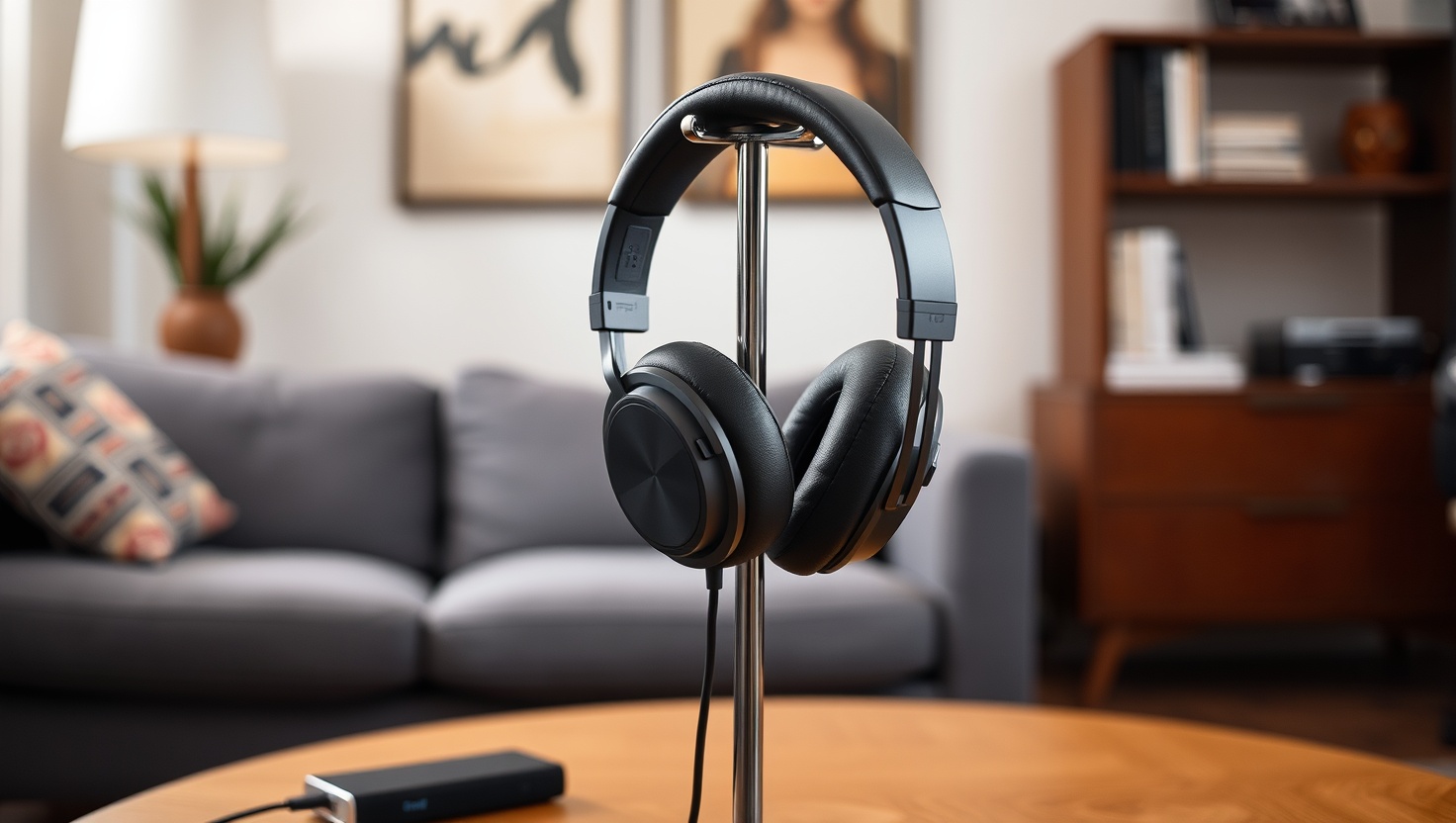
Puro Sound Labs has been making hearing-safe headphones for years, and the PuroQuiet Plus is their flagship. It's the only kids' headphone on this list with active noise cancellation — meaning…
In a hurry? That’s our pick. Want the reasoning and the full comparison? Keep reading.
The World Health Organization has a number every parent needs to hear: 1 billion young people are at risk of permanent hearing loss from unsafe listening through headphones and earbuds. And the damage is silent — your kid won't feel it happening, and you won't see it coming. By the time they notice, it's already done.
The best volume limiting headphones for kids solve this problem without a battle. They cap output at 85dB — the WHO's safe maximum for children — at the hardware level. Your kid can crank the dial on their tablet all the way up. It doesn't matter. The headphones physically can't go louder. That's the difference between hoping and knowing.
We've sorted through every option on the market and picked the five best. Here's what actually works.
Key Takeaways
- The WHO recommends a maximum of 85dB for kids — standard headphones can reach 110dB+, causing permanent damage in minutes
- Hardware-enforced volume limits are safer than software limits, which can be bypassed or don't travel with the device
- Best Overall: Puro Sound Labs PuroQuiet Plus (~$80) — ANC + 85dB hardware cap, studio-grade sound
- Best Budget: JBL JR310BT (~$30) — trusted brand, solid wireless headphones at an accessible price
- Younger kids (3–7) benefit from headphones with a 75dB mode option, like the BuddyPhones Cosmos+
- Safe listening habits matter beyond headphones — breaks, time limits, and open conversations make the real difference
The Volume Problem Most Parents Don't Know About
Most parents who think about headphone safety are picturing some edge case. Their kid isn't the type to blast music at full volume for hours, right?
Here's the problem: a standard pair of cheap earbuds or headphones can produce 100–110dB at full volume. At 100dB, hearing damage can begin in just 15 minutes. At 110dB, you're in the danger zone in under 2 minutes. Kids don't feel the damage happening. They're just watching YouTube or gaming. And they always want it a little louder because the background noise of family life competes with whatever's in their ears.
The WHO's 2026 report on youth hearing loss is stark: unsafe headphone use is now one of the leading preventable causes of hearing loss in people under 35. And once those tiny hair cells in the cochlea are damaged, they don't come back. Ever.
Volume-limiting headphones don't ask your kid to be responsible. They just cap the max at 85dB and let everyone get on with their day. That's the whole point.
Worried about more than just headphones? See our full guide to Best Kids Tablets with Parental Controls in 2026 — choosing the right device matters as much as the accessories.
What to Look for in Kids Headphones (It's Not Just Volume)
The volume cap is the non-negotiable. But when you're spending money on a pair that will survive an 8-year-old, a few other things matter too.
Hardware vs. Software Volume Limits
Software limits (like iOS Screen Time audio restrictions) are a good layer but not a replacement. They only work on one device, and savvy kids figure out workarounds. Hardware limits are built into the headphone's driver circuitry — the output physically cannot exceed the threshold. Always prioritize hardware-enforced limits.
Comfort and Fit
Headphones that hurt get abandoned. Look for adjustable headbands, soft ear cushions, and lightweight builds. Younger kids especially need something that doesn't feel like wearing a motorcycle helmet.
Wired vs. Wireless
Wireless (Bluetooth) headphones eliminate cable tangles and are generally more convenient for kids on the move. Wired options are simpler, cheaper, and work without charging. Some of the best picks here offer both modes.
Durability
Kids are not gentle with headphones. Fold-flat designs, reinforced hinges, and thicker cables are worth prioritizing. You're not looking for audiophile build quality — you're looking for something that survives a backpack.
1. Puro Sound Labs PuroQuiet Plus — Best Overall
Puro Sound Labs has been making hearing-safe headphones for years, and the PuroQuiet Plus is their flagship. It's the only kids' headphone on this list with active noise cancellation — meaning external noise is reduced so your child doesn't crank the volume to compensate. That's a clever design choice that tackles the root cause of why kids turn it up in the first place.
Pros
- 85dB volume limit enforced at hardware level — truly can't go over
- Active noise cancellation reduces the urge to crank volume
- Bluetooth 5.0 for stable, low-latency connection
- 35-hour battery life — lasts for days of kid use
- Studio-grade sound quality within the safe limit
- Adjustable headband grows with your child
Cons
- Most expensive option on this list at ~$80
- ANC adds some weight — not the lightest pair here
- Younger kids (under 6) may find them a bit bulky
2. BuddyPhones Cosmos+ — Best for Young Kids
BuddyPhones builds headphones specifically for children — not scaled-down adult products. The Cosmos+ stands out because it gives you three volume settings: 75dB, 85dB, and 94dB. For little ones under 7, the 75dB "toddler mode" is a thoughtful extra layer of protection. There's also a StudyMode that tweaks the EQ for clearer voice audio — useful for distance learning or audio books.
Pros
- Three volume modes: 75, 85, and 94dB — age-appropriate options
- StudyMode for clearer voice and educational content
- Built-in mic for video calls and online classes
- Foldable design for easy storage in school bags
- BuddyCable for sharing audio with a friend
- Fun colors kids actually want to wear
Cons
- Plastic build feels less premium than pricier options
- Sound quality is functional, not impressive for music
- Cable can tangle frustratingly fast
3. JBL JR310BT — Best Budget Pick
JBL is one of the most trusted audio brands on the planet, and the JR310BT brings that credibility to the kids' headphone market at a genuinely affordable price. At around $30, it's the sweet spot for parents who want a safe, reliable wireless option without paying premium prices. The 85dB cap is enforced, Bluetooth is solid, and the 30-hour battery is exceptional for the price.
Pros
- 85dB volume cap — hardware enforced
- Bluetooth wireless, no cable hassle
- 30-hour battery life — excellent for the price
- Lightweight and comfortable for daily wear
- Flat-fold design for compact storage
- Trusted JBL audio brand with quality driver tuning
Cons
- No active noise cancellation
- Limited EQ adjustability — no companion app
- Microphone quality is adequate but not impressive
Does your child also use a smartwatch? See our roundup of Best Kids Smartwatches as Phone Alternatives in 2026 — some of these work seamlessly with volume-safe headphones for calls and audio.
4. LilGadgets Untangled Pro — Best Comfort
LilGadgets built their reputation on one thing: getting kids to actually wear their headphones for longer sessions without complaining. The Untangled Pro delivers with ultra-soft memory foam ear cushions and a featherlight 5.3 oz build. The SharePort feature lets your child daisy-chain another pair so two kids can listen together — no Bluetooth required for the second pair.
Pros
- Ultra-soft cushions — comfortable for hours without fatigue
- SharePort for wired daisy-chaining to a second pair of headphones
- 85dB volume limit at hardware level
- Bluetooth + wired mode (3.5mm) for versatility
- 12-hour battery for full school day + more
- Featherlight at just 5.3 oz — barely notice them on
Cons
- No active noise cancellation
- Volume limit isn't adjustable — fixed at 85dB only
- Slightly older Bluetooth version than competitors
5. EarFun K2 Kids Headphones — Best Value
EarFun is a newer brand making waves in the budget audio space, and the K2 punches well above its $25 price tag. What makes it genuinely interesting is the switchable volume limit — parents can set it to 85dB for everyday use or bump to 94dB for special situations like a noisy airplane. The multipoint Bluetooth means it can stay connected to two devices simultaneously, which is unusually smart for this price.
Pros
- 85/94dB switchable volume limit — parent-controlled flexibility
- Multipoint Bluetooth — connects to two devices at once
- Built-in microphone for calls and voice assistants
- LED light-up cat ear option — kids absolutely love it
- 40-hour battery — the longest on this list
- Incredibly affordable at ~$25
Cons
- LED light-up mode drains battery significantly faster
- Plastic build won't survive serious rough-and-tumble use
- Bass response is weak compared to pricier options
- Newer brand — less track record than JBL or Puro
Age Guide: Which Headphones Work Best at Each Stage
Kids' ears are different at every age — and so is their relationship with headphones. Here's a straightforward guide to matching the right pair to your child's age and how they actually use them.
| Age Range | Recommended Pick | Why It Works |
|---|---|---|
| 3–6 years | BuddyPhones Cosmos+ | 75dB mode for tiny ears, BuddyCable for sharing, bright colors they love |
| 6–9 years | LilGadgets Untangled Pro or EarFun K2 | Lightweight builds for school use, comfortable for longer sessions |
| 9–12 years | JBL JR310BT or EarFun K2 | More independence, wireless freedom, durable enough for active kids |
| 12+ years | Puro Sound Labs PuroQuiet Plus | ANC for study focus, better sound quality, grows with the teenager |
Screen time before bed is another concern that compounds hearing issues. Read: Screens Before Bed and Children's Sleep in 2026 — what the research says and what actually helps.
How to Set Up Safe Listening Habits (Beyond Just Headphones)
Volume-limiting headphones do the heavy lifting, but habits layer on top of hardware to create genuinely good audio health for your kids.
The 60/60 Rule
Never listen above 60% volume for more than 60 minutes at a stretch. Even at 85dB, cumulative exposure matters. Build in breaks — 5 to 10 minutes of quiet after each listening session helps the auditory system recover.
Check the Fit
A poorly fitted headphone forces kids to turn the volume up to compensate for sound leakage. Make sure over-ear cups fully cover the ear and on-ear pads sit properly. A good seal reduces the need for volume. This matters especially in noisy environments like cars or public transit.
Use the 85dB Reference
Show older kids what 85dB sounds like versus 100dB. Apps like NIOSH SLM or Decibel X can measure levels in real time. A few minutes with a sound meter can make the abstract feel concrete — and kids who understand the "why" tend to self-regulate better than kids who are just told "not so loud."
Make It a Conversation, Not a Rule
Teens especially push back on restrictions they didn't choose. Framing it as "protecting something you'll want forever" rather than "a rule because I said so" changes the dynamic. Hearing loss at 40 because of childhood habits is a concept most teens haven't thought about — and many respond well once they do.
Earbuds vs. Over-Ear
In-ear earbuds sit closer to the eardrum and deliver the same volume level more intensely than over-ear headphones. For young children, over-ear headphones are always preferable. If earbuds are unavoidable for older kids, prioritize volume-limited earbuds and stick to lower volumes.