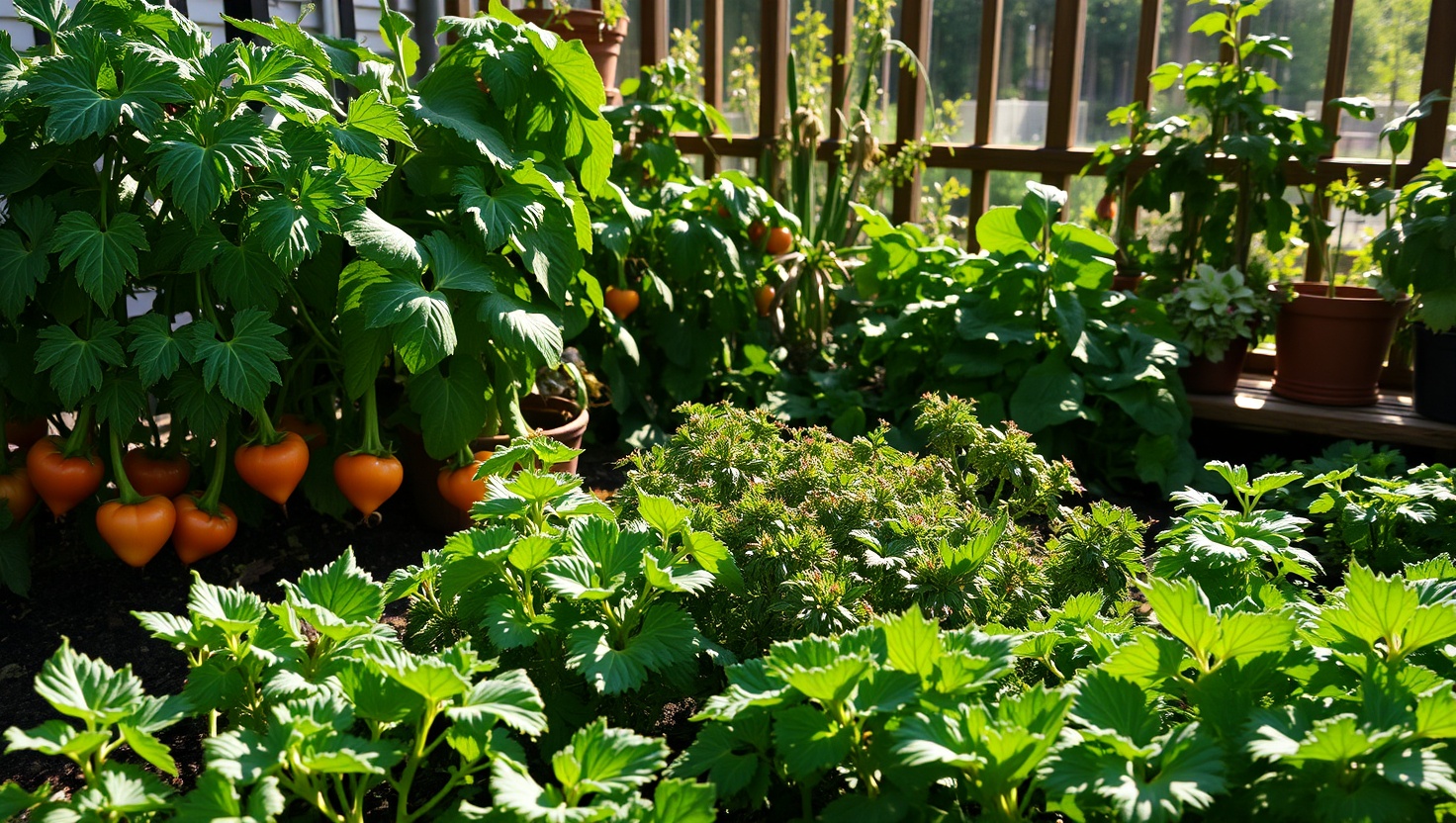
You put the seeds in the ground, built the raised bed, laid the drip lines — and then summer arrives and the real enemy shows up: forgetting to water. Or watering when it already rained. Or being away for a week and coming back to a garden that looks like a crime scene. A basic $15 mechanical timer helps, but it can't check the weather, it can't be adjusted from your phone, and it has no idea that yesterday's thunderstorm already did the job.
Rachio Smart Hose Timer — Our Top Recommendation
Rachio built their reputation on whole-home irrigation controllers — the kind that manage 8-16 zones for large properties — and their Smart Hose Timer brings that same weather intelligence and…
In a hurry? That’s our pick. Want the reasoning and the full comparison? Keep reading.
Smart WiFi hose timers solve all of that. They cost $38-$65, screw onto any standard outdoor tap in under 10 minutes, and connect to your home WiFi so you can set schedules, override them from anywhere, and let the timer automatically skip watering days when rain is forecast. The result: a garden that waters itself on the right schedule, wastes nothing, and doesn't need you standing in the backyard with a hose at 7am.
Key Takeaways
- Smart hose timers save 20-30% on water by automatically skipping when it rains or when soil has enough moisture
- They connect to your phone via WiFi — set schedules, adjust from anywhere, get notifications when watering runs
- The Orbit B-hyve XD at $38-$48 offers the best value: built-in WiFi (no hub needed), weather-smart scheduling, and two-zone capacity
- All five timers work with standard garden hoses — no plumbing knowledge, no electrician, no trenching required
- Weather-intelligent watering means your garden gets exactly what it needs, even when you're on vacation for two weeks
- Most run on 2 AA batteries for 6-12 months — no wiring, no charging, no power outlet needed at the tap
Why Smart Hose Timers Change Garden Watering Forever
A mechanical hose timer is a clock. It opens the valve at a set time and closes it after a set duration. It does not know what day of the week it is, whether it rained this morning, whether you're home or traveling, or whether the plants actually need water right now. A smart WiFi hose timer is a different tool entirely.
The biggest game-changer is weather intelligence. Smart timers pull local forecast data and skip scheduled watering cycles when rain is imminent or recent. The EPA estimates that smart controllers can reduce outdoor water use by 20-30% compared to fixed-schedule timers — not by watering less in absolute terms, but by not watering redundantly. Your plants don't know the difference. Your water bill does.
Remote control is the second major upgrade. Forget you set a watering cycle before a rainstorm? Open the app and cancel it from your couch. Leaving for a week? Change the duration without going outside. Notice a plant is struggling? Add an extra manual watering cycle from your phone during a business trip. This kind of control is what separates a productive food garden from one that depends entirely on you being present.
Smart timers also give you a record. Most apps log every watering run — when it started, how long it ran, whether a weather skip triggered. After a season, you can look back at exactly how much water your garden received and correlate it with what grew well. That's the kind of data that turns a hobby into a system.
Smart Timer vs Dumb Timer: What's the Difference?
A standard mechanical hose timer costs $10-$20 and runs a fixed schedule with no intelligence whatsoever. Set it to water at 6am for 30 minutes and that's exactly what it does — rain, shine, drought, or flood. It has no WiFi, no app, no awareness of the outside world.
A digital (but non-WiFi) timer adds a small LCD and button controls to program multiple schedules per day. Still no connectivity. Still no weather data. Still requires you to walk outside and physically press buttons to make any change.
A smart WiFi timer connects to your home network and gives you three things a dumb timer cannot:
- Remote access: Control from your phone, anywhere in the world
- Weather intelligence: Automatic skips based on local rain forecasts and past rainfall data
- Smart home integration: Works with Alexa, Google Home, and (on some models) Apple HomeKit — control by voice, build automations
The price difference is real — $38-$65 vs $10-$20 — but for anyone with a food garden or significant outdoor planting, the payback in water savings and time saved is typically within a single season.
The 5 Best Smart WiFi Hose Timers for 2026
Rachio Smart Hose Timer — Best Overall
Rachio built their reputation on whole-home irrigation controllers — the kind that manage 8-16 zones for large properties — and their Smart Hose Timer brings that same weather intelligence and scheduling sophistication down to a single-tap device. The result is the most capable smart hose timer available, with features that no other product in this category matches.
The headline feature is Rachio's Weather Intelligence Plus. It doesn't just skip when rain is forecast — it calculates actual evapotranspiration (ET) rates based on your local temperature, humidity, wind, and solar radiation data, and adjusts watering duration to match exactly what the plants have lost to the atmosphere. In practice, this means significantly less guesswork: the timer is calibrating to real soil conditions, not just running a fixed clock. The flow meter compatibility takes this further — attach a compatible flow sensor and the system monitors water usage in real time, alerting you to leaks or unexpected flow deviations.
WiFi and Bluetooth both run simultaneously, which means you can control the timer locally via Bluetooth even if your router is down. Integration with Alexa, Google Home, and Apple HomeKit is native. Rachio's app is the best in this category — clean, detailed, and packed with scheduling options including multiple programs, flexible seasonal adjustments, and a full watering history log.
- Weather Intelligence Plus — most sophisticated weather-based scheduling available
- Flow meter compatible — detects leaks and monitors water use precisely
- WiFi + Bluetooth — local and remote control, even without internet
- Native Alexa, Google Home, and HomeKit support
- Best-in-class app with detailed history and multi-program scheduling
- Requires a Rachio hub (~$50 extra) if you don't already own a Rachio irrigation controller
- $65 + $50 hub makes this the most expensive option if starting from scratch
- Single zone only — one outlet per timer
- WiFi range limited to standard 2.4GHz; outdoor wall taps far from the router may need a WiFi extender
Best for: Existing Rachio users who want to extend their smart irrigation ecosystem to a garden hose tap, or gardeners who want the most advanced weather intelligence available and don't mind the hub investment.
Check Price on Amazon →Orbit B-hyve XD 2-Port — Best Value Multi-Zone
The Orbit B-hyve XD 2-Port is the smart hose timer most people should buy. Two independent zones at $48, no hub required, built-in WiFi that connects directly to your 2.4GHz router, and full weather-based smart watering that earned it EPA WaterSense certification — meaning it's been independently verified to use water efficiently. For anyone with a vegetable garden plus a flower bed, or front lawn plus back garden, this is the most practical solution available.
Each zone is controlled independently with its own schedule, duration, and watering days. Zone 1 can water the tomatoes every morning for 15 minutes; Zone 2 can run the flower bed three times a week for 10 minutes. They can overlap or run sequentially — the app handles the logic. The weather-skip feature pulls local forecast data and skips cycles automatically when rain is expected or when recent rainfall makes watering unnecessary. Alexa and Google Home integration is included for voice control.
Build quality on the XD line is a step up from Orbit's older B-hyve models — the housing is more robust, the valve mechanism feels more substantial, and the brass inlet thread is a genuine improvement over plastic in terms of longevity and leak resistance. Battery life typically runs 6-8 months on 4 AA batteries.
- 2 independent zones — most useful configuration for most gardens
- No hub required — connects directly to home WiFi
- EPA WaterSense certified — independently verified water efficiency
- Weather-skip watering built in at no extra cost
- Best value in the smart timer category at $48 for two zones
- WiFi range can be limited if outdoor tap is far from the router — may need a WiFi extender
- 4 AA batteries (not 2) — slightly higher ongoing battery cost
- App can be slow to refresh status occasionally
- Not compatible with Apple HomeKit — Alexa and Google only
Best for: Gardeners with two separate watering zones who want the most practical all-in-one smart timer without needing a hub or paying for premium features they won't use.
Check Price on Amazon →Orbit B-hyve XD 1-Port — Best Budget
If you have one garden bed, one raised box, or one drip line to automate, the Orbit B-hyve XD 1-Port is the best smart hose timer you can buy at this price. At $38 with built-in WiFi (no hub required), weather-skip watering, Alexa and Google Home support, a brass inlet connection, and IPX4 weather resistance — there is genuinely nothing at this price point that competes on features.
The brass inlet is worth highlighting specifically. Most budget smart timers use plastic inlet threads, which degrade faster, are prone to cracking, and are more likely to strip or leak over a season of outdoor use. The B-hyve XD uses brass where it counts, which is a meaningful quality decision at this price. IPX4 rating means it's splash-resistant from any direction — not fully waterproof, but suitable for rain and garden spray without worry.
Setup is straightforward: thread onto the tap, download the Orbit B-hyve app, follow the pairing process (typically under 5 minutes), and set your schedule. The app lets you configure multiple programs (different schedules for different days), set rain delay durations, and run manual watering cycles from anywhere. Weather intelligence connects automatically once the device is linked to your location.
- $38 — most affordable WiFi smart timer with genuine weather intelligence
- Built-in WiFi, no hub or bridge required
- Brass inlet thread — more durable than plastic alternatives at this price
- IPX4 water resistance rated for outdoor use
- 2 AA batteries — 6-8 months typical life
- Single zone only — if you have two garden areas, you'll need two timers
- No HomeKit support — Alexa and Google only
- WiFi range dependent on router proximity; outdoor taps at the far end of a garden may struggle
- Manual button controls are basic — most configuration requires the app
Best for: First-time smart garden automation buyers, renters, or anyone with a single garden zone who wants to step up from a dumb timer without overspending.
Check Price on Amazon →A smart timer controls when water flows — a drip kit controls where it goes. Pair the two for a fully automated, zero-waste garden watering system.
Melnor WiFi AquaTimer — Best for Multiple Schedules
The Melnor WiFi AquaTimer is the scheduling power user's choice. Where most smart timers let you set one or two programs per zone, the AquaTimer allows four independent programs per valve — each with its own start time, duration, and day selection. For a productive vegetable garden with complex watering needs (seedlings that need twice-daily misting, established beds that need deep weekly soaks, potted herbs that need something different entirely), this flexibility is genuinely valuable.
The large LCD display is the other standout feature. Most smart timers either have no display or a minimal LED indicator — the Melnor's backlit LCD shows the current time, next scheduled watering, and active program at a glance without opening the app. There's also a physical manual button for immediate watering override, which matters when you want to water right now without picking up your phone. Built-in WiFi connects directly without a hub, and the Melnor app handles remote control and additional scheduling beyond what the buttons allow.
The rain delay feature is manual rather than fully automated — you can set delays of 24, 48, or 72 hours from the app or the physical button. It doesn't auto-skip based on forecast the way the B-hyve or Rachio does, but the manual delay is quick to trigger and works reliably. At $55, it's priced between the B-hyve XD 2-Port and the Rachio, and the scheduling depth justifies the cost for high-frequency gardeners.
- 4 independent programs per valve — most scheduling flexibility in the category
- Large backlit LCD — status visible without opening the app
- Physical manual button — instant override without phone
- Built-in WiFi, no hub required
- Solid build quality with reliable valve mechanism
- Rain delay is manual, not automatic — you need to trigger it yourself when rain is coming
- No Alexa or Google Home integration — WiFi app control only
- Battery life on the shorter side — 4-6 months on 2 AA batteries due to LCD power draw
- App is functional but less polished than Orbit's B-hyve or Rachio's offering
Best for: Gardeners who run complex watering schedules across a single zone — seedling nurseries, mixed vegetable beds, container gardens — and want maximum scheduling control plus an at-a-glance display.
Check Price on Amazon →Meross Smart WiFi Water Timer — Best for HomeKit
The Meross Smart WiFi Water Timer is the right answer for one specific gardener: the Apple household. If your home runs HomeKit — iPhone, HomePod, Apple TV as a hub — and you want your garden timer to appear natively in the Home app, work with Shortcuts automations, and integrate with the rest of your HomeKit devices, the Meross is currently the only sub-$50 smart hose timer that delivers all of that without requiring a bridge or workaround.
HomeKit integration is genuine, not a third-party hack. The timer appears in the Apple Home app as an irrigation device, responds to Siri voice commands, and can be included in automations ("when I leave home, turn off the garden water"). It also works with Amazon Alexa and Google Home, so non-iPhone household members aren't locked out. App scheduling covers daily, every-N-days, and specific weekday patterns, with multiple start times per day.
The hardware quality is strong for the price. Both inlet and outlet connections are brass — this matters for long-term durability and leak prevention, and most sub-$45 timers cut corners here by using plastic on at least one end. The Meross uses brass on both sides. No hub is required; it connects directly to 2.4GHz WiFi. Battery life runs 6-9 months on 2 AA batteries. The app lacks the advanced weather intelligence of the Orbit B-hyve, but a basic rain delay can be triggered manually from the app or via a Shortcuts automation that checks weather data.
- Native Apple HomeKit support — no bridge, no workaround
- Works with Siri and Apple Shortcuts for powerful automations
- Brass inlet and outlet — better than most competitors at this price
- No hub required — direct WiFi connection
- $40 is exceptional value for HomeKit-native smart control
- No automatic weather-skip — rain delay must be set manually
- Single zone only
- WiFi range limited; distant outdoor taps may need a WiFi extender
- App is basic compared to Orbit B-hyve or Rachio — adequate but not feature-rich
Best for: iPhone and HomeKit users who want their garden watering integrated natively with their Apple smart home ecosystem — complete Siri control, Shortcuts automations, and the Home app.
Check Price on Amazon →Quick Comparison Table
| Product | Price | Zones | WiFi Hub Needed? | Smart Assistants | Weather Skip | Best For |
|---|---|---|---|---|---|---|
| Rachio Smart Hose Timer | ~$65 | 1 | Yes (~$50) | Alexa, Google, HomeKit | Auto (ET-based) | Best overall |
| Orbit B-hyve XD 2-Port | ~$48 | 2 | No | Alexa, Google | Auto | Best value multi-zone |
| Orbit B-hyve XD 1-Port | ~$38 | 1 | No | Alexa, Google | Auto | Best budget |
| Melnor WiFi AquaTimer | ~$55 | 1 | No | None | Manual delay | Multiple schedules |
| Meross Smart Water Timer | ~$40 | 1 | No | Alexa, Google, HomeKit | Manual delay | Apple HomeKit |
How to Set Up a Smart Hose Timer (10 min install)
Every timer on this list installs the same way. Here's the complete process from unboxing to first watering run:
Step 1 — Install the batteries
Open the battery compartment, insert 2 AA batteries (lithium recommended for longer life and cold-weather performance). Avoid mixing old and new batteries.
Step 2 — Thread onto the outdoor tap
Your outdoor tap has a standard 3/4" GHT (Garden Hose Thread) outlet. Hand-tighten the timer's inlet port onto the tap — no tools needed, and over-tightening can crack the housing. If there's a washer included, make sure it's seated in the timer inlet before threading. Turn on the tap fully — the timer valve itself controls the water flow, not the tap handle.
Step 3 — Connect your hose or drip line
Screw your hose, soaker hose, or drip irrigation line onto the timer's outlet port. For drip systems, add a pressure regulator (25 PSI) and a Y-filter between the timer output and the drip tubing to protect the emitters.
Step 4 — Download the app and connect to WiFi
Download the manufacturer's app (Orbit B-hyve, Rachio, Melnor, or Meross), create an account, and follow the in-app pairing process. Most timers use Bluetooth for initial pairing — hold your phone near the timer, let the app detect it, then enter your 2.4GHz WiFi network credentials. The timer stores these and connects automatically from then on. Most setups complete in under 5 minutes.
Step 5 — Set your first schedule
In the app, create a watering program. Choose your days, start time, and duration. Enable weather-skip if the option is available. Run a manual test cycle to verify water flows correctly. You're done.
Pairing with Drip Irrigation (Smart Timer + Drip Kit = Fully Automated Garden)
A smart hose timer tells water when to flow. Drip irrigation tells water where to go. Together, they create a garden that waters itself precisely, at the root zone, on the right schedule, without you.
The combination works like this: the smart timer threads onto your outdoor tap and controls the schedule (when water starts, when it stops, weather skips, remote override). Your drip irrigation line connects to the timer's output port. The drip system distributes water directly to the soil surface beside each plant through emitters spaced along the line.
For this pairing to work correctly, add two components between the timer output and the drip tubing:
- Pressure regulator: Drop from tap pressure (40-80 PSI) to drip pressure (15-25 PSI). Without this, emitters will blow off the tubing. A 25 PSI regulator costs $8-$12 and is essential.
- Y-filter (mesh filter): Catches sediment before it reaches the emitters. Drip emitters have tiny openings that clog easily. A filter costs $5-$8 and is installed upstream of the pressure regulator. Clean it at the start of each season.
The practical result: set the schedule once in spring, adjust as needed through the season, and the garden waters itself. No hose, no timer-watching, no water stress during heat waves. You still walk the garden every few days to check plant health, harvest, and deal with pests — but the watering is handled.
Managing a larger garden with multiple zones? Smart irrigation controllers handle 4-16 zones from a single hub — the next step up from a hose timer.
Get the Free Edible Space Garden Setup Scan
Our free scan walks through your outdoor growing space — watering, soil, sunlight, and layout — and gives you a practical setup plan for a low-maintenance productive garden.
Ready to Stop Babysitting Your Garden Hose?
Our top pick for most gardeners is the Orbit B-hyve XD 1-Port ($38) or 2-Port ($48) — built-in WiFi, automatic weather skips, and no hub required. The Meross is the choice for HomeKit households. Either way, your garden waters itself this season.
Get the Orbit B-hyve XD on Amazon →Frequently Asked Questions
Most smart hose timers require a minimum of 7-10 PSI and work up to around 100 PSI. Standard residential water pressure is typically 40-80 PSI, which is well within range for all five timers reviewed here. If you're on a gravity-fed rain barrel or a well system with very low pressure, check the spec sheet — the Orbit B-hyve models specify a minimum of 7 PSI, which is among the most lenient on the market. For drip irrigation (which operates at low pressure), make sure you add a pressure regulator inline to drop from tap pressure to the 15-25 PSI that drip emitters need.
Most smart hose timers run on 2 AA batteries for 6-12 months under typical use — watering once or twice daily, with regular WiFi connectivity. Battery life depends significantly on watering frequency and how often the timer connects to WiFi. Timers that maintain a persistent WiFi connection drain faster than those that connect only to execute a schedule or receive an update. The Orbit B-hyve and Meross timers are designed to keep WiFi radio usage efficient, typically delivering 6-8 months per set of batteries. Cold temperatures reduce battery performance, so expect shorter life in autumn. High-capacity lithium AA batteries significantly extend runtime, especially in cold climates.
Yes — and it's one of the most effective combinations in the garden. A smart hose timer connects to your outdoor tap and controls when water flows. Your drip irrigation kit connects downstream of the timer. Add a pressure regulator (25 PSI) and a Y-filter between the timer output and the drip tubing to protect the emitters from tap pressure and sediment. With this setup, the timer handles the scheduling (weather-skipping, time-of-day, duration) while the drip system handles delivery directly to the root zone. The result is a fully automated, low-waste watering system that requires no manual intervention after setup.
In climates where temperatures drop below freezing, yes — you should remove and store the timer before the first hard frost. Water remaining in the timer body can expand when it freezes and crack the housing or damage the solenoid valve. All five timers reviewed here are designed for seasonal use, not permanent outdoor installation through sub-freezing winters. Removal takes under 60 seconds: shut off the tap, unscrew the timer, drain it, and store it indoors. Most timers come with a 'winterize' reminder feature in the app that alerts you when frost risk is detected in your area.
Yes — all five timers reviewed here store their watering schedules locally on the device. If your WiFi drops, the timer continues to follow the last saved schedule without interruption. What you lose during an outage is remote control (you can't adjust from your phone), weather data updates (the weather-skip feature needs internet to check forecasts), and real-time notifications. As soon as WiFi is restored, the timer reconnects and syncs automatically. This local schedule storage is a deliberate design decision by all major brands — a timer that stops watering because of a router reboot would be useless.