Best Smart Plant & Garden Sensors 2026: Stop Guessing, Start Growing
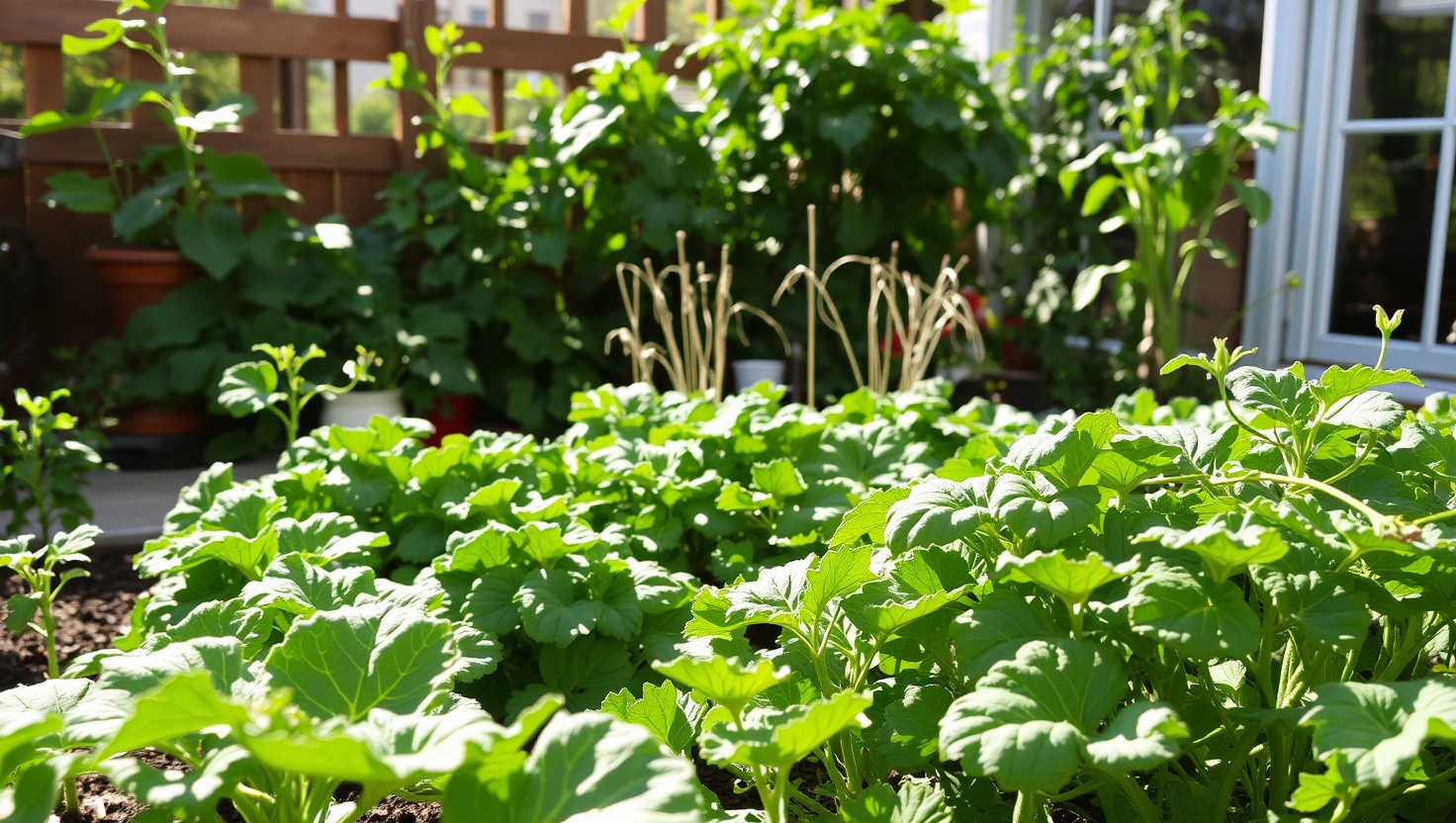
Most plants don't die from neglect — they die from guessing. You water when you think they need it, not when they actually do. Smart sensors take the guesswork out entirely.
Ecowitt WH51 Soil Moisture Sensor — Our Top Recommendation
The WH51 is the go-to sensor for serious outdoor growers who want reliable data without paying a premium. It transmits soil moisture readings wirelessly via 433MHz to an Ecowitt WiFi gateway — which…
In a hurry? That’s our pick. Want the reasoning and the full comparison? Keep reading.
You stick a probe in the soil. Your phone tells you the moisture level, the temperature, and sometimes even the light conditions. You water exactly when needed — not too early, not too late. Plants stay healthier, you use less water, and you stop killing things you actually care about.
The market for smart plant and garden sensors has exploded. There are $13 basic moisture meters and $50 full-spectrum smart sensors that tell your plant's story in real time. The question isn't whether to get one — it's which one matches your setup and how you actually grow.
We tested and researched the top picks across every price point to give you an honest breakdown of the best smart plant garden sensors for soil moisture, app integration, and real-world garden use in 2026.
Key Takeaways
- Smart soil sensors eliminate the guesswork that kills most plants — moisture, temp, and light data straight to your phone
- Bluetooth sensors work great indoors within 30m; WiFi sensors are essential for outdoor gardens or remote monitoring
- The Ecowitt WH51 is the best value for serious growers and Home Assistant users ($18)
- FYTA Beam is the smartest all-rounder for houseplant lovers who want plant-specific guidance ($50)
- You don't need to spend much — the XLUX T10 at $13 is a no-nonsense analog alternative that works perfectly well
- Pair any sensor with a drip irrigation system for a nearly hands-free growing setup
Why Smart Sensors Beat Manual Checking
The old way: you poke your finger in the soil, make a judgment call, and water. Sometimes you're right. A lot of the time, you're not. Overwatering kills more houseplants than anything else — root rot is almost always the culprit when a plant mysteriously dies.
Smart sensors give you actual data. Instead of "this feels dry-ish," you get "soil moisture is at 28%, below the ideal 35-60% range for your tomatoes." That's a different level of information entirely. It changes how you relate to your plants — from reactive to proactive.
There's also the time-saving angle. If you're growing food outdoors, manually checking every bed every day isn't realistic. A network of wireless sensors lets you glance at an app and know exactly what needs attention before you even walk outside.
The Three Problems Sensors Solve
1. Overwatering: The most common plant killer. A moisture sensor tells you the soil is still wet before you add more water. Simple, life-saving.
2. Under-watering during heat waves: Outdoor soil can go from fine to dangerously dry in a single hot afternoon. Sensors with alerts catch this before plants wilt.
3. Wrong placement: Sensors that measure light help you figure out if a plant is getting enough — or too much — sun for its species. Especially useful when you're setting up a new grow space.
Types of Smart Garden Sensors: Bluetooth vs WiFi vs Standalone
Before picking a sensor, understand the connectivity options. Each has real trade-offs.
Bluetooth Sensors
Connect to your phone directly. Range is typically 10–30 metres. Your phone needs to be nearby to sync data. Great for indoor plants, small balconies, and anyone who doesn't need remote alerts. Usually the cheapest option. The Govee sensor in this guide is a solid Bluetooth pick.
WiFi / Gateway-Connected Sensors
Connect to your home WiFi network — either directly or through a hub/gateway. Send data to cloud servers you can access anywhere. Ideal for outdoor gardens, greenhouses, and anyone who travels. The Ecowitt WH51 uses a 433MHz RF signal to a WiFi gateway — the gateway does the internet connection, not the sensor itself, which saves battery significantly.
Standalone / Analog Meters
No app, no connectivity — just a display or needle. The XLUX T10 is the prime example. You push it in, you read the number. No charging, no setup, no subscription. Perfect as a backup tool or for gardeners who don't want to manage another app.
The core metric is volumetric water content (VWC) — the percentage of soil volume that's water. Most plants want 30–60% VWC. Below 20% is stress territory. Above 70% risks root rot. Higher-end sensors also measure soil temperature (affects nutrient uptake), light intensity in lux, and sometimes electrical conductivity (EC) — a proxy for nutrient levels.
Quick Comparison: All 5 Sensors at a Glance
| Sensor | Price | Connectivity | Measures | Best For |
|---|---|---|---|---|
| Ecowitt WH51 | $18 | 433MHz + Gateway | Moisture | Outdoor / HA users |
| RainPoint 3-in-1 | $35 | WiFi direct | Moisture + Temp + Light | Garden monitoring |
| FYTA Beam | $50 | Bluetooth | Moisture + Temp + Light + EC | Houseplants |
| Govee BT Soil | $15 | Bluetooth | Moisture + Temp | Indoor plants |
| XLUX T10 | $13 | None (analog) | Moisture | Occasional checks |
The 5 Best Smart Plant & Garden Sensors in 2026
The WH51 is the go-to sensor for serious outdoor growers who want reliable data without paying a premium. It transmits soil moisture readings wirelessly via 433MHz to an Ecowitt WiFi gateway — which you likely already have if you're into weather stations or home automation. The sensor itself is fully weatherproof and built for permanent outdoor installation.
You can run up to 8 WH51 sensors on a single gateway, which makes it ideal if you're growing across multiple raised beds, containers, or greenhouse zones. Data updates every 60 seconds. The companion Ecowitt app shows historical charts, and — this is the big one for the self-sufficiency crowd — it integrates directly with Home Assistant via the HA Ecowitt integration.
- Outstanding value for the price
- Runs up to 8 sensors per gateway
- Native Home Assistant integration
- Requires Ecowitt gateway (sold separately)
- Moisture only — no light or temp sensor
The RainPoint gives you three readings in one probe: soil moisture, soil temperature, and ambient light intensity. It connects directly to your 2.4GHz WiFi network — no separate gateway needed — and pairs with the RainPoint app on iOS and Android. You can set custom alerts: get a push notification when soil drops below your target moisture level, or when temperatures dip close to frost territory.
It's designed for outdoor garden use, with an IP67 waterproof rating. The solar charging top-up means the battery lasts indefinitely if you have reasonable sunlight — a genuinely useful feature for beds you don't visit daily. Alexa integration lets you ask "What's the moisture level in my tomato bed?" and actually get an answer.
- No gateway needed — direct WiFi
- Solar charging for outdoor use
- Measures moisture, temp, and light
- 2.4GHz only — check your router setup
- App quality lags behind the hardware
The FYTA Beam is in its own category when it comes to houseplant intelligence. It measures soil moisture, soil temperature, light intensity, and electrical conductivity (nutrient levels) — and then cross-references all four against a database of over 10,000 plant species to give you species-specific advice. Your monstera doesn't need the same moisture level as your cactus. FYTA knows this.
The app is genuinely excellent — clean, intuitive, and actually helpful rather than just a data dump. You add your plant by name, place the sensor, and the app tells you whether each reading is in the ideal range for that specific plant. It'll tell you your fiddle leaf fig wants more light, or that your peace lily is overwatered, in plain language. Battery life is around 12 months on a single charge, and the design is elegant enough that you won't mind having it visible in your living room.
- Plant-specific care guidance (10,000+ species)
- Measures all 4 key parameters including EC
- Beautiful app with actionable advice
- Bluetooth only — no remote monitoring
- Higher price than alternatives
At $15, the Govee Bluetooth Soil Sensor is the entry point for anyone new to smart plant monitoring. It measures soil moisture and temperature, syncs to the Govee Home app over Bluetooth, and lets you set alerts for when readings fall outside your target range. It works with Amazon Alexa and Google Home, which means you can loop it into existing smart home routines.
The Govee app isn't as sophisticated as FYTA's, but it does what it needs to do: logs historical data, shows graphs, and pushes notifications. For a small apartment with a few indoor plants, this is all you need. The sensor is compact, looks clean, and the battery lasts around 6 months. You buy a multipack and stick one in every important pot.
- Excellent price — buy several for the cost of one FYTA
- Alexa and Google Home compatible
- Simple setup, clean app
- Bluetooth range limits — phone must be nearby
- No light sensor or EC measurement
Not everything needs to connect to an app. The XLUX T10 is a simple, no-battery analog soil moisture meter. You push the probe into the soil, and a needle on a 1–10 scale tells you the moisture level. That's it. No charging, no syncing, no troubleshooting. It just works, every time, immediately.
For gardeners who want a quick check without setup or maintenance, the T10 is genuinely useful. It's also a great backup tool for anyone with smart sensors — if you're not sure whether a reading is accurate, the T10 gives you an instant sanity check. It won't handle extreme soil conditions (very dense clay, rocky soil) as well as a proper probe, but for standard garden beds and potted plants, accuracy is solid.
- No battery, no app, no setup at all
- Cheapest reliable option available
- Instant readings, zero maintenance
- No data logging or remote alerts
- Manual use only — requires you to be present
How to Place Soil Sensors for Accurate Readings
A sensor placed wrong gives you wrong data. A few rules that make a real difference:
Depth Matters
For potted plants, push the probe to about half the pot's depth — typically 5–10 cm. For outdoor raised beds or in-ground growing, aim for 15–20 cm. This puts you in the active root zone where moisture availability actually matters. Avoid the bottom of containers where water pools — readings there are always misleadingly high.
Keep Sensors Away From Edges
Soil near the edges of pots and beds dries out faster than the centre. Position your sensor in the middle of the root mass for a representative reading. If you have a very large bed, consider two sensors — one near each watering zone.
Let Sensors Settle
After pushing a sensor in, wait 15–30 minutes before reading. Disturbing the soil creates air pockets that temporarily skew moisture readings. Give things time to normalise.
Calibrate for Your Soil Type
Sandy soil reads differently from clay-heavy soil at the same actual moisture level. Most smart sensor apps let you set soil type — always use this setting. For the XLUX analog meter, the scale leans toward "moist" in heavier soils, so add 1 point mentally when reading clay-based mixes.
Smart Home Integration: Which Sensors Play Nice
If you're building a smart home or homestead setup, sensor compatibility matters as much as accuracy.
Home Assistant
The Ecowitt ecosystem is the clear winner here. The Ecowitt integration for Home Assistant is well-maintained and widely used. You can build automations that trigger irrigation valves, send custom alerts, or log data to a local database — all without cloud dependency. This is the setup for anyone serious about off-grid or self-sufficient living.
Alexa and Google Home
Govee and RainPoint both support Alexa and Google Home natively. You can ask for current readings, set up routines, or include soil moisture data in morning briefings. Not as powerful as Home Assistant, but dead simple to set up.
Standalone Apps Only
FYTA uses its own app and doesn't integrate with third-party smart home platforms. For most houseplant use cases, this doesn't matter — but if you want cross-platform automation, it's a limitation to know upfront.
Indoor vs Outdoor: Choosing the Right Sensor for Your Setup
Indoor Houseplants
Go Bluetooth. You're in range, you don't need weatherproofing, and you want something that looks good on a shelf or in a pot. The FYTA Beam wins here for serious plant people. The Govee wins for anyone who wants a cheap, effective solution across multiple plants. For a quick analog check, the XLUX lives on the windowsill.
Outdoor Garden Beds
You need weatherproofing and wireless connectivity that doesn't depend on your phone being nearby. The Ecowitt WH51 with a gateway is the most scalable option — grow your sensor network as you expand your beds. The RainPoint is the better single-bed solution if you don't want to invest in a gateway.
Greenhouses and Grow Tents
Both approaches work well here. Greenhouses tend to have good WiFi coverage, so the RainPoint or Ecowitt gateway both make sense. For grow tents where you want detailed light and nutrient monitoring as well as moisture, the FYTA Beam is worth using alongside whichever WiFi sensor you choose for the environmental data.
What Moisture Level Should Your Plants Actually Be At?
Different plants have very different water needs. Here's a quick reference for the most common types:
- Succulents and cacti: 10–20% VWC. Let them dry almost completely between waterings.
- Tropical houseplants (monstera, pothos): 30–50% VWC. Moist but never waterlogged.
- Vegetables and tomatoes: 50–70% VWC. Consistent moisture is key to fruit quality.
- Herbs (basil, mint): 40–60% VWC. They wilt fast when dry but hate sitting in water.
- Outdoor lawn and turf: 30–55% VWC. Go below 25% and you'll see stress.
This is why the FYTA Beam's species database is so powerful — instead of remembering all this, the app just tells you whether your current reading is in the right zone for whatever you're growing. Fewer decisions, less risk of getting it wrong.
Ready to Stop Guessing and Start Growing Smarter?
Pick your sensor, stick it in the soil, and let data do the thinking. Your plants will notice the difference before you do.
Ecowitt WH51 — Best Value FYTA Beam — Best Houseplant RainPoint — Best Outdoor WiFiFrequently Asked Questions
What does a smart plant sensor actually measure?
Most smart soil sensors measure soil moisture (volumetric water content as a percentage), soil temperature, and light intensity. Higher-end models like the FYTA Beam also measure electrical conductivity (EC) — a proxy for nutrient levels in the soil.
Basic meters like the XLUX T10 measure moisture only, displayed on a simple 1–10 scale. The more parameters you track, the better picture you get of what your plant is actually experiencing.
Bluetooth vs WiFi garden sensor — which is better?
Bluetooth sensors (like Govee) are cheaper but require your phone to be nearby — typically within 30 metres. They're perfect for indoor plants or small balcony setups.
WiFi sensors (like RainPoint) connect to your home network and can send alerts anywhere in the world. For outdoor gardens, greenhouses, or any situation where you might not be home, WiFi connectivity is worth the extra cost.
The Ecowitt WH51 is a middle ground — it uses low-power 433MHz RF to a gateway, which then connects via WiFi. Better battery life than direct WiFi sensors, with the same remote access capability.
How deep should I push a soil moisture sensor?
For potted plants, push the sensor to about half the pot depth — usually 5–10 cm. For outdoor garden beds, 15–20 cm captures the active root zone most accurately.
Avoid pushing probes all the way to the bottom of containers, where drainage water pools — this gives falsely high readings. Position in the centre of the root mass rather than near edges, which dry out faster.
Can I connect smart garden sensors to Home Assistant or Google Home?
It depends on the sensor. The Ecowitt WH51 integrates directly with Home Assistant via the Ecowitt gateway and the HA Ecowitt integration — the most popular option among self-sufficiency and smart home enthusiasts.
Govee and RainPoint work with Alexa and Google Home. FYTA uses its own app and doesn't integrate with third-party platforms at this stage.
Are smart soil sensors worth it for indoor houseplants?
Yes — especially if you have more than five plants, or if you've ever killed a plant from overwatering without knowing it. The Govee Bluetooth sensor at $15 is excellent value for indoor use and pays for itself the first time it saves an expensive plant.
If you want plant-specific guidance — what moisture level does a monstera need versus a cactus? — the FYTA Beam is worth the extra investment. Its 10,000+ plant species database means the advice is actually relevant to your specific plant, not just generic "moist but not wet" guidance.