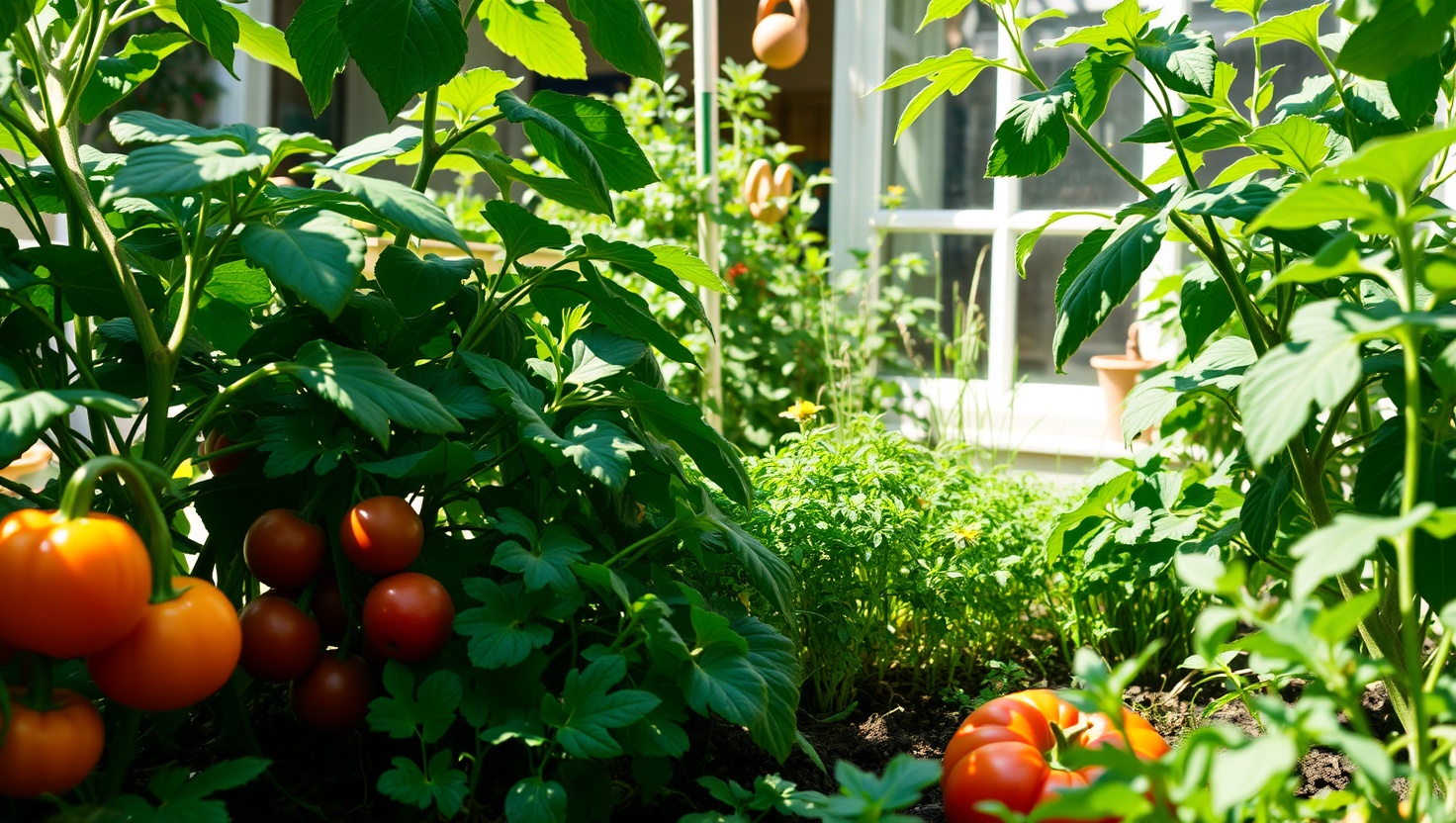
Sixty percent of urban farms are now using vertical aeroponic tower technology. That number would have been laughable five years ago. But here we are in 2026, and the best indoor vertical garden systems use 90% less water than soil, produce 10x more yield per square foot, and fit into spaces smaller than a kitchen chair.
Whether you live in a studio apartment with zero outdoor space or a house with a balcony you never use, there's a vertical garden system that turns dead space into a year-round food source. The options range from $35 stackable planters to $1,020 aeroponic towers that grow 32 plants in under two square feet of floor space.
We compared six systems across every price point and growing method. From budget soil stackables to AI-powered hydroponic units and full aeroponic towers, here's exactly what works, what doesn't, and which one is right for your space.
Key Takeaways
- Vertical garden systems use 90% less water and produce up to 10x more food per square foot than traditional soil gardening
- Budget stackable planters start at $35 and work great on balconies and patios
- The AeroGarden Harvest ($90-$110) is the best entry point for indoor countertop growing
- The Gardyn Home Kit 3.0 fits 30 plants in just 1.4 square feet using AI-powered automation
- Aeroponic systems (Tower Garden, Lettuce Grow) grow plants 20-30% faster than standard hydroponics
- Start with lettuce, herbs, and cherry tomatoes for the fastest results and easiest care
Why Vertical Gardens Are Taking Over Apartments
Traditional gardening needs one thing most apartment dwellers don't have: horizontal space. Vertical gardens flip that problem on its head. Instead of spreading out, they stack up. A tower that takes up 1.4 square feet of floor space can hold 30 plants. That's roughly the footprint of a dinner plate, producing enough leafy greens and herbs to seriously cut your grocery bill.
The technology driving this shift comes in three flavors:
- Soil stackable planters — traditional soil in stacking tiers. Cheapest, simplest, best for outdoor/balcony use. No electricity needed.
- Hydroponic systems — plants grow in water with dissolved nutrients. No soil, no mess, faster growth. Most countertop systems use this method.
- Aeroponic systems — roots are misted with nutrient solution, suspended in air. Fastest growth, highest yields, most efficient water use. Tower Garden and Lettuce Grow use this approach.
The practical benefits are hard to ignore. Fresh herbs from your kitchen cost $3-4 per pack at the store. A single AeroGarden produces the equivalent of dozens of packs per month. Lettuce at the store? Often shipped 1,500+ miles. Yours grows ten steps from your plate.
6 Best Indoor Vertical Garden Systems Ranked
We evaluated each system on price, plant capacity, ease of use, space requirements, growth performance, and long-term value. Here are six options from budget to premium, covering every type of grower.
VIVOSUN Stackable Planter
The simplest, cheapest way to start growing vertically. The VIVOSUN is a soil-based stackable tower with multiple tiers that you fill with potting mix and plant directly. No electricity, no pumps, no apps. Just soil, seeds, sun, and water. It's designed primarily for outdoor use on balconies, patios, and porches, but works indoors near a bright window. Perfect for strawberries, herbs, and flowers. If you want to test vertical gardening without spending more than a dinner out, this is your starting point.
Pros
- Cheapest entry at $35-40
- No electricity or setup required
- Expandable — add more tiers as you grow
- Works for flowers, herbs, and strawberries
- Durable, weather-resistant plastic
Cons
- Soil-based — messier than hydroponic
- Needs natural sunlight or grow lights
- Best outdoors, limited indoor performance
- Manual watering required
Mr. Stacky 5-Tier Vertical Planter
A step up from the VIVOSUN with a smarter stacking design. Mr. Stacky's five-tier system holds up to 20 plants in a compact vertical column. The cascading water design lets you water from the top and it trickles down through all tiers. It's earned a cult following among strawberry growers for good reason — the angled pockets give trailing plants room to hang and ripen in full sun. Works beautifully on apartment balconies and gets solid results indoors with supplemental lighting.
Pros
- 20 plant capacity at just $45
- Cascading water design reduces effort
- Excellent for strawberries and trailing herbs
- Compact footprint, just 1 sq ft
- Food-safe BPA-free material
Cons
- Still soil-based with messy potential
- Needs direct sunlight for best results
- Can feel flimsy when fully loaded
- Not ideal for large fruiting vegetables
AeroGarden Harvest
The most trusted name in indoor growing, and the system we recommend for anyone just getting started. The AeroGarden Harvest holds 6 pods under a 20W LED grow light with an automatic timer. Drop in seed pods, fill the water basin, and you're growing. The light arm adjusts as plants get taller, and the control panel reminds you when to add water and nutrients. It's countertop-sized, whisper-quiet, and produces astonishing amounts of basil, lettuce, and herbs within 3-4 weeks. AeroGarden has been making these for over a decade, and it shows in the polish.
Pros
- Proven, reliable, and beginner-proof
- Largest seed pod selection on the market
- Automatic light timer with reminders
- Adjustable light arm grows with plants
- Compact countertop footprint
Cons
- Only 6 pods — limited capacity
- No WiFi or app connectivity
- Proprietary pods cost more than generic
- Not a true vertical tower design
Lettuce Grow Farmstand
The Lettuce Grow Farmstand is where vertical gardening starts getting serious. This self-watering hydroponic tower holds 12 to 36 plants depending on the configuration you choose. No soil needed — seedlings sit in grow cups, and the system circulates nutrient water from a base reservoir automatically. It works both indoors and outdoors, making it versatile for year-round use. The company also sells pre-grown seedlings shipped to your door, so you skip the germination phase entirely and start harvesting weeks earlier. Built from food-safe, UV-resistant recycled plastic.
Pros
- 12-36 plant capacity — serious yield
- Self-watering circulation system
- Indoor/outdoor versatile design
- Pre-grown seedlings available (skip germination)
- Made from recycled, food-safe materials
Cons
- $349-$699 is a significant investment
- No built-in grow lights (add-on $199)
- Takes up floor space (not countertop)
- Pre-grown seedlings are an ongoing cost
Gardyn Home Kit 3.0
This is what happens when Silicon Valley meets indoor farming. The Gardyn Home Kit 3.0 grows 30 plants in just 1.4 square feet of floor space — the smallest footprint-to-capacity ratio of any system on this list. Built-in full-spectrum LED lights, an AI-powered app called Kelby that monitors your garden 24/7, and automatic water circulation make this genuinely hands-off. The app identifies plant health issues, adjusts light schedules, reminds you to add nutrients, and tracks growth over time. If you want maximum output with minimum effort, and you don't mind the premium price, Gardyn is the most impressive system available in 2026.
Pros
- 30 plants in just 1.4 sq ft
- AI-powered app monitors everything
- Full-spectrum LED lights included
- Sleek, modern design fits any room
- Automatic water circulation
Cons
- $695-$899 is premium pricing
- Requires WiFi for smart features
- Proprietary yCubes (seed pods) add cost
- Monthly membership for full app features
Tower Garden HOME
The Tower Garden HOME is the gold standard of vertical aeroponic growing. It holds 32 plants in a sleek vertical column, using true aeroponics — roots are misted with nutrient-rich water rather than submerged. This delivers more oxygen to roots, which translates to 20-30% faster growth compared to standard hydroponics. The system includes a 5-gallon reservoir, submersible pump, timer, net pots, rockwool cubes, and mineral blend nutrients. It works indoors with the optional LED grow light kit or outdoors in natural sunlight. The build quality is commercial-grade, designed to last years. If you're serious about replacing grocery store produce with home-grown food, this is the endgame.
Pros
- 32 plants — highest capacity on this list
- True aeroponics for fastest growth
- Commercial-grade build quality
- Indoor/outdoor with light kit add-on
- Grows full-size vegetables and fruits
Cons
- $1,020 is a serious investment
- LED light kit sold separately ($300+)
- Takes up 2.5 sq ft of floor space
- Pump creates noticeable hum
- Steeper learning curve than countertop units
Quick Comparison: All 6 Systems
| System | Price | Plants | Type | Space Needed | Best For |
|---|---|---|---|---|---|
| VIVOSUN Stackable | $35-40 | 10-15 | Soil | 1 sq ft | Budget balcony growing |
| Mr. Stacky 5-Tier | $45 | 20 | Soil | 1 sq ft | Strawberries & herbs |
| AeroGarden Harvest | $90-110 | 6 | Hydroponic | Countertop | Indoor beginners |
| Lettuce Grow Farmstand | $349-699 | 12-36 | Hydroponic | 2-3 sq ft | Serious home growers |
| Gardyn Home Kit 3.0 | $695-899 | 30 | Hydroponic | 1.4 sq ft | Tech-savvy, max yield |
| Tower Garden HOME | $1,020 | 32 | Aeroponic | 2.5 sq ft | Premium, fastest growth |
How to Start Your Indoor Garden (5 Steps)
Getting started is simpler than most people think. Follow these five steps and you'll be harvesting within a month.
1 Pick Your Space
Look at your apartment with fresh eyes. A kitchen counter, a living room corner, a balcony railing, or even a closet with a power outlet can work. Countertop systems like the AeroGarden need about 2 square feet of counter space. Tower systems need 1.4-2.5 square feet of floor space. Soil stackables need outdoor light or a sunny window. Measure first, buy second.
2 Choose Your System Type
Match the system to your situation. Soil stackables ($35-45) for balconies and patios with natural sunlight. Hydroponic countertop systems ($90-900) for indoor use with built-in LED lights. Aeroponic towers ($350-1,020) for maximum production and fastest growth. Don't overspend on your first system — you can always upgrade once you catch the growing bug.
3 Start With Easy Crops
Your first planting should be foolproof. Lettuce germinates in days and is ready in 4 weeks. Basil grows aggressively and you'll actually use it. Mint is nearly impossible to kill. Cherry tomatoes take longer (8-12 weeks) but are incredibly rewarding. Save the exotic stuff for round two.
4 Set Your Light Schedule
Most edible plants need 14-16 hours of light per day. Systems with built-in LEDs handle this automatically. If you're using a soil stackable indoors, add a simple clip-on grow light ($15-25) and plug it into a timer outlet. Light is the number one factor in indoor growing success — don't skimp on it.
5 Harvest and Replant Continuously
Don't wait for the "perfect" harvest. With herbs and greens, pick outer leaves as they mature and leave the center to keep growing. This extends your harvest for months instead of weeks. When a plant finishes its cycle, pop in a new seed pod or seedling immediately. The goal is a continuous rotation — something always growing, something always ready to eat.
What Grows Best in Vertical Gardens
Not everything thrives vertically. These crops are proven performers in tower and stackable systems:
Top Performers (Start Here)
- Lettuce and salad greens — fastest harvest (3-4 weeks), grow in any system
- Basil, cilantro, mint, dill — herbs are the highest-ROI crops because store-bought is expensive
- Strawberries — perfect for stackable planters, trailing growth works naturally with vertical design
- Cherry tomatoes — 8-12 weeks but hugely productive in hydroponic and aeroponic towers
Intermediate Crops
- Peppers (bell and hot) — compact varieties do well, need stronger light
- Kale and Swiss chard — hardy, productive, and nutrient-dense
- Green onions/scallions — fast growing, endlessly useful in cooking
- Cucumbers — bush varieties work in larger towers, need support
Skip These (For Now)
- Root vegetables (carrots, potatoes) — need deep soil, not suited for vertical growing
- Corn — too tall, too heavy, needs outdoor space
- Melons and squash — fruit is too heavy for vertical systems
Real Costs: What You'll Actually Spend
Let's break the numbers down honestly — upfront cost, ongoing expenses, and what you save.
Upfront Investment
- Budget tier: $35-$45 (VIVOSUN, Mr. Stacky) — add $15-25 for a grow light if indoor
- Mid-range: $90-$110 (AeroGarden) — everything included, plug and play
- Serious grower: $349-$899 (Lettuce Grow, Gardyn) — high capacity, premium features
- Premium: $1,020+ (Tower Garden) — commercial-grade, built to last years
Monthly Operating Costs
- Electricity: $3-15/month depending on system size and LED wattage
- Seed pods/seedlings: $5-20/month depending on system and rotation speed
- Nutrients: $5-10/month (a single bottle lasts 2-4 months)
- Water: Negligible — these systems use 90% less than soil gardening
Total monthly operating cost: roughly $13-$45. A family that buys $60-100/month in fresh herbs, lettuce, and tomatoes will see real savings within 3-6 months, even with a premium system. With a budget stackable, the payback is almost immediate.
Not Sure Which System Fits Your Space?
Take our free Edible Space Scan. Answer a few quick questions about your apartment, lighting, and goals, and we'll recommend the perfect system for you.
Take the Edible Space Scan →